

Why Custom Bucket Hats Keep Showing Up in Brand Collections
Custom Bucket Hats are one of those products that look simple on the shelf and become far more complicated once a sourcing team starts asking practical questions: what fabric gives the right hand feel, how should the brim hold its shape, where does a logo sit without upsetting the balance of the design, and what level of customization is realistic at scale? For apparel brands, promotional buyers, and private-label teams, the answer matters because a bucket hat is not just a seasonal accessory. It is a low-structure, high-visibility item that has to carry brand identity, survive repeat wear, and still land at the right price point.
The appeal is easy to understand. Bucket hats sit comfortably between fashion and function. They can be casual, streetwear-led, outdoorsy, or promotional depending on the fabric and finishing choices. A denim-look style with a faded wash and frayed edges sends a completely different message from a crisp cotton twill version with clean stitching and a neat woven patch. That flexibility is exactly why buyers keep returning to them.
What Buyers Are Really Deciding When They Source Bucket Hats
When a sourcing manager evaluates a bucket hat program, the decision is rarely just “can this be made?” It is more often “can this be made consistently, branded cleanly, and delivered in a style our audience will actually wear?” That means looking at structure, decoration method, fabrication, and order volume together, not separately.
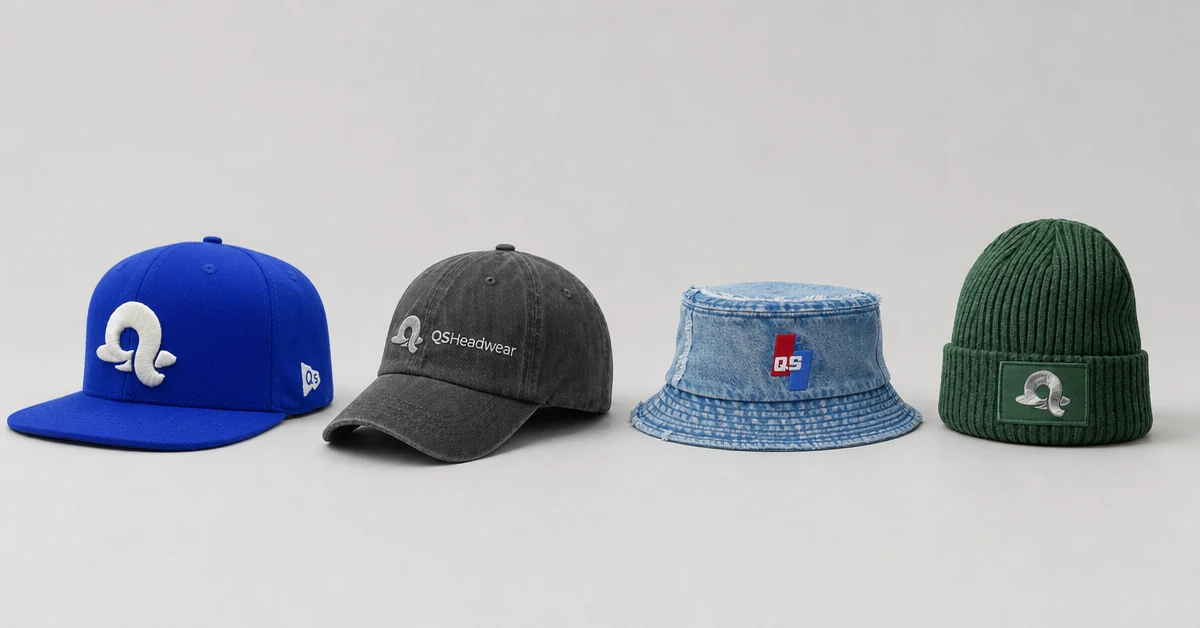
From the product data available here, the hat appears to be a soft, unstructured bucket style with a cylindrical crown and a downward-sloping circular brim. The fabric looks like denim or a denim-look woven material with a faded surface and frayed raw-edge details in places. A small woven or appliqué-style logo patch is visible on one side. That combination points to a cut-and-sew headwear process rather than a simple stock item with a print slapped on top.
Key Features That Affect Quality and Wearability
Fabric choice changes the whole product
The visible denim-like finish gives the hat a more fashion-forward and streetwear-friendly feel than a standard cotton twill bucket hat. That matters because fabric doesn’t just influence appearance; it changes drape, weight, and the way the brim sits. A soft woven fabric will usually create a relaxed silhouette, while heavier cloth can make the brim hang differently and hold a sharper edge.
Because the exact fiber content is not confirmed, it would be unwise to assume durability, breathability, or wash behavior. Buyers should ask for fabric swatches and wash testing if the hat is intended for repeat retail wear. A distressed look can be appealing, but distressing also tends to magnify inconsistencies if the supplier is not controlling the finishing process well.
Unstructured crown versus structured shape
This hat appears to have an unstructured crown, which is common in casual headwear. That relaxed profile is part of the product’s charm, but it also makes workmanship more visible. If the top stitching is uneven or the seam alignment is off, the flaws show quickly. In a rigid cap, the internal structure hides a lot. In a soft bucket hat, it does not.
For brands that want a more elevated look, the cleaner path is usually better seam alignment, tighter stitching control, and a consistent brim curve. For streetwear labels, a slightly broken-in appearance may be acceptable, even desirable. The trick is making sure the “distressed” effect looks deliberate, not accidental.
Logo application should match the design language
The product image shows a small branded patch with red and blue blocks and the letters “QS.” The exact method is not confirmed, so it could be embroidery, woven patchwork, or a printed patch. Each has different implications. Woven patches tend to suit fine detail and polished branding. Embroidery gives texture and a more tactile finish. Printing can be efficient, though it may feel less premium depending on the product positioning.
For a bucket hat with a washed denim look, a patch often works better than a large front graphic. It respects the casual silhouette and avoids overwhelming the crown. That is a useful rule of thumb for buyers: the more relaxed the hat, the more restrained the branding usually needs to be.
OEM and ODM Capabilities Buyers Should Confirm
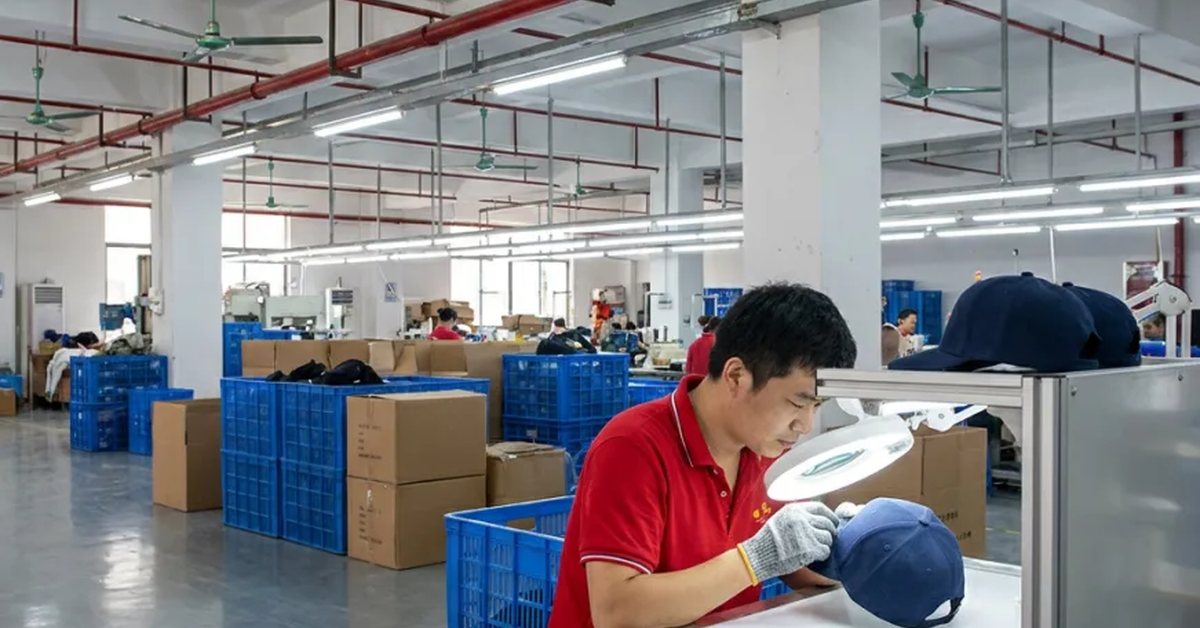
The supplier notes indicate OEM/ODM customization support, full customization of materials, colors, logos, and designs, and a manufacturing base with 15 years of headwear experience, more than 100 workers, and monthly capacity in the range of 120,000 to 150,000 pieces. Those are meaningful indicators for buyers because bucket hats are deceptively labor-sensitive. A supplier with no real cut-and-sew discipline can struggle when a hat program expands beyond samples.
Still, capacity claims only tell part of the story. Before committing, buyers should ask how the factory handles pattern grading, logo placement consistency, and style-to-style variation. A supplier may be able to produce large volumes, but if every wash batch comes out slightly different, the final retail assortment becomes harder to manage.
Questions worth asking in sampling
Ask whether the factory can change brim width, crown depth, stitch count, patch size, and fabric weight. Ask for close photos of seam finishes, edge treatment, and inside construction. If the design uses frayed edges, ask how the fraying is controlled so it does not become excessive after wear. These are small details on paper, but they decide whether the product looks premium or merely unfinished.
Where Custom Bucket Hats Fit in the Market
Bucket hats are a natural fit for streetwear collections, brand merchandise, summer promotions, music events, lifestyle retailers, and private-label accessory programs. Their advantage is portability. A hat can carry a logo without the size or inventory risk of a jacket, and it can be offered in several colors without requiring a major pattern change.
The denim-style version described here leans toward fashion merchandising. It is less corporate, more style-driven. That makes it useful for brands trying to create a collection piece rather than a throwaway giveaway. If the same shape were made in a plain canvas or standard twill, it might fit promotional use more comfortably. The same silhouette, different market.
Common Sourcing Mistakes
One common mistake is assuming every bucket hat is easy to produce. They are not. Soft headwear still requires accurate cutting, clean topstitching, and stable edge finishing. Another mistake is over-branding. A big logo can fight with a distressed or washed surface, especially if the design already has strong texture.
Buyers also sometimes overlook the interior finish. The lining is not clearly visible in the supplied information, so it should not be assumed to be premium or even fully lined. If the hat will be sold as apparel rather than giveaway merchandise, the inside hand feel matters. Consumers notice rough seam allowances more than brands sometimes expect.
A final caution: do not approve a sample based only on the front view. Inspect the underside of the brim, the side seam alignment, and how the crown joins the brim. On a soft hat, these areas often reveal whether the factory is controlling consistency or simply getting close enough for a photo.
How to Select the Right Manufacturer for a Custom Program
For buyers, the right supplier is not only the one with the largest factory or the most polished sales deck. It is the one that can repeat the same hat across multiple orders and keep the visual details intact. Experience in headwear matters because bucket hats require a blend of sewing discipline and style sensitivity.
The manufacturing data provided here suggests a supplier with a decent headwear operation: 15 years of experience, over 100 workers, and monthly output that could support both mid-size and larger programs. That makes the factory relevant for brands that want a repeatable custom program rather than a one-off sample run. But the buying team should still validate real production samples, not just digital renderings.
A practical buyer checklist
Confirm the fabric type and finish. Clarify whether the logo is woven, embroidered, or printed. Ask for photos of inside construction. Review whether the raw-edge treatment is intentional and stable. Check that color consistency is acceptable across sample and bulk reference pieces. And if the hat is tied to a seasonal launch, build enough time for sample correction. Streetwear buyers often move fast, but headwear can punish rushed approvals.
FAQ: Common Questions About Custom Bucket Hats
Are bucket hats suitable for private-label fashion brands?
Yes. In fact, they are often a strong entry product because they allow brands to express identity through fabric, patch design, and finishing without taking on the complexity of more structured garments.
Can one hat style work for both retail and promotional use?
Sometimes. A cleaner version with simple branding may work for promotions, while a washed or distressed version tends to suit retail streetwear better. The details usually decide the market fit more than the basic silhouette does.
What should buyers prioritize first?
Start with construction quality and branding method. Those two choices shape the customer’s first impression. Fabric is next. If the hat feels wrong in hand, the rest rarely saves it.
Next Step for Buyers Planning a Custom Run
If you are developing a headwear program, the smartest next move is to build the product around its intended use before you lock in the decoration. Decide whether the hat should feel premium, casual, or streetwear-led. Then align the fabric, patch style, and edge finishing to that target. A bucket hat is small, but it carries a surprising amount of brand meaning.
For teams considering custom production, ask for sample options that vary fabric, patch method, and edge treatment. That kind of side-by-side review usually reveals more than a catalog page ever will. And with a product like this, the difference between a competent hat and a sellable one is often a matter of stitching, proportion, and restraint.