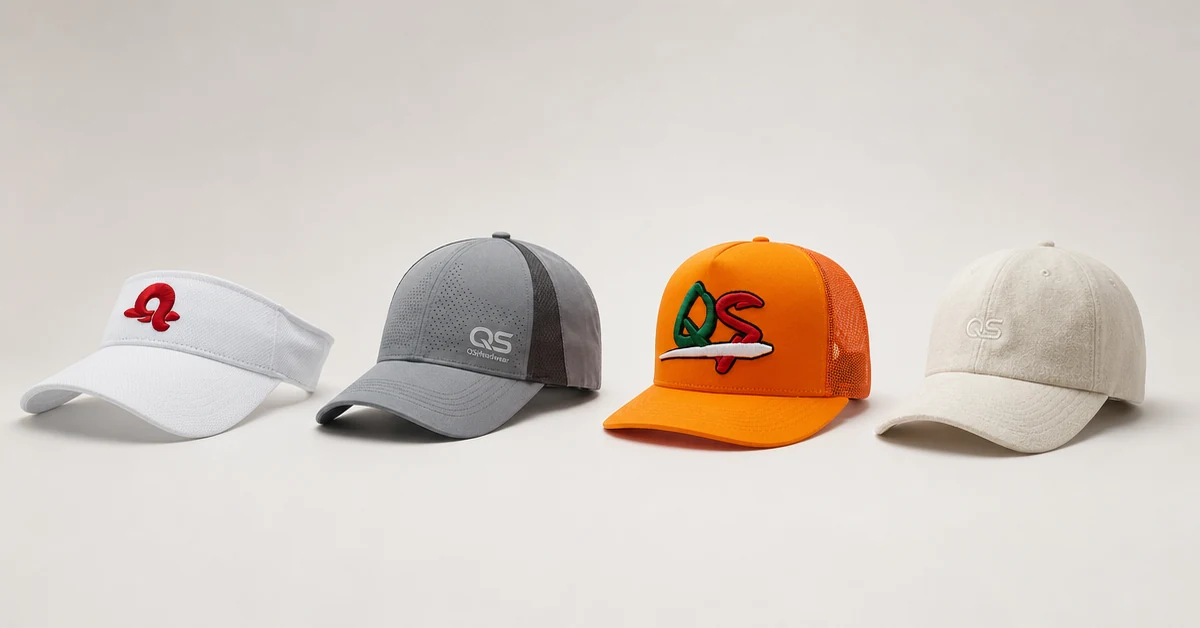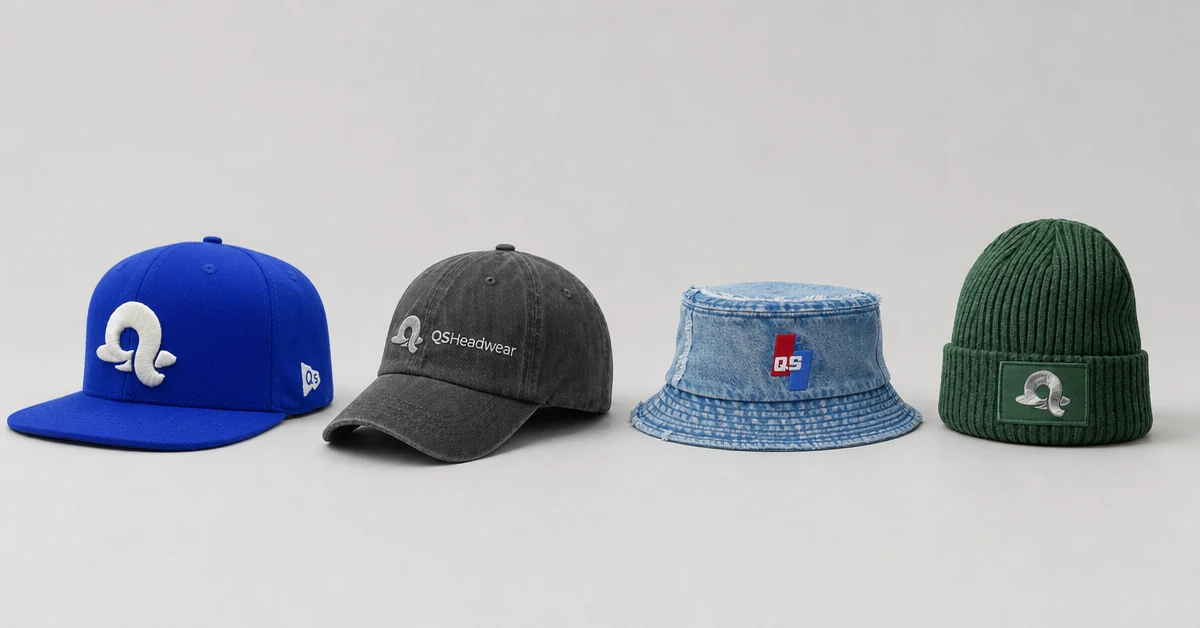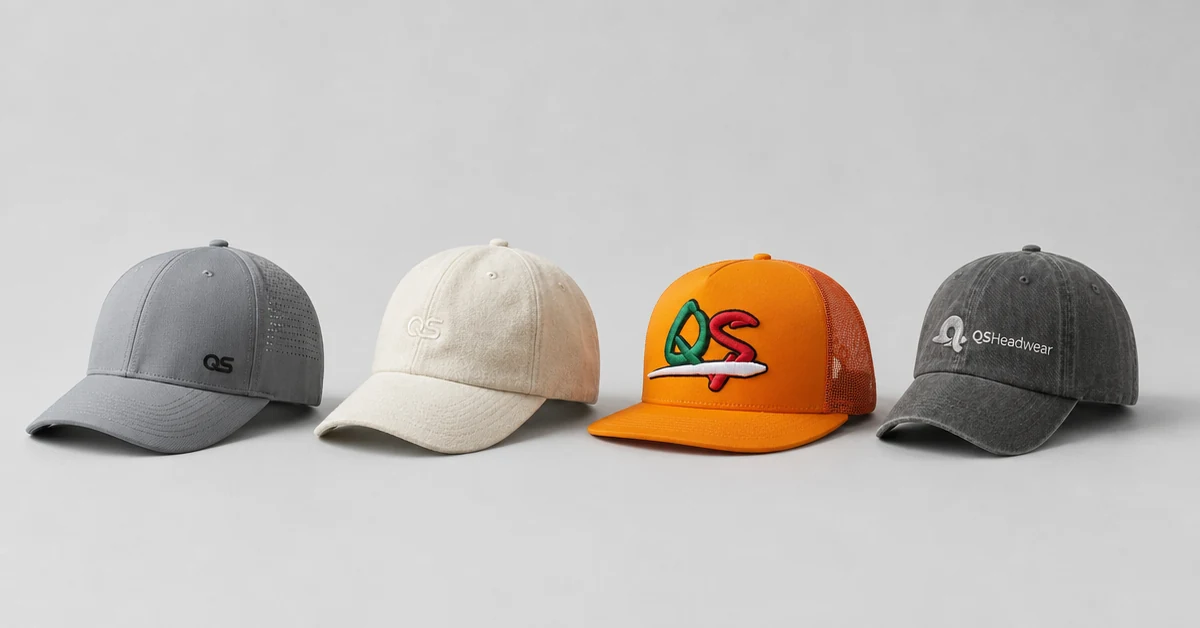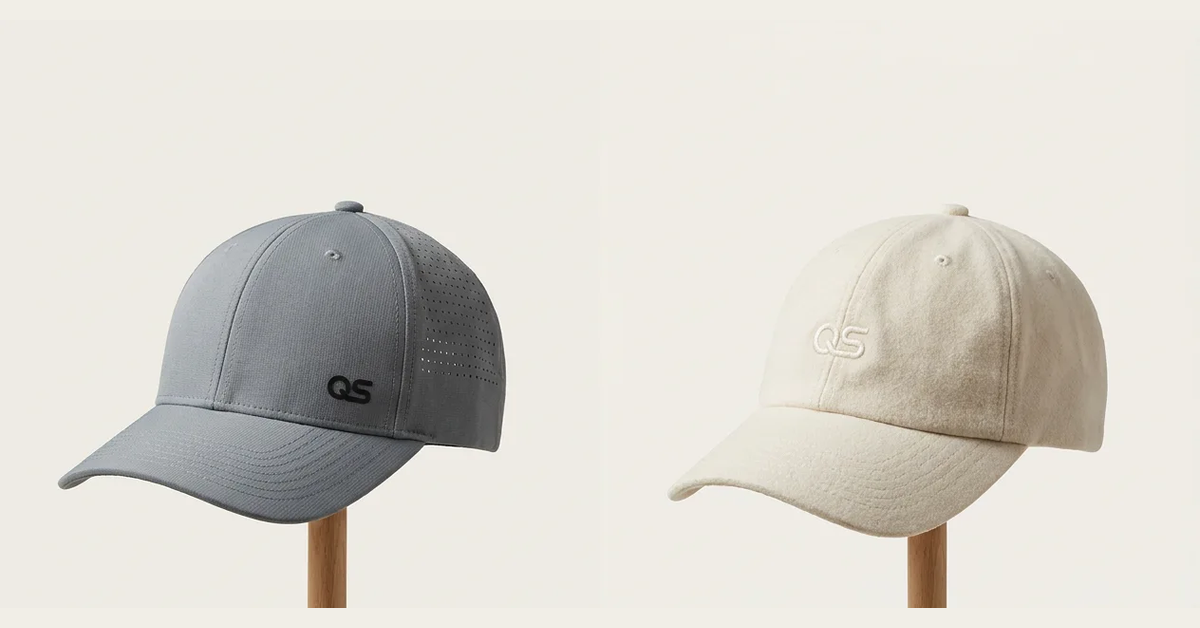


Why a Custom Baseball Cap still sells when a lot of merch does not
A Custom Baseball cap seems simple at first glance, which is exactly why buyers sometimes underestimate it. In sourcing meetings, headwear can get treated like a filler item: add a logo, pick a color, ship the boxes, move on. But for brands, teams, retailers, and event organizers, the cap often does more work than larger-ticket merchandise. It sits at eye level. It travels. It gets worn repeatedly. And if the shape, finish, or branding looks off, people notice quickly.
That is the real decision behind this product: not whether a cap can be made, but whether it can carry a brand cleanly, comfortably, and at the right volume without turning into a quality-control headache. For buyers comparing OEM and private-label headwear options, the difference is usually in the details that do not show up in a quick product shot—the panel structure, the consistency of the logo patch, the stiffness of the brim, the ventilation, and whether the factory can keep a run of thousands looking like the same cap.
What this style of cap is best suited for
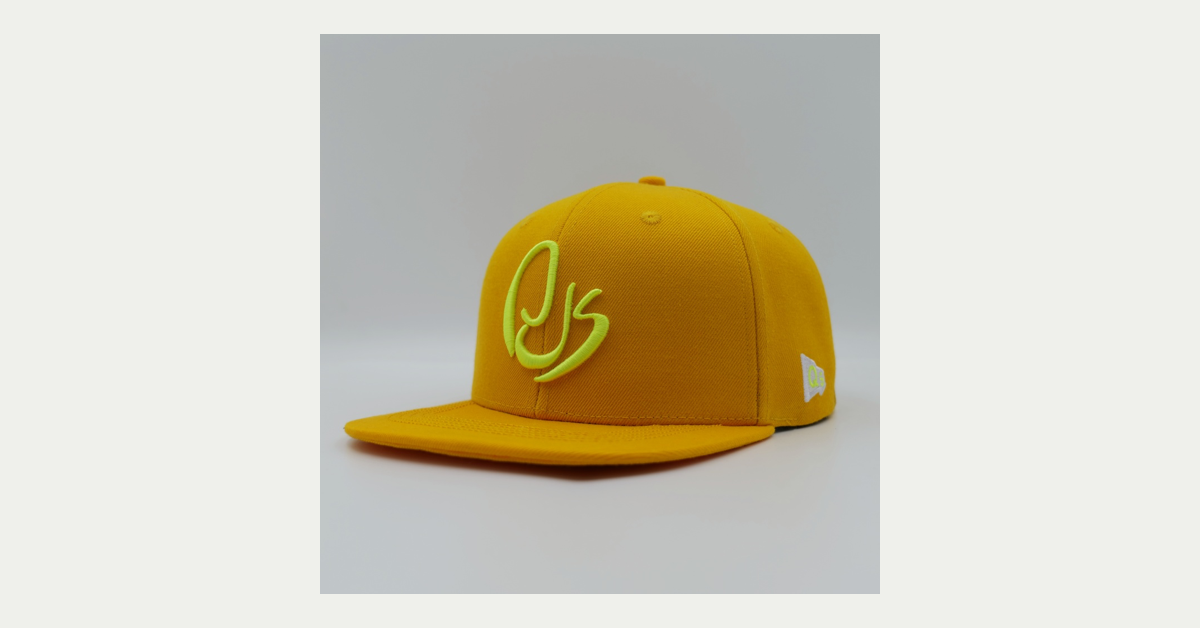
The cap described here sits in the crossover between promotional headwear and everyday retail streetwear. It uses a 5-panel or trucker-style construction with a curved brim, structured front panels, black mesh side ventilation, and a low-profile crown. That combination makes it useful for several buying scenarios.
For brand merchandising, it gives a logo a large front face without feeling overly formal. For promotional campaigns, it is practical because it is easy to size and easy to wear. For streetwear labels and private-label programs, the shape is familiar enough to sell, but still flexible enough to support different colors, patch styles, and finish choices. Event teams also like this style because mesh-backed caps wear lighter in warm weather and are easy to distribute in volume.
The key point is that this is not just a generic hat blank. The structured front and centered logo patch create a deliberate retail look. That matters if you want the cap to be seen as part of a collection rather than a giveaway item with a logo slapped on top.
Key product features buyers usually care about
The supplied product notes point to a cap with a curved brim, panel stitching on the crown and brim, a low-profile shape, and mesh side inserts. Those are not flashy features, but they strongly affect how the cap wears and how it presents in a lineup.
The front logo area is especially important. The visible white patch suggests embroidery, applique, or a printed patch style, though the exact decoration method is not fully verified. For sourcing teams, that uncertainty is worth resolving early, because the branding method affects cost, appearance, and perceived value. A flat print, for example, may suit a campaign run. A stitched patch often reads as more premium. Embroidery can be durable and familiar, but it depends on the logo detail and how much relief the buyer wants.
Colorway also matters more than people think. Red, black, and blue are classic commercial colors because they work across team apparel, retail racks, and corporate events. A matte or solid-color finish keeps the cap from looking overly technical. That helps if the target is casual wear rather than performance gear.
Quick comparison: what buyers should decide before requesting samples
Before asking for production quotes, it helps to lock down a few decisions.
If the cap is for promotions, prioritize cost control, simple branding, and dependable volume. If it is for retail, place more weight on structure, patch quality, and color consistency. If it is for a private-label program, pay close attention to how custom the shape can become, because a slightly different crown profile or panel layout can make the same base style feel more distinctive.
The most common tradeoff is between simplicity and brand expression. A very simple cap is easier to repeat across large orders. A more customized cap can stand out on shelf, but it usually needs tighter artwork control and clearer approval steps. That is where factory communication matters more than buyers expect.
What OEM and ODM buyers should ask a cap factory
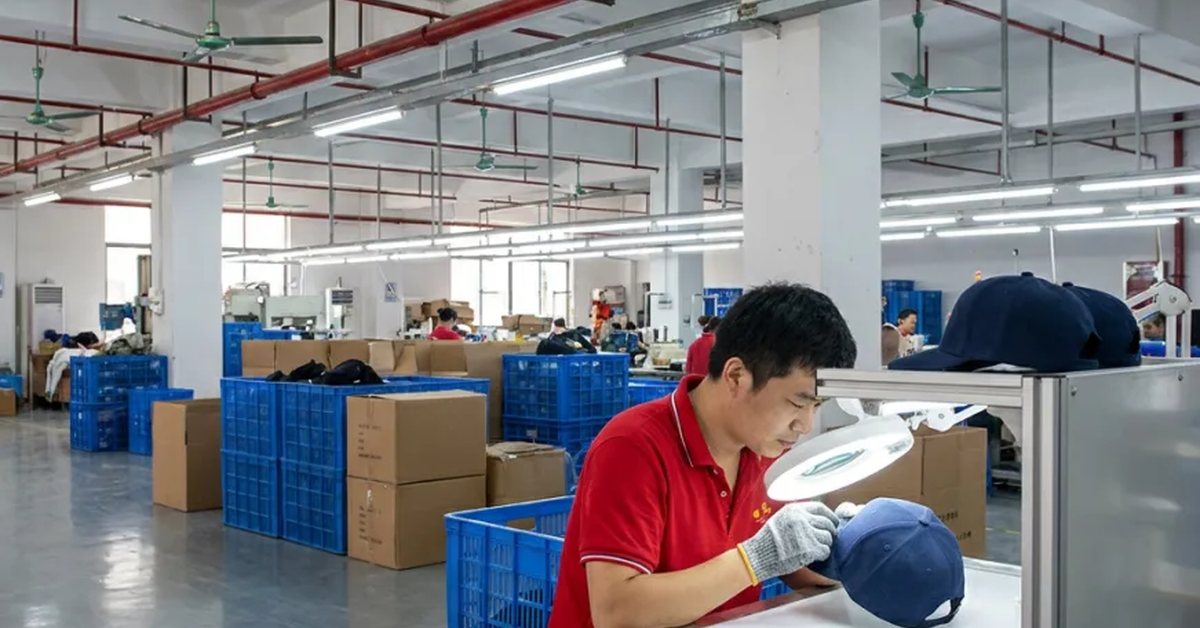
The notes supplied here indicate customization support for materials, colors, logos, and designs, plus a monthly capacity of about 120,000–150,000 pieces and a team of more than 100 skilled workers. Those figures suggest a factory built for commercial-volume headwear programs rather than one-off artisan production. That is helpful, but buyers still need to ask practical questions.
Start with construction. Is the front panel fully structured? What is the closure style at the back? The closure type was not provided, and it can affect fit, styling, and even packaging. Then ask how the logo patch is made. Is it embroidered, printed, woven, or appliqued? The answer changes the look of the cap and the acceptable artwork complexity.
It is also wise to ask about sample approval stages. On custom headwear, a good supplier should be able to show a pre-production sample or a close production reference before the full run starts. Without that checkpoint, small errors in patch position or crown shape can become a warehouse problem later.
Materials and build: why the visible details matter
The cap body appears to use a fabric main body with black mesh side inserts, likely from polyester or a similar synthetic blend. That is a common and sensible choice for this product category. Synthetic blends are usually easier to keep consistent at scale, and mesh inserts improve airflow in a way customers can feel immediately.
Still, buyers should not overread appearance as specification. A cap that looks sturdy on screen may behave differently in hand if the crown is too soft, the brim too flexible, or the seams too light. For that reason, request a sample and inspect three things in particular: how the front panel holds its shape, whether the brim keeps a clean curve, and whether the mesh is balanced with the main fabric rather than stitched in a way that puckers.
There is also a subtle point here about finish. Matte solids often photograph well and work across different brand styles, but they can expose stitching irregularities more clearly than busier fabrics. That is not necessarily a drawback. It just means the factory needs to be consistent.
Where custom baseball caps are used in the market
This style shows up in more places than many buyers realize. In retail, it fits casual and streetwear assortments. In events, it is a staple giveaway because it has enough surface area for branding and enough utility to get worn after the event. In team programs, the shape is familiar and uncomplicated, which reduces complaints from recipients. In branded merchandise programs, it works as a walking billboard without feeling too corporate.
The export profile in the notes—Europe, North America, and Australia—also matters. Those markets tend to be sensitive to finish quality and brand presentation. Buyers there often care less about whether a cap is novel and more about whether it looks deliberate, wears comfortably, and arrives consistently packed.
Common mistakes when sourcing custom headwear
One mistake is assuming all logo treatments behave the same way. They do not. A patch can make a cap look premium, but if the border is sloppy or the placement is off-center, the whole product feels cheaper than a plain embroidered cap.
Another mistake is focusing only on price per piece. That is usually the fastest route to disappointment in headwear. A low unit price can hide weak stitching, uneven crown shape, or inconsistent mesh panels. For a Custom Baseball cap program, the total cost of a bad run is not just the replacement order. It is the lost trust when customers or end users see a product that does not match the brand standard.
Buyers also sometimes skip a basic fit review. Even when the size range and back closure are not fully specified, you should still make sure the cap suits the intended user group. A promotional cap and a retail cap may look similar on a product sheet, but they do not always feel the same on the head.
Practical buying advice for sourcing managers and product teams
If you are building a custom headwear program, treat this cap as a branding surface first and a commodity second. That means confirming artwork early, requesting a physical sample, and checking whether the factory can maintain the same shape across repeat orders.
For larger programs, ask about capacity in relation to your calendar, not just in isolation. A factory that can produce 120,000–150,000 pieces per month may still need scheduling discipline if you want a seasonal launch to land on time. Capacity is useful, but it is not a substitute for clear communication and approved specs.
It also helps to think in collections. The same base cap can sometimes be adapted into multiple colorways or logo variants for different channels: retail, staff issue, events, and wholesale. That approach can simplify development while keeping the line visually coherent.
FAQs buyers usually ask
Is this style more promotional or retail?
It can serve both, but the logo method and finish will decide where it lands. Patch quality and shape consistency push it toward retail. Simplicity and volume push it toward promotions.
Can the design be changed?
Based on the supplied notes, customization support is available for materials, colors, logos, and designs. The exact scope should still be confirmed with the supplier.
What should I verify before placing a bulk order?
Confirm the front decoration method, closure style, fabric details, sample approval process, and the final color standard. These are the points most likely to cause mismatches later.
A sensible next step
If you are evaluating a Custom Baseball cap for merchandising, retail, or promotional use, start with a sample that reflects the final logo method and front-panel structure. Then compare it against your brand standard, not just against the supplier photo. A cap can look straightforward in a catalog and still fail when the crown feels flimsy or the patch sits awkwardly.
For sourcing teams, the right supplier is the one that can keep the style repeatable while giving you enough room to customize the brand details. That balance is what turns a basic cap into a dependable product line.