

Sourcing OEM Hats Wholesale: A Technical Guide for Apparel Brands and Sourcing Teams
For private-label streetwear brands, athletic clubs, and corporate merchandise programs, sourcing OEM hats wholesale represents the divide between generic promotional blanks and true retail-grade headwear. Off-the-shelf caps customized via post-production direct embroidery often suffer from placement constraints, visible hoop marks, and limited panel aesthetics. Building a cap from the ground up through cut-and-sew manufacturing allows brand teams to dictate crown geometry, visor curvature, contrast seam stitching, and composite branding before the panels are joined.
However, entering an OEM contract requires a clear understanding of headwear construction. When you commission an OEM hat manufacturer, you are responsible for providing clear technical specifications—or at least knowing the mechanical variables that differentiate a floppy promotional cap from a dense, structured six-panel snapback. This guide details how to build an actionable tech pack, navigate decoration tolerances, and evaluate headwear factories effectively.
OEM vs. ODM Headwear: Which Model Fits Your Product Strategy?
Before issuing requests for quotation (RFQs), buyers should clarify their design ownership and timeline requirements. Factories typically operate on two distinct contract models:
- OEM (Original Equipment Manufacturer): You supply the precise pattern files, bill of materials (BOM), stitch densities, closure hardware, and custom-dyed fabrics. The custom cap manufacturer executes your proprietary silhouette. This is the preferred route for retail apparel lines seeking distinct crown profiles (such as an ultra-high structured crown or unique panel proportions).
- ODM (Original Design Manufacturer): The factory offers pre-developed, standardized silhouettes (such as an existing six-panel flat-brim profile). You select their standard crown block, visor length, and in-stock fabrics, then apply your proprietary graphics. Opting for ODM hats wholesale significantly compresses pre-production sampling lead times, making it ideal for event merchandising or quick-turn lifestyle collections.
Deconstructing the Cap: Key Engineering Specifications
Whether you work with an independent custom hat manufacturer or a scaled wholesale headwear supplier, your tech pack must address specific structural zones:
1. Crown Architecture and Internal Support
Caps broadly fall into structured or unstructured profiles. For modern baseball-style and streetwear caps, a structured crown is standard. This structure is achieved by fusing a layer of stiffened buckram (typically a woven mesh coated with starch or synthetic resin) to the reverse side of the front two panels prior to assembly. If your brand demands a crisp, upright front silhouette that does not collapse when displayed on a retail shelf, you must specify a fused buckram front.
2. Fabric Substrates and Surface Textures
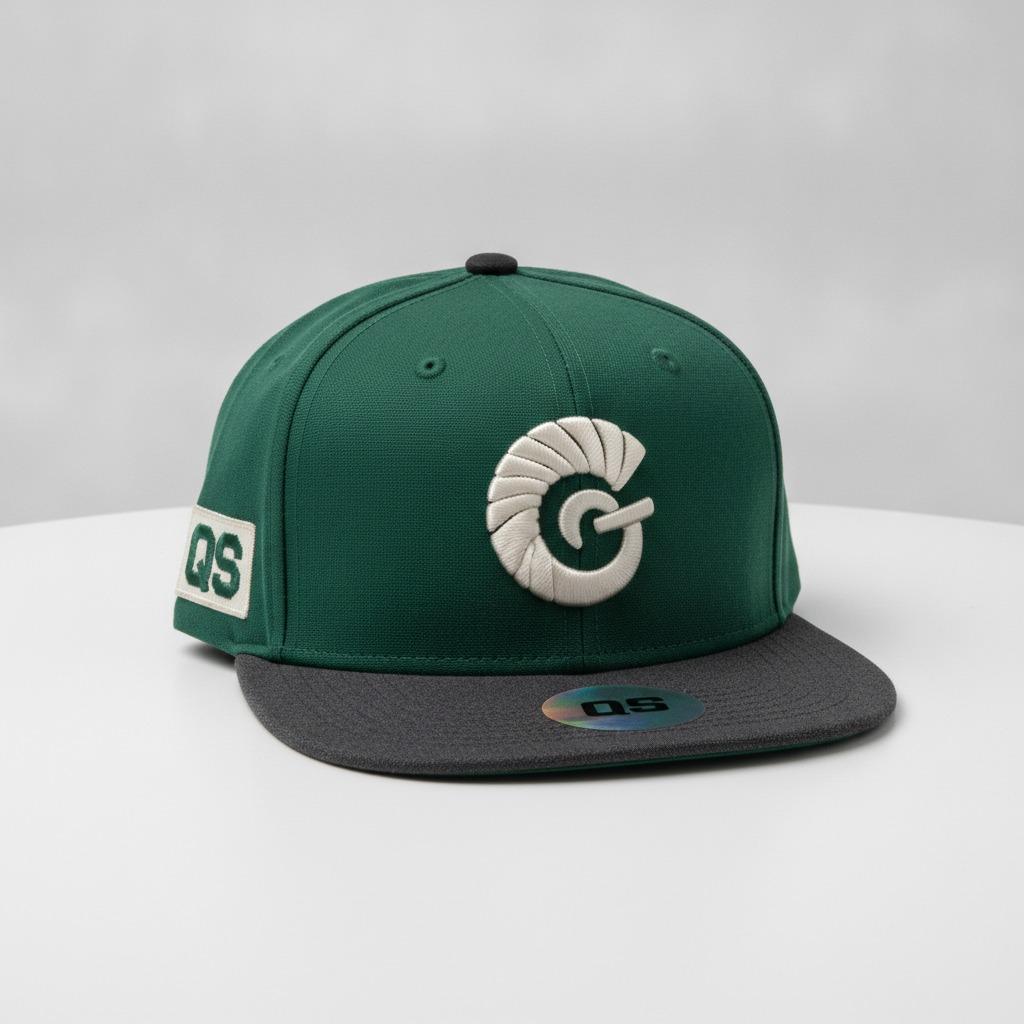
Most structured street and team caps utilize medium-to-heavyweight woven textiles—commonly cotton twill, acrylic-wool blends, or poly-twill blends with visible diagonal ribbing. Acrylic blends offer excellent shape retention and high colorfastness for rich, solid colors like deep forest greens, earthy brown crowns, or pitch-black visors. If breathability is a concern, specify sewn ventilation eyelets on each panel; ensure your specification requires clean interior thread trimming so raw threads do not snag the wearer’s hair.
3. Visor Anatomy and Stitching Rows
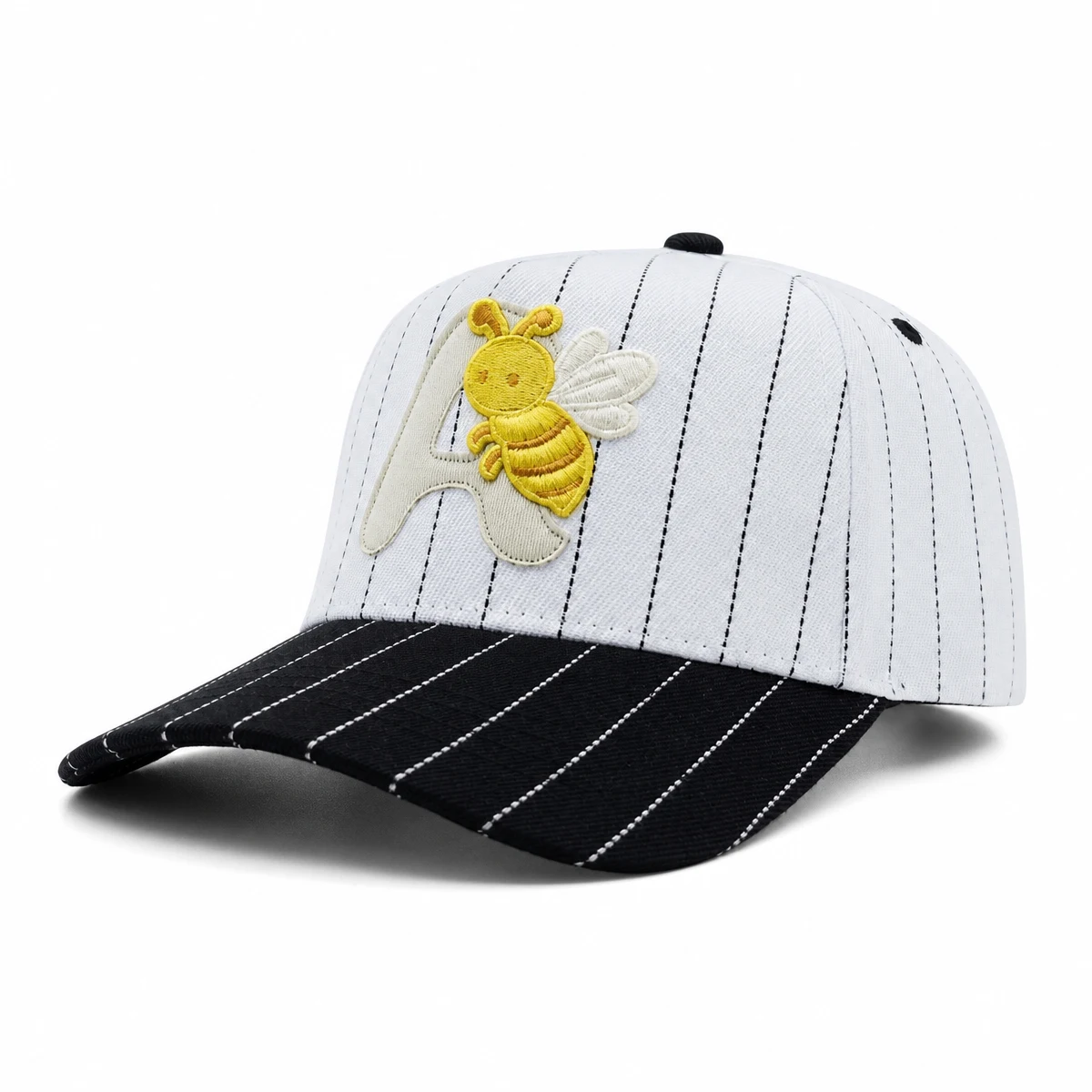
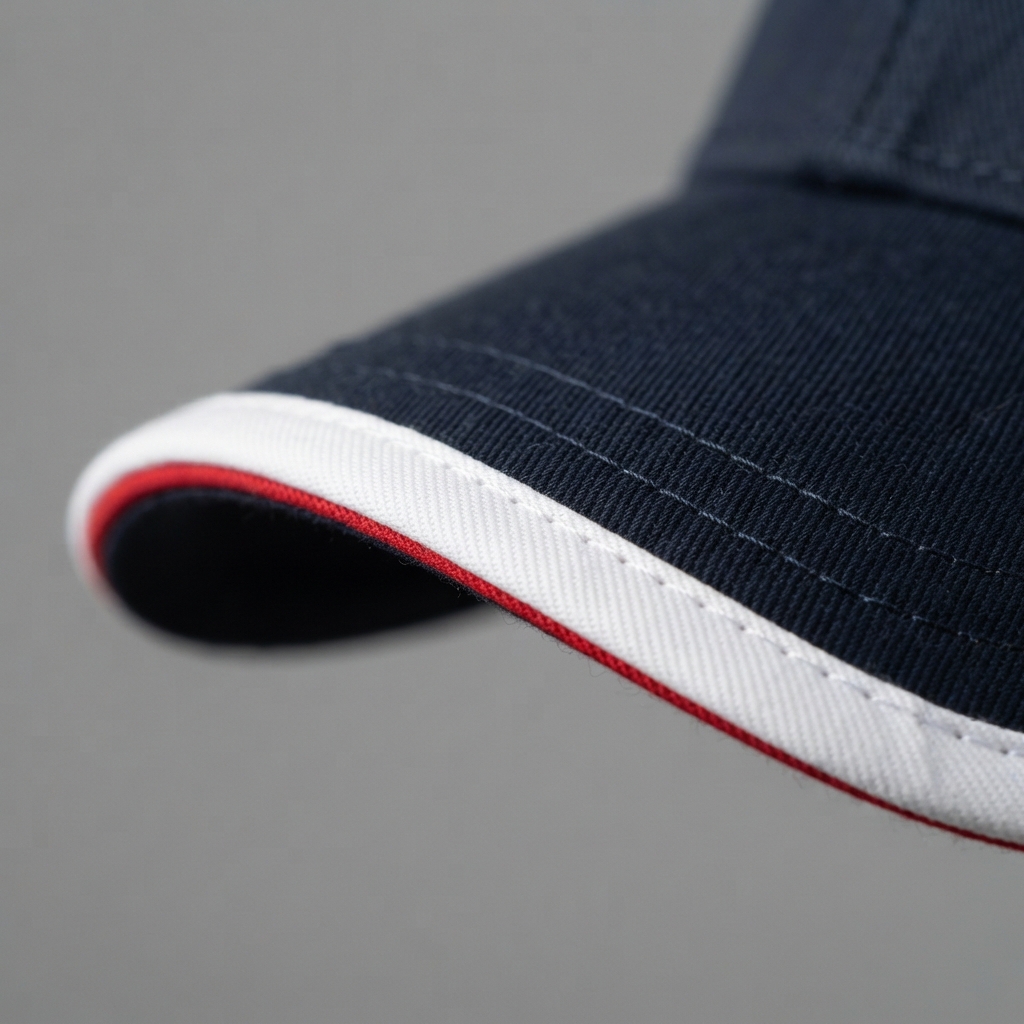
Visor inserts are typically molded from low-density polyethylene (LDPE) or compressed cellulose board. Flat-brim styles require a rigid, uniform core that resists warping during packing. In contrast color-blocked styles—for example, pairing a dark brown crown with a black flat visor—the visor fabric is cut and secured with multiple parallel rows of top-stitching. These stitch rows are functional, not just decorative: they bind the upper fabric, internal board, and under-visor fabric together to prevent bubbling over time.
Front and Secondary Decoration Methods
When producing wholesale custom hats, applying graphics during panel production offers superior precision compared to decorating assembled caps.
| Decoration Type | Visual Character | Best Applications | Production Considerations |
|---|---|---|---|
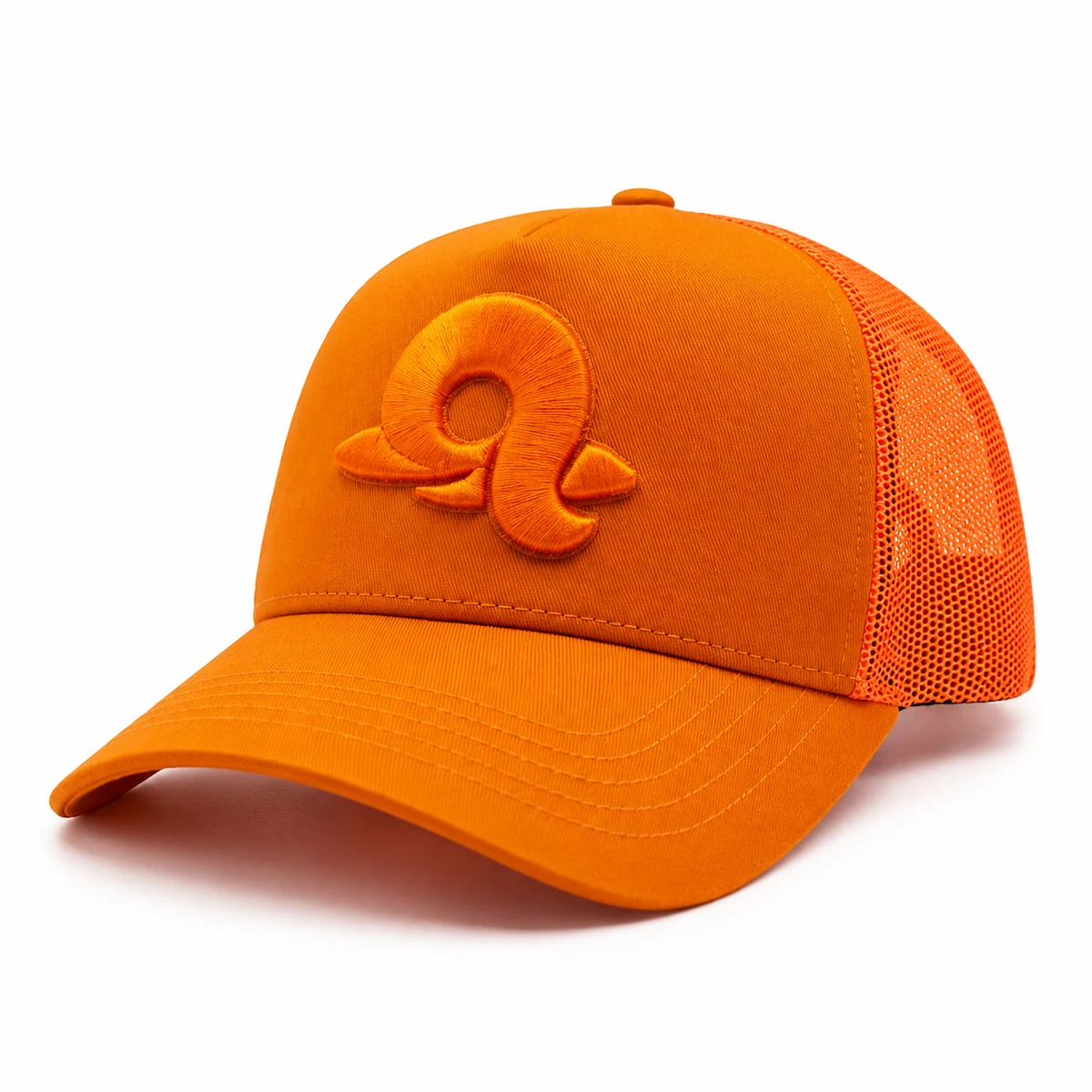
| 3D Puff (Raised) Embroidery | Substantial physical relief (typically 2mm–3mm EVA foam underlay). | Monograms, bold front crests, primary team logos. | Requires minimum stroke widths; intricate details will bleed or distort over foam. |
| Molded Rubber / PVC Patch | Sleek, architectural, sharp definition with matte or semi-gloss finish. | Technical apparel, modern streetwear, water-resistant applications. | Requires dedicated mold tooling; must specify an edge-stitch channel for clean attachment. |
| Woven Side Label / Micro-Patch | Fine thread count showing small typography or secondary acronyms (e.g., temple marks). | Secondary brand accents, collection tags, authenticity badges. | Directly sewn flat into the crown seam or applied to side panels with a marrowed or satin-stitched border. |
Four Pitfalls to Avoid in Custom Headwear Sourcing
Experienced buyers know that minor miscommunications with a wholesale hat supplier can ruin an entire production lot. Watch for these common issues during sample approval:
- Center-Seam Misalignment: On six-panel caps, the vertical center seam runs directly behind the primary logo. If the digitizer does not compensate for needle pull on structured buckram, high-density thread work can cause the center seam to pucker or twist.
- Dye-Lot Discrepancies on Multi-Tone Caps: When specifying contrasting components (e.g., black visor, black top button, and colored crown panels), verify that synthetic hardware and natural fibers are color-matched under controlled D65 retail lighting. Top buttons covered in fabric from a different bolt often exhibit metamerism—matching in daylight but clashing under store LEDs.
- Sweatband Tension and Sizing Drift: A sweatband sewn with uneven feed tension will cause the lower edge of the crown to scallop inward, creating fit pressure points for the wearer. Request a cross-section review of sweatband batting and seam cover tapes during proto-sample inspection.
- Inadequate Visor Core Rigidity: Cheaper recycled cardboard inserts collapse or split when exposed to moisture or humidity during oceanic freight. Always mandate virgin plastic cores for flat-brim styles.
Buyer Checklist for Sample Approval
When working with a custom headwear manufacturer, do not issue bulk production deposits based on digital renderings. Run through this physical quality control protocol upon receiving your pre-production sample (PPS):
- Symmetry Check: Place the cap on a flat surface. Check whether the front embroidery is dead-centered over the vertical seam and whether the visor aligns symmetrically with the crown axis.
- Pucker Resistance: Flex the front two structured panels. The buckram should spring back without delaminating from the face fabric or creating permanent crease marks around dense thread boundaries.
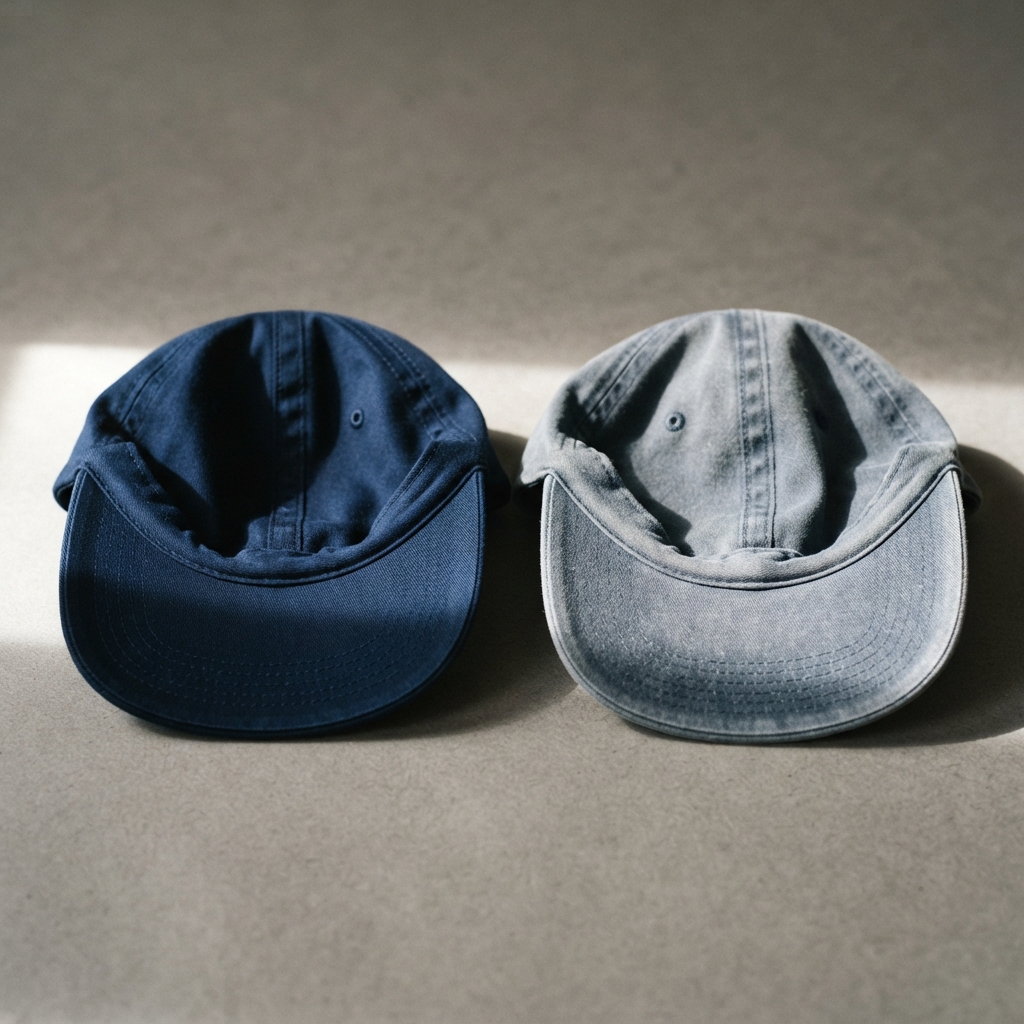
- Seam Tape Finishing: Turn the cap inside out. The internal tape bindings covering panel seams should be folded flat, without exposed raw edges, and should terminate neatly under the sweatband.
- Hardware Attachment: Test the top button with moderate pull force to ensure the prong anchor inside the cap is securely riveted and does not rock against the crown apex.
Frequently Asked Questions
What is the standard lead time for OEM hats wholesale?
Sampling generally takes 10 to 20 business days depending on mold creation for custom patches or digitizing complexity. Bulk cut-and-sew production typically spans 30 to 50 days post-sample signoff, excluding transit time.
Can we source sustainable fabrics through a custom cap manufacturer?
Yes. Most export-ready suppliers offer certified recycled polyester (rPET) twills, organic cotton canvas, and recycled plastic brim inserts. Ensure your bill of materials explicitly requests third-party fiber tracking documentation if retail sustainability claims are planned.
What is the difference between flat-brim and curved-visor patterns?
Beyond the curvature of the insert, the front crown panels for flat-brim caps are cut slightly more upright (at a steeper angle) to support the street profile. Converting a flat-brim spec into a curved style requires adjusting the front panel arch to prevent fabric puckering above the brow.
Next Steps for Your Sourcing Project
Securing high-yield production starts with a comprehensive tech pack. Before contacting a headwear factory, finalize your vector artwork with exact dimensional callouts, determine your target crown height and structural backing, and outline your closure hardware preferences. Request a pre-production sample to evaluate panel tension and embroidery clarity firsthand before issuing a purchase order for commercial volume.