

A waterproof hat keeps rain out through three things working together: a shell fabric with a measurable hydrostatic head, sealed seams and a construction that sheds water away from the face and neck. A water-resistant finish alone is not the same claim. This guide explains what the ratings mean, how the tests work and which details buyers should lock before a bulk order.
What Does "Waterproof" Actually Mean for a Hat?
Waterproof is a performance claim, not a fabric description. In textiles it is usually expressed as hydrostatic head: the height of a water column a fabric can support before water penetrates it. The test is defined in ISO 811:2018, which specifies a hydrostatic pressure method for determining a fabric's resistance to water penetration, and in the equivalent AATCC method.
A higher number means the fabric resists more pressure. That matters for a hat because rain does not just fall on it; it runs down the crown, pools on the brim and is pressed against the fabric by wind.
Water-resistant is a weaker claim. It usually means the fabric sheds light rain or stops water for a short time, often because of a durable water repellent (DWR) finish on the surface. Waterproof requires the fabric, the coating or membrane and the seams to resist penetration under pressure.
Waterproof vs Water-Resistant vs Quick-Dry
| Claim | What it means | Typical use | What to ask for |
|---|---|---|---|
| Waterproof | Fabric resists water under pressure; seams sealed | Sustained rain, marine, workwear | Hydrostatic head result, seam tape specification |
| Water-resistant | Sheds light rain or brief exposure | Commuting, light showers, fashion | DWR type and wash durability |
| Quick-dry | Wet fabric dries fast; does not resist pressure | Sport, humid climates, packing | Drying time test and fibre content |
These are three different promises. A quick-dry cap can be excellent in heat and useless in a downpour, while a water resistant hat handles a short shower and then wets through. A proper rain hat has to hold up to sustained pressure, and a waterproof hat for marine use has to do it with salt spray as well as rain.
The Three Layers That Decide Performance
1. The shell fabric. Dense woven synthetics such as nylon and polyester provide the base. A tight weave resists water longer than a loose one, and ripstop structures add tear strength where the hat will be folded and packed.
2. The coating or membrane. A polyurethane or similar coating, or a laminated membrane, raises the hydrostatic head. Coatings are cheaper and heavier; membranes are thinner and more expensive. Both need a DWR on the outer face so water beads and does not saturate the surface.
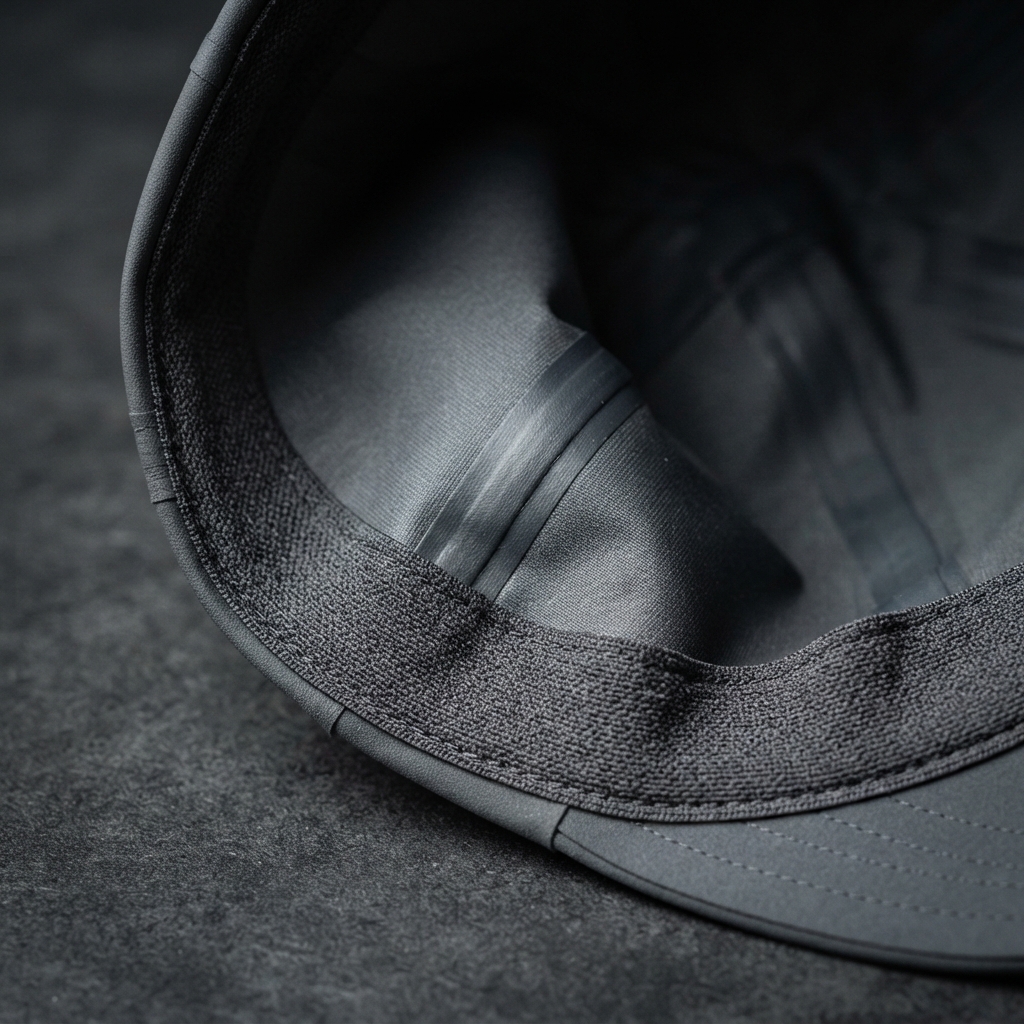
3. Seam sealing. This is where most "waterproof" hats fail. Every stitch line is a row of holes. Taped or welded seams close them; untreated seams leak even when the fabric passes the lab test.
Add the design layer: a brim that projects water away from the face, a crown that does not channel rain into the neck, and a sweatband that does not act as a wick. A waterproof shell with a soaking sweatband still feels wet.
Reading a Hydrostatic Head Rating
Outdoor brands commonly describe performance in bands like these. They are industry conventions rather than a legal definition, and the test method and sample preparation matter as much as the number.
| Hydrostatic head | Common interpretation | Suitable for |
|---|---|---|
| Up to 1,000 mm | Water-resistant, light drizzle | Urban, short exposure |
| 1,000–5,000 mm | Light to moderate rain | Commuting, general outdoor |
| 5,000–10,000 mm | Moderate to sustained rain | Hiking, fishing, workwear |
| 10,000–20,000 mm | Heavy or prolonged rain | Marine, expedition, industrial |
| Above 20,000 mm | High-pressure protection | Specialist and extreme use |
Do not buy a number in isolation. A 5,000 mm fabric with taped seams will outperform a 15,000 mm fabric with open seams in real rain. For most hiking and fishing programmes, a 5000mm waterproof shell with sealed seams is a sensible starting point; marine and industrial use usually justify 10,000 mm or more. If the shell also has to breathe, our guide to performance cap fabrics and fit explains how fabric weight and ventilation interact.
Why a "Waterproof" Hat Still Leaks
Six failure points explain most complaints.
- Unsealed seams. Needle holes along the crown and brim are the most common path for water.
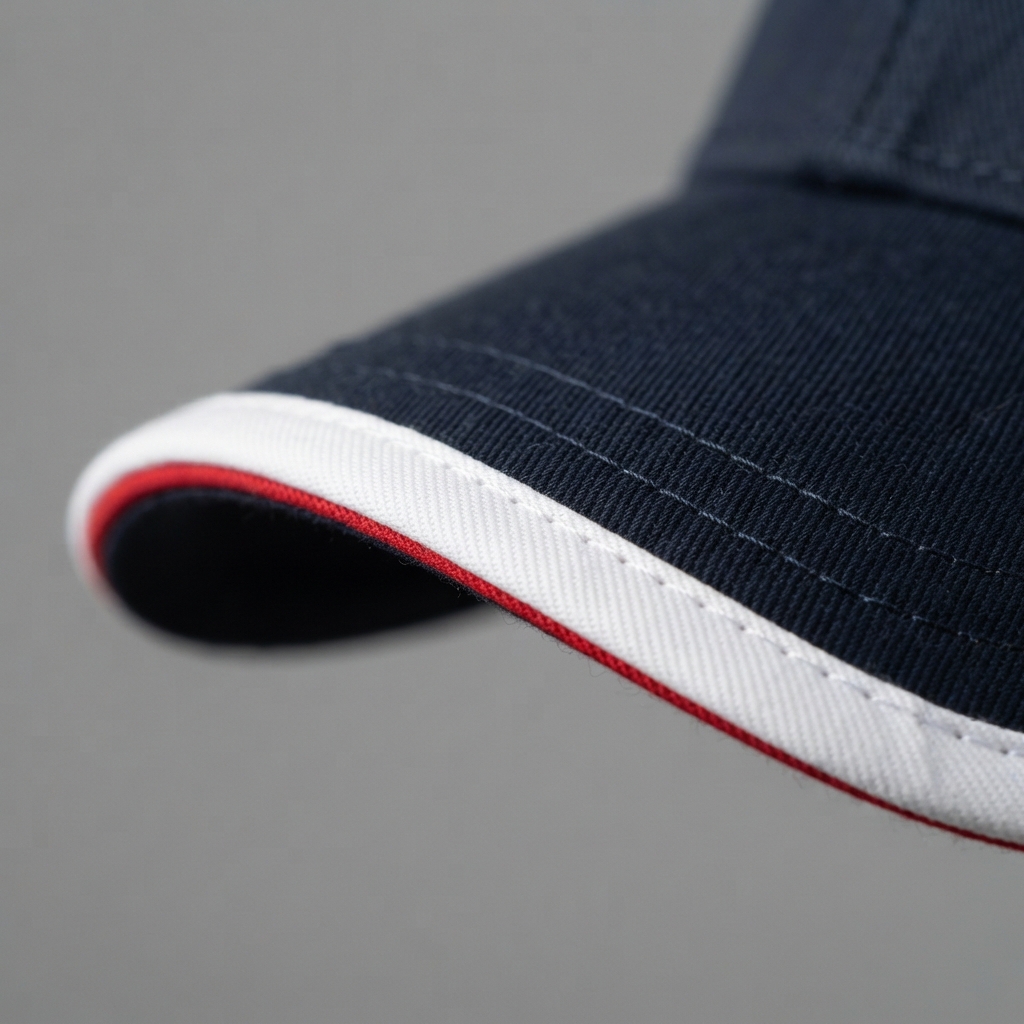
- Brim construction. A brim made from two layers stitched together can wick water inward along the thread.
- Saturated DWR. Once the surface wets out, the fabric stops breathing and feels clammy even if it does not leak.
- Sweat. Condensation inside a non-breathable hat is often mistaken for a leak.
- Wicking trims. Cotton sweatbands and untreated labels pull water toward the skin.
- Age and washing. Repeated washing and abrasion reduce DWR performance; the membrane or coating may still be intact.
How to Specify a Waterproof Hat
A waterproof hat manufacturer should be able to quote fabric, coating, seam treatment and test evidence as one package. Write each line into the tech pack so nothing is left to assumption.
| Parameter | What to write in the tech pack |
|---|---|
| Shell fabric | Fibre, weave, weight, colour, ripstop or plain |
| Waterproof performance | Required hydrostatic head, test method, sample size |
| Coating or membrane | Type, location, minimum performance after wash |
| Seams | Taped, welded or untreated; tape width and coverage |
| DWR | Type, target spray rating, wash durability |
| Brim | Width, stiffness, edge finish, drainage path |
| Sweatband | Non-wicking or moisture-moving material, width |
| Ventilation | Position and whether vents are protected from rain |
| Hardware | Rust-resistant eyelets, cord locks, chin strap |
| Care | Wash instructions and DWR reactivation method |
For workwear and uniform programmes, add fit, visibility and laundering requirements to the same file; our workwear cap specification guide covers those decisions alongside weather protection.
Testing and Evidence: ISO 811 and AATCC 127
Both ISO 811 and AATCC TM127 measure resistance to water penetration under increasing hydrostatic pressure. The result is normally reported as the pressure at which the third drop penetrates, converted to millimetres or centimetres of water column.
Three practical points for buyers. First, the report must name the exact fabric, colour and finish, because coatings change performance. Second, ask whether the sample was washed before testing; a finish that fails after five washes is not a bulk-ready specification. Third, keep the report with the production lot so a reorder can be compared against the original.
The test measures fabric, not the finished hat. Seam sealing, brim construction and trims have to be verified on the assembled product, which is why a finished-garment rain test or a wear trial belongs in the approval file.
Care and Durability
A waterproof hat is a maintained product. Dirt and body oils mask the DWR, and ordinary detergent residues can reduce it further. Specify a care label that tells the wearer how to clean the shell and how to reactivate the finish, usually with heat according to the coating supplier's instructions.
For workwear and rental programmes, ask for a wash-cycle specification and test the hat after the expected number of cycles, not just once. A hat that is waterproof on day one and absorbs water after ten washes will generate returns.
Five Common Mistakes
- Buying a hydrostatic head number without seam sealing. The number describes fabric, not the finished hat.
- Confusing quick-dry with waterproof. They solve opposite problems.
- Using a cotton sweatband. It wicks water to the forehead and feels like a leak.
- Ignoring breathability. A fully waterproof, non-breathable hat traps condensation.
- Not testing after washing. DWR performance drops before the membrane fails.
Our Outdoor Hat Range
Our outdoor and adventure hat range covers boonie hats with adjustable chin straps and structured outdoor caps with detachable or integrated neck flaps, built with wide brims, ventilation panels and lightweight breathable construction. Ripstop, nylon, cotton blends and recycled fabrics are available through ODM development, and the range is positioned for hiking, fishing, safari and camping use.
To be precise about the claim: that range is described around sun protection, breathability and quick-dry comfort, not around a stated hydrostatic head. If your programme needs a waterproof hat, treat waterproofing as a separate specification — fabric, coating or membrane, taped seams and a wash-durable DWR — and ask us to quote that construction rather than assuming it from a sun-protection product page.
Frequently Asked Questions
What hydrostatic head makes a hat waterproof?
There is no single legal threshold. In practice, outdoor brands often treat around 1,000 mm as the entry point for water resistance and 5,000 mm or more for sustained rain. The test method, seam sealing and construction decide whether the finished hat performs to that number.
Is water-resistant the same as waterproof?
No. Water-resistant means the fabric sheds light rain or delays penetration, often through a surface finish. Waterproof means the fabric resists water under pressure and the seams are sealed. The two claims need different evidence.
Do taped seams really matter?
Yes. Stitching creates thousands of needle holes along every seam. Without tape or welding, water follows those holes even when the fabric itself passes a high hydrostatic test. Seam sealing is often the difference between a dry hat and a wet one.
Can a waterproof hat still be breathable?
Yes, with a membrane or a coating that allows vapour to pass while blocking liquid water. Breathability is limited in a small, close-fitting hat, so ventilation openings and a sweatband that moves moisture matter alongside the membrane.
How do I test a waterproof hat before bulk?
Start with the fabric test report under ISO 811 or AATCC 127, then test the assembled hat: a simulated rain spray, a wear trial and a wash cycle. Check the seams, brim edge and sweatband, which are the parts most likely to fail first.
Why does my waterproof hat feel wet inside?
Usually condensation rather than a leak. A non-breathable shell traps vapour from sweat, and a cotton band makes it worse. Check whether the dampness is spread evenly across the crown or concentrated along a seam, which would point to a leak.
Does washing destroy waterproofing?
It can reduce the DWR finish, even when the membrane is intact. Follow the care label, avoid fabric softener and reactivate the finish as the supplier specifies. Test after the number of washes the product is expected to survive.
Conclusion
Waterproof is a chain, not a single fabric: a tested shell, a coating or membrane, sealed seams and a construction that keeps water away from the skin. Specify each link and test the assembled hat, not just the cloth. If you are building a rain hat or marine headwear programme, send the performance requirement through our contact page and we will review the construction options with you.