

A custom bucket hat manufacturer needs to control the relationship between crown shape, brim width, fabric weight, seam construction, topstitching, decoration and pack-out. The relaxed silhouette can look simple, yet small changes in brim stiffness or crown height alter the way the hat sits and how a logo is seen. A written brief protects the product from silent substitutions.
This guide is for fashion labels, festival and event buyers, outdoor brands, retailers and promotional teams deciding between a standard bucket shape, a reversible design or a more technical construction.
Define the Bucket Hat Shape
| Design point | Why it matters | What to specify |
|---|---|---|
| Crown height | Controls fit, proportion and slouch | Front/back and side measurements |
| Brim width | Changes shade, drape and visual balance | Finished width and stiffness |
| Brim angle | Changes the style from soft to structured | Profile reference and tolerance |
| Seam layout | Affects durability and visible design lines | Panel count, stitch count and thread |
| Fit range | Determines comfort and sell-through | Head circumference and size labels |
Do not rely on the phrase one size fits most without defining the measurement range. Ask whether the sample is measured relaxed, worn or stretched, and keep one approved measurement sheet for bulk.
Select Fabric for Drape and Use
Cotton twill and canvas create familiar lifestyle bucket hats. Nylon and polyester can suit outdoor or quick-dry programs. Denim, corduroy, suede-look and blended fabrics create different fashion positions. Fabric weight, weave, finish and color fastness influence how the crown collapses, how the brim holds shape and how the decoration looks.
Confirm composition, weight, color standard, finishing and stock status. If a buyer requests recycled or organic content, ask for the documentation applicable to the chosen material and order. A broad environmental phrase should not replace an order-specific material record.
Decide Between One-Sided and Reversible Construction
A reversible bucket hat is effectively two coordinated products joined into one. The factory must control both faces, seam finishing, label visibility, brim shape and color matching. A single-sided hat may offer more room for a lining, sweatband or internal label. Decide which features are essential before comparing prices.
For reversible styles, specify whether the two sides have different fabrics, decoration or care instructions. Confirm how the seam is finished and whether the product remains comfortable when either side is worn. Sample both wearing orientations, not only the side shown in the product photograph.
Plan Decoration Around Curved Panels
Embroidery, woven patches, screen printing, heat transfer and sublimation behave differently on a curved crown or flexible brim. Place artwork away from seams when possible and define the distance from the crown edge. A large print may distort on a curved panel, while a dense patch may make the fabric feel stiff.
Provide vector artwork, finished dimensions, colors, technique preference and placement views. Ask for a proof and record the approved logo version. If the design is intended for both sides, identify whether size and orientation are identical.
Inspect Brim, Stitching and Symmetry
- Compare brim width at several points around the hat.
- Check the crown for balanced height and clean panel joins.
- Inspect topstitching for consistent spacing and tension.
- Review eyelets, chin cords, labels and hardware when included.
- Check decoration position against seams and approved dimensions.
- Wear-test comfort, visibility and shape recovery.
Record photos from front, side, top and inside views. The approved sample should state the accepted brim curve, crown shape, materials, artwork, labels and pack-out. This gives the custom bucket hat manufacturer a production reference that can be inspected later.
Ask About Testing and Quality Control
Clarify which material, color, seam, measurement and workmanship checks happen before shipment. For outdoor programs, ask whether water repellency, color fastness, seam strength or other performance testing is required. For retail programs, check labels, care instructions, barcode placement and carton packing.
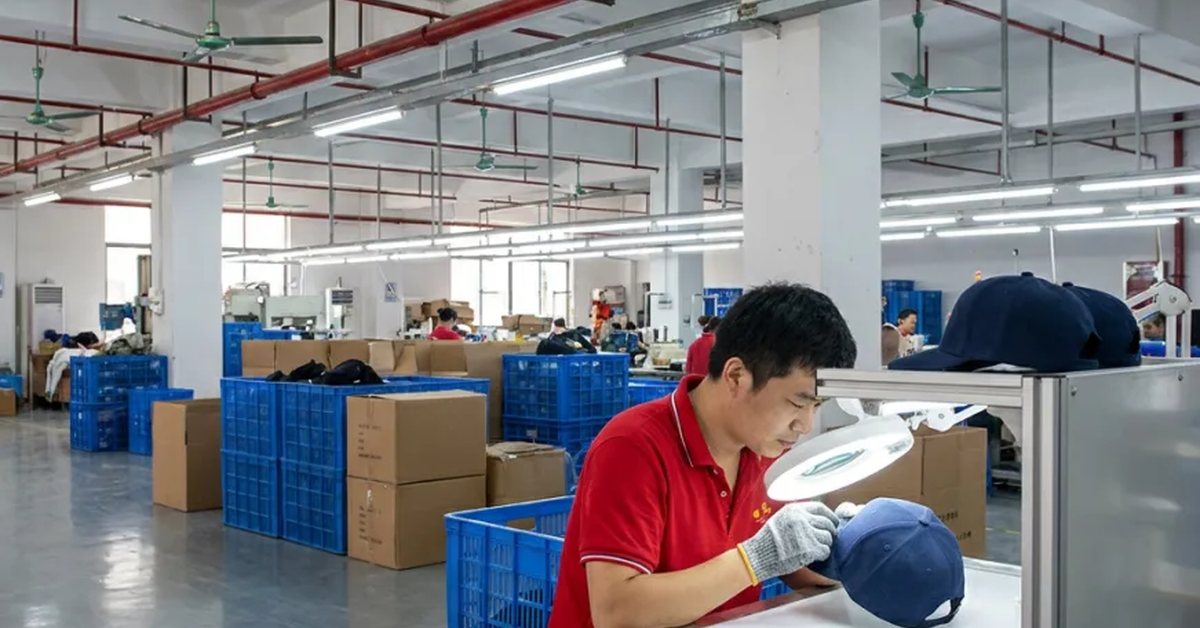
QSHeadwear describes a multi-stage quality system covering incoming materials, pre-production samples, in-line monitoring, workmanship and dimensional checks, final AQL 2.5 inspection and packing checks. Request the inspection scope and defect response for the specific hat.
Plan Quantity, Sampling and Delivery
MOQ may change with fabric, color, reversible construction, decoration, labels and packaging. Ask for quantity breaks by style and color, not only a total program number. A first order can be simplified by using available fabric and one controlled decoration method, then expanded after the fit and demand are proven.
QSHeadwear states that physical samples are typically completed in 3-5 business days after requirements are aligned; bulk timing depends on quantity, materials and complexity. Build a calendar that includes approval, material readiness, cutting, sewing, decoration, inspection, packing and freight.
Compare the Full Landed Cost
Request separate lines for pattern work, samples, decoration setup, labels, packaging, inspection, cartons, freight and destination charges. Confirm the trade term and what happens if the brim, fabric or decoration changes after approval. A quote that appears cheaper can omit packing or assume a simpler construction.
Use one comparison sheet for all suppliers. The sheet should show product assumptions, quantity split, inclusions, exclusions, quote validity, payment terms and schedule.
Score Capability With the Same Brief
Give each finalist the same crown and brim measurements, fabric direction, artwork, quantity matrix, packaging plan and destination. Score the technical response, sample accuracy, sewing quality, decoration, quality controls, capacity, communication and commercial clarity. Define disqualifying failures before the scores are added.
A custom bucket hat manufacturer should explain how a change in brim stiffness, fabric or reversible construction affects cost, sampling and delivery. A supplier that identifies those dependencies is easier to manage than one that simply promises a date.
Use Milestones Instead of One Delivery Promise
Build a calendar from required receipt date backward through transit, export handling, final inspection, packing, sewing, cutting, material readiness, sample approval and artwork release. Add decision buffer around color, labels and packaging. State whether the quoted date means ex-factory, port departure or buyer receipt.
Request weekly updates with quantities completed and accepted, open decisions, owners and revised dates. If a critical milestone slips, require a written recovery plan rather than compressing inspection at the end.
Review Shape and Packing After Delivery
Inspect received cartons for label accuracy, moisture protection, compression and count. Sample hats from different cartons and compare crown shape, brim curve, stitching, decoration and measurements with the approved reference. Record variation by color or production lot.
Use the receiving report to improve the next order. The best supplier relationship is based on defect trends, on-time performance, communication, landed cost and how quickly corrective action was closed.
Define Non-Negotiable Bucket Hat Requirements
Before selecting a supplier, list the requirements that cannot be traded away: head-size range, brim measurement, fabric composition, logo position, reversible functionality, safety feature, packaging label or delivery date. A supplier should pass these gates before weighted scores are compared.
Keep the approved sample, technical sheet, artwork and inspection record together. This gives the factory partner and the buyer the same reference when a later colorway or repeat order is discussed.
Turn Receiving Results Into the Next Brief
After delivery, compare the planned and actual crown shape, brim curve, measurement tolerance, decoration, carton count, defects and transit condition. Note which issues came from the specification, production, packing or logistics. Share a concise corrective-action report before the next order is quoted.
Keep the receiving report with the approved sample so a later custom bucket hat manufacturer review uses measured results rather than memory.
Review QSHeadwear for Bucket Hat Development
Browse the QSHeadwear products, review the OEM/ODM process and read the company information before sending a design brief. Include crown and brim measurements, fabric, artwork, labels, packaging, quantity and destination.
Use the contact page to request a sample and quotation from a custom bucket hat manufacturer with the same inputs you use to compare other candidates.
FAQ About Custom Bucket Hat Manufacturer
1. What should a bucket hat tech pack include?
Include crown and brim measurements, fabric, seams, stitching, decoration, labels, size range, packing and delivery date.
2. Can bucket hats be reversible?
Yes, but both faces, seam finishing, labels, decoration, care and fit must be developed and approved.
3. Which fabric is suitable for bucket hats?
Cotton, canvas, denim, corduroy, polyester, nylon and blends can work depending on drape, use, season and price.
4. How do I specify brim stiffness?
Use a profile reference, construction description, finished measurement and a clear tolerance on the approved sample.
5. Can I print on a bucket hat brim?
Some techniques can work, but curvature and seam position affect artwork distortion. Request a proof and sample.
6. Is MOQ charged per color?
It may be. Confirm MOQ by style, fabric, color, decoration, labels and packaging.
7. What defects should I inspect?
Check crown symmetry, brim width, seam tension, topstitching, decoration, labels, hardware and pack-out.
8. How long does sampling take?
QSHeadwear states typical physical samples take 3-5 business days after requirements are aligned, depending on complexity.
9. Should I approve packaging separately?
Approve packaging after product dimensions and fold or stack method are confirmed so cartons and labels are accurate.
10. How do I request a bucket hat quote?
Send the complete specification, artwork, quantity by color, packaging, destination and required date through the contact page.