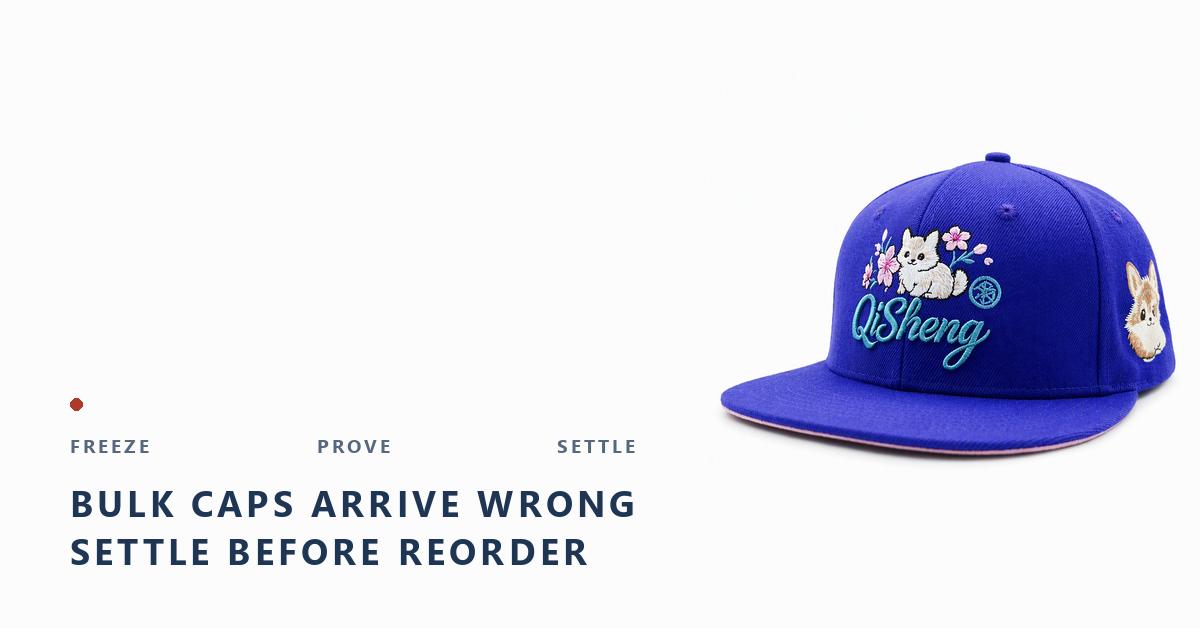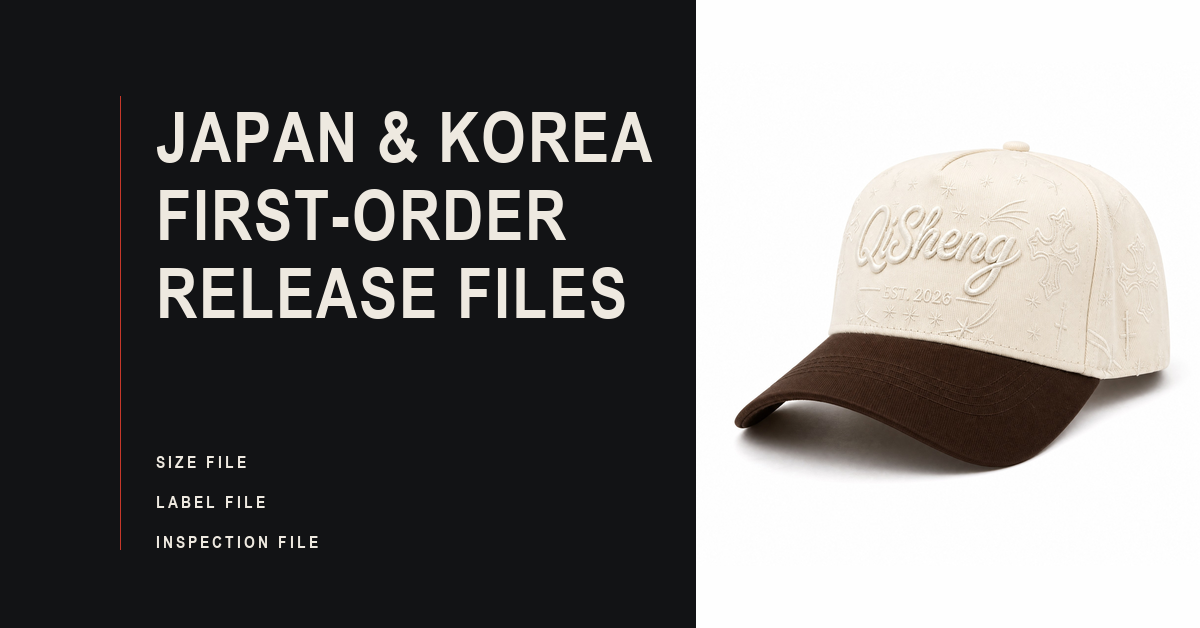


A custom cap manufacturer PP sample is the last complete product reviewed before bulk production. It should prove that the factory can combine the approved shell, pattern, construction, decoration, labels and packing instructions in one build. Yet many approvals consist of a photograph, a message saying "looks good" and a physical sample with no revision number. The sample is accepted, but nobody can say exactly what it released.
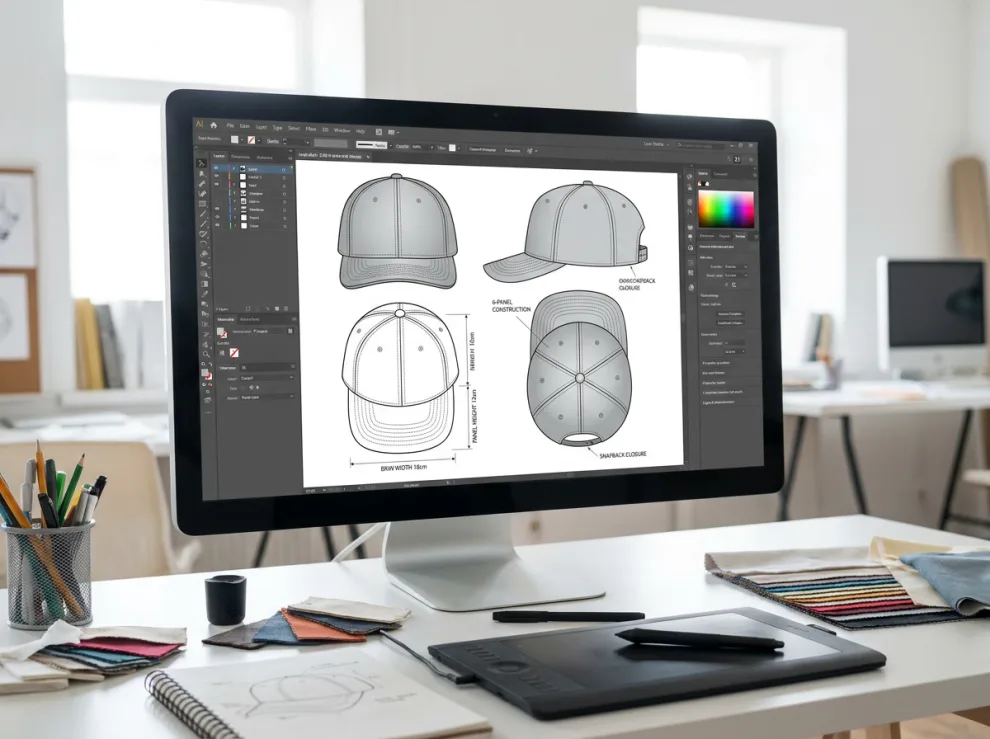
Use a PP sample release docket. The docket is a short index attached to the sample. It names the files, materials, measurements, artwork, labels, packaging, deviations and approvers that govern bulk. Approval then becomes a controlled production decision rather than a general opinion about appearance.
Define what PP means for this order
Factories and buyers use sample names differently. Write the definition on the docket: a complete unit made with bulk-intent materials, production-intent tooling and the current specification, submitted for release before the line starts. If a material or process is not production-intent, mark it openly and state what proof will replace it.
The PP sample is not always the first perfect unit. Its job is to expose the last unresolved decisions early enough to control them. A conditional approval can be valid when the condition is narrow, measurable and closed before the affected operation begins.
Give the custom cap manufacturer PP sample one identity
Attach a sample ID, style, color, size, date, sample round and docket revision. Put the same ID on the physical cap, measurement report and photographs. Do not write "final sample" without a number; another final may appear two days later.
Record who holds each signed unit. Two references are useful: one with the buyer and one sealed at the factory. If a testing sample is cut, washed or otherwise changed, it is evidence for that test and no longer the untouched appearance standard.
Build the release index
| Docket item | Required reference | Release evidence | Owner |
|---|---|---|---|
| Product identity | Style, SKU, color and size | Sample tag and order line agree | Buyer merchandising |
| Specification | Tech pack and measurement revision | Current file listed by name and date | Buyer development |
| Materials | Bill of materials and supplier lots | Bulk-intent codes or named open exception | Factory sourcing |
| Decoration | Artwork and production-file revisions | Approved sew-out, strike-off or molded piece | Buyer design plus factory technician |
| Labels | Artwork, wording and placement | Photographs on the physical PP unit | Buyer compliance |
| Packaging | Unit pack and carton instruction | Pack mock-up or approved exception | Buyer operations |
| Approval | Comments, conditions and signatures | Dated disposition for every open line | Named release owners |
Measure from named points, not visual memory
List each point of measure, target, tolerance, actual result and method. A crown height needs endpoints and a sample position. Circumference needs closure setting and tension. Visor projection needs a consistent reference from crown to edge. Photographs or diagrams should show the method.
Measure all specified sizes when the order is graded. For one-size adjustable caps, record the usable circumference range and the notch or strap positions used. One passing middle measurement does not prove fit at both ends.
Freeze the bill of materials behind the physical cap
The custom cap manufacturer PP sample should call exact material codes for shell, lining, front support, visor board, sweatband, thread, eyelets, closure, labels and packaging. Color names alone are not enough. Link the approved swatch or lot where shade matters.
If bulk material is not available, state the substitute and which characteristic remains unproven. A sample shell with the right color but wrong weight may prove artwork placement and fail to prove silhouette, sewing behavior or wash response.
Approve artwork and the production translation
A vector logo is the design source, not the machine instruction. Record the embroidery file, print separation, transfer setting, patch mold or other production translation. Include finished width, height, position and color references. Retain a sew-out or strike-off when it can be separated from the cap.
Inspect small lettering, edge definition, registration, puckering and interaction with seams. A decoration can look accurate at screen scale and fail at wearing distance. Approval belongs on the actual shell and support construction.
Photograph labels in their final position
Capture brand, size, fiber, care, origin and any customer-specific label as installed. Pair the image with the artwork revision and approved wording. Check reading direction, seam capture and visibility. The EU textile fiber regulation is one example of why market-specific fiber wording needs an accountable owner.
Do not treat a supplier certificate as permission to place a certification mark on the product. Claims and labels require the correct scope, validity and authorization. OEKO-TEX STANDARD 100, for example, covers tested textile articles and components under its own certification rules.
Review hand feel and hidden structure deliberately
Some important features are poorly represented by measurements: crown resilience, visor stiffness, sweatband surface, seam bulk and closure engagement. Name these as review points and compare them with the previous approved reference when one exists. Avoid comments such as "make it premium" that have no production instruction.
For a custom cap manufacturer PP sample, record any destructive check separately. Opening a seam to confirm interlining or cutting the visor to see the board provides useful evidence, but the altered unit should not return to the sealed-reference shelf.
Build packing approval before the line finishes
Test folding, crown support, polybag size, inserts, barcode readability, assortment and carton dimensions. Pack and reopen the PP unit after a realistic rest period. A cap that leaves the sewing line correctly can arrive creased because the pack was approved only on paper.
Where retail labels or barcodes vary by SKU, verify the data against the order master. Appearance approval does not confirm that a correct cap carries the correct sellable identity.
Use a deviation register instead of comments in chat
| Disposition | When to use it | Required wording | Next action |
|---|---|---|---|
| Approved | All release requirements are met | Sample and file revisions named | Authorize bulk against the docket |
| Approved with condition | Narrow issue can close before affected operation | Exact condition, owner, evidence and due date | Verify closure before process release |
| Revise and resubmit | Product decision or evidence remains open | Failed points and requested change | Build a new identified sample or component proof |
| Rejected | Sample cannot become the production baseline | Reason and disposition of the physical unit | Quarantine it from approved references |
| Information only | Buyer comments do not change this order | Future-order note clearly labeled | Keep out of current production files |
Close every condition with dated evidence. "Correct in bulk" is not a condition; it is an unsupported promise. A useful condition says, for example, "Replace care label with revision C; submit installed photograph before label attachment begins."
Separate technical, commercial and compliance signatures
Design approves visible intent. Technical or quality owners approve construction and measurements. Compliance approves regulated or claimed information. Merchandising accepts price and schedule effects. Not every role must sign every product, but one person's yes should not silently represent unrelated responsibilities.
List approvers and backups before submission. Delayed approval is often a routing problem rather than a sample problem. The docket should show when the review clock started and which decision is waiting.
Freeze changes when the sample releases bulk
After approval, update the production specification, bill of materials, artwork position, cost sheet and purchase order reference. Then freeze the released revisions. A new request opens a controlled change; it does not overwrite the docket that already authorized production.
The custom cap manufacturer PP sample remains evidence of the old baseline if a later change is approved. Relabel the new reference and state the production cut-in point, affected quantity and disposition of work already completed.
How QSHeadwear builds a PP release package
QSHeadwear develops caps in Dongguan from buyer tech packs, artwork or physical references. We identify sample rounds, record measurements and decoration versions, and retain the approved construction for the workroom. Sampling normally takes about three to five business days once material and artwork requirements are clear.
Bulk commonly runs fifteen to twenty days, extending to twenty-five or thirty days above 5,000 pieces. The line schedule starts from the released baseline and confirmed materials. Late changes are assessed for their effect on work already completed, capacity and delivery.
Release the next custom cap manufacturer PP sample
Send the docket template with the sample request. Require the factory to return it populated, with the physical sample ID and every file revision listed. Review the product and its production record together.
See our OEM and ODM process, browse cap constructions, connect the docket to a golden sample library, or submit a specification through the contact page. The OEKO-TEX STANDARD 100 overview explains its textile testing and certification scope, while Regulation (EU) No 1007/2011 is the official EU text for textile fiber names and related labeling.
PP sample release questions
What does PP sample mean in cap manufacturing?
It means pre-production sample: a complete cap made for final review before bulk starts, ideally using bulk-intent materials, tooling and files. Define the term on the order because suppliers may use approval sample, sealing sample or production sample differently.
Can a PP sample be approved from photographs?
Photographs can close visible, narrowly defined points, but they cannot reliably prove fit, hand feel, stiffness, hidden components or exact shade. Use a physical unit for the complete release unless the buyer deliberately accepts and documents the limitations of remote evidence.
How many PP samples should be made?
Make enough to support buyer review, a sealed factory reference and any destructive or laboratory testing. The number depends on colors, sizes and risks. Do not use a washed, cut-open or tested unit as the untouched production appearance standard.
Must every color receive a full PP sample?
Not always. Approve the construction on a representative style, then use color swatches, decorated panels or complete units according to shade and decoration risk. Colors with different materials, contrast components or processes may need their own complete proof.
What is a conditional PP approval?
It releases the sample subject to a specific correction that can be verified before the affected bulk operation. The condition states the exact change, evidence, owner and deadline. General instructions to improve quality in production are not controlled conditional approvals.
Should packaging be part of PP approval?
Yes, especially when folding, crown support, retail labels, barcodes or assortment can affect saleability. A pack mock-up can be reviewed separately if final packaging is not ready, but the exception and approval deadline must appear in the docket.
Who should sign the release?
Name owners for design, fit or technical quality, compliance and commercial effects as needed. One project manager can coordinate the decision without pretending to hold every authority. The factory release owner should also acknowledge the exact baseline received.
What happens if bulk material differs from the sample?
Stop and assess the affected characteristic. Submit the actual bulk lot as a swatch, component proof or new sample based on risk. Record the change and approval. Do not keep the old sample label while quietly treating the substitute as equivalent.
How long should PP records be retained?
Keep the docket, files, photographs and reference units through the production, complaint and reorder period defined by buyer policy and contracts. Multi-season programs benefit from retaining the baseline until the style is formally retired and open obligations are closed.
Can the PP sample replace final inspection?
No. It defines what bulk should be; inspection verifies whether bulk matches it. Final inspection still checks identity, workmanship, measurements, labels, quantity and packing using the released files and sample as references.