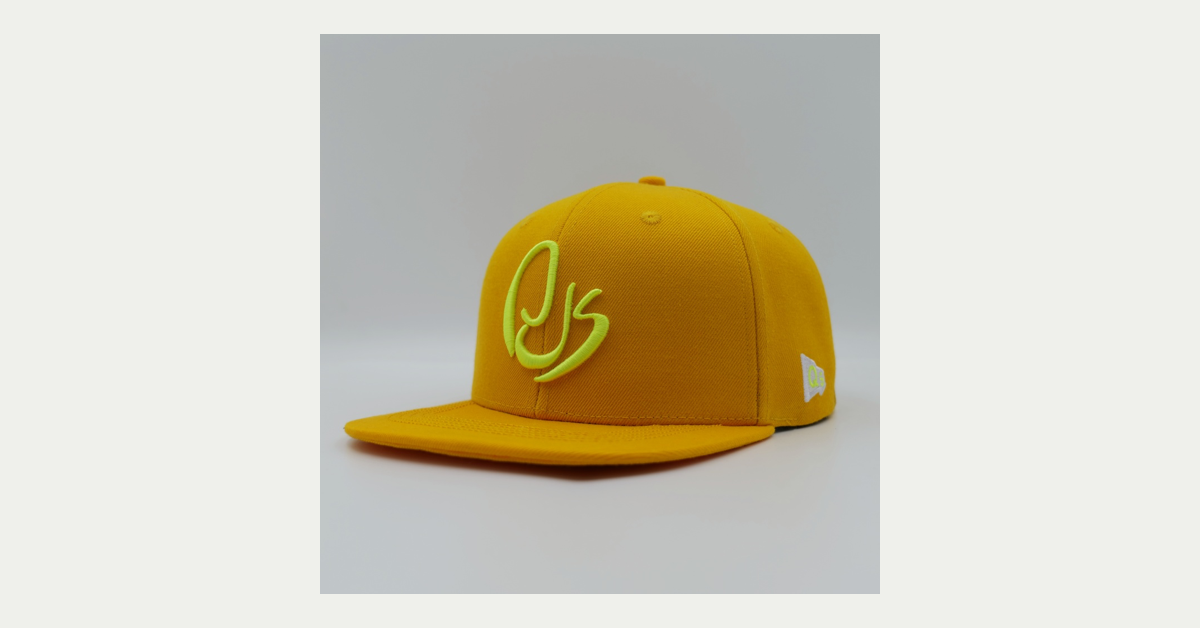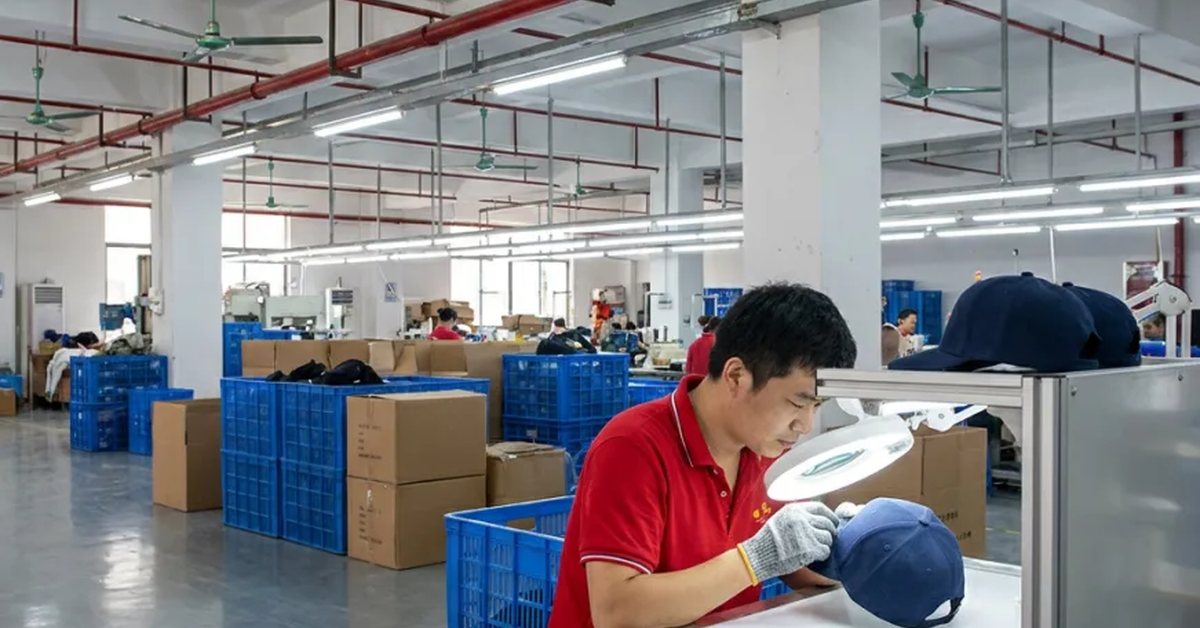


A drawing can start a conversation, but a custom cap manufacturer needs more than a front view to build a sample that your team can judge. The useful brief identifies the intended fit, panel construction, brim, closure, fabric, decoration and packaging context. It also says which details are fixed and which can be proposed. That separation makes the first quote easier to compare and gives later revisions a clear reason.
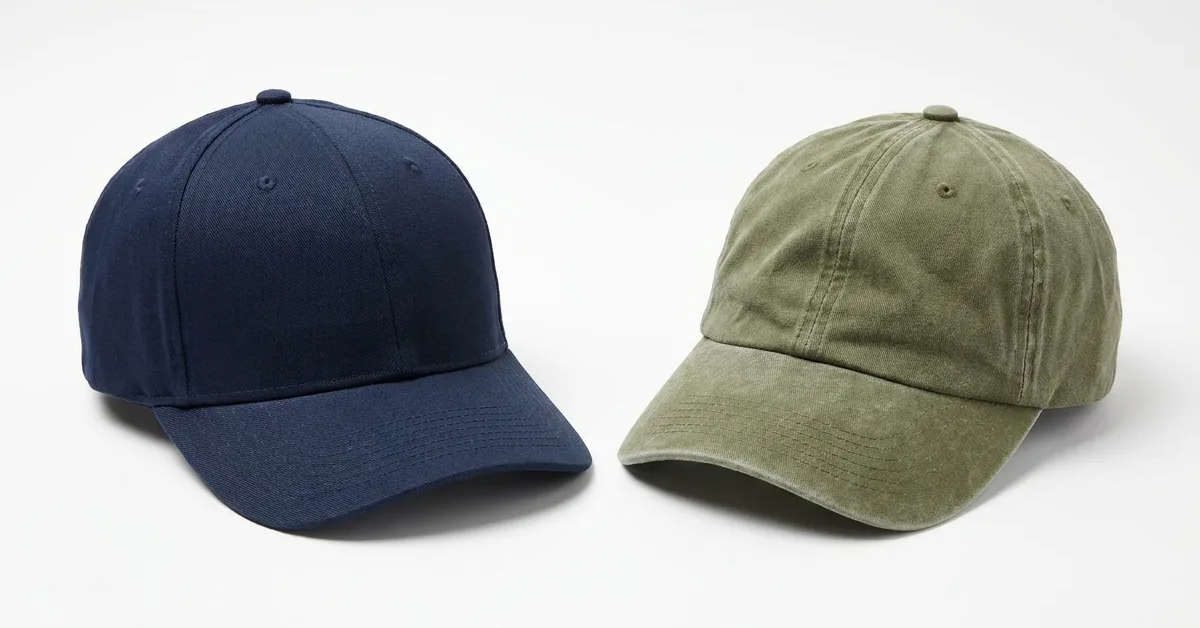
This audit is for brand owners, product developers, promotional buyers and sourcing teams preparing an adult cap program. It is not a universal pattern block or a promise that every combination can be produced at every order size. Use the questions below to turn a mood board into a reviewable production brief.
Begin with the wearer, not the blank cap
Write one sentence describing who will wear the cap, where it will be worn and how it should sit. A casual lifestyle cap, a team issue and a workwear accessory may all use a six-panel silhouette, yet their fit, sweatband, closure and decoration priorities differ. State whether the intended look is close, relaxed, low-profile or structured. Include representative head measurements only when the measurement method is known.
Also name who the design is not for. A cap developed for adult retail should not be presented as children's headwear without a separate review. A promotional sample judged for a five-minute handout is not automatically suitable for a full-day outdoor event. This small boundary keeps the manufacturer from solving an undefined problem.
The measurement passport a custom cap manufacturer can use
Do not send only the words standard size or normal brim. Add a sketch with landmarks. Identify where crown height starts, where the brim length is measured and how the closure is positioned for photography. If a physical reference cap exists, label it with an ID and photograph the front, side, underside and inside. The reference should support the specification, not replace it.
| Item | State in the brief | Approval evidence |
|---|---|---|
| Crown | Panel count, profile, height and structure intent | Front and side views on the same form |
| Brim | Length, width, curve and insert preference | Template or marked sample with measurement method |
| Opening | Closure type, adjustment range and position | Worn fit at the intended setting |
| Sweatband | Material, width and comfort requirement | Inside view plus touch and fit review |
| Decoration | Method, finished size, placement and backing | Actual-size sample on the chosen fabric |
When a measurement is provisional, call it provisional. A false sense of precision creates more confusion than a clearly marked estimate. Ask the factory to return its interpretation in the quotation or sample sheet so both sides can see whether the same words mean the same thing.
Separate visual decisions from construction decisions
A reference image may show a soft crown, but it rarely reveals the interlining, seam allowance or brim insert that creates that appearance. List the visual result first, then the construction choices that may achieve it. If you are open to alternatives, ask for two controlled proposals rather than an unbounded list of options.
Fabric weight, hand, color variation and shrinkage risk should be discussed with the crown and brim. A light fabric with a rigid front can behave differently from a heavier unstructured cap. Ask for composition and fabric references. Do not approve a color chip while leaving the material route undefined, especially when a wash or special finish is part of the look.
Decoration belongs inside the engineering review
Send the master artwork and a separate production adaptation. Specify finished width and height, thread or ink references, clear space and the visual details that cannot be simplified. For patches, state the material, edge, backing and attachment route. For embroidery, request a sew-out on the actual cap fabric. A screen proof is not evidence of how a curved panel will stitch.
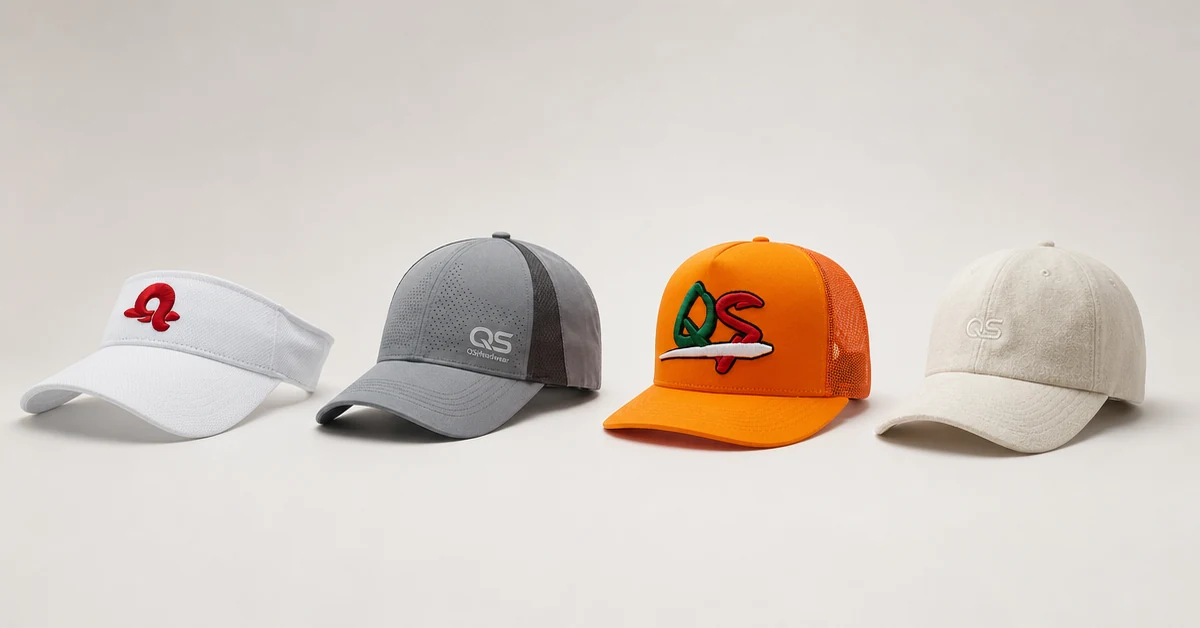
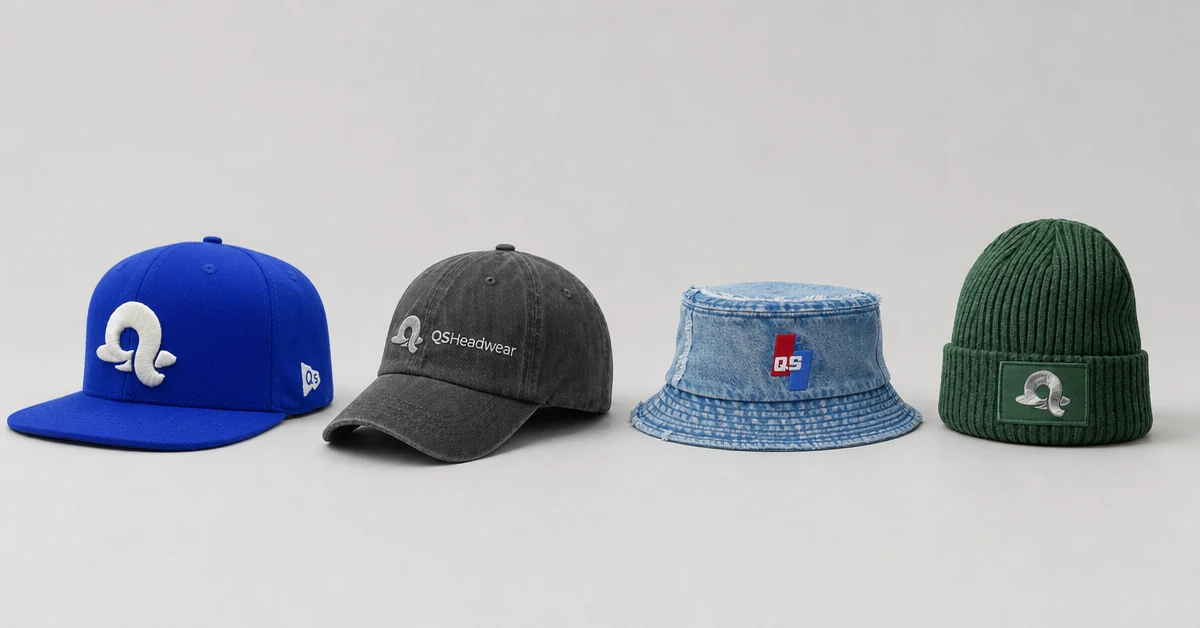
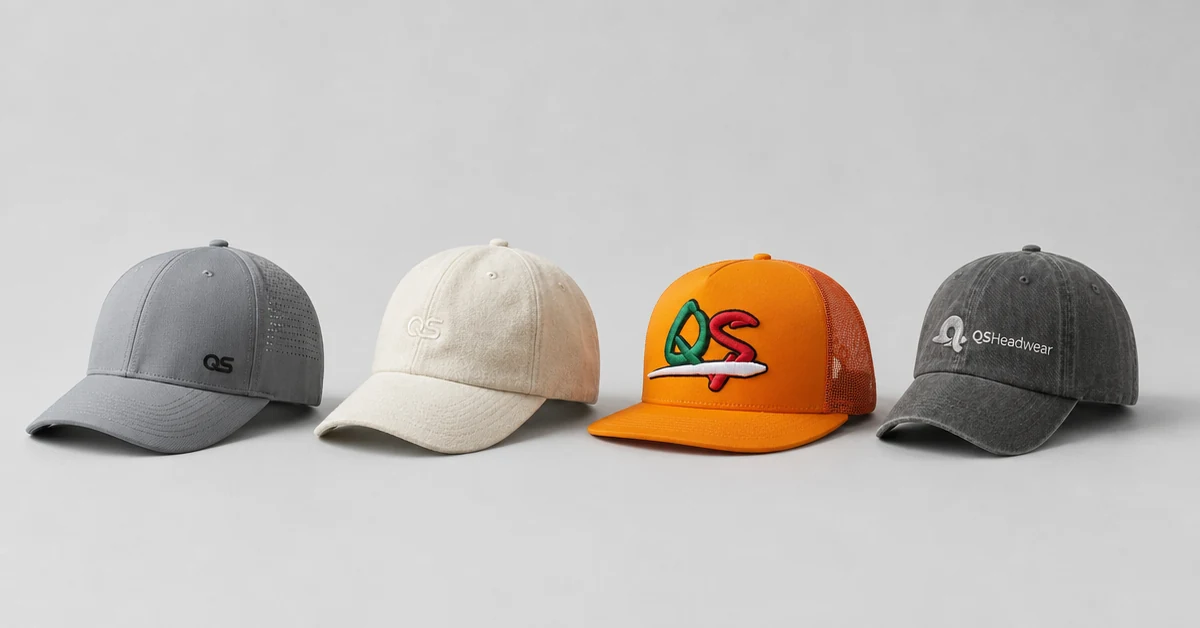
The QSHeadwear product collection presents several cap and decoration directions. Treat the page as a starting menu, then confirm the exact construction, component availability and sample route in writing. A capability shown on a general page is not a guarantee that every combination is the right choice for one order.
| Decision | Option A | Option B | Question to resolve |
|---|---|---|---|
| Front identity | Flat embroidery | Woven or leather patch | Which detail must remain readable at actual size? |
| Closure | Metal or plastic adjuster | Hook-and-loop or fitted opening | What fit range and visual finish does the launch need? |
| Brim | Moderate curve | Flat or stronger curve | Will packing and wear change the approved profile? |
| Labeling | Internal woven label | Printed or heat-applied label | What care and composition information is required? |
| Packing | Individual bag | Bulk carton with separators | What protects shape and keeps SKU data correct? |
Use a sample gate instead of one giant approval
Divide development into gates: construction interpretation, blank fit, decoration, complete sample and packing. Each gate should have an owner and a written decision. If the brim changes after decoration, reopen the decorated review. If the label changes the inside comfort, reopen the wear review. A small approval matrix prevents a late change from hiding inside the phrase approved.
For inspection language, ISO 2859-1 can provide a reference for acceptance-sampling terminology. It does not define your cap's fit, color or logo tolerances. Write those product-specific checks beside the lot-sampling plan and retain the approved physical reference.
A custom cap manufacturer needs one readable revision log
Record each requested change with the sample ID, reason, owner and result. Use observable directions: reduce the logo to a stated width, move it relative to a named seam, or soften the crown while retaining the approved depth.
Photograph samples from consistent viewpoints. Mark the area under discussion and keep the untouched image beside the annotated version. The buyer can then verify each numbered change rather than reviewing from memory. For a custom cap manufacturer, this record turns scattered comments into a workable sample instruction.
Limit a revision round to decisions that can be evaluated together. When fit, fabric, brim and decoration all change at once, a better result does not reveal which choice worked. A controlled revision gives the custom cap manufacturer evidence for the final order and gives the buyer a reference for the reorder.
Cost and timing are consequences of the brief
Ask the custom cap manufacturer to separate development, components, decoration, packing and delivery assumptions in the quote. Minimum quantities may apply to fabric colors, labels, packaging or decoration, not only finished caps. A cheaper unit line can become expensive if it hides a second sample, a new insert or unused branded components.
Request an order-specific calendar after the sample decisions are known. Avoid publishing a retail launch date from a generic lead-time promise. The real sequence depends on artwork approval, component availability, sample revisions, bulk production and final inspection. Keep a change log so a delayed approval is not mistaken for a factory delay.
OEM and ODM should be named in the same file
QSHeadwear's OEM/ODM service page describes development from buyer references as well as support for proposed product directions. In an OEM conversation, identify the buyer-owned reference and required changes. In an ODM conversation, record which base construction is retained and which brand details are new. Either path benefits from a final specification showing ownership of artwork, labels and packaging.
Send an auditable brief to QSHeadwear
Before contacting a custom cap manufacturer, assemble the wearer sentence, annotated reference, component choices, artwork files, target quantities by color, destination and desired calendar. Review the QSHeadwear company profile, then send the brief for a production discussion. A clear first message lets the team spend time on the decisions that affect your product instead of reconstructing the idea from screenshots.
Questions buyers ask before a cap specification review
What should I send first to a custom cap manufacturer?
Send the intended wearer, use case, reference images or cap, key measurements, decoration artwork, estimated quantities and destination. Mark unknowns rather than guessing.
Is a photo enough to copy a cap?
Usually not. Add inside, underside and side views, measurements and notes about fit, fabric and closure.
Should the crown be approved before the logo?
Yes. Review the blank construction first, then approve the complete decorated sample because decoration can change appearance and comfort.
How do I describe a curved brim?
State landmarks and measurement method, and retain a physical sample or template with an ID.
Can I request several fabric alternatives?
Yes. Ask for a small controlled comparison with composition, hand, weight and expected care stated for each option.
What belongs in a decoration file?
Master artwork, production adaptation, finished size, colors, placement landmarks and any non-negotiable details.
Does ISO 2859-1 certify a cap?
No. It is an acceptance-sampling standard. Product tolerances and performance checks must be defined separately.
How should I compare quotes?
Compare assumptions for components, development, decoration, packing, minimums, inspection and delivery, not only unit price.
When should packaging be tested?
Before bulk release, using the planned orientation, carton quantity, storage period and shape checks.
What does QSHeadwear need for an OEM or ODM discussion?
Share the reference or commercial direction, brand files, target market, quantities, timing and which decisions are fixed or open.