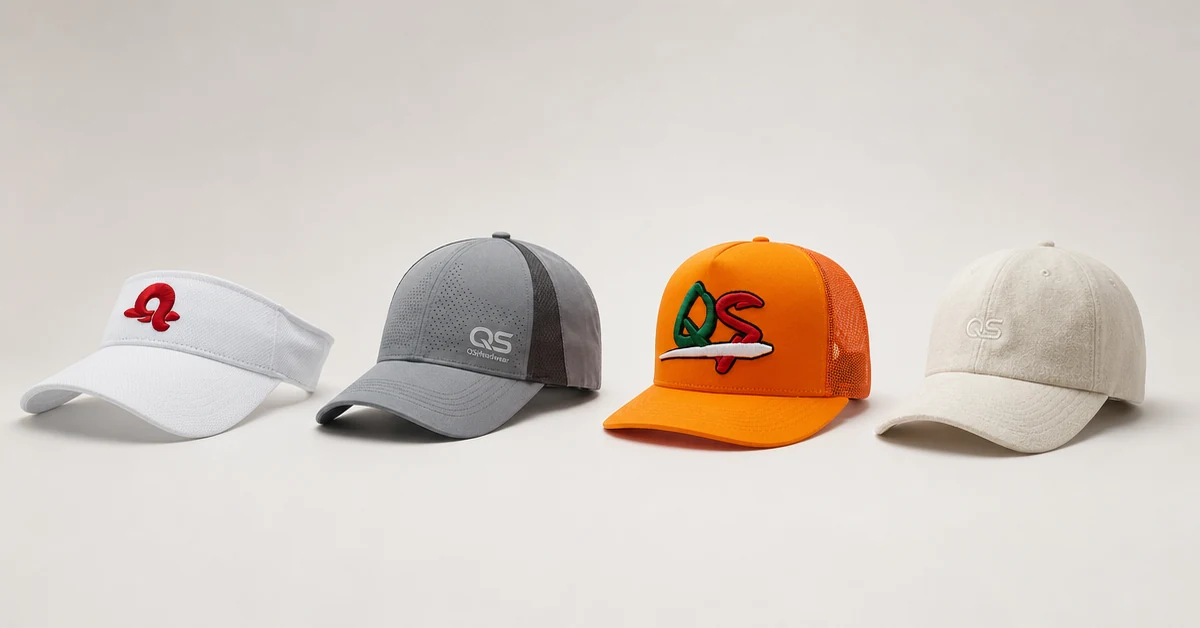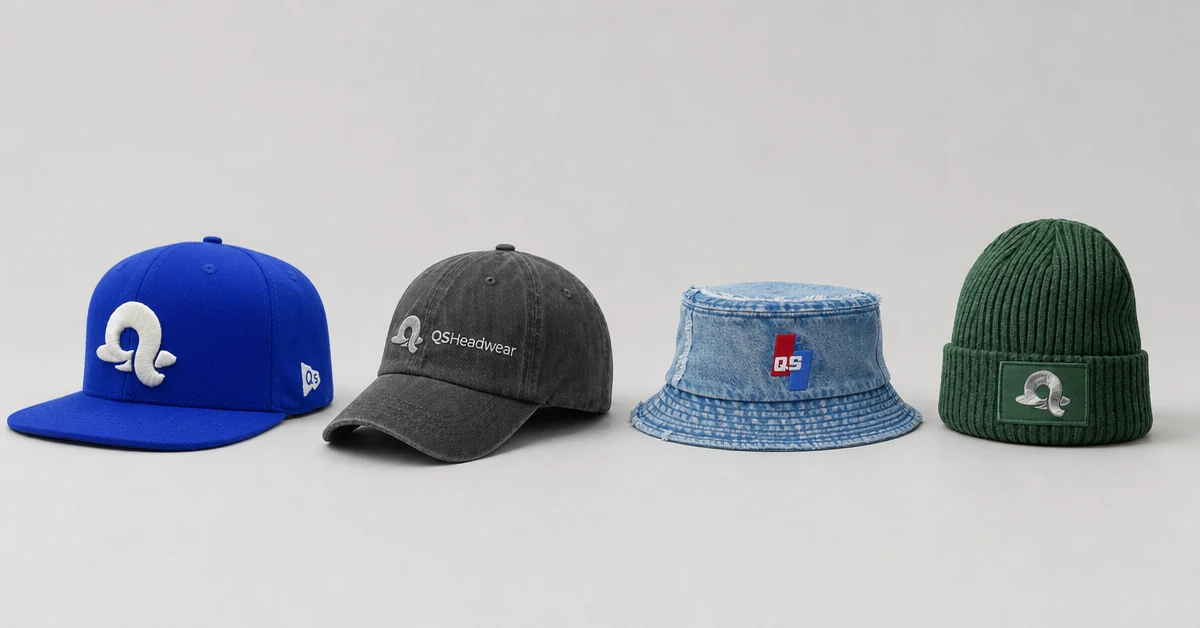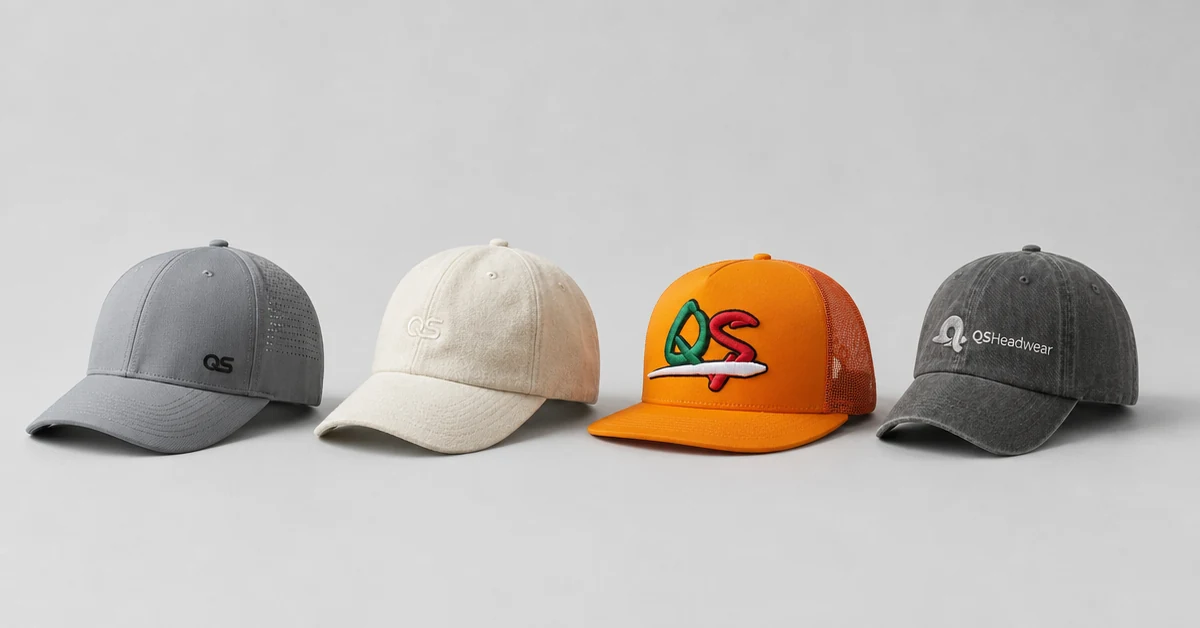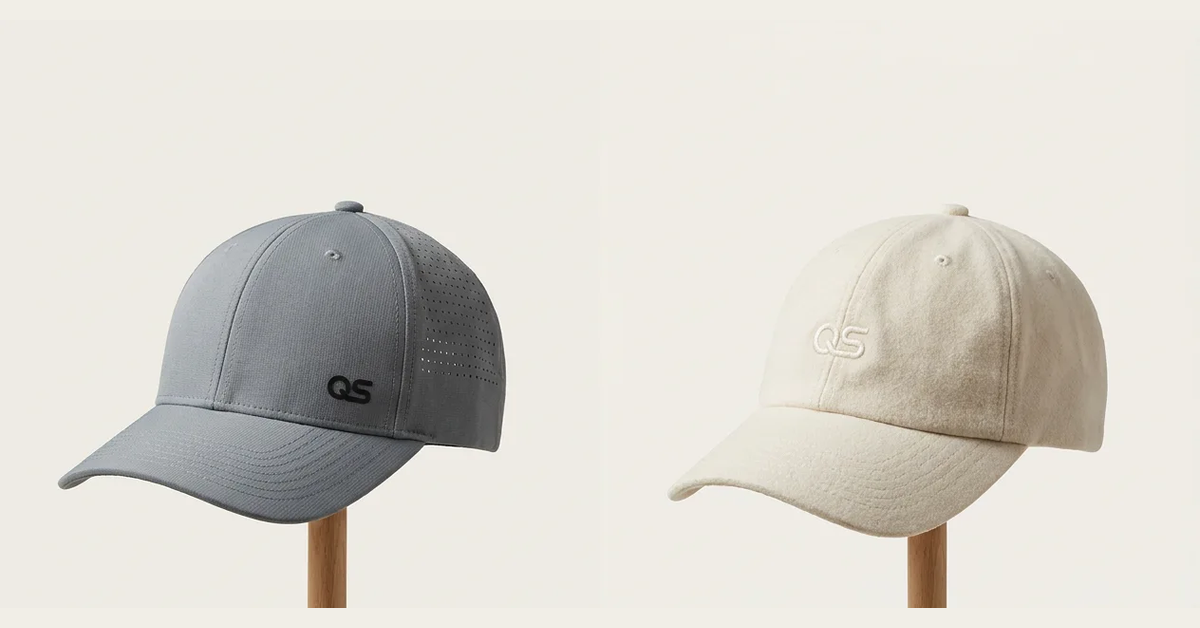


A custom cap supplier for brands should protect the brand system at every point where a customer sees, touches or opens the product. Fit, fabric, logo, inside label, hangtag, packaging and delivery all communicate quality. The buyer needs a supplier that can translate the brand brief into a measurable product and keep the approved version stable during reorders.
This guide is for clothing labels, retailers, e-commerce brands, distributors and promotional teams evaluating a cap partner for a launch or ongoing collection.
Brand Cap Sourcing: The Direct Answer
Choose a supplier that can show relevant cap construction, control decoration and branding components, provide a physical sample, document quality checks, explain MOQ and lead time, and support a repeatable purchase order. A supplier is not brand-ready simply because it can embroider a logo; it must control the complete product experience.
Brand-Ready Supplier Scorecard
| Area | Questions to score | Proof to request |
|---|---|---|
| Product fit | Can the supplier match the intended profile and size range? | Measurements and physical sample |
| Brand expression | Can logo, label and packaging files be controlled by version? | Artwork proof and component samples |
| Materials | Can the selected fabric and trims be repeated? | Swatches, specification and availability |
| Operations | Can it support the quantity and delivery window? | Project calendar and capacity confirmation |
| Quality | Are acceptance criteria clear before production? | Inspection plan and report |
| Communication | Will assumptions and changes be recorded? | Requirement summary and change log |
Start With the Brand's Customer and Use Case
Define whether the cap is for a premium fashion drop, everyday e-commerce product, outdoor collection, corporate program or event. The use case affects fabric hand, structure, closure, decoration durability, packaging and price architecture. It also determines what must be proven in the sample.
A custom cap supplier for brands should ask these questions before recommending a style. If the supplier jumps directly to a generic cap, the buyer may spend time decorating the wrong product.
Create a Brand Cap Specification
Record crown height, panel count, brim shape, closure, sweatband, fabric composition, weight, color, ventilation, logo locations and size range. Add internal labels, care information, hangtags, stickers, polybags, inserts and carton marks. Mark each detail as fixed, preferred or open for recommendation.
This document becomes the reference for the sample, quote, purchase order and inspection. It also helps the factory identify which choices affect MOQ and lead time.
Choose Decoration That Supports Recognition
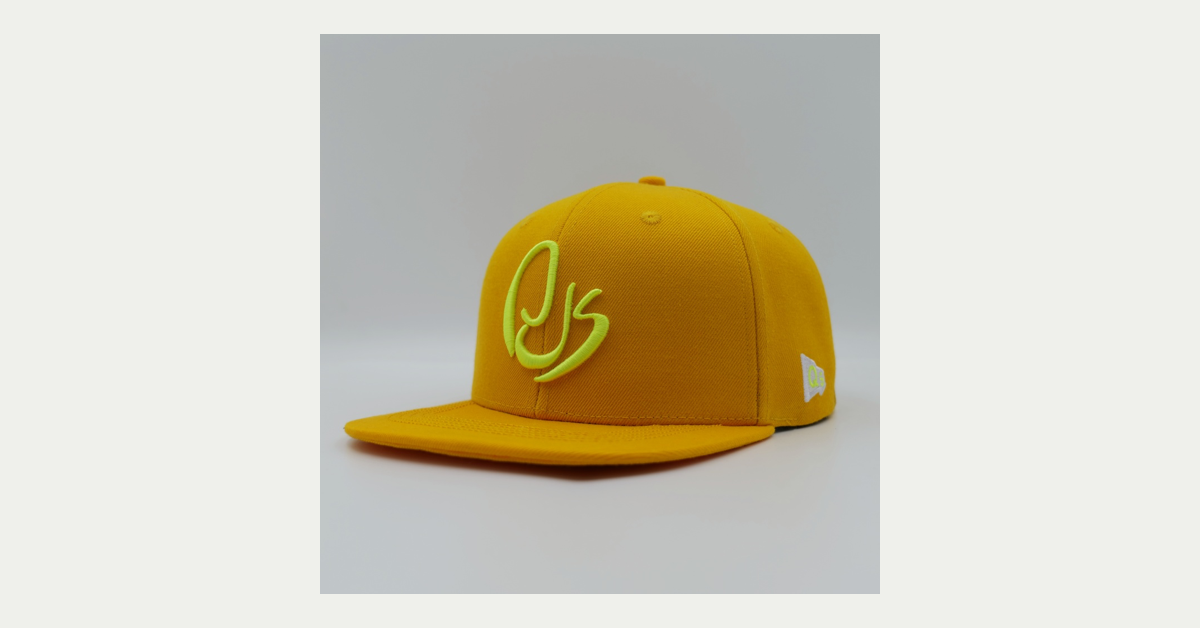
A logo can be embroidered, printed, transferred or applied as a woven, leather or PVC patch. Evaluate scale, stitch density, fine detail, color accuracy, hand feel and expected wear. A small premium wordmark may benefit from clean flat embroidery, while a textured badge may be better as a patch.
Ask for a proof at finished size rather than approving only a large digital file. The supplier should point out minimum line widths, color limits and placement near seams or curved panels.
Control Private Labels and Retail Presentation
Brand ownership includes the inside label, size and care label, hangtag, barcode, packaging insert and the way hats are protected in a carton. Approve the material, dimensions, color, wording and attachment. Keep a component list with version dates.
If one label is shared across several products, verify that composition and care information remain correct for every style. Do not trade accuracy for visual consistency.
Use a Complete Sample Review
Review the sample as a customer would experience it: hold the cap, try the fit, inspect the inside, check the logo from normal viewing distance and open the packaging. Compare measurements and photograph details. Consolidate feedback from design, merchandising, quality and sales before sending one revision document.
QSHeadwear states that physical samples are typically made in 3-5 business days after requirements are aligned. The actual schedule depends on materials, decoration, sample purpose and feedback speed.
Check Supplier Evidence Before Comparing Price
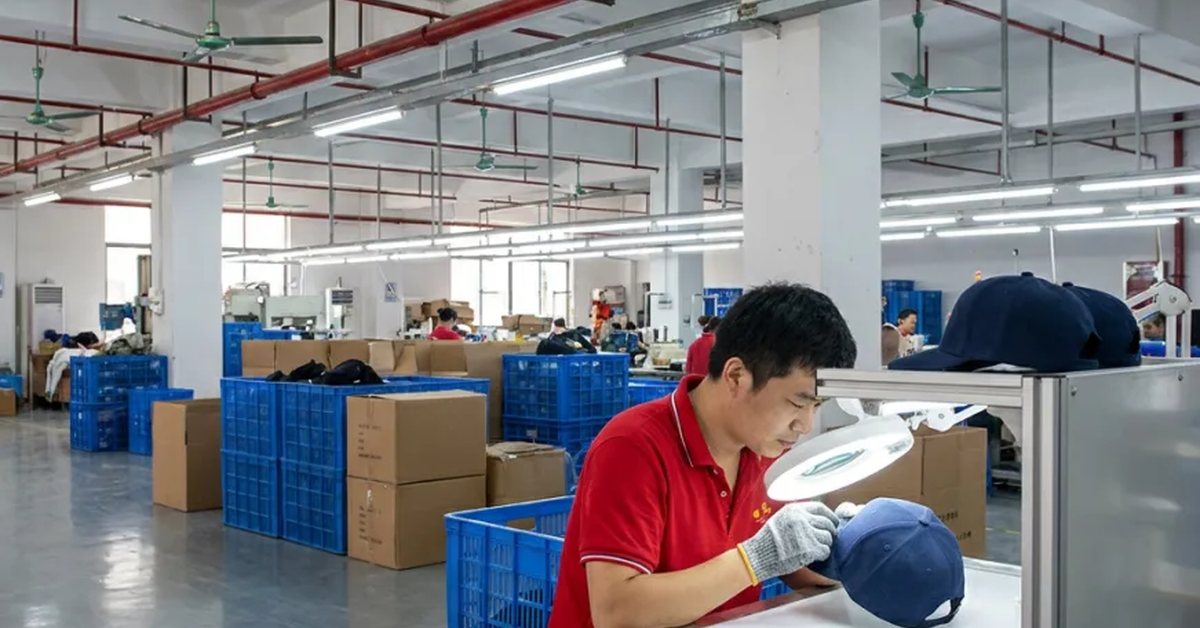
QSHeadwear publicly describes custom headwear production, 15+ years of experience, 100+ staff, 4,000+ square meters of space and support for global brands. These are useful company-level signals. For a brand program, also request order-level evidence: a relevant sample, component list, quality plan, delivery calendar and communication owner.
Ask which parts are made in-house and which are sourced. Upstream component minimums and lead times can influence the program even when cap sewing is flexible.
Plan MOQ and Reorder Economics
Brand programs often split quantity across colors, sizes, decoration versions and packaging. Ask for MOQ by each variant and the economic price breaks. Confirm how unused labels, patches or boxes are stored and charged.
For a launch, simplify variations that do not test a meaningful customer hypothesis. Retain the elements that define the brand and can support a useful sales or fit decision.
Define Quality Before the First Order
Write tolerances for measurements, logo location, shade, stitch quality, closure function, cleanliness, loose threads and pack-out. Identify critical defects and the response to failed goods. QSHeadwear describes material checks, pre-production approval, in-line monitoring, final AQL 2.5 inspection and packaging verification; confirm what records will be supplied for the order.
Make Reorders a Planned Brand Asset
Keep the approved sample, artwork, material specification, label file, packaging instruction, inspection plan and production notes together. Record changes with a version and approval owner. After delivery, review defect trends, customer feedback, returns and reorder timing.
The best custom cap supplier for brands turns the first order into a controlled library of decisions instead of asking the brand to re-explain its product every season.
Use a Launch Scorecard Before You Commit
Give each shortlisted supplier a simple score for product accuracy, brand-component control, sample communication, quality evidence, MOQ flexibility, capacity, delivery clarity and corrective action. Set non-negotiable requirements first, such as a specific fit, label or packaging standard. Then compare the commercial offer only among suppliers that can meet those requirements.
This keeps a low initial price from hiding expensive rework. It also gives the buying team a shared reason for selecting a custom cap supplier for brands and a repeatable framework for reviewing performance after delivery.
Send a Brand-Ready RFQ to QSHeadwear
Include your brand positioning, target customer, cap references, measurements, artwork, material preference, quantity by color, labels, packaging, destination and receipt date. Ask the supplier to identify assumptions and propose options only where the brief allows flexibility.
Review the product center, OEM/ODM workflow and company information. Use the contact page to request a sample, MOQ, quotation and brand component plan from a custom cap supplier for brands.
FAQ About Custom Caps for Brands
1. What makes a custom cap supplier brand-ready?
The supplier should control fit, materials, decoration, labels, packaging, quality evidence, delivery and reorder records as one product system.
2. Should a brand start with one cap style?
A focused style can validate fit, brand recognition and customer response before the collection expands.
3. What should be in a brand cap tech pack?
Include construction, measurements, materials, colors, artwork, logo placements, labels, packaging and quantity by variant.
4. Can a supplier recommend a cap style?
Yes, but the recommendation should connect to the target customer, use case, fit, price and decoration requirements.
5. How do I approve a cap logo?
Review a proof and physical sample at finished size, checking color, position, stitch or print quality and interaction with seams.
6. Are private labels included in cap MOQ?
They may have separate minimums and lead times. Confirm every branded component separately.
7. How fast can a branded cap sample be made?
QSHeadwear states 3-5 business days for typical physical samples after requirements are aligned; complexity can change the timing.
8. What quality checks matter for branded caps?
Check measurements, workmanship, shade, logo placement, closure function, internal branding and packing against the approved sample.
9. How should brands compare supplier prices?
Use the same specification, quantity split, packaging, inspection scope, destination and trade term.
10. How can I protect brand consistency during reorders?
Use versioned files, approved samples, component records, inspection criteria and a written change-control process.