

A custom dad hat manufacturer needs to control softness, shape and fit without making the cap look unfinished. Dad hats are usually associated with an unstructured or lightly structured crown, curved brim, adjustable closure and relaxed wear. Fabric, washing, seam placement and embroidery density can change the final silhouette, so buyers should approve the complete cap rather than selecting a logo on a flat mockup.
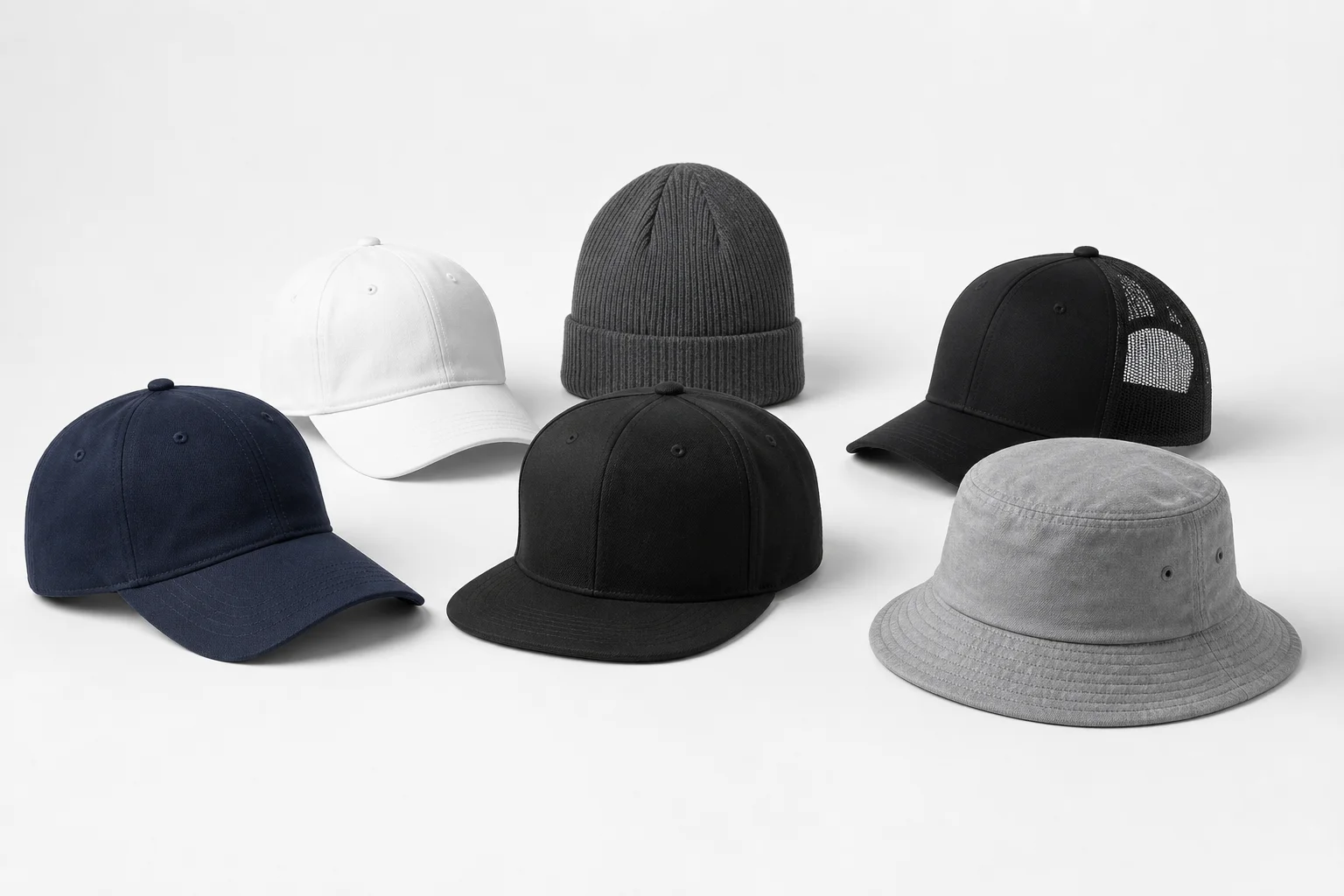
This guide supports apparel brands, lifestyle labels, retailers, distributors and e-commerce sellers planning a custom dad hat collection.
Dad Hat Sourcing: The Direct Buyer Answer
Choose a supplier that can define the crown softness, brim curve, fabric, wash or finish, closure, decoration, size range and inside construction. Approve a wear sample, set measurement and workmanship tolerances, then compare MOQ, quote, quality evidence and reorder terms.
Dad Hat Buyer Decision Table
| Feature | Decision to make | What to inspect |
|---|---|---|
| Crown | Unstructured or lightly supported; target height and softness | Profile, symmetry and recovery after handling |
| Brim | Curve, length, stiffness and edge finish | Wear shape and clean stitching |
| Fabric | Cotton, washed twill, denim, corduroy or blend | Hand feel, shade and surface consistency |
| Closure | Metal buckle, fabric strap, slider or other adjuster | Range, comfort and attachment |
| Decoration | Flat embroidery, patch, print or back detail | Scale, position and puckering |
| Branding | Labels, hangtags, bag, insert and carton | Correct wording and pack-out |
Define Relaxed Fit With Measurements
"Dad hat" describes a look, not a complete specification. State crown height, front panel width, brim length, curve, head circumference range, sweatband depth and closure position. A low crown can feel restrictive if the back opening or sweatband is wrong. A soft crown can collapse if the fabric or seam support is not suitable.
Ask the custom dad hat manufacturer to provide a measurement method and use it on the physical sample. Photograph the cap worn and flat so the approved profile is easy to repeat.
Choose Fabric and Wash Deliberately
Washed cotton can create a broken-in look, while clean twill gives a more controlled retail appearance. Denim, corduroy, wool blends and recycled fibers introduce different weights, shrinkage, color variation and decoration behavior. State whether the wash is part of the product identity or only a visual reference.
Request a swatch and ask whether the wash is applied before or after sewing. If the finish can change shade or dimensions, include those limits in the approval.
Match Decoration to a Soft Crown
Flat embroidery is common on dad hats, but dense stitching can cause puckering or make the front feel stiff. Woven or leather patches can preserve detail but add weight and attachment requirements. Screen printing and heat transfer need a surface that can receive and cure the ink or film.
Approve the logo at finished size, including backing, stitch density, patch edge and distance from seams. Test the decorated cap after bending and wearing.
Review the Sample as a Wearable Product
- Measure the crown, brim, sweatband and closure.
- Try the cap on several head sizes within the target range.
- Check whether the crown collapses evenly and recovers after handling.
- Inspect fabric shade, wash marks, seam quality and loose threads.
- Review logo placement, puckering, label and pack-out.
- Return one consolidated list of observable changes.
QSHeadwear states that typical physical samples are completed in 3-5 business days after requirements are aligned. Add time for special fabric, wash, patch or repeated feedback.
Ask About MOQ by Finish and Color
Custom washing, dyeing, corduroy, denim and special trims can carry separate minimums. Ask for MOQ by style, fabric, color, wash, artwork, label and packaging. A small quantity divided into many shades may not be economical even if the total count appears sufficient.
Set Dad Hat Quality Criteria
Define crown profile, brim curve, measurements, shade, wash variation, embroidery position, closure function, cleanliness and pack-out. AQL 2.5 final inspection is described in QSHeadwear's public quality process; confirm the inspection level and defect classification for the actual order size.
Pay special attention to symmetry and the transition from the soft crown to the brim. These details are highly visible when the cap is worn.
Compare the Complete Quote
Request separate prices for sample, pattern or wash development, cap, decoration, labels, packaging, inspection, cartons and freight. State the destination and target receipt date. Compare the same curve, closure, fabric, color split and packing assumptions.
Build Reorder Controls Around the Approved Wash
Keep the approved swatch, wash reference, measurement sheet, artwork, closure specification and packaging instructions in the order file. Record acceptable shade variation and any intentional irregularity. Do not let a reorder replace a washed finish with a clean fabric without written approval.
Build a Dad Hat Range Without Losing Fit
If the brand plans several colors or fabrics, keep the crown, brim and closure references stable while changing only one material variable at a time. A cotton twill, washed denim and corduroy version may not drape identically, so sample each important material rather than assuming the same block will behave the same way.
Track customer feedback about crown depth, brim curve and adjustability separately from comments about color or logo. This gives the sourcing team a useful reorder decision and helps the custom dad hat manufacturer correct the right component.
Request a Dad Hat Development Plan
Review the QSHeadwear product center, OEM/ODM workflow and company profile. Send the intended fit, fabric, wash, brim, closure, artwork, quantity, packaging and delivery date through the contact page to request a sample and quote from a custom dad hat manufacturer.
FAQ About Custom Dad Hats
1. What defines a dad hat?
It usually has a relaxed, unstructured or lightly structured crown, curved brim and adjustable closure, but the buyer still needs measurements.
2. How do I specify a soft crown?
Define crown height, support, fabric, seam construction, sweatband and recovery after handling rather than using only the phrase soft.
3. Which fabrics work for dad hats?
Cotton twill, washed cotton, denim, corduroy, wool blends and recycled fabrics can work when weight and finish match the intended fit.
4. Can dad hats use embroidery?
Yes, but density and backing should be controlled so the logo does not cause puckering or make the front uncomfortably stiff.
5. Does washing affect dad hat MOQ?
It can. Confirm minimums by fabric, wash, color and trim as well as the sewing quantity.
6. How long does dad hat sampling take?
QSHeadwear states 3-5 business days for typical physical samples after requirements are aligned; special washes can add time.
7. What should quality control inspect?
Check crown symmetry, brim curve, measurements, shade, wash consistency, decoration, closure and packing.
8. How should a dad hat quote be compared?
Use the same fabric, wash, measurements, decoration, quantity split, packaging, inspection, destination and trade term.
9. Can a dad hat be private labeled?
Yes. Inside labels, hangtags, bags, inserts and carton marks should be listed and approved as separate components.
10. How do I keep a washed dad hat consistent on reorder?
Keep the approved swatch and wash reference, define acceptable variation and require written approval for substitutions.