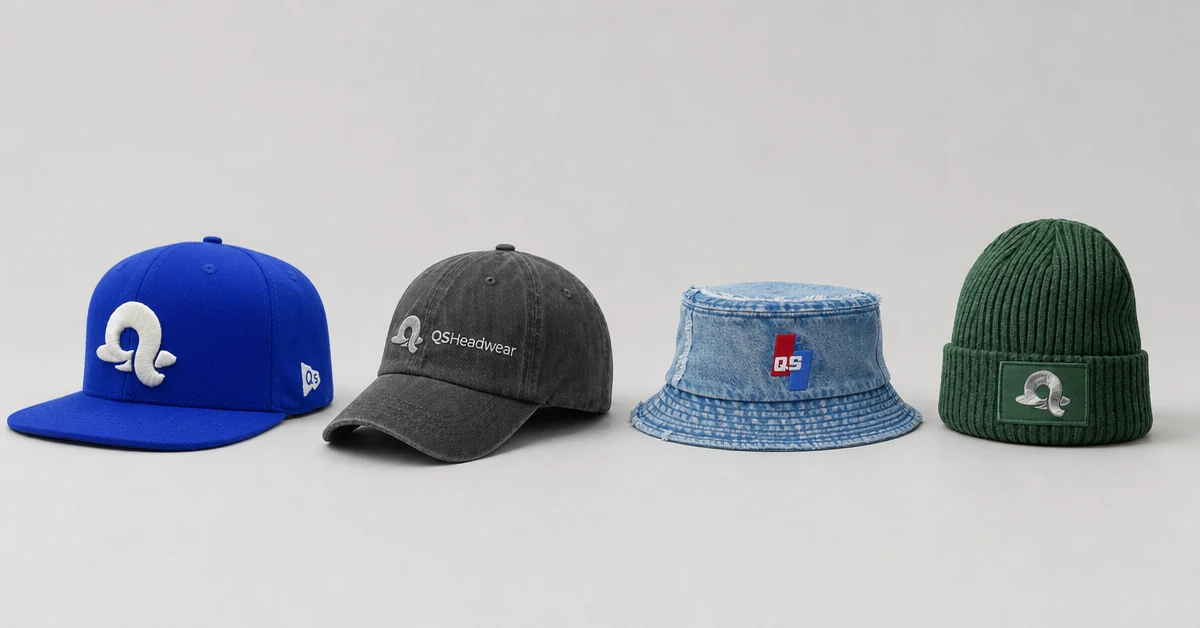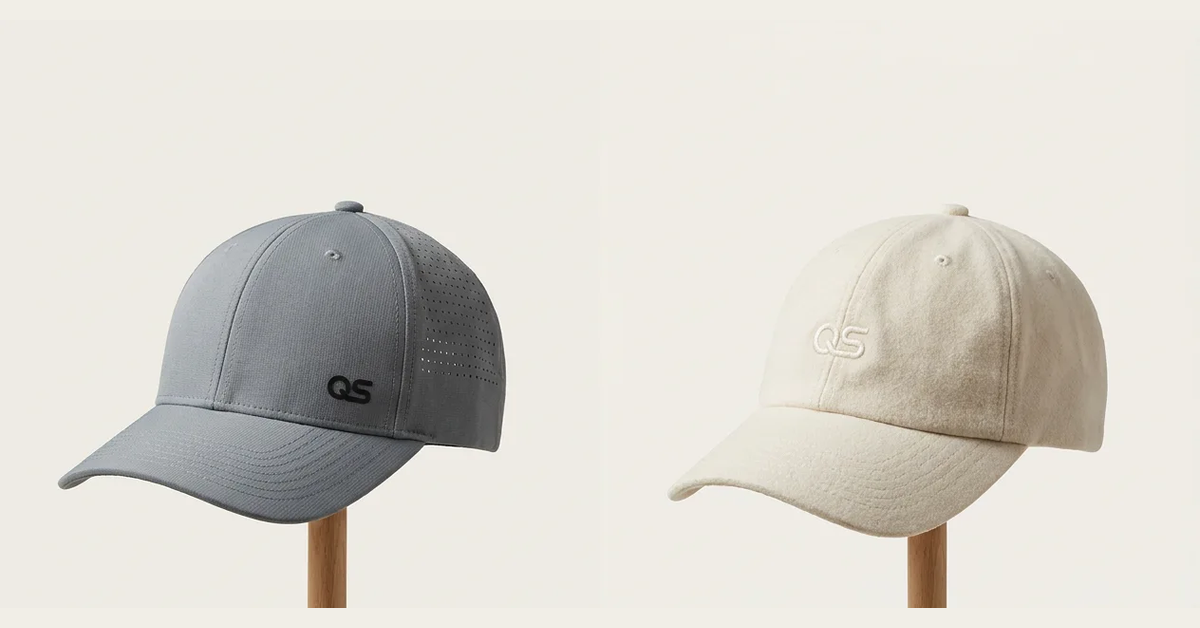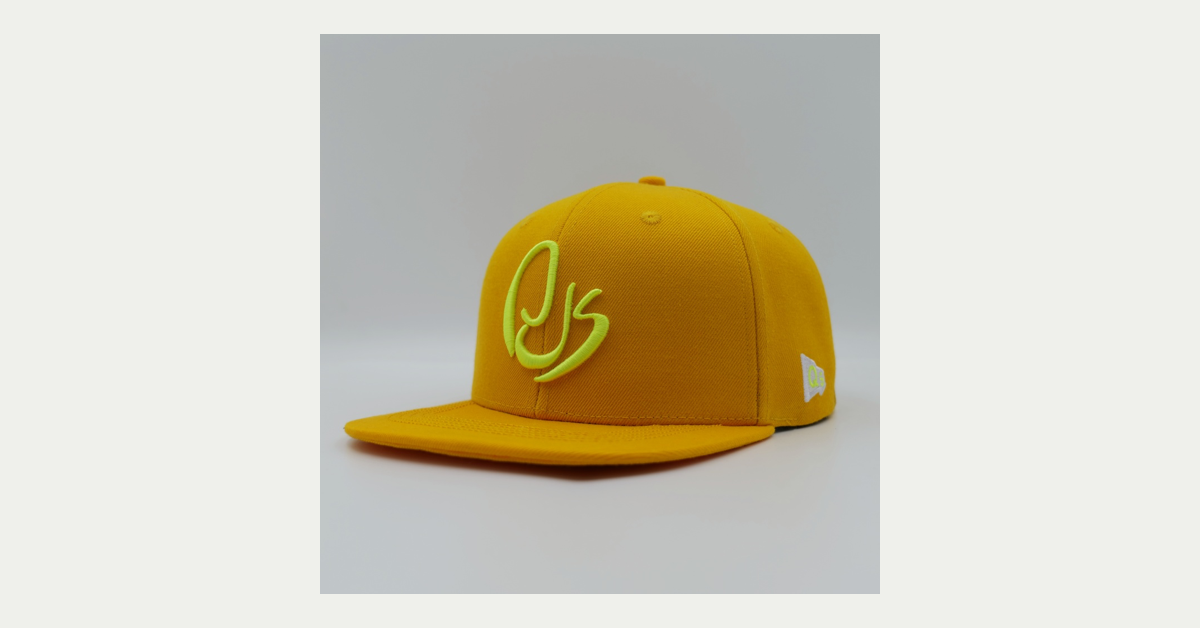


Custom foam mesh trucker hats depend on a curious partnership: a soft front that must carry a graphic, an open mesh back that must hold shape, and a plastic snap that has to fit many heads. If one part is chosen in isolation, the cap may look right on the table and collapse after a week in a carton.

Instead of treating this style as a generic five-panel cap, take it apart. The brief becomes clearer when every component has a job.
The Front Panel Has Three Jobs
The foam front creates the silhouette, carries decoration and hides internal construction. Specify face fabric, foam thickness, density, recovery and lamination. “Thicker” is not always better. A thick, low-recovery foam can crease sharply; a slightly thinner material with better resilience may survive packing more cleanly.
Try the Pinch, Fold and Thirty-Minute Tests
- Pinch the center front for five seconds and check how fast the surface returns.
- Fold the cap in the intended shipping direction, release it and inspect the crease.
- Leave the sample unpacked for thirty minutes, then photograph front and side views.
- Repeat after conditioning the sample in a warm room or after normal transit simulation.
These are not laboratory standards. They are simple development checks that reveal whether the chosen construction behaves like the product you intend to sell.
Mesh Is a Material, Not Empty Space
Record mesh fiber, weight, hole pattern, stretch, hand, color and recovery. Stiff mesh can support a high crown but may feel scratchy near the ears. Soft mesh improves comfort but can pull the rear panels inward. Rub the cut edge against skin and inspect the seam after repeated stretching.
| Component | Specification question | Sample check |
|---|---|---|
| Foam front | Thickness, density, face fabric, recovery | Crease and rebound |
| Mesh | Fiber, weight, opening, hand, stretch | Skin feel and shape retention |
| Binding | Width, softness, seam coverage | Pressure at forehead and ears |
| Snap | Material, hole count, color, pull strength | Adjustment range and repeated use |
| Brim | Length, curve, insert, stitch rows | Centering and recovery |
Custom Foam Mesh Trucker Hats Need a Crown Decision
A tall promotional trucker, a retro souvenir cap and a modern retail fit do not share the same crown. State front height, top angle, side depth, rear opening and how the cap should sit above the ears. Approve the profile on a wearer; the foam can look taller once it is tensioned by the mesh.
Print the Foam You Will Actually Use
Screen print and heat transfer behave differently on laminated foam. Heat can flatten the surface, discolor the face or leave a visible press boundary. Ink can bridge texture or crack along a crease. Test the actual artwork at production size, then flex and pack the decorated panel before approval.
Embroidery is possible, but dense stitching may pull the soft front out of plane. If the logo has fine text, compare a simplified embroidered version with print or patch options rather than forcing one technique.
Place Seams Where the Hat Can Carry Them
At the top of the crown, several materials meet in a small area. Inspect whether the foam, mesh, tape and button create excessive bulk. Check the front-to-mesh join from inside. A clean exterior can hide rough seam allowances that become obvious during wear.
The Snap Is Part of the Fit System
Count usable snap positions and record circumference at the smallest, middle and largest settings. Test repeated opening, closing and lateral pull. Then put the cap on several wearers. The rear opening shape, sweatband thickness and crown depth can make two caps with the same measured circumference feel different.
| Wear note | Likely cause | Development response |
|---|---|---|
| Front tips backward | Crown too tall or rear tension too high | Review height, angle and snap range |
| Mesh scratches ears | Hard edge or low side clearance | Change mesh hand or panel depth |
| Cap rotates | Loose band or unstable crown | Adjust fit range and side geometry |
| Forehead feels hot | Dense foam and limited inner spacing | Review foam, sweatband and crown position |
| Snap opens under tension | Weak engagement or poor fit | Change component and verify pull performance |
Color Matching Happens Across Different Surfaces
A red foam face, red mesh and red snap rarely reflect light in the same way. Decide whether the goal is an exact-looking match or a deliberate tonal family. Approve the assembled cap under neutral light. Keep physical references for each component because a single digital color value cannot describe translucent mesh and opaque plastic equally.
Pack for Recovery, Not Just Carton Efficiency
Test nested, flat and lightly supported packing. Count how many caps sit in one stack and where pressure lands. Open a packed sample after the planned hold time. The cheapest carton arrangement is not economical if the front panel needs reshaping or arrives with a permanent ridge.
Use a Three-Sample Comparison, Not One Lucky Piece
Ask for several samples from the same specification when the material combination is new. Place them side by side and compare crown height, foam rebound, mesh tension and brim alignment. One excellent piece can hide a process that is difficult to repeat; three pieces begin to show whether the construction has a stable center.
Number the samples and keep the strongest as the approval reference. If the weakest sample is still commercially acceptable, the specification may have a practical tolerance. If only one works, the process needs another development round.
Write Care Copy From the Tested Construction
Foam, mesh, brim inserts, plastic snaps and decoration do not necessarily tolerate the same cleaning route. Avoid generic care copy borrowed from a cotton cap. Test the proposed instruction on a complete sample and inspect color, bonding, shape and odor after drying.
For custom foam mesh trucker hats, simple consumer language matters: explain whether the cap should be spot cleaned, hand cleaned or handled another way based on verified performance. Do not promise machine washability unless the complete style has been evaluated for it.
Turn the Approved Cap Into a Component Sheet
Photograph the foam face, mesh, snap, binding, sweatband, button, brim and decoration. Place the code, color and supplier reference beside each image. Add finished measurements and the approved packing orientation. This component sheet helps purchasing, sewing, inspection and reorders work from the same cap.
If a component becomes unavailable, the sheet also makes the substitution visible. The replacement should be sampled where it affects fit, recovery, color or care.
Close the Sample Meeting With a Recovery Standard
Place the approved cap in its intended pack for an agreed hold, open it and record how long the crown takes to recover. Photograph any remaining ridge from the same distance and angle. Add that condition to the approval file. The result is more useful than telling production that the foam should be “strong.”
Repeat the check when carton quantity changes. More units in a carton may alter pressure even when the individual bag and cap are unchanged.
Inspect the Style as a System
Bulk checks should cover crown profile, foam recovery, mesh symmetry, seam cleanliness, brim alignment, snap function, color relationships, decoration and post-pack appearance. Photograph acceptable and unacceptable creases. That visual boundary helps inspection teams make the same decision.
Labels Must Describe the Product Honestly
For products sold in the United States, the FTC Textile Fiber Rule requires certain textiles to disclose fiber content, the responsible business and country of manufacture. Confirm the actual component composition and destination requirements before printing labels or product-page copy.
Develop the Trucker as a Complete Unit
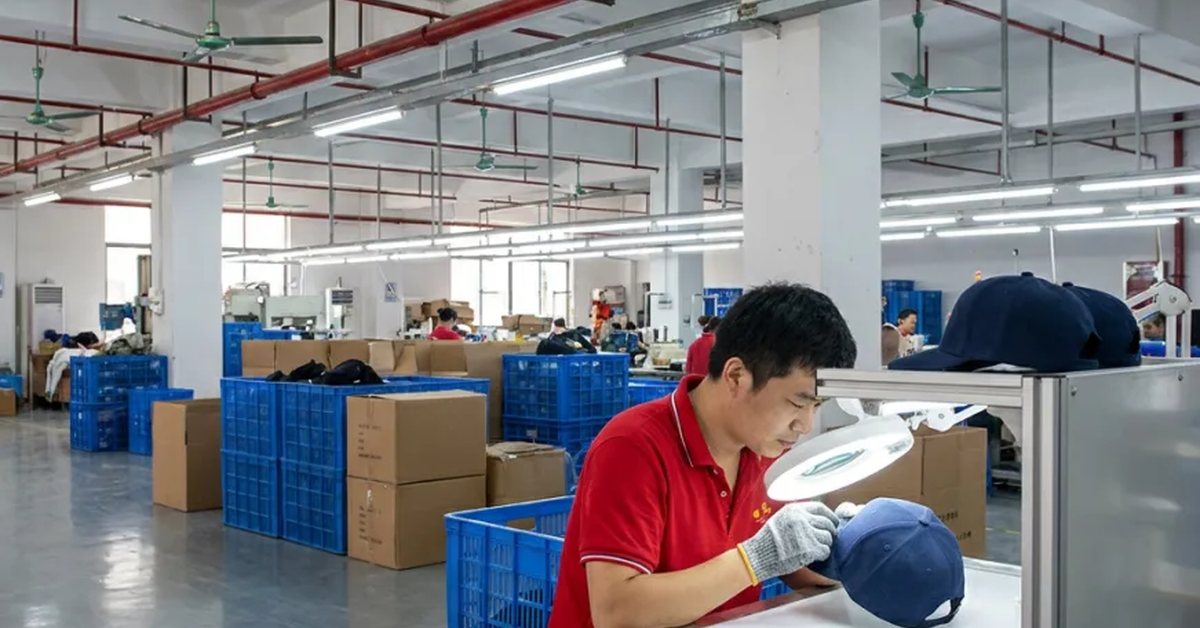
Browse QSHeadwear cap styles, review custom material and decoration options and see factory information. Send front height, foam and mesh references, artwork, fit range, quantity and packing needs through the contact page to develop custom foam mesh trucker hats.
Foam Mesh Trucker Hat Questions
What foam thickness should I specify?
Choose thickness together with density and recovery. Approve the actual laminated front rather than a number alone.
Why does the front panel crease?
Foam recovery, lamination, decoration, seam tension and packing pressure can all contribute.
Can foam trucker hats be embroidered?
Yes, but stitch density and backing should be tested because a soft front can pucker or flatten.
Which printing method works best?
It depends on the face fabric, foam and artwork. Test screen print or transfer on the production-equivalent panel.
How should mesh softness be checked?
Handle the cut edge, inspect the bound seam and wear the cap long enough to notice contact near the ears.
How do I specify fit?
Record measurements across snap positions and test the crown on several intended wearers.
Should foam, mesh and snap colors match exactly?
Set a physical assembled standard; different surfaces may require a tonal rather than exact visual match.
What packing method protects the front?
Compare nesting, folding and light support, then inspect recovery after a realistic packed hold.
What defects matter most in bulk?
Watch crown shape, permanent creases, mesh damage, rough seams, snap failure, crooked brims and decoration faults.
What should be retained for a reorder?
Keep component codes, physical color references, pattern, measurements, logo files, packing and an approved sample.