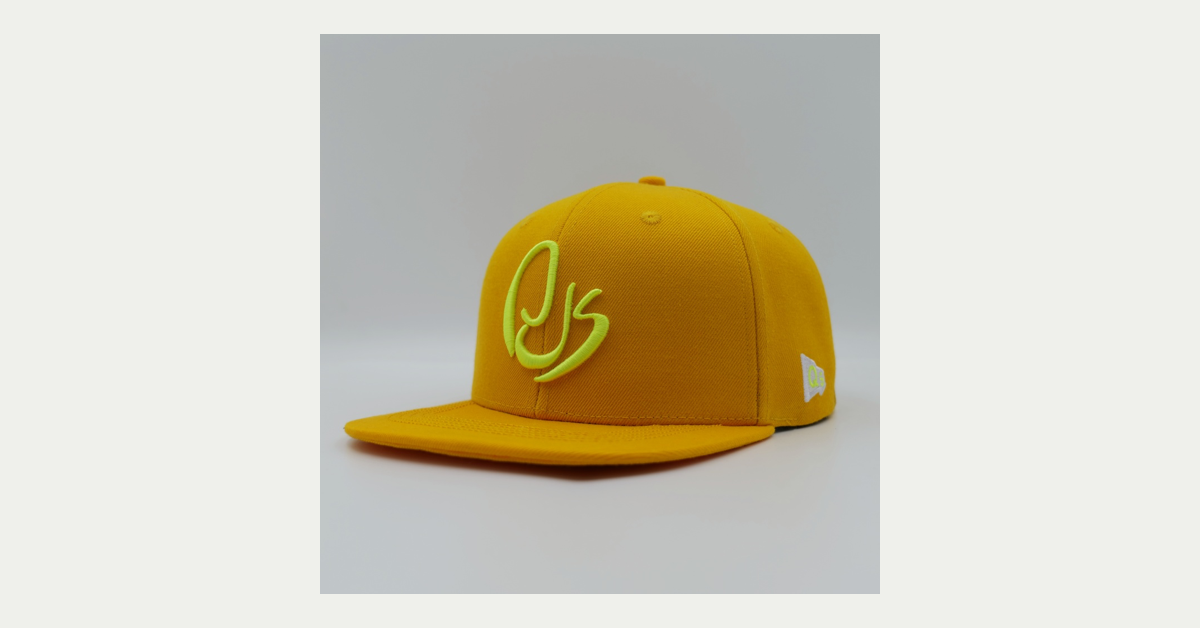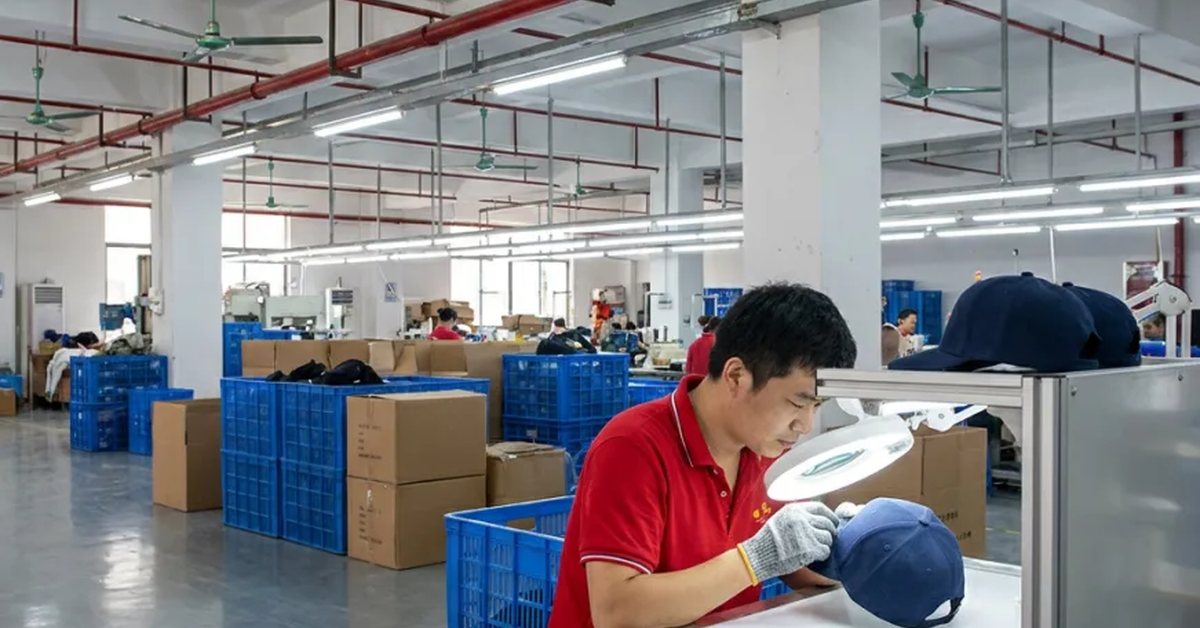


Custom hat manufacturing cost is not one fixed price attached to a cap silhouette. It is the result of product structure, material availability, decoration, order quantity, labeling, packaging, inspection and delivery requirements. Buyers receive more reliable quotes when every supplier prices the same written specification instead of interpreting a reference photo differently.
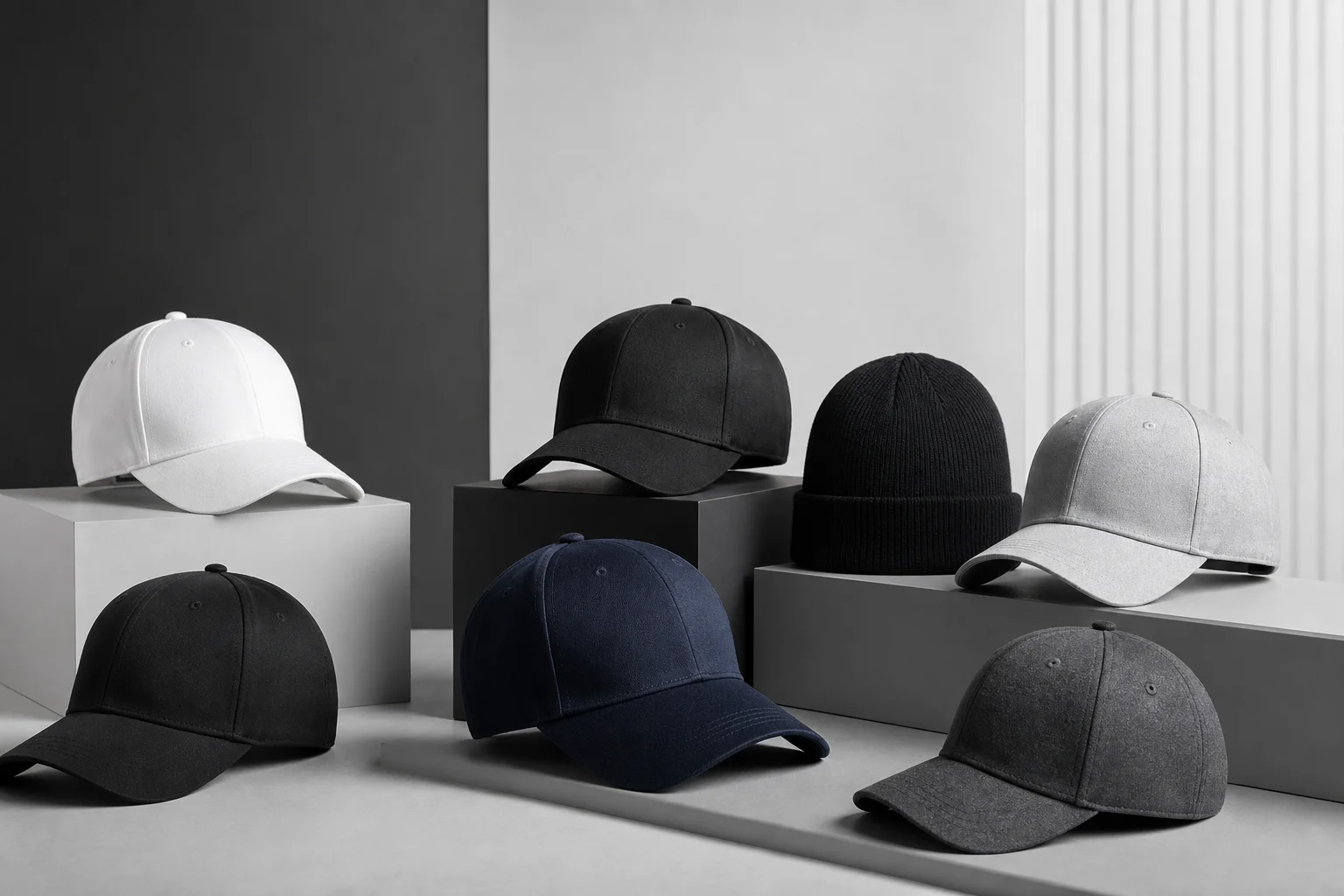
This guide is for apparel brands, retailers, distributors and promotional buyers who need to set a realistic budget, compare factory quotations and avoid cost surprises between sample approval and shipment.
What Determines Custom Hat Manufacturing Cost?
| Cost area | Main variables | Buyer action |
|---|---|---|
| Cap construction | Panel count, crown support, brim, closure and internal components | Use one technical specification |
| Materials | Fabric type, weight, color, finishing and minimum purchase | Confirm stock or custom development |
| Decoration | Technique, size, stitch count, colors, locations and artwork versions | Provide production-ready artwork |
| Branding | Labels, seam tape, sweatband, hangtags and packaging | List every private-label component |
| Order plan | Total volume and split by style, color and size | Request a quantity-based price ladder |
| Delivery | Carton volume, freight mode, destination and trade terms | Compare landed cost, not unit price alone |
Cap Structure Changes the Labor and Component Bill
A basic unstructured six-panel cap and a structured performance cap may look similar in a small image, but they do not require the same components or sewing operations. Buckram, sandwich brims, eyelets, binding, special closures, ventilation panels and reinforced seams add material and handling steps. The number of panels also affects cutting, matching and assembly.
Ask the factory to identify the crown structure, brim construction, closure, sweatband and internal support. A lower quote may simply omit a component that another supplier included.
Fabric Price Is Only One Part of Material Cost
Material cost depends on composition, weight, weave or knit, finishing, color and usable yield. Stock cotton twill can be easier to source than a custom-dyed recycled fabric. Corduroy, suede-look materials, wool blends, waterproof laminates and certified inputs may require higher purchase minimums or longer procurement.
Fabric width, directional texture and defect allowance influence how many panels can be cut from a meter. Request the material name and specification in writing. If a sustainability claim is required, confirm which document applies to the selected material and order rather than relying on a broad marketing statement.
Decoration Cost Depends on Production Detail
Embroidery is affected by stitch count, filled area, thread colors, placement and the number of hooping operations. A small dense 3D puff logo can require more setup than a larger flat mark. Patches add the cost of patch production and attachment. Screen printing, heat transfer and sublimation have different artwork, material and color limitations.
Send vector artwork where possible and state the finished dimensions. Separate front, side and back placements. If several colorways use different thread or print colors, list every version before asking for the final quotation.
Samples, Setup and Development Are Separate Costs
A physical sample validates fit, proportion, fabric, decoration and workmanship before bulk production. Development may include pattern adjustment, embroidery digitizing, screens, molds, special trims or repeated sample rounds. These are not the same as bulk unit cost.
Ask whether the quote includes one sample round, courier delivery, revised artwork and approval components. A sample fee may be credited after a bulk order, but this should be stated rather than assumed. Use the approved sample and specification as the production reference.
Private Label Components Can Carry Their Own Minimums
Woven labels, printed care labels, branded seam tape, custom sweatbands, hangtags, stickers, bags and boxes may be produced by separate component suppliers. Each can have a tooling charge, minimum quantity and unused balance. A 500-piece cap order does not guarantee that every branded component is available in exactly 500 pieces.
Request a component schedule showing unit usage, minimum order, lead time and ownership of leftovers. Standardizing label dimensions across several styles can reduce setup and simplify reorders.
Quantity and Color Splits Affect the Unit Price
Factories gain efficiency when cutting, decoration and sewing continue without frequent changeovers. Dividing one order across many colors, sizes or artwork versions reduces the run length for each configuration. The total quantity may look large while each production batch remains small.
For a clear custom hat manufacturing cost comparison, ask for prices at several total quantities and show the quantity per color. This reveals where material minimums and setup labor change. Do not order excess inventory only to achieve a lower unit price; compare the saving with storage and markdown risk.
Quality Control Has a Cost and Protects the Budget
Incoming material checks, approved samples, inline inspection, measurement review, appearance checks and final packing inspection require time. Removing inspection does not remove risk; it transfers the cost to returns, rework, delayed launches or damaged brand trust.
Define critical defects, measurement tolerances, sampling plan and corrective action before production. ISO 2859-1 is an internationally recognized reference for acceptance sampling by attributes, but the buyer and supplier still need an agreed inspection level and acceptance criteria for the actual order.
Packaging and Carton Design Affect Both Product and Freight
Individual bags, tissue, crown supports, hangtags, retail boxes and export cartons add direct cost. They also influence dimensional weight and product condition. Structured caps can lose shape if compressed to reduce carton volume, while oversized boxes increase freight cost.
Approve a pack-out using real hats. Request units per carton, dimensions, gross weight and carton marks. Compare packaging as part of the product system, not as a last-minute accessory.
Unit Price, Ex-Factory Cost and Landed Cost Are Different
A useful sourcing comparison separates product price, tooling, samples, packaging, inspection, inland transport, export handling, international freight, duty and destination charges. Suppliers may quote under different Incoterms, which means the included responsibilities are not identical.
Create a landed-cost worksheet for the same destination and shipment plan. A slightly higher factory price can deliver a lower total cost when carton efficiency, defect prevention or production reliability is better.
How to Request a Comparable Hat Quotation
- Provide style drawings or clear reference images.
- Define crown, panel count, brim and closure.
- Specify fabric, color and performance requirements.
- Provide logo files, dimensions, colors and locations.
- List labels, hangtags and packaging.
- State quantity by color and size.
- Give destination, target date and preferred trade term.
- Ask for separate sample, tooling and freight lines.
A quote based on these inputs makes custom hat manufacturing cost transparent enough for internal approval and supplier comparison.
Ways to Reduce Cost Without Weakening the Product
- Use available fabrics and colors when a custom dye is not essential.
- Limit first-order colorways and artwork versions.
- Choose one decoration technique that fits the material.
- Standardize labels and packaging across related styles.
- Right-size cartons after a physical pack-out test.
- Plan reorders before consuming leftover custom components.
Cost engineering should remove complexity that does not serve fit, durability, brand identity or distribution. It should not remove the checks that protect those outcomes.
Create a Quote Comparison Sheet Before Negotiation
Place every offer into one worksheet with identical rows for the cap specification, decoration, development fees, labels, packaging, quantity breaks, inspection, carton assumptions, trade term and quote validity. Mark exclusions instead of treating a blank cell as included. Convert currencies on the same date and keep freight separate when suppliers use different terms.
Calculate development cash before bulk, ex-factory value for the confirmed order mix and estimated landed value at the destination. This prevents a low unit price from hiding setup, packaging, inspection or transport charges. It also creates a useful negotiation basis: simplify one component or combine color quantities, then request a revised written quotation against the same specification.
Build Your Budget With QSHeadwear
Dongguan Qisheng Cap & Bag Co., Ltd. supports custom headwear development, OEM/ODM production, decoration, private labeling, quality control and packing. Review available styles in the QSHeadwear product center and send your specification through the contact page.
For an accurate custom hat manufacturing cost estimate, include artwork, material preference, quantity by color, packaging, destination and required date. The team can identify which assumptions need confirmation before sampling.
FAQ About Custom Hat Manufacturing Cost
1. How much does it cost to manufacture a custom hat?
There is no universal price. Structure, fabric, decoration, quantity, labels, packaging, inspection and delivery determine the project-specific cost.
2. Why do suppliers quote different prices for the same photo?
A photo does not define internal structure, material specification, decoration density, tolerances or packaging, so suppliers may price different products.
3. Does embroidery cost depend on logo size?
Yes, but stitch count, density, colors, placement and technique also matter.
4. Are sample fees included in bulk pricing?
Policies differ. Ask whether sampling, tooling, revisions and courier delivery are separate or credited later.
5. Can more colors increase the unit price?
Yes. Smaller runs per color can add material and changeover costs even when the total order is unchanged.
6. Do custom labels have separate minimums?
Often. Confirm the supplier minimum and treatment of unused labels before ordering.
7. What is the difference between unit and landed cost?
Landed cost adds packaging, inspection, freight, duties and destination charges to the product price.
8. Can stock materials lower cost?
They can reduce custom-dye minimums and procurement work, subject to availability and performance.
9. Should quality inspection be a separate line?
It should at least be clearly defined so every quotation covers the same inspection scope.
10. What should I send for a firm quotation?
Send the technical style, materials, logo files, quantities, labels, packaging, destination and target date.