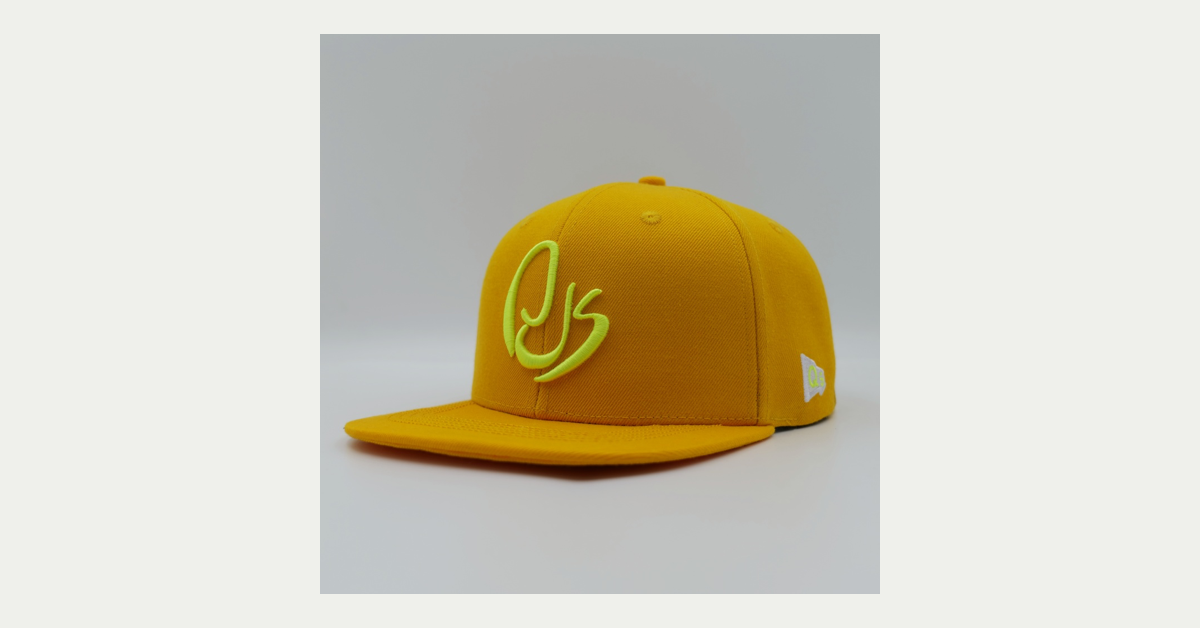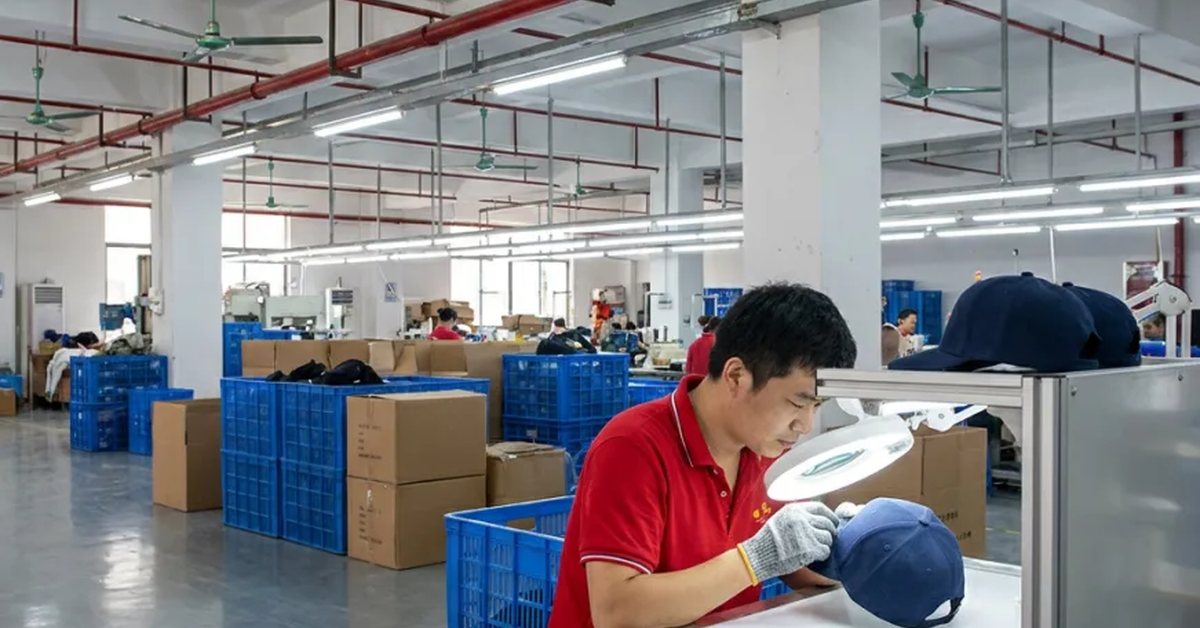


The phrase custom hat OEM ODM covers two different ways to start a product. In an OEM project, the brand usually brings a defined design, specification or reference and asks the factory to make it. In an ODM project, the factory contributes an existing base, design direction or development platform that the brand adapts. The names matter less than the ownership and approval decisions underneath them.

This decision memo is for a buyer preparing an internal recommendation. It forces the team to state what it owns, what it needs help creating, what must remain exclusive and how the sample will become a repeatable bulk product.
Write the Product Starting Point
Describe the starting material for the project: a finished physical cap, a tech pack, a CAD or AI file, a mood board, a factory base style or simply a market gap. An OEM route usually begins with more fixed inputs. An ODM route can be faster when the factory already has a proven block, but “existing” does not mean “ready for your brand.” Fit, decoration, trims and private label elements still need approval.
| Starting point | Likely route | Decision still required |
|---|---|---|
| Complete reference cap | OEM-led | Can the factory reproduce fit and construction? |
| Tech pack and artwork | OEM-led | Are measurements, materials and tolerances complete? |
| Factory base style | ODM-led | Which parts can be changed or made exclusive? |
| Mood board only | ODM or co-development | Who converts the concept into a specification? |
Separate Ownership From Manufacturing
List ownership for pattern, artwork, custom mold, fabric development, labels, packaging and final product data. A factory can manufacture your idea without owning every creative input, and an ODM base can be adapted without becoming automatically exclusive. Put the ownership question in writing before samples are developed. It is easier to agree when the project is still a plan.
Decide What Must Be Exclusive
Exclusivity can apply to a full style, a pattern, a fabric, a logo treatment, a color, a packaging system or a market. Be precise. A buyer may need an exclusive patch shape but not an exclusive five-panel block. A factory may be able to reserve a custom material for a period while continuing to offer a similar silhouette. Define the boundary, duration, territory and approved exceptions.
Compare Development Risk
OEM projects can carry pattern and construction risk because the supplier must translate a brand’s design into production. ODM projects can carry differentiation risk because an existing base may look too familiar or be difficult to make exclusive. Both routes need a sample gate. The question is not which route has no risk; it is which risk the team can manage with its people, time and budget.
| Risk | OEM question | ODM question |
|---|---|---|
| Fit | Can the supplied measurements become a stable block? | Which existing block fits the target wearer? |
| Materials | Can the requested fabric be sourced consistently? | Can the base fabric be changed without losing shape? |
| Decoration | Can the artwork survive the chosen surface? | How will decoration make the base distinctive? |
| Timing | How many pattern revisions are realistic? | What existing components can shorten sampling? |
Use a Two-Lane Sample Plan
When the route is uncertain, request two small development lanes. Lane A can translate the brand’s reference into an OEM sample. Lane B can adapt a factory base through crown, brim, material, decoration and label changes. Compare them on fit, cost, distinctiveness, lead time and bulk repeatability. The result is more useful than debating the acronym in a meeting.
Define the Brief in Production Language
Use finished measurements, material codes, color references, decoration coordinates, seam construction, closure range, label position and packing orientation. A mood board can remain in the file for creative context, but the purchase brief should make it possible for a different person to inspect the sample without guessing what the designer meant.
Ask What the Factory Can Prove
QSHeadwear describes support for tech packs, AI/PDF artwork and physical references, plus a process covering design, sampling, production, quality and delivery. Ask for project-specific proof: a measured sample, a decoration test, a material reference, a capacity date and a quality checklist. General capability is a useful starting point; evidence tied to your style is what supports an approval.
Make the Brand Layer Deliberate
Private labels, woven marks, inner tape, sweatband prints, hangtags and retail packs should be planned together. The brand layer is not only a logo on the front. It is the set of details a customer sees when opening, wearing, washing and storing the hat. Record which elements are essential, which are optional and which require a separate sample.
Review Cost Beyond Development
Compare sampling fees, pattern charges, material minimums, decoration setup, testing, labels, packing and tooling alongside the unit quote. OEM can require more initial development. ODM can reduce some development work while adding adaptation or exclusivity costs. Use a total project view and identify which expense creates reusable value for future styles.
Set the Approval Authority
Choose one person to consolidate feedback from design, merchandising, operations and quality. Record the final decision, date and sample ID. An OEM or ODM project slows down when four people send conflicting approvals. A clear owner does not remove collaboration; it gives the factory one reliable answer.
Custom Hat OEM ODM Decision Checklist
Use this checklist in the internal recommendation: starting point, design owner, exclusive elements, target wearer, fit reference, material availability, decoration route, sample rounds, minimum order, target landed cost, required labels, packaging, inspection evidence and delivery date. Mark each line as decided, test required or open. That status is more useful than a confident paragraph that hides unresolved work.
Then write the reason for the route in one sentence. Choose OEM when the brand’s construction and identity are already defined and the team can supply a disciplined specification. Choose ODM when a factory base can shorten development and the brand has a clear plan for adaptation and differentiation. Choose co-development when the product idea is strong but the production language still needs to be built. The custom hat OEM ODM decision should follow the evidence, not a preference for one label.
Ask for a side-by-side cost view that separates one-time development from repeatable unit cost. Pattern work, tooling, special trims and material setup may be valuable across several seasons, while a one-off decoration setup may not be. Showing those layers helps finance judge the project fairly and prevents a lower first quote from hiding a higher reorder cost.
Include a decision owner for each risk. Design can own differentiation, product can own fit, sourcing can own material continuity, quality can own release criteria and logistics can own the delivery assumption. This division keeps the custom hat OEM ODM memo practical when a sample exposes a tradeoff that no single department can solve alone.
Keep a dated decision memo with the approved sample and the commercial assumptions. When a team member changes, the next person can see why a route was chosen, which compromises were accepted and which evidence was still pending. For inspection terminology, buyers may consult ISO 2859-1 while defining their own cap defect list.
Choose the Route With a Reorder in Mind
The right route is the one that can support the next order without rebuilding the product from memory. Retain the pattern, bill of materials, artwork, measurements, trim references, packaging and inspection evidence. Browse QSHeadwear product categories, review the OEM/ODM service page, confirm factory information and send the decision memo through the contact page when starting a custom hat OEM ODM project.
OEM and ODM Questions for Hat Buyers
What is the simplest difference between OEM and ODM?
OEM generally starts from a brand-defined design or specification, while ODM begins with a factory-developed base or design platform that the brand adapts.
Is ODM always faster?
It can be when the base is proven, but custom materials, fit changes, decoration and exclusivity still require development time.
Can an ODM style become exclusive?
Potentially, if the scope, territory, duration and exclusive components are agreed in writing.
What should an OEM tech pack include?
Include measurements, tolerances, materials, construction, decoration coordinates, trims, labels, packing and quality criteria.
Who owns the pattern?
Do not assume. State pattern ownership and permitted use as part of the project agreement.
Should I compare OEM and ODM samples?
When the starting point is uncertain, a two-lane comparison can reveal the better balance of fit, differentiation, cost and timing.
What does a factory need from a mood board?
Use it for direction, then convert it into measurable construction, material, decoration and branding decisions.
How should I protect artwork versions?
Use dated file names, one approval owner and the approved artwork in the purchase documentation.
Can OEM and ODM be combined?
Yes. A brand may adapt a factory base while adding its own pattern, material, decoration or packaging elements.
What should be retained for reorders?
Keep the approved sample, pattern, bill of materials, measurements, artwork, trims, labels, packing and inspection records.