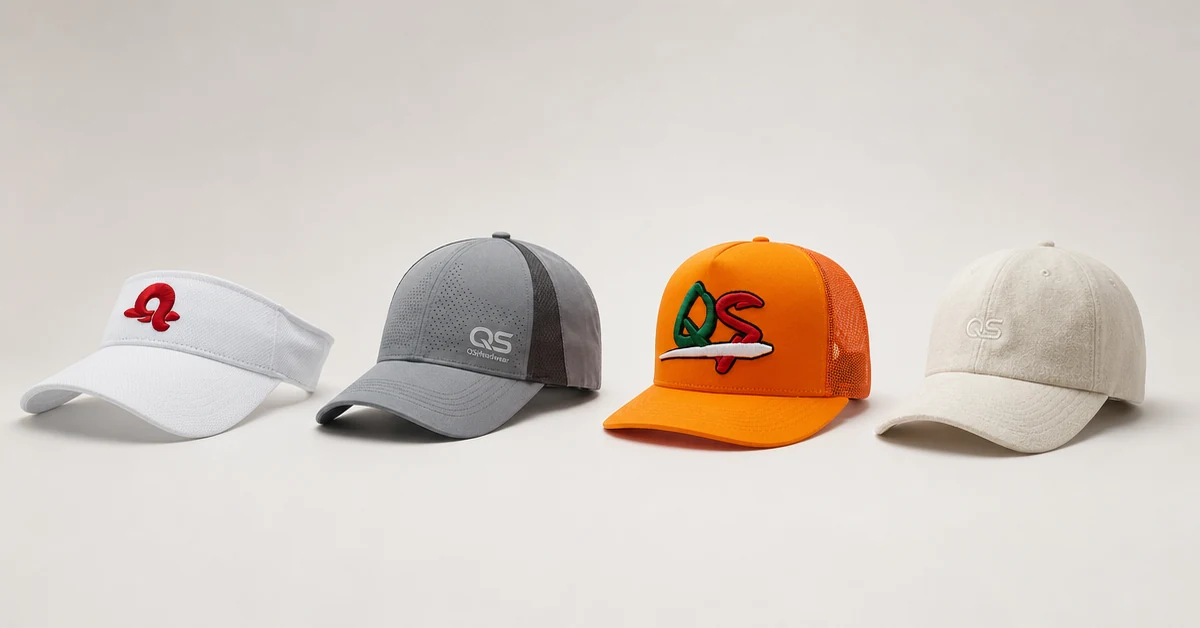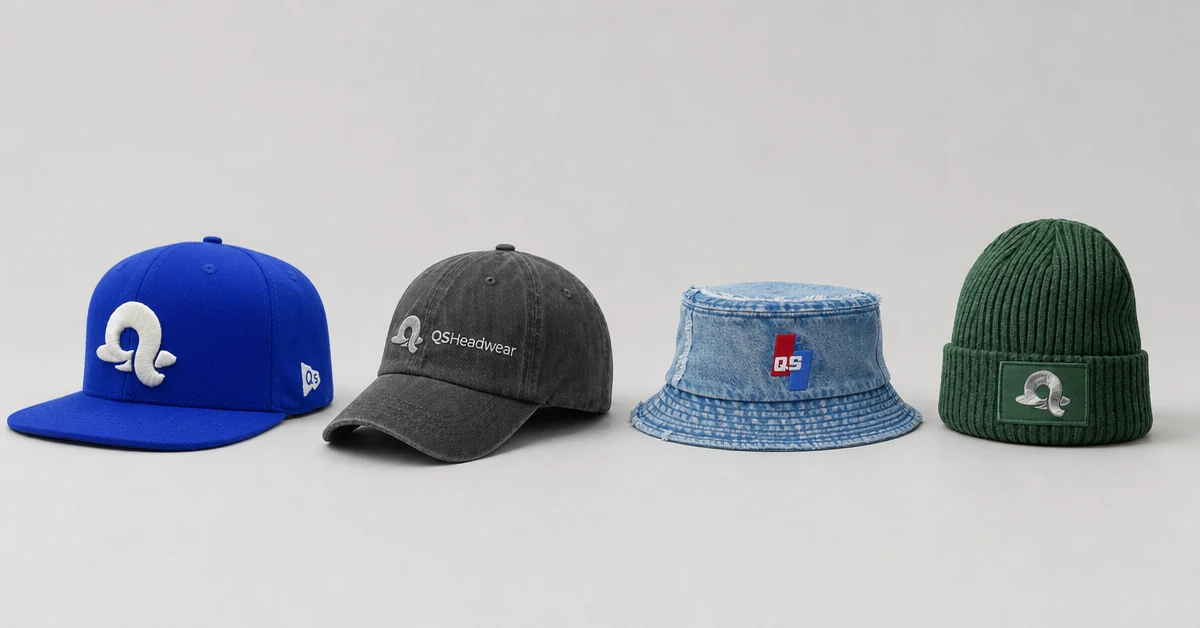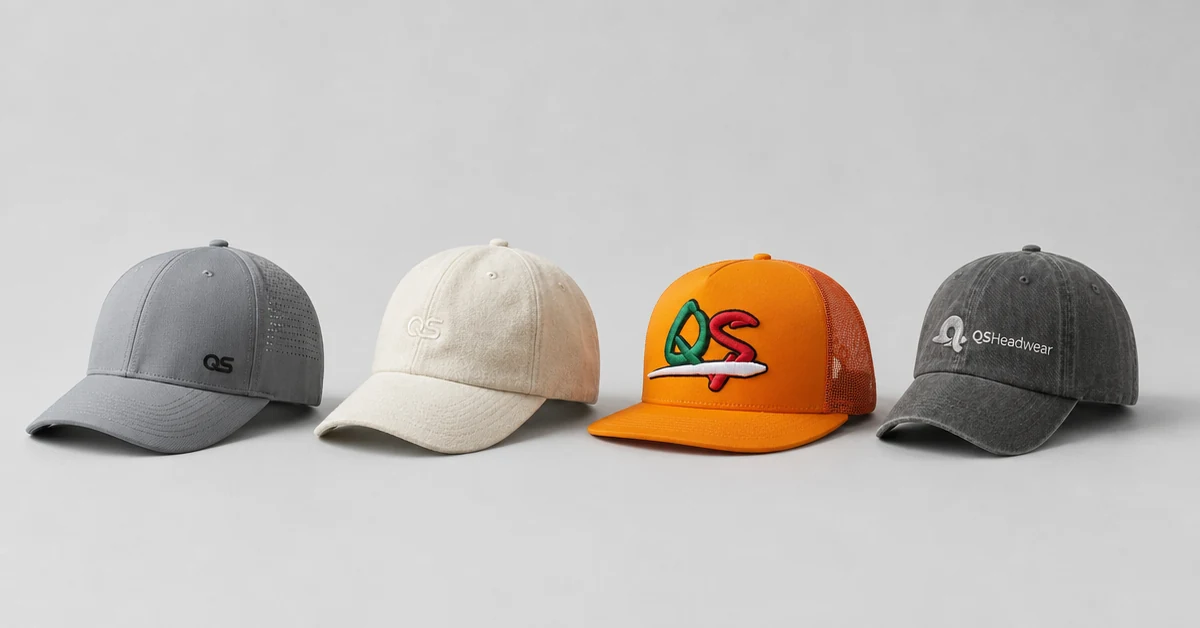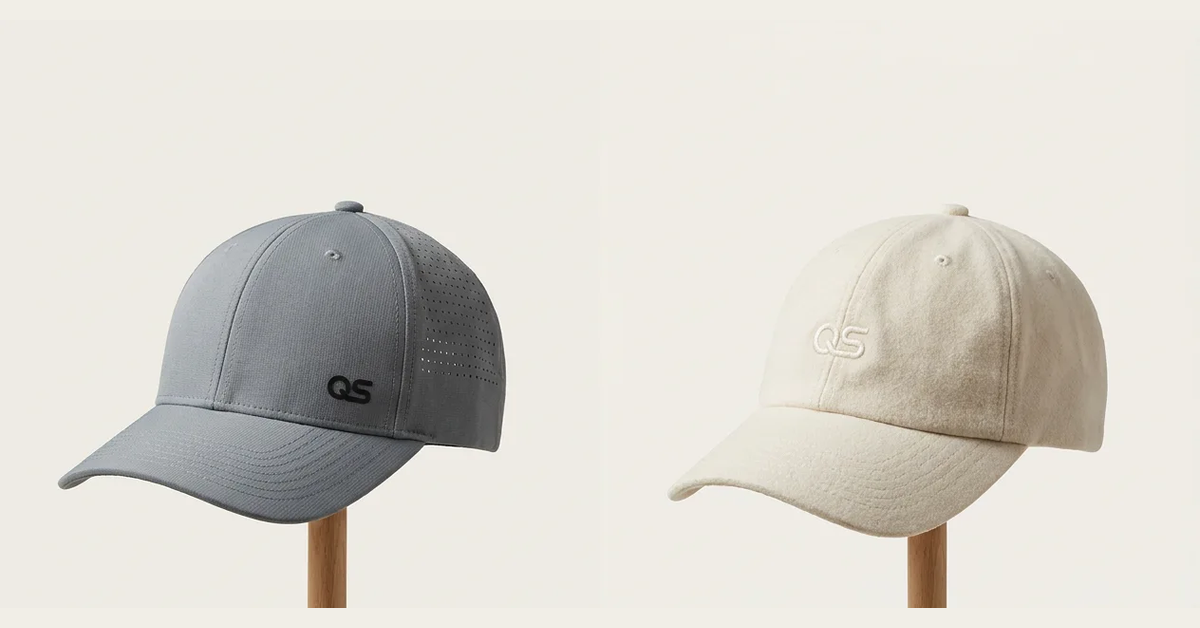


A custom hats with logo manufacturer should help a brand turn artwork into a cap that is recognizable, wearable and repeatable. The logo is only one part of the product: crown profile, fabric, decoration, inside labels, hangtags, packaging, inspection and delivery all affect the customer's impression. Buyers need a written specification and a physical sample before comparing final unit prices.
This guide is for apparel brands, retailers, distributors, corporate buyers and e-commerce teams sourcing branded headwear for a launch, campaign or repeat collection.
Custom Logo Hats: The Direct Buyer Answer
Shortlist a supplier that can recommend a suitable cap block, reproduce the logo at finished size, control color and placement, provide private-label components, approve a physical sample, document quality checks and explain MOQ and delivery. Send the same brief to every candidate so the samples and quotes describe the same product.
Logo Hat Buyer Decision Table
| Decision | What to define | Evidence to approve |
|---|---|---|
| Cap fit | Crown, brim, closure, size range and wearing context | Measurement sheet and wear sample |
| Logo method | Embroidery, patch, print, transfer or mixed locations | Finished-size proof and sample |
| Color | Cap, thread, ink, patch and trim references | Swatch and color approval |
| Branding | Inside labels, hangtags, bags, inserts and cartons | Component list and artwork versions |
| Quality | Measurements, workmanship, placement and defect limits | Inspection plan and report |
| Delivery | Quantity by color, destination and required date | Written production calendar |
Start With the Cap, Not the Artwork
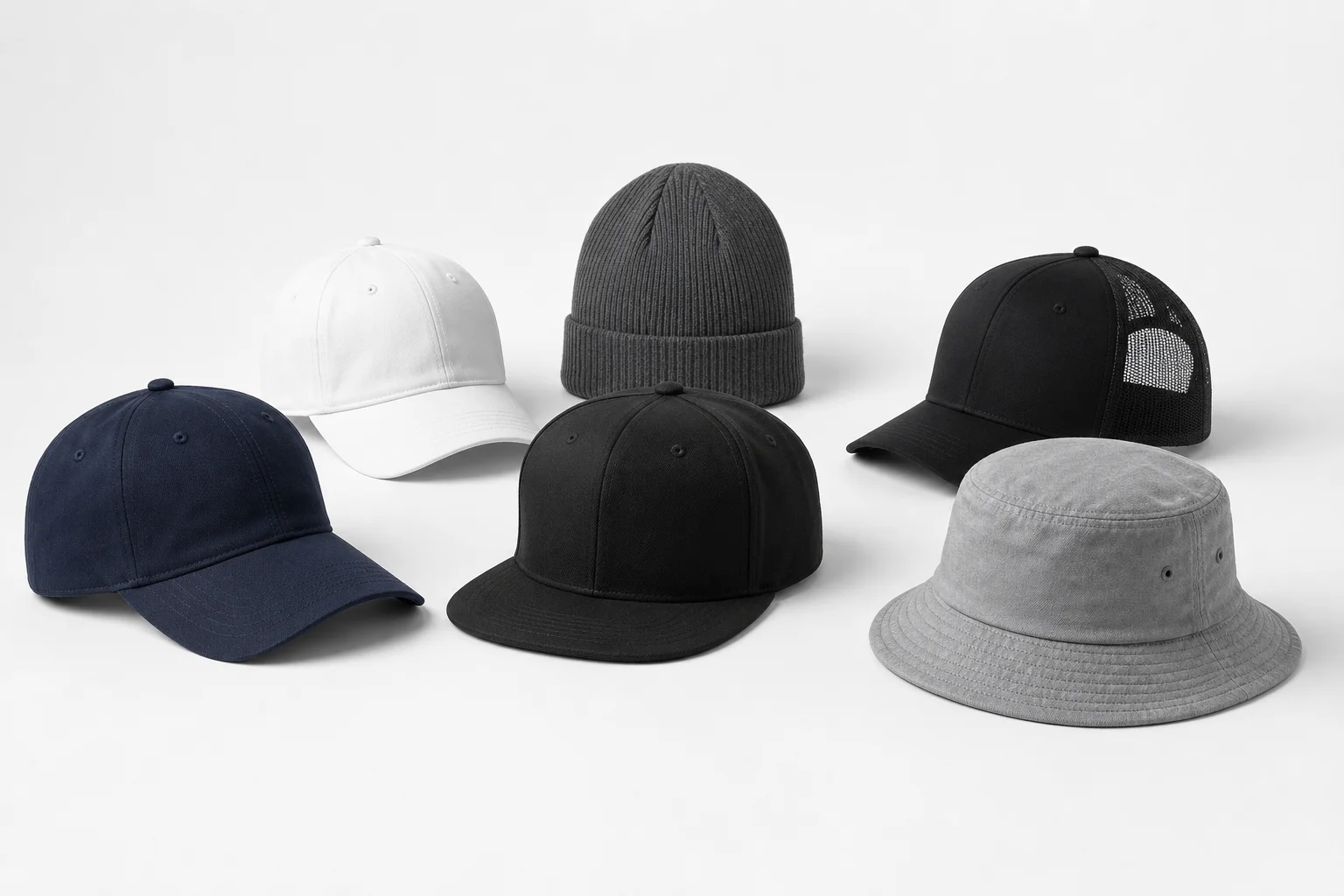
A logo cannot fix a cap that does not fit the target customer. Choose structured or unstructured construction, panel count, brim shape, closure and fabric before finalizing decoration. A fashion label may prioritize silhouette and hand feel, while a corporate program may prioritize adjustment range, durability and easy distribution.
Ask the custom hats with logo manufacturer whether the proposed block is standard or newly developed. A proven block can shorten sampling; a new pattern can make the product more distinctive but needs more fit checks.
Prepare Artwork for Production
Provide vector artwork, finished dimensions, color references, logo locations and any clear-space rule. State whether the artwork is allowed to be simplified for small decoration. A digital logo file does not specify stitch density, underlay, ink spread, patch edge or how the mark follows a curved panel.
Request a production proof at the final size. Check small text, narrow gaps, outlines, thread or ink colors and distance from seams. Keep the approved file with a revision date.
Choose the Right Logo Technique
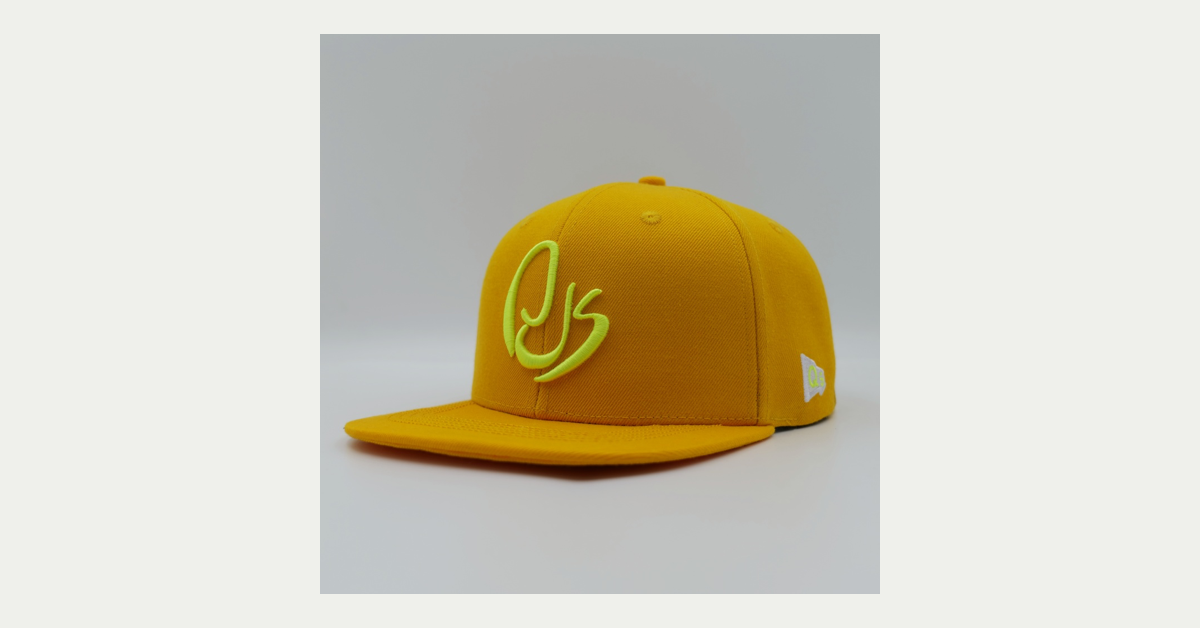
Flat embroidery suits many wordmarks and simple symbols. 3D puff embroidery adds height but needs bold shapes and enough space. Woven, leather and PVC patches create a distinct surface and can preserve fine detail. Screen printing, heat transfer and sublimation can cover larger graphics but depend on fabric, color and curing conditions.
Ask for a recommendation linked to the artwork and cap material. A responsible supplier will explain limitations instead of promising that every logo works in every process.
Control More Than the Front Logo
List side, back and underbrim decoration, sweatband print, woven label, size label, care label, hangtag, barcode, polybag, insert and carton mark. Approve each component separately and record material, dimensions, color, wording and attachment. This prevents the logo from being correct while the finished brand experience is inconsistent.
Use a Complete Sample Review
- Compare the cap silhouette with the written specification.
- Measure the key points and try the fit on the intended head form.
- Check logo scale, position, color and edge quality.
- Inspect inside labels, sweatband and closure.
- Review packaging, barcode and carton pack-out.
- Photograph any deviation and return one consolidated comment sheet.
QSHeadwear states that physical samples are typically completed in 3-5 business days after requirements are aligned. The actual schedule depends on material availability, decoration complexity and feedback speed.
Verify Supplier Capability With Evidence
| Capability signal | Order-level follow-up | Evidence |
|---|---|---|
| Multiple decoration methods | Which method fits the selected artwork? | Proof and physical sample |
| Flexible production | What quantity and line are available for the target month? | Project schedule |
| Private-label support | Which labels and packaging can be produced? | Component samples |
| Quality program | What will be checked before shipment? | Inspection checklist |
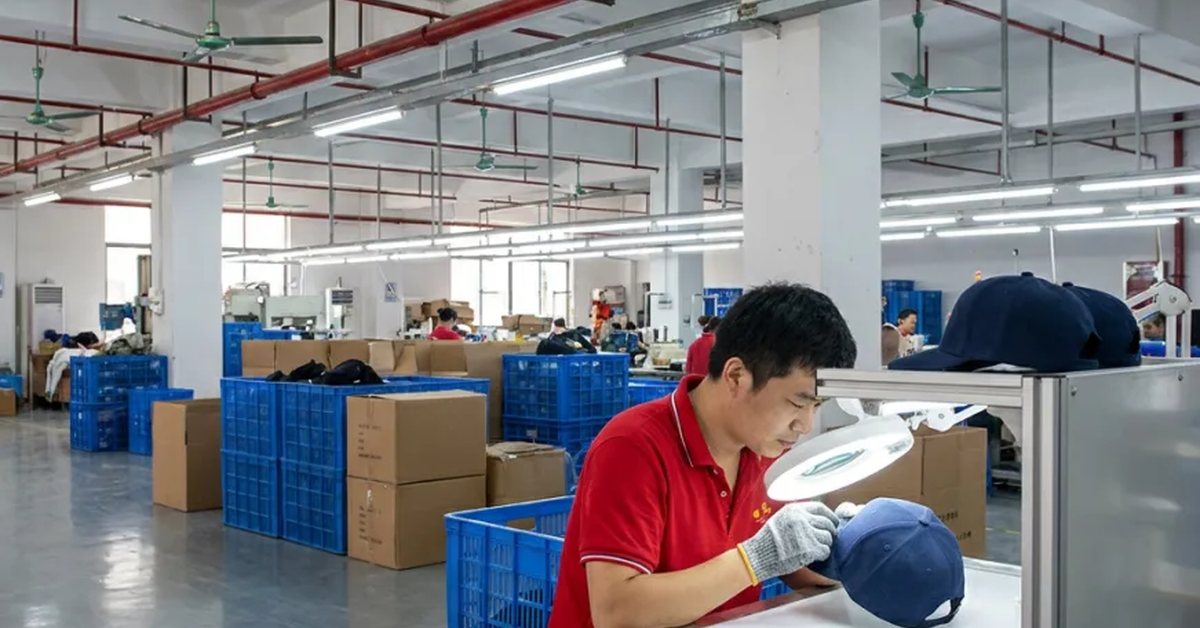
QSHeadwear publicly presents more than 15 years of custom headwear experience, 100+ staff, 4,000+ square meters of production space and multi-stage quality control. Treat those as company-level signals and confirm the current scope for the specific logo hat order.
Plan MOQ and Color Splits
MOQ may come from the cap, fabric, thread, ink, patch, label or packaging supplier. Ask for minimums by style, color, artwork and component. A small total order divided across many logo versions can be less efficient than a focused first run.
For a launch, keep the core logo consistent and limit variations that do not test a meaningful customer or campaign decision. Confirm how unused custom labels or packaging are stored for reorders.
Define Logo Quality Before Bulk
Set tolerances for logo position, size, color, stitch or print appearance, cap measurements, shade, closure function, loose threads and cleanliness. QSHeadwear describes incoming material checks, pre-production approval, in-line monitoring and final AQL 2.5 inspection. Ask which records will be available for the actual order.
Compare a Complete Logo Hat Quote
Request separate prices for sample, digitizing or setup, cap, decoration, labels, packaging, inspection, cartons and freight. State destination and trade term. Compare the same quantity by color and the same packing assumptions so a low unit price does not hide exclusions.
Protect Reorders With Version Control
Keep the approved sample, artwork, color references, label files, packaging instruction and inspection plan together. Record any material or decoration change before production. After delivery, review on-time performance, logo defects, returns and customer feedback.
Create a Logo Application Matrix
When a brand uses several cap styles, create one matrix showing which logo version appears on the front, side, back or underbrim of each style. Record finished size, technique, thread or ink color, backing and distance from seams. This prevents a supplier from applying a large front mark to a soft cap where it will distort, or using a small detail that disappears on a patch.
The matrix also helps merchandising and customer service explain why related products look consistent without being identical. Approve the matrix with the sample set and keep it with the purchase order so future colorways can be added without rewriting the whole brand brief.
Use the QSHeadwear product center, OEM/ODM service page and factory information to prepare your brief. Then use the contact page to request a sample, MOQ and quote from a custom hats with logo manufacturer.
FAQ About Custom Hats With Logo
1. What should a logo hat RFQ include?
Include cap style, measurements, fabric, artwork, finished logo size, colors, locations, labels, packaging, quantity and destination.
2. Which logo method is best for a custom hat?
It depends on artwork detail, cap material, size, durability, hand feel and budget; approve a proof and sample before bulk.
3. Can a supplier work from a logo file only?
A logo file is a start, but the supplier also needs the cap construction, finished size, placement and production requirements.
4. How do I approve logo colors?
Use thread, ink or patch references and compare them with a physical sample under normal viewing conditions.
5. Do labels and packaging have separate minimums?
Often. Confirm minimums and lead times for each custom component.
6. How fast can a logo hat sample be made?
QSHeadwear states typical physical samples take 3-5 business days after requirements are aligned, subject to complexity.
7. What quality checks matter most?
Check fit, logo scale and position, color, workmanship, closure function, labels and packaging against the approved sample.
8. Can one logo be used on several cap styles?
Yes, if the finished size, placement and technique are adapted to each cap and approved separately.
9. How should logo hat quotes be compared?
Use the same cap, artwork, quantity split, packaging, inspection scope, destination and trade term.
10. How can I protect brand consistency?
Keep versioned artwork, approved samples, color references, component records and a written change-control process.