

Buying custom promotional hats wholesale requires more than choosing a low-cost cap and placing a large logo on it. The buyer must connect audience, campaign use, cap style, fit, decoration, quantity, packaging, distribution and the required in-hand date. A product that arrives late, feels uncomfortable or reproduces the logo poorly can undermine the campaign even when its unit price is low.
This guide is for corporate marketing teams, promotional distributors, event organizers, agencies, sports programs and retailers sourcing branded caps at scale.
Promotional Hat Sourcing: The Direct Buyer Answer
Start with the audience and distribution event, then define one or two cap options that fit the climate, dress level and campaign budget. Send the same artwork, quantity, packaging and in-hand date to shortlisted suppliers. Approve a physical sample and build the calendar backward from the event date.
Compare sellable or distributable quality, complete landed cost and delivery reliability. The cheapest cap has little value if fit, branding or timing fails.
Campaign Buyer Decision Table
| Campaign factor | Buyer decision | Factory input |
|---|---|---|
| Audience | Employees, customers, fans or event visitors | Suitable fit and style options |
| Use | Outdoor, retail gift, uniform or giveaway | Material and construction advice |
| Brand visibility | Front, side, back or multi-position logo | Decoration proof and placement |
| Quantity | Total, colors and delivery locations | MOQ, price breaks and capacity |
| Packaging | Bulk, individual, retail-ready or kitted | Pack-out and carton plan |
| Deadline | Required receipt date with event buffer | Milestone and freight options |
Choose the Hat for the Audience
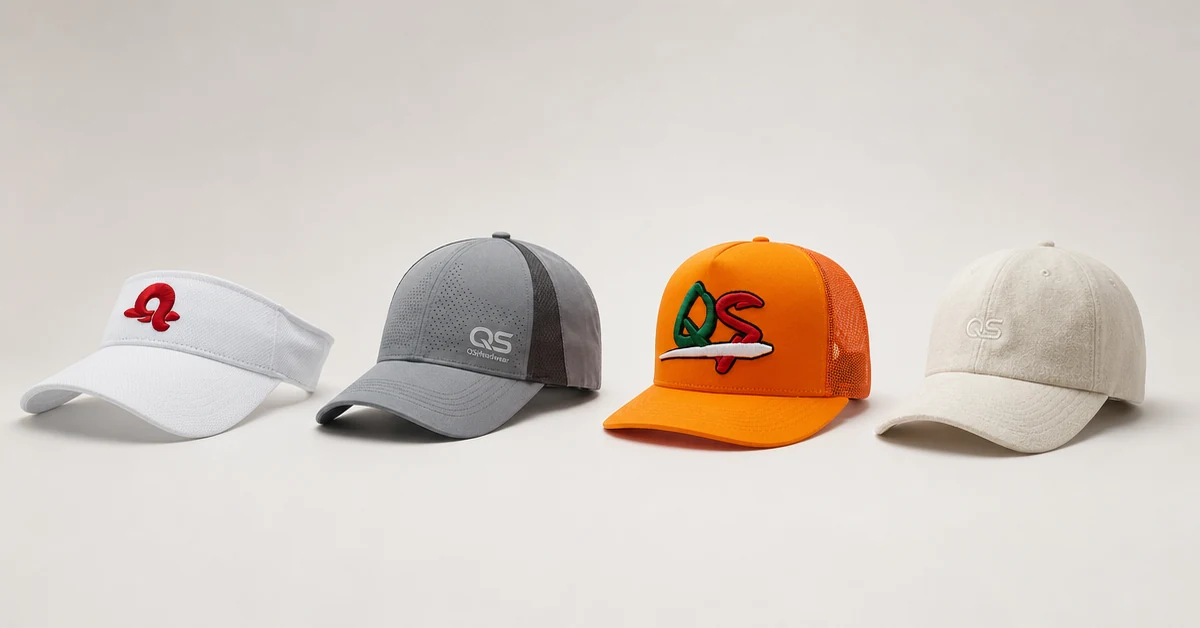
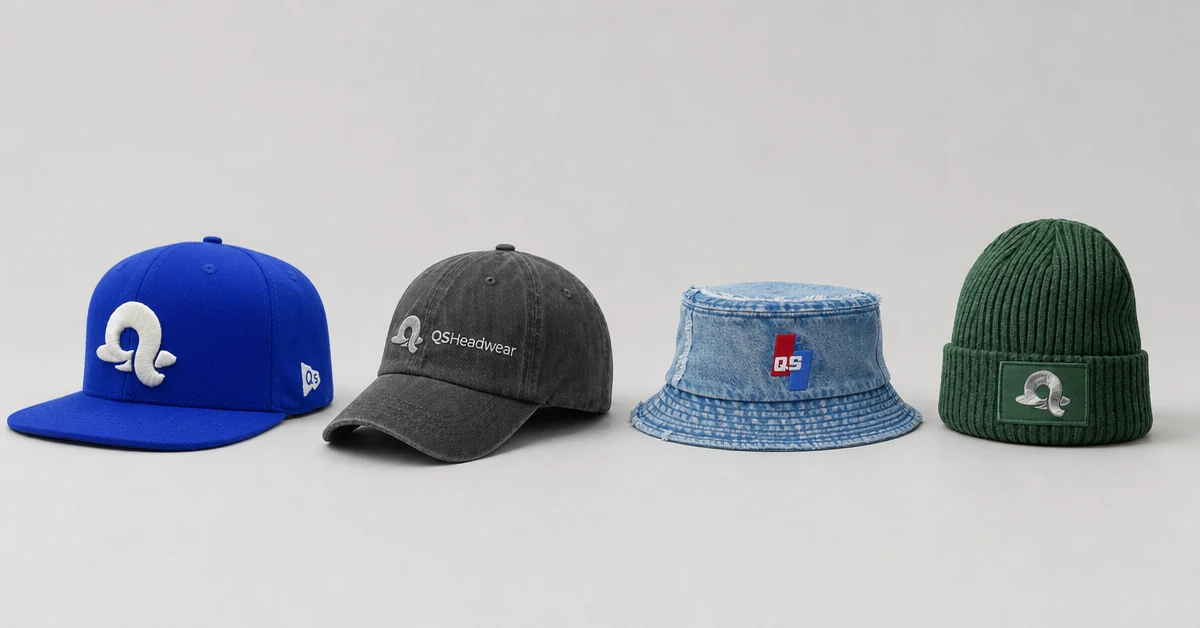
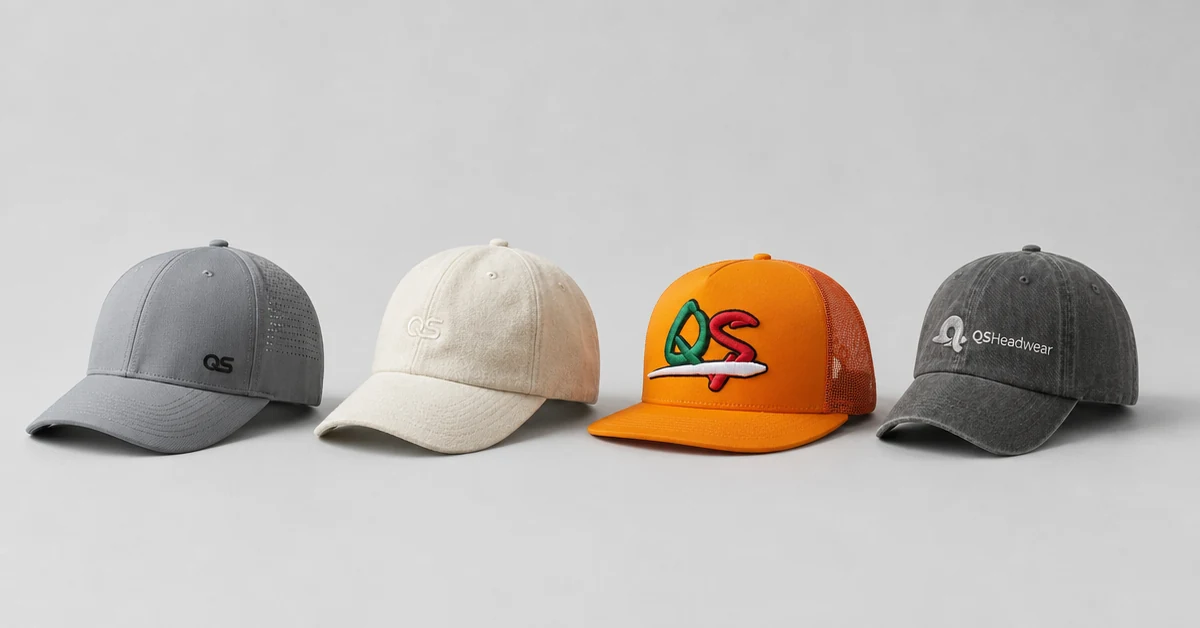
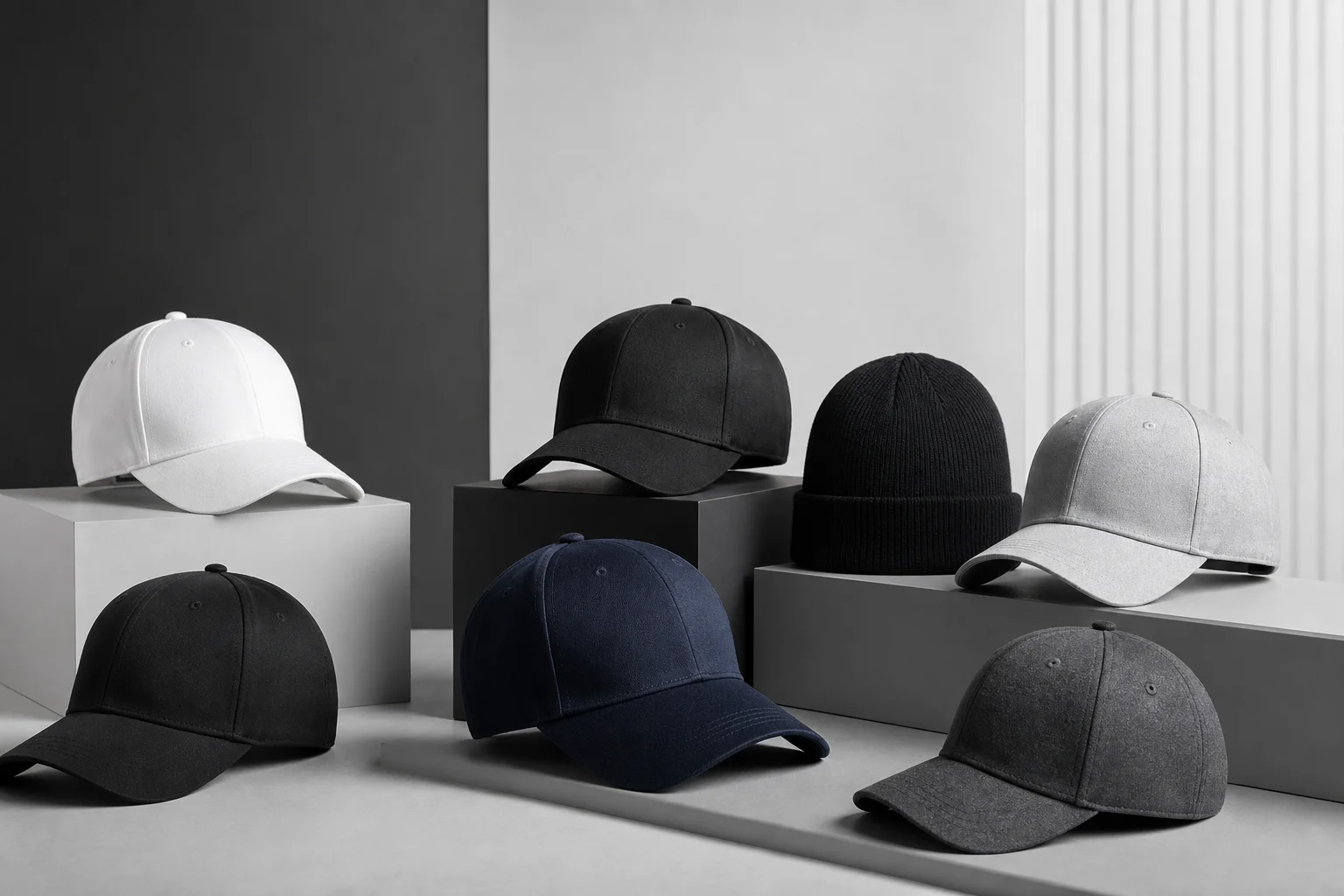
Baseball caps provide broad familiarity. Trucker hats offer ventilation and a distinct promotional profile. Dad hats can feel casual and fashion-oriented. Visors suit some sports or warm-weather programs, while beanies fit colder seasons. Select the style according to who will wear it, not only the available price.
Request a fit range and sample. If the audience is broad, check adjustment, brim visibility, pressure points and how the hat looks on different users.
Plan Logo Visibility Without Sacrificing Wearability
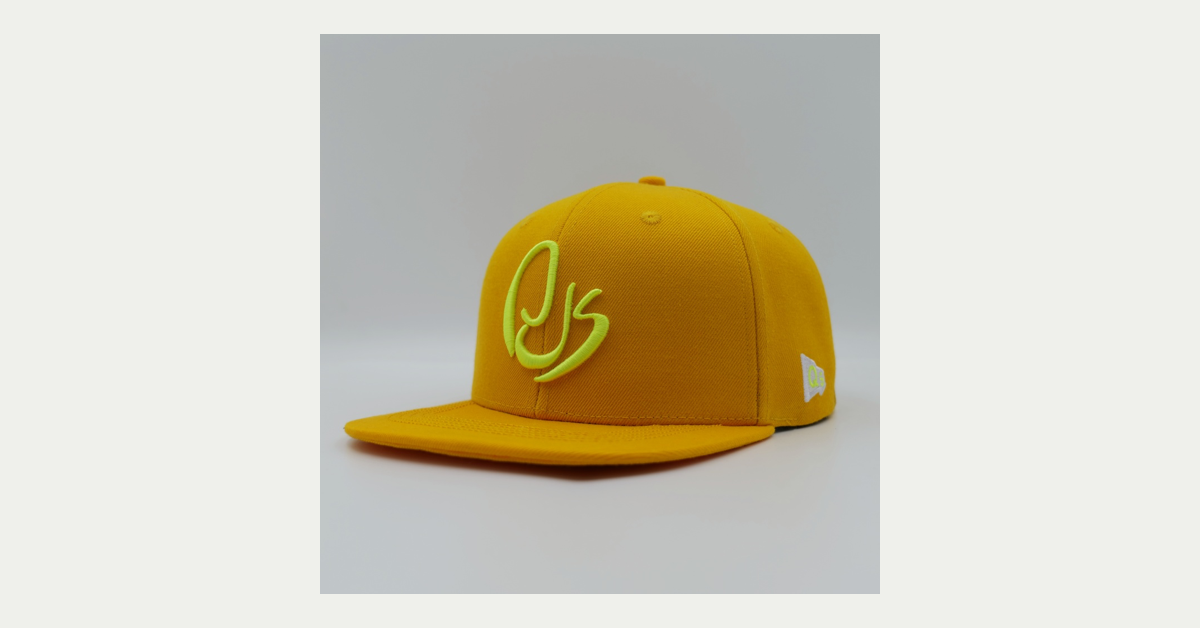
Define the viewing distance, artwork detail, finished size and brand colors. Flat embroidery, 3D embroidery, patches, screen printing and transfer methods create different results. A very large or dense logo can make the front stiff or uncomfortable.
Approve a proof with dimensions and placement from seams. Ask the supplier to flag unreadable text and process limits before sampling.
Use Quantity Breaks to Build the Budget
Request price breaks using the same specification. Show quantities by style, color and artwork. Ask whether mixed colors count toward the total and which custom components have separate minimums. Include samples, setup, labels, packaging, cartons and freight.
A custom promotional hats wholesale program may save unit cost at scale, but overbuying can create storage and obsolescence. Balance price breaks against realistic distribution.
Approve the Physical Sample Before the Campaign Calendar Locks
Check cap shape, fit, fabric, color, logo, stitching, closure, cleanliness and packaging. Photograph the approved sample and record measurements, artwork version and accepted tolerances. If several campaign stakeholders approve the item, name one final decision owner.
QSHeadwear states physical samples are typically completed in 3-5 business days after requirements are aligned. Add time for buyer feedback and corrections.
Verify Factory Capacity Against the Required Month
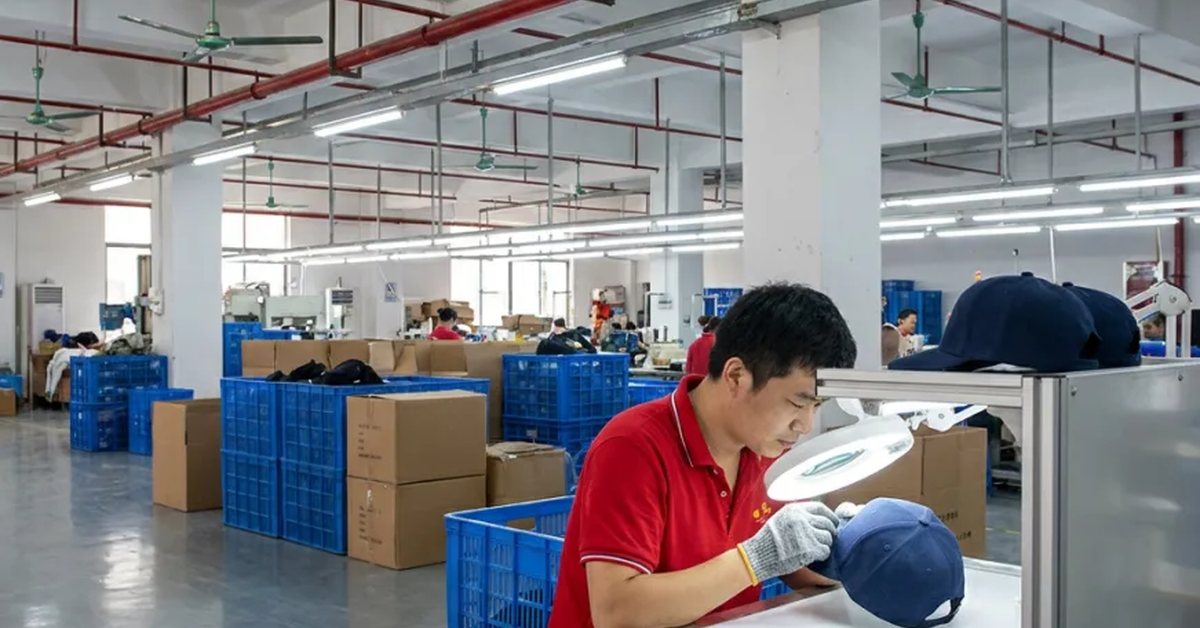
QSHeadwear publicly states 120,000-150,000 pieces of monthly capacity, supported by 100+ staff and 4,000+ sqm of production space. General capacity is useful evidence, but buyers should ask how much capacity is available for the specific style, quantity and shipping month.
Request a milestone plan and production updates. A capacity figure without material readiness and line allocation is not a delivery promise.
Build the Timeline Backward From the In-Hand Date
Start with event or distribution date, then allow receiving buffer, transit, export handling, final inspection, packing, production, materials, sample approval and artwork release. State whether the supplier date is ex-factory, dispatch or arrival.
QSHeadwear presents typical bulk production around 15-20 days and 25-30 days for orders above 5,000 pieces, subject to complexity. Select air, sea, express or available DDP arrangements only after comparing cost, timing and responsibility.
Design Packaging for Distribution
Bulk event distribution may use simple protective packing, while executive gifts or retail programs may need individual bags, barcodes, inserts or custom boxes. Confirm carton quantity, weight, dimensions and labels for every destination.
If caps are shipped to fulfillment centers, provide routing, barcode and carton-mark requirements early. Packaging changes after production can delay dispatch.
Protect Logo and Color Consistency
Approve thread, patch or print colors against a defined reference. Review logo size and position on actual caps from different cartons. If several cap colors are used, confirm whether one thread color works across all backgrounds or separate proofs are required.
Keep the approved artwork and sample with the inspection plan. Do not allow an operator to scale or reposition the logo without written approval.
Inspect Promotional Hats at Scale
Define critical measurements, workmanship, logo tolerances, closure function, stains, loose threads and packing accuracy. Classify defects and state the response to failed lots. Include carton count and destination labels in the inspection scope.
QSHeadwear describes material checks, pre-production approval, in-line monitoring and final AQL 2.5 inspection. Request the order-specific inspection plan and result.
Compare Landed Cost per Delivered Hat
Add development, setup, decoration, labels, packaging, inspection, cartons, freight, duties and destination handling. Divide the complete cost by usable hats delivered to the required location. This is more meaningful than comparing ex-factory unit prices alone.
Ask how shortages, damaged cartons, late delivery or quality rework will be handled. Record commercial terms before approving the purchase order.
Plan Multi-Location and Phased Delivery
When goods go to several offices or events, provide the quantity, address, contact, carton labels and required date for each location. Confirm whether the factory will split cartons or deliver to one consolidator. A phased plan may reduce storage but requires clear inventory control.
Use a shipping matrix and require tracking or shipment references. Keep one owner responsible for resolving destination changes.
Score Promotional Hat Suppliers
Score sample accuracy, logo execution, fit, capacity evidence, QC plan, packaging, schedule, price clarity, communication and corrective action. Set non-negotiable requirements for brand color, event date and safety before totals are calculated.
A supplier of custom promotional hats wholesale should ask about audience, distribution and in-hand date instead of only requesting a logo and quantity.
Measure the Campaign and Improve the Reorder
After distribution, record fit feedback, wear rate, defects, packaging waste, leftover stock, delivery performance and total cost. Keep the approved product file and remaining brand components. This evidence improves the next campaign.
Ask whether the same fabric, color, closure and artwork setup will remain available. Reserve critical components early when a repeat date is known.
Prepare a Deadline Contingency Plan
Before production begins, agree on the last dates for artwork approval, material release, final inspection and freight booking. Define what happens if one milestone slips. Options may include reducing color complexity, splitting delivery, changing the transport mode or moving a noncritical insert to the destination market. Any option should be costed and approved before it becomes urgent.
Do not solve a delay by removing inspection or accepting an unapproved substitution. Ask the supplier of custom promotional hats wholesale to report completed and accepted quantities, open decisions and revised dates. Marketing, warehouse and event teams should receive the same status so distribution promises remain aligned with the production plan.
Send a Promotional Hat RFQ
Provide audience, use, style, artwork, quantity by color, packaging, destinations, target receipt date and inspection requirements. Ask for price breaks, material availability, sample timing and a milestone calendar.
Review the corporate and promotional cap page, product center, customization workflow and factory evidence. Request a sample and quote through the contact page for custom promotional hats wholesale.
FAQ About Custom Promotional Hats Wholesale
1. Which hat style is best for a promotion?
The best style depends on audience, climate, use, brand position, fit range, budget and distribution method.
2. How should promotional hat quantities be planned?
Estimate recipients, buffer, color split, locations and realistic leftover stock, then compare price breaks on the same specification.
3. Which logo method should a buyer choose?
Choose according to artwork detail, cap material, viewing distance, desired texture, durability and budget.
4. Can several cap colors share one logo setup?
Sometimes, but contrast and thread or print colors should be approved on every background.
5. How much time should an event order allow?
Plan sample approval, buyer feedback, materials, production, inspection, packing, transit and an arrival buffer.
6. Should promotional hats be individually packed?
It depends on distribution. Retail, gifting and fulfillment programs often need more detailed packing than a bulk event giveaway.
7. What should the inspection cover?
Inspect fit, measurements, workmanship, logo size and placement, closure, cleanliness, quantity, packaging and carton labels.
8. How can buyers compare supplier pricing?
Compare the same product and calculate landed cost including setup, packaging, inspection, freight and destination handling.
9. Can one order ship to multiple locations?
It may be possible. Provide a destination matrix, quantities, carton labels, contacts and dates before packing.
10. What information is needed for a campaign quote?
Send audience, style, artwork, quantity split, packaging, delivery locations, in-hand date and inspection requirements.