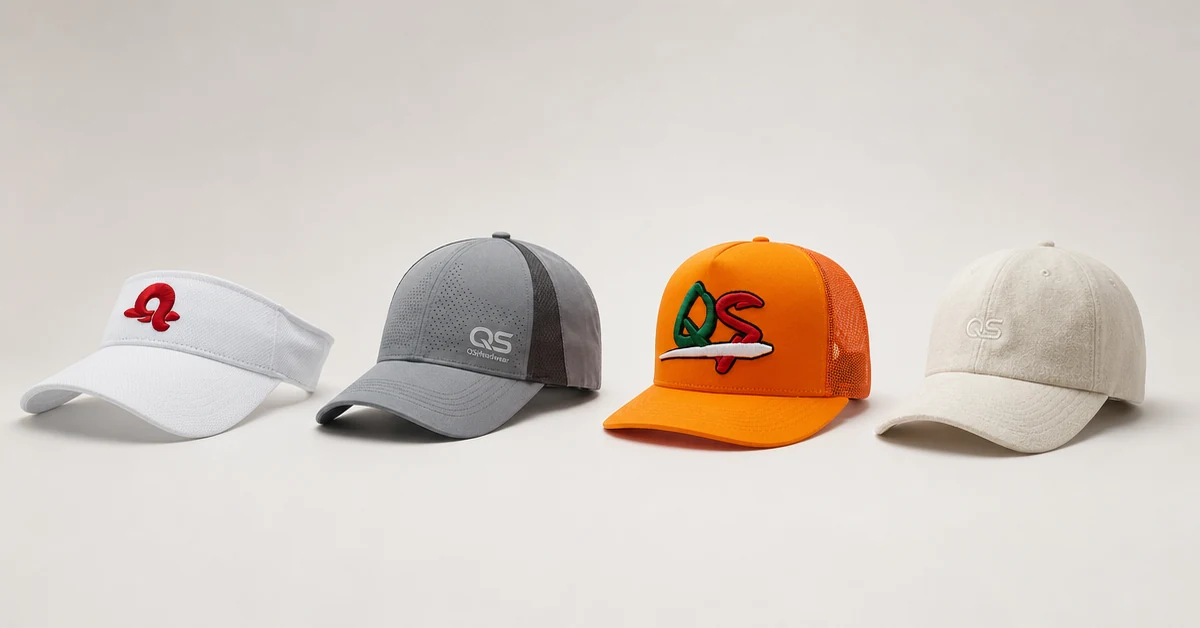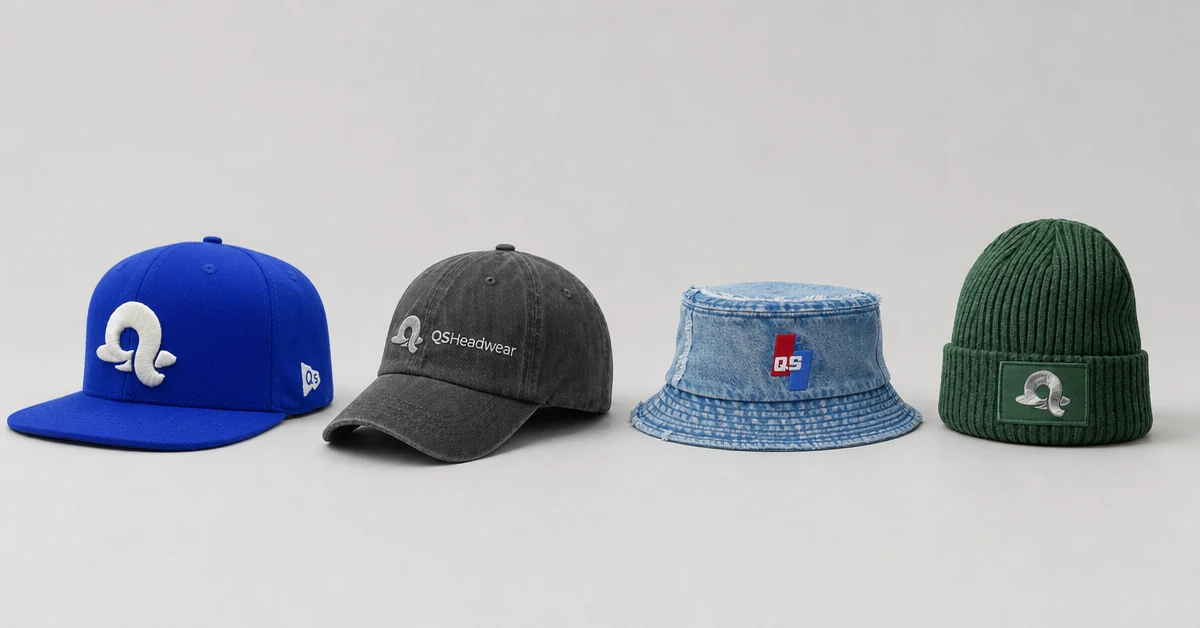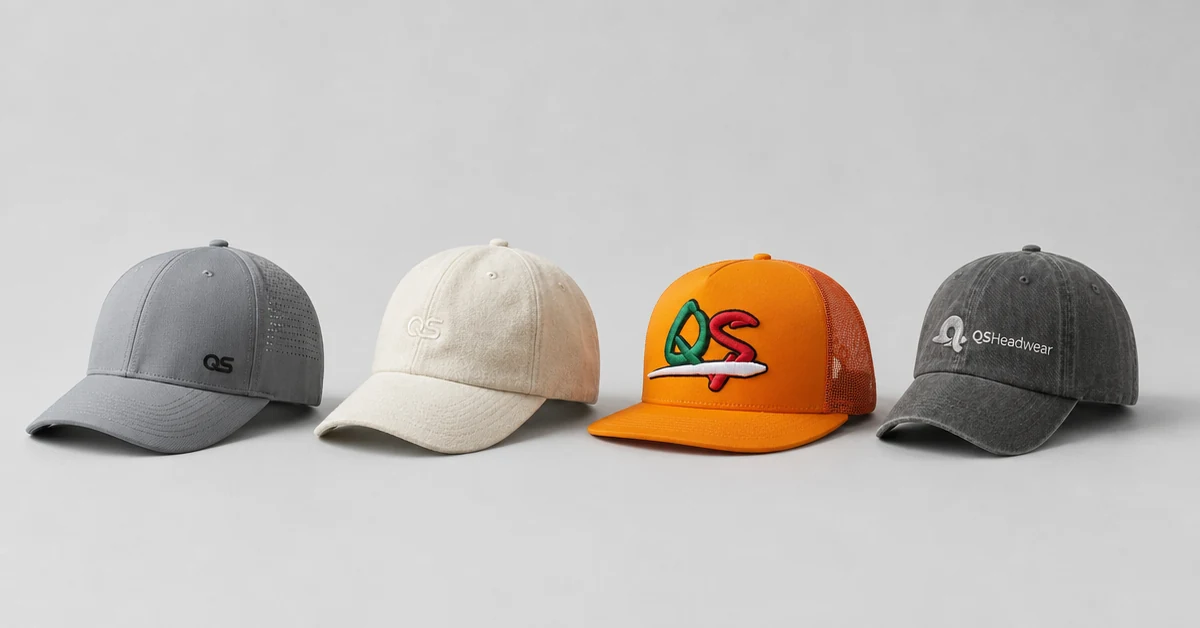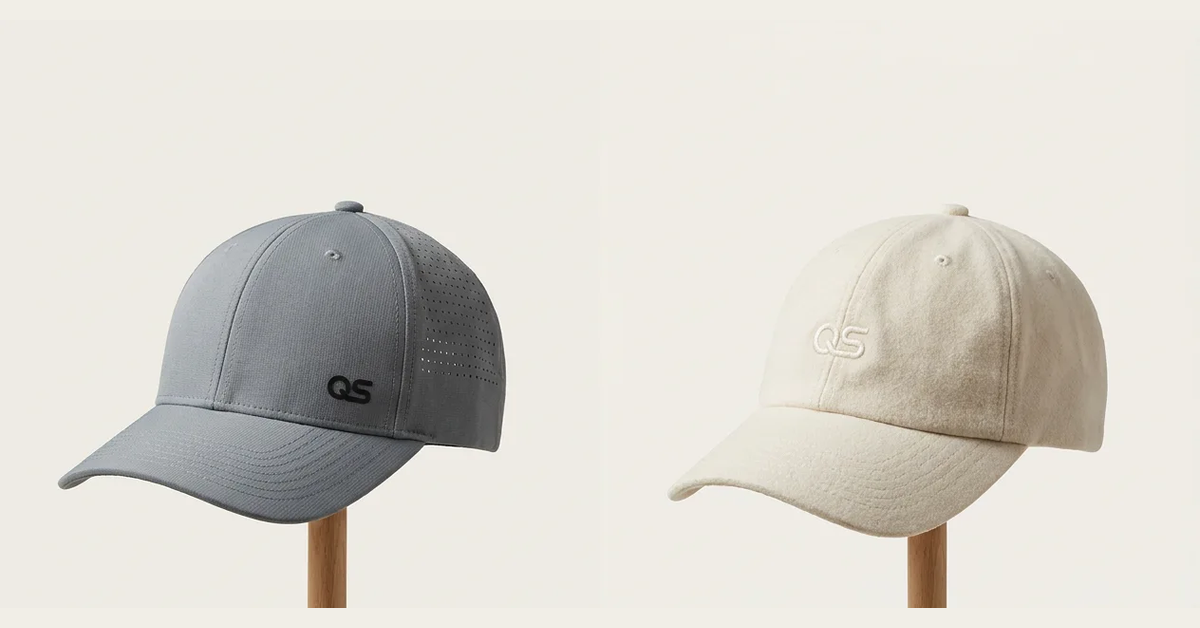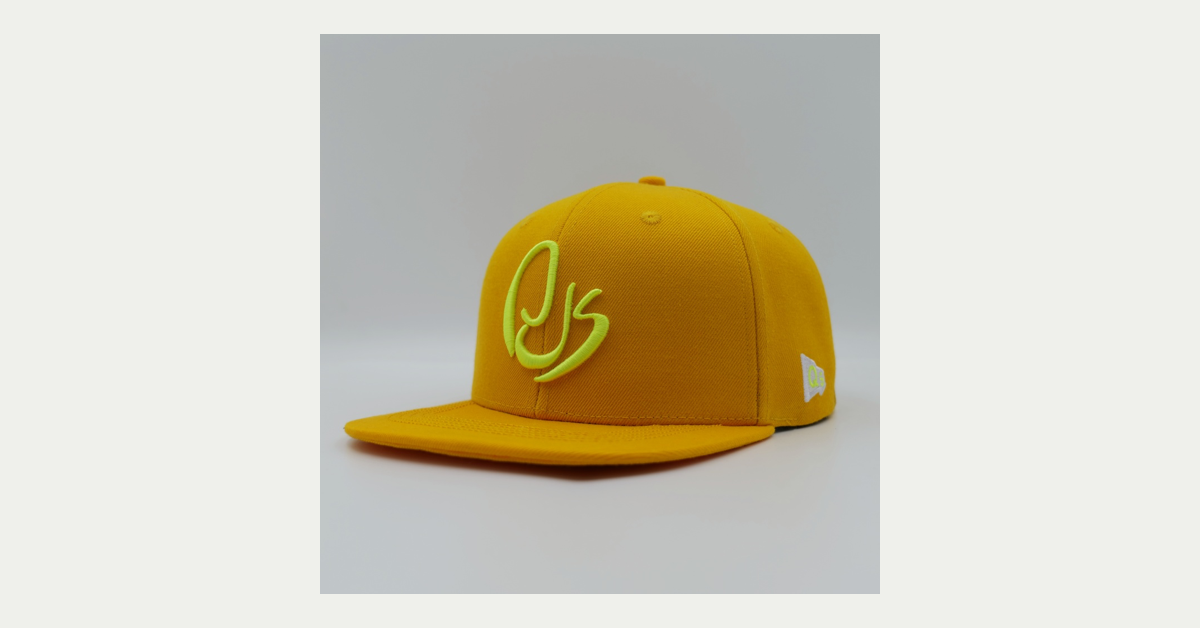


Custom PVC patch hats use a molded component rather than thread or printed ink to create a crisp, dimensional brand mark. The technique can support bold colors, weather-oriented styling and fine outlines, but success depends on artwork simplification, relief height, patch flexibility, edge design and attachment to a curved textile surface.
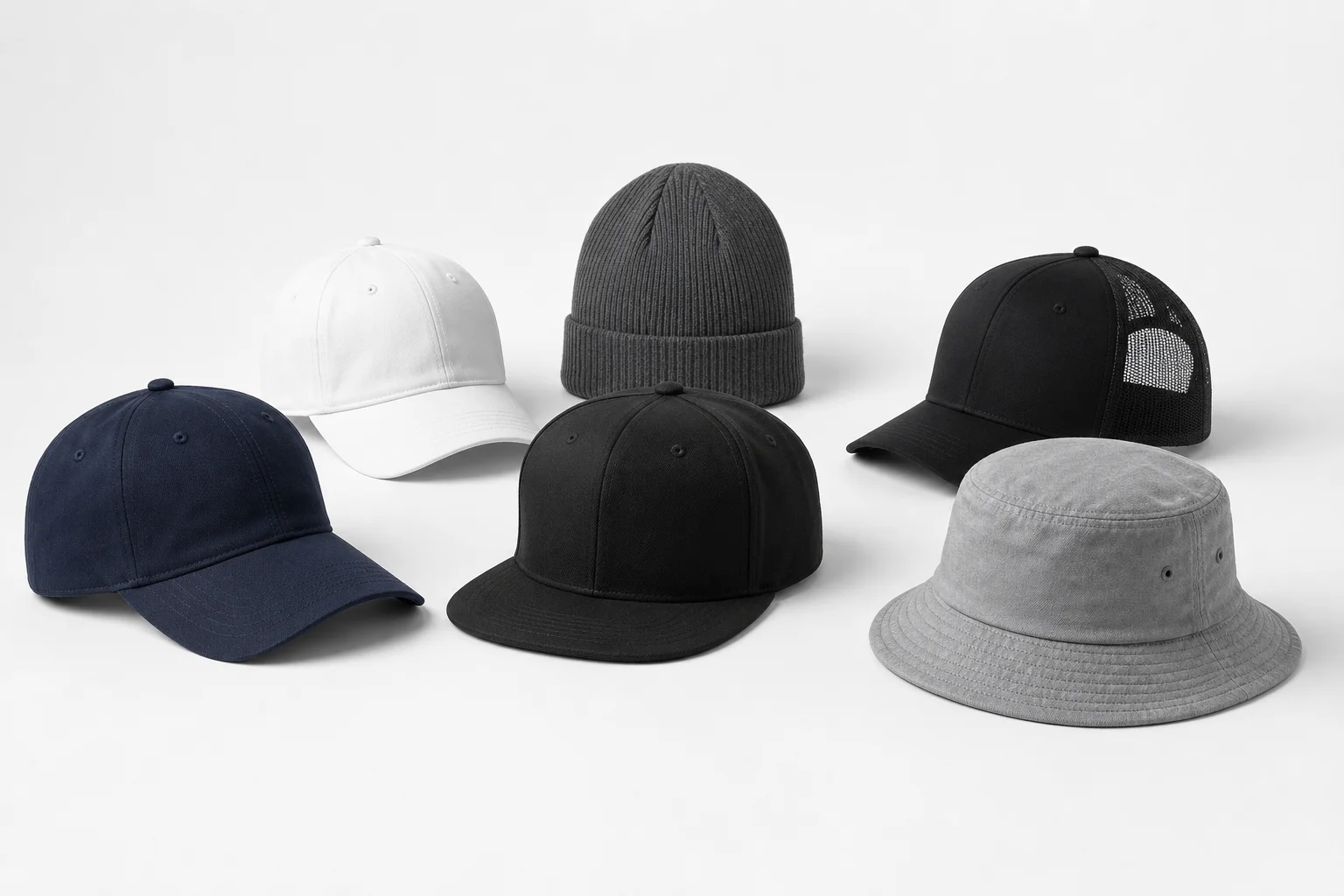
This guide helps outdoor, workwear, sports, streetwear and merchandise buyers evaluate the patch as an engineered component rather than a decorative sticker.
PVC Patch Hat Sourcing: The Direct Answer
Convert artwork into a production-size relief drawing, approve color references and patch thickness, choose a backing and attachment compatible with the cap fabric, then test the finished cap for flex, edge lift and comfort. Clarify mold ownership, setup cost and reorder storage before paying for development.
PVC Patch Development Table
| Decision | Buyer specification | Evidence to approve |
|---|---|---|
| Artwork | Finished size, relief levels, line width and border | Mold drawing and proof |
| Material | Softness, thickness, finish and color | Physical patch sample |
| Backing | Flat, recessed, fabric-backed or other construction | Cross-section specification |
| Attachment | Sewing channel, adhesive or combined method | Finished cap sample |
| Placement | Panel curve, seams and wearer contact | Wear and flex test |
| Reorder | Mold ownership, file version and storage | Written tooling record |
Simplify Artwork for Molded Relief
Provide vector artwork and final dimensions. Identify raised, recessed and base areas, plus the height of each level. Very thin lines, sharp inside corners and tiny text may not mold or read clearly. Ask for minimum line and gap recommendations at the intended size. Review a monochrome relief proof before spending time on color.
Control Color as a Material Decision
PVC color is mixed into the molded component and can appear different from a digital screen or embroidery thread. Define a physical reference or accepted color tolerance, especially for brand colors. Review neighboring colors for bleed or insufficient separation and confirm whether a matte, gloss or textured surface changes perceived shade.
Specify Thickness, Flexibility and Edge Shape
A thick patch can create strong depth but may resist a curved crown. A softer patch follows the panel more easily but can show waves if attached poorly. Define total thickness, relief height, hardness or flexibility direction and border shape. Rounded corners often reduce snagging, while a sewing channel can support consistent attachment.
Match Attachment to the Cap Fabric
Sewing is visible and mechanically reliable when the patch includes a suitable border or channel. Adhesive options depend on PVC backing, fabric, coatings, heat and intended care. A combined approach may be appropriate for some designs. The maker of custom PVC patch hats should sample the selected attachment on the exact production fabric and panel curve.
Check Placement, Weight and Wearer Comfort
Keep the patch clear of stiff seams and brim transitions unless the design has been engineered for them. Inspect the inside of the cap for stitch backing or pressure points. A large front patch changes the way a soft crown folds, while a side patch may contact equipment or the wearer. Evaluate the complete hat, not only the loose patch.
Perform a Practical Patch Sample Test
- Compare finished dimensions and relief with the approved drawing.
- Check brand colors under normal lighting.
- Flex the cap and inspect edges and attachment.
- Rub the patch surface and check color transfer.
- Wear-test weight, stiffness and inside comfort.
- Review the patch after the agreed care procedure.
QSHeadwear states typical physical samples take 3-5 business days after requirements are aligned. A new mold, color matching and durability testing can add time before the finished-cap sample is ready.
Clarify Mold Cost and Ownership
Ask whether the setup covers one size, one shape and one relief design, who owns the mold, how long it will be stored and whether it can be used for future colors. Record the approved drawing and mold reference. A resize or relief change may require new tooling even when the logo looks similar.
Set PVC Patch Quality Criteria
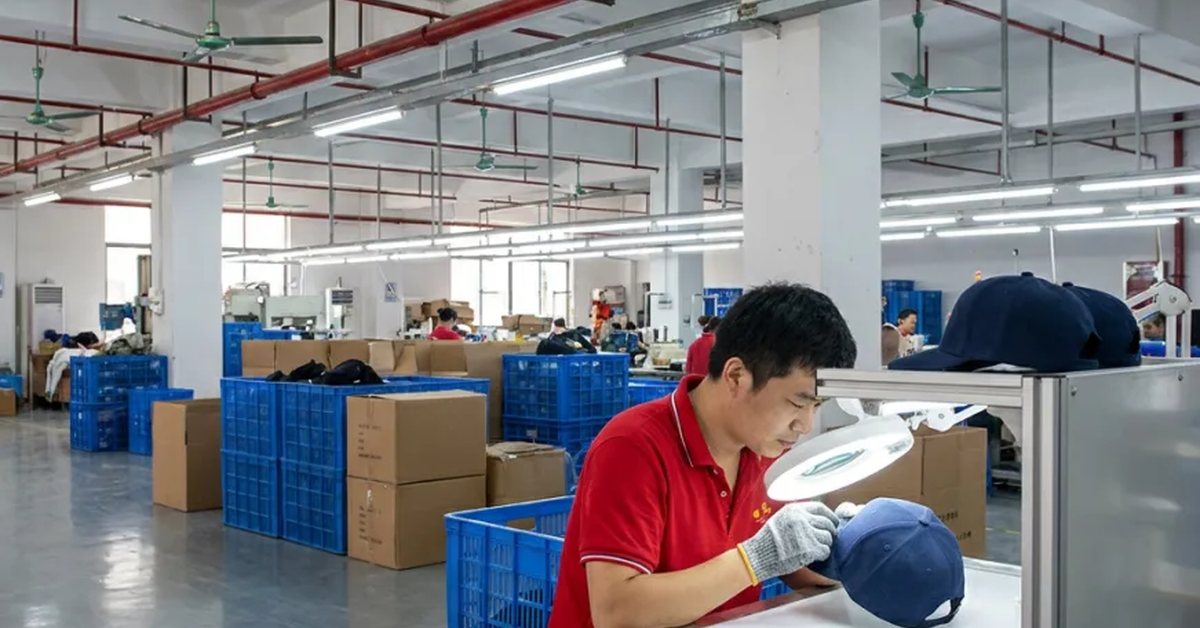
Define dimensions, thickness, relief, color, surface finish, edge cleanliness, attachment position, stitch appearance, adhesion, cap measurements and pack-out. QSHeadwear describes incoming material, pre-production, in-line and final AQL 2.5 checks. Ask how loose patches, color variation and molding defects will be classified.
Protect the Patch During Packing
Confirm that caps are not compressed in a way that creases the panel around the patch. Gloss surfaces may show rubbing, while raised elements can mark adjacent caps. Test nesting, tissue or individual bags and carton pressure. Allow any adhesive or heat-assisted process to stabilize before packing.
Compare PVC With Other Patch Types
Woven patches can capture fine textile detail, embroidered patches create thread texture and leather patches offer a different material story. PVC provides molded relief and color separation. Compare visual result, flexibility, weight, setup, care, attachment and order size using physical samples rather than a single price.
Request a PVC Patch Hat Sample
Explore QSHeadwear cap styles, review custom development services and read the company profile. Send vector artwork, finished size, relief, colors, cap fabric, quantity and durability needs through the contact page to develop custom PVC patch hats.
FAQ About Custom PVC Patch Hats
1. What artwork works for a PVC patch?
Bold vector shapes with controlled line widths, gaps and relief levels work best; simplify very small text at production size.
2. Can PVC patches use several colors?
Yes. Define physical color references and review separation between neighboring colors on the sample.
3. How are PVC patches attached to hats?
They may be sewn, bonded or attached with a combined method depending on backing, fabric, curve and care needs.
4. Does a PVC patch need a mold?
A custom relief design normally needs tooling; confirm cost, ownership, approved reference and storage terms.
5. Can a thick PVC patch curve with a cap?
It depends on patch size, flexibility, relief and crown shape, so test the finished component on the actual cap.
6. What affects PVC patch MOQ?
Mold setup, patch size, colors, cap fabric, attachment, labels and packaging can affect minimums and cost.
7. How long does sampling take?
QSHeadwear states typical cap samples take 3-5 business days after alignment; new tooling and color matching add time.
8. What defects should QC inspect?
Check relief, color, dimensions, surface, edges, attachment, placement, cap shape and packing damage.
9. Are PVC patches suitable for outdoor hats?
They can suit outdoor styling, but bonding, flexibility, abrasion and care should be tested for the intended use.
10. How can a reorder match the first patch?
Retain the mold reference, drawing, colors, material, attachment settings, approved sample and inspection criteria.