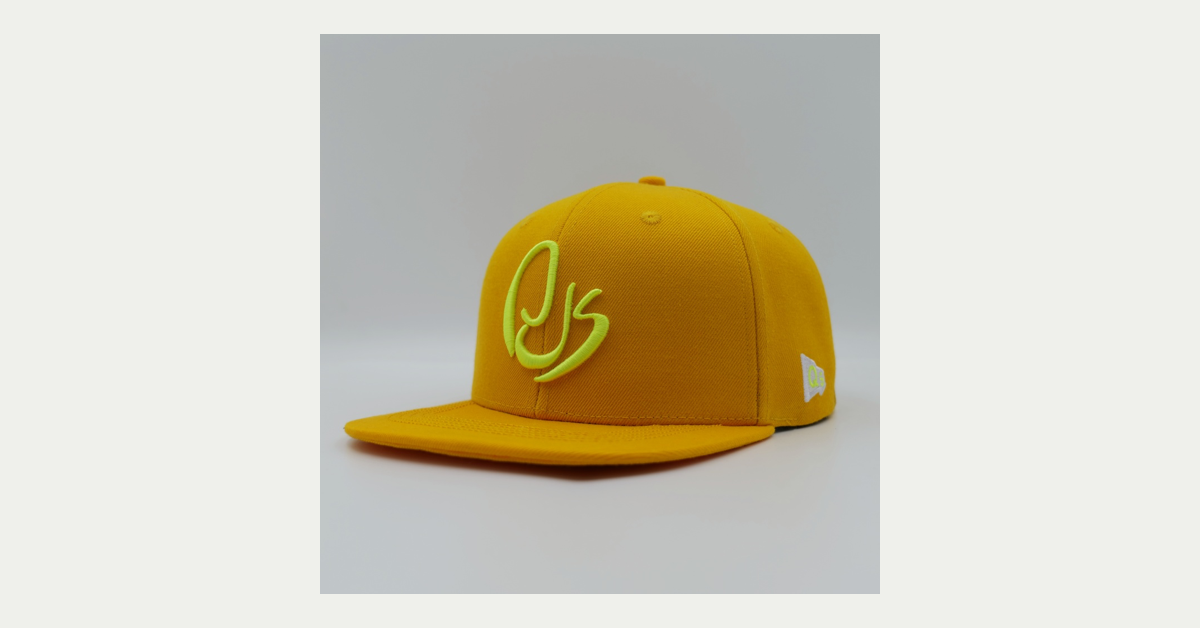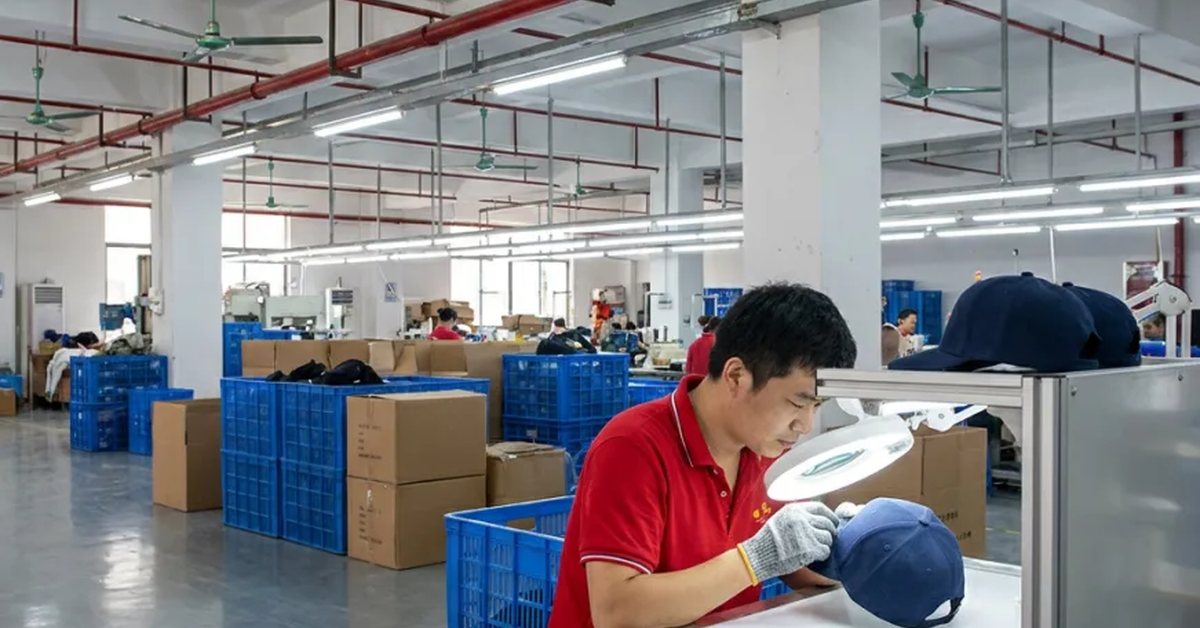


Custom screen printed hats need a compatible cap surface, controlled artwork separation, suitable ink and a curing process that protects the print after handling. A buyer can choose the correct graphic and still receive a weak result if the ink spreads, cracks, fails to cure or sits poorly on a curved panel. The sample should prove the full print system, not only the digital design.
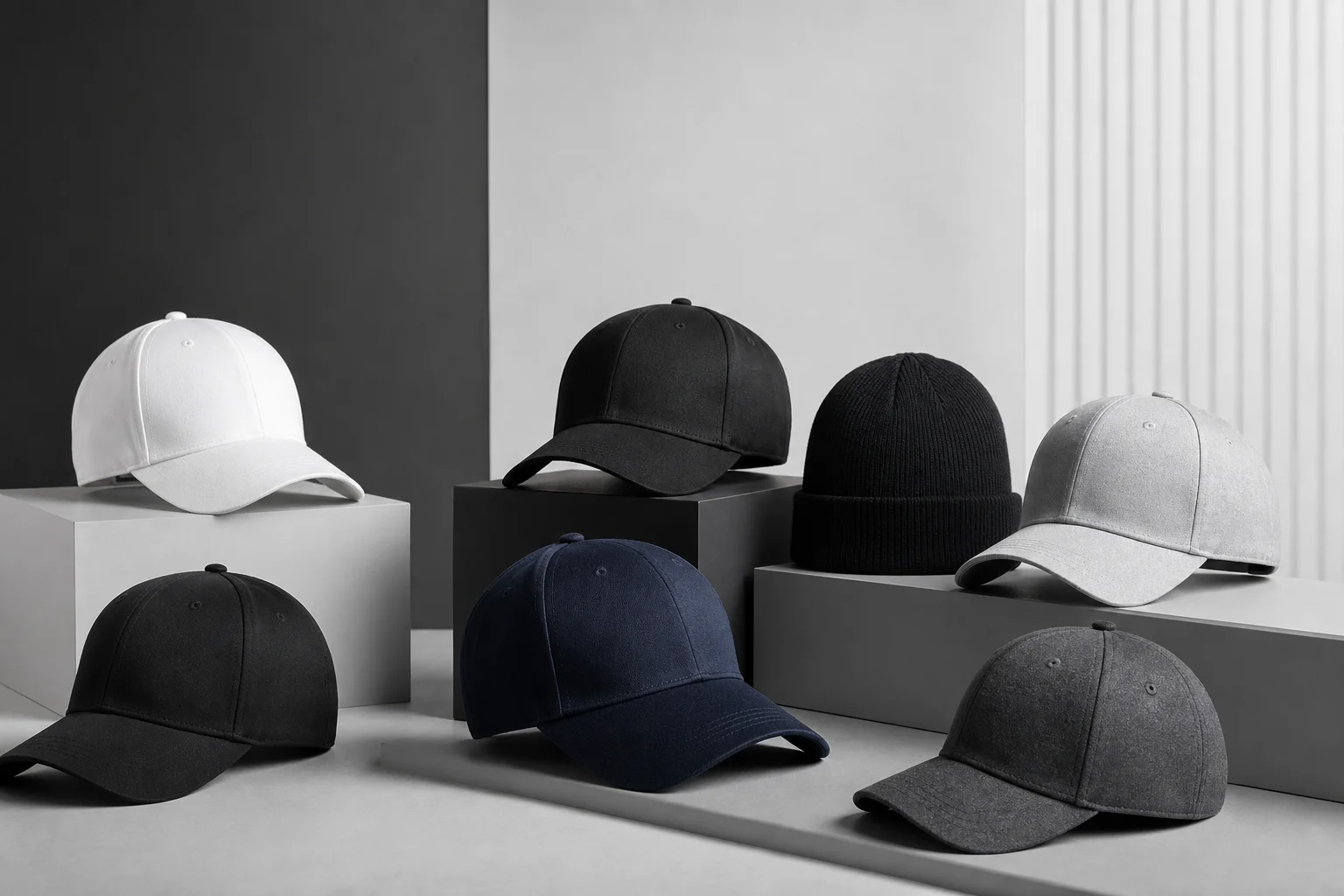
This guide is for fashion brands, promotional buyers, event teams, retailers and distributors planning printed headwear with clear color and durability expectations.
Screen Printed Hat Sourcing: The Direct Buyer Answer
Define the cap fabric, surface color, print area, artwork size, ink direction, color count and expected use. Approve a finished-size sample after curing and handling. Then compare the supplier's setup, MOQ, quality checks, packing and delivery against the same written specification.
Screen Print Buyer Decision Table
| Variable | Buyer decision | Evidence to approve |
|---|---|---|
| Cap surface | Cotton, twill, denim, mesh, corduroy or blend | Print on the actual material |
| Artwork | Size, color count, separation and fine detail | Finished-size proof |
| Ink | Hand feel, opacity, finish and care expectation | Printed sample after curing |
| Placement | Front, side, back, underbrim or multiple locations | Measurement and alignment check |
| Durability | Handling, abrasion, wash or event-use expectations | Agreed test or handling review |
| Pack-out | Stacking, protection, labels and cartons | Physical packing check |
Choose the Cap Surface Before Separating Artwork
Screen printing on smooth cotton twill is different from printing on mesh, corduroy, denim or a textured washed fabric. Surface texture affects edge sharpness, ink deposit and coverage. Dark fabric may need an underbase, while light fabric may need fewer layers.
Ask the custom screen printed hats supplier to review fabric, color, print area and hand-feel requirements together. A print that looks vivid can still be too heavy or stiff for the intended cap.
Prepare Artwork for Screen Separation
Provide vector artwork, finished dimensions and color references. State the maximum number of ink colors and whether gradients, distressed edges or halftones are acceptable. Small text and narrow gaps may need simplification. Approve a proof showing each screen, registration and final-size relationship.
Do not approve a large digital file without checking the print at the scale a customer will see. Record the approved color and placement references.
Choose Ink for Hand Feel and Use
Different ink systems create different opacity, surface, flexibility and curing requirements. Ask the supplier to propose the ink based on cap fabric, color, expected wear and care. A soft hand may be more important for a lifestyle cap, while a high-contrast opaque mark may be essential for a promotion.
Request a physical sample after curing. Check cracking, tackiness, edge sharpness, color and whether the print pulls the fabric when the cap is bent.
Control Multiple Print Locations
Front, side, back and underbrim graphics can require separate setup and alignment. State the location, finished size, distance from seams and rotation. If the same graphic appears on several cap colors, specify how ink or underbase changes.
Review a Printed Sample With Handling Tests
- Check print size, color and registration.
- Inspect edges, small detail and opacity.
- Bend the cap and observe cracking, lifting or fabric distortion.
- Rub the print lightly after curing and note transfer or tackiness.
- Check the relationship between print and seams, brim and closure.
- Inspect labels, packaging and carton protection.
QSHeadwear publicly describes multiple decoration methods and multi-stage quality control. Confirm the exact screen-print process, curing method and inspection record for the selected order.
Plan MOQ and Setup Cost
Screen setup, color separation, underbase, ink mixing and multiple locations can create fixed charges. Ask whether the screens and approved artwork can be reused for a reorder and who owns the setup. Confirm minimums by cap color, print color and quantity.
Set Quality Criteria for Printed Hats
Define color tolerance, registration, edge quality, coverage, hand feel, curing, placement, cap measurements, cleanliness and pack-out. If wash or abrasion performance matters, agree the method and acceptance criteria before bulk. QSHeadwear describes incoming material, pre-production, in-line and final AQL 2.5 checks; request the order-level checklist.
Compare a Complete Screen Print Quote
Request separate prices for artwork preparation, screens, sample, ink, cap, labels, packaging, inspection, cartons and freight. State quantity by color and destination. Compare the same print area, color count, underbase and packaging assumptions.
Protect Reorders With Print Records
Keep the approved print proof, screen or file reference, ink colors, curing instruction, placement measurements, sample photos and inspection criteria. Require written approval for a fabric, ink, color or location change. This protects the printed result when a campaign becomes a recurring product.
Plan Print Colorways and Campaign Timing
Group colorways that use the same ink and artwork whenever the launch plan allows. This can reduce screen changes and make quality comparison easier. If a campaign requires many cap colors, confirm whether the same ink opacity and underbase will work on each fabric shade.
Build the calendar backward from the event or retail receipt date: artwork approval, screen setup, sample, buyer review, bulk printing, curing, inspection, packing and freight. Leave a clear decision gate before bulk so a print problem is discovered while there is still time to correct it.
Request a Screen Print Hat Sample From QSHeadwear
Review the product center, OEM/ODM workflow and company profile. Send cap style, fabric, artwork, print colors, finished size, locations, quantity, packaging and target date through the contact page to request a sample and quote for custom screen printed hats.
FAQ About Custom Screen Printed Hats
1. What cap fabrics work for screen printing?
Smooth cotton and twill are common, while mesh, corduroy, denim and washed fabrics require a specific print and curing review.
2. How should screen print artwork be prepared?
Provide vector artwork, finished size, color count, separations and any requirements for gradients, halftones or distressed edges.
3. How do I choose ink?
Match opacity, hand feel, flexibility and care expectations to the cap fabric, color and intended use.
4. Why is curing important?
Curing helps the print bond and resist handling problems; approve the physical print after the supplier's stated process.
5. Does each print color affect MOQ?
Setup, ink mixing, screen count and color splits can affect cost and minimums.
6. Can screen printing be used on a curved cap?
Yes, but the print area, panel curve, registration and fixture should be sampled on the actual cap.
7. What quality defects should I check?
Check registration, color, opacity, edge sharpness, cracking, tackiness, placement and fabric distortion.
8. How long does a printed hat sample take?
Timing depends on artwork, screen setup, fabric and curing; request a project-specific schedule after the brief is complete.
9. How should I compare screen print quotes?
Use the same fabric, print area, color count, underbase, quantity, packaging, inspection and destination.
10. How can a reorder match the first print?
Keep the approved proof, screen or file reference, ink colors, curing instruction and placement measurements.