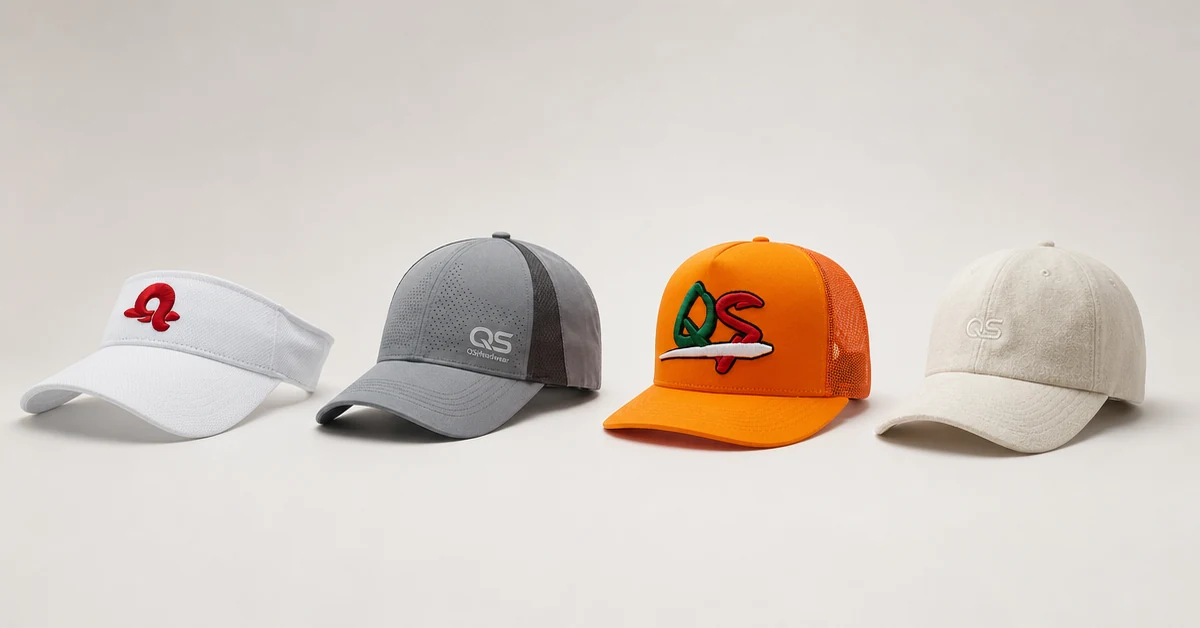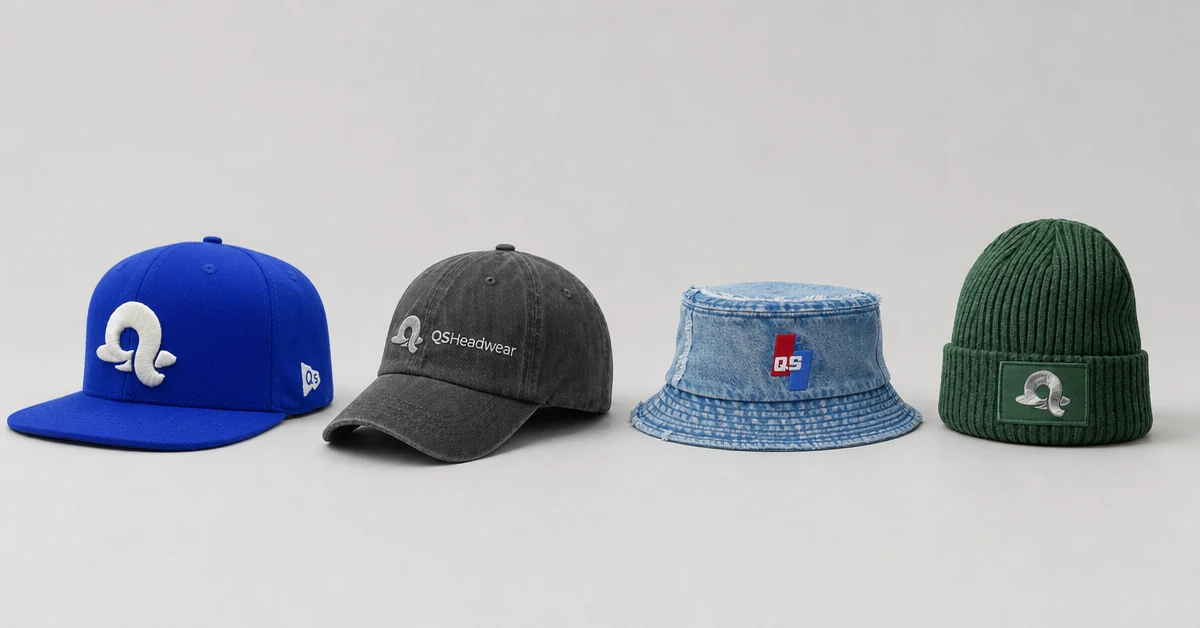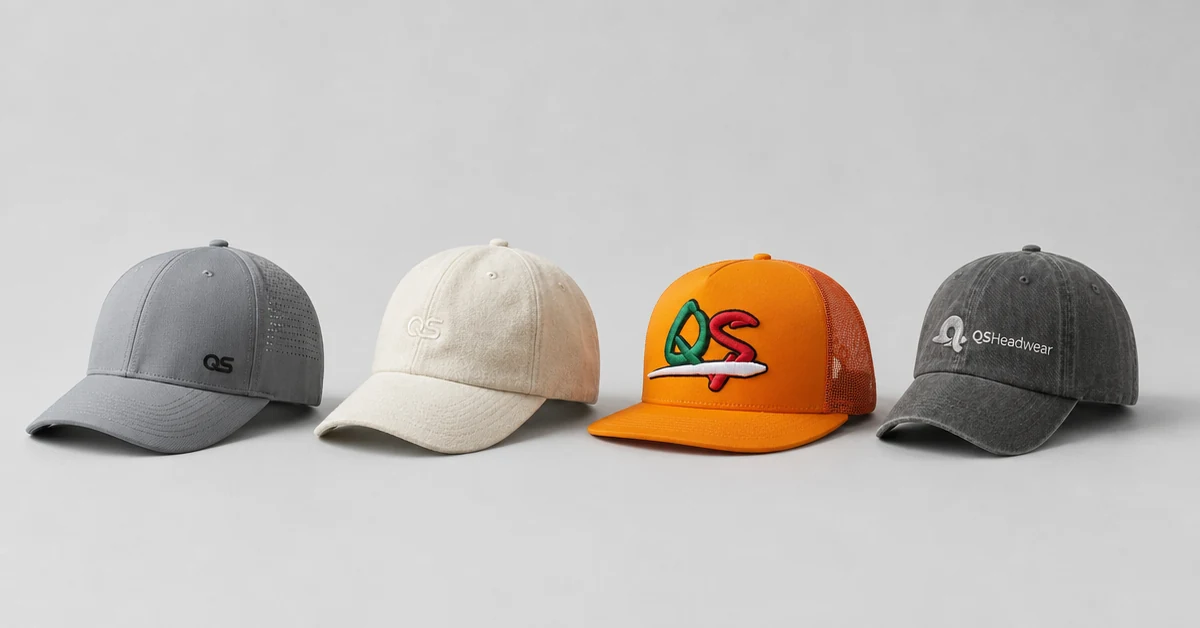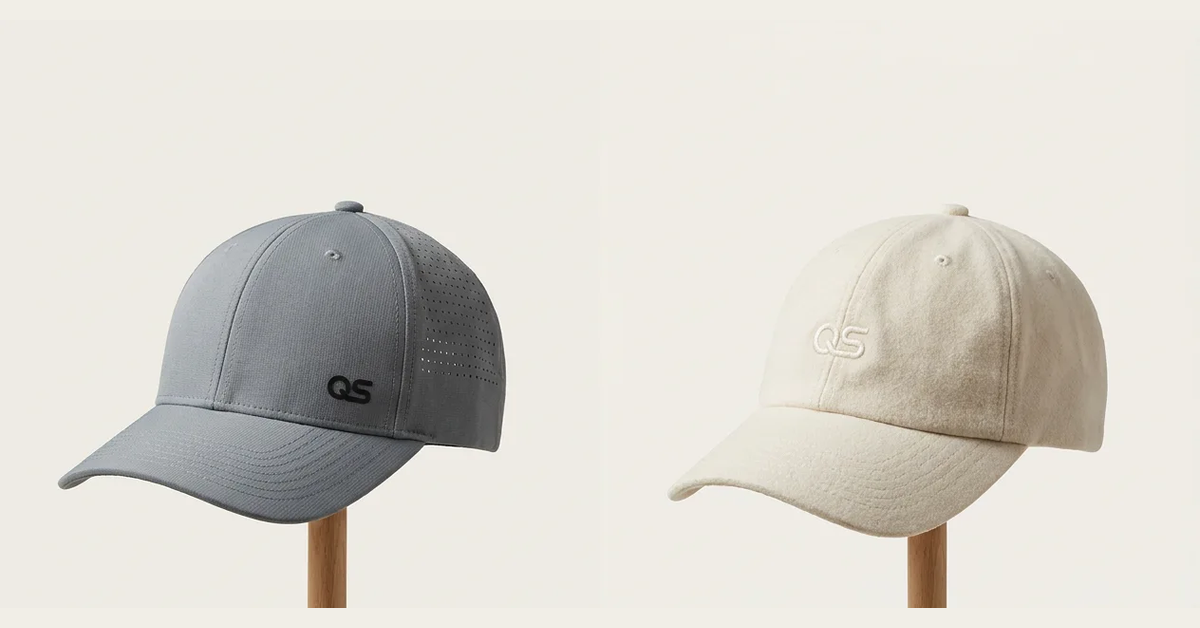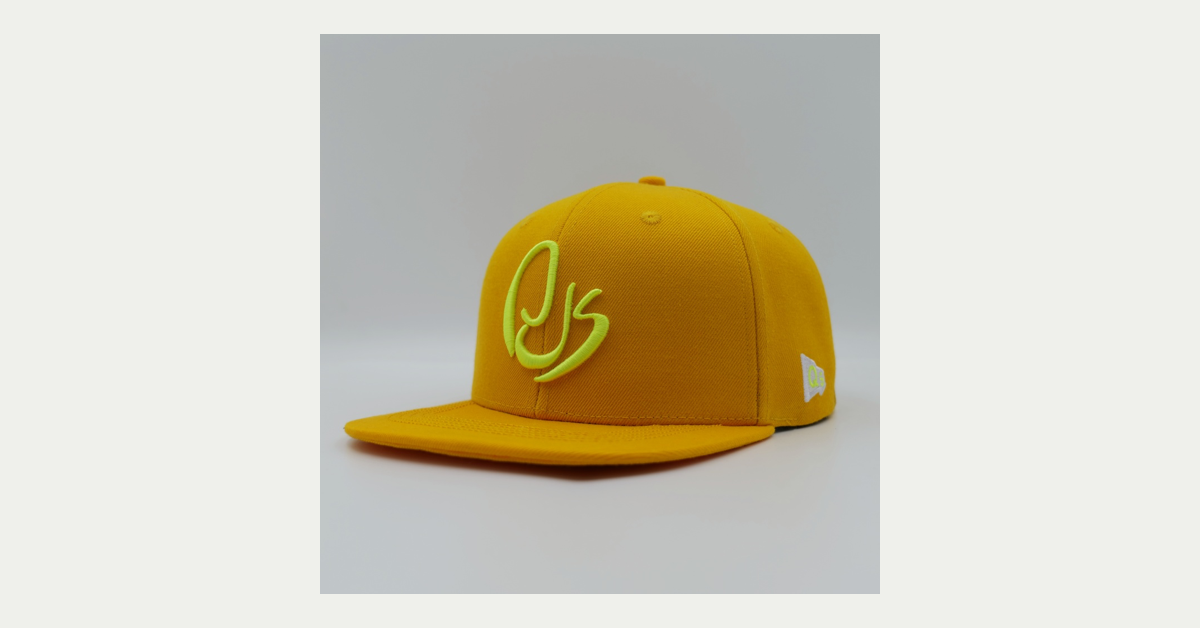


A custom snapback manufacturer must control the relationship between a structured crown, brim, adjustable closure and front decoration. A design can look right in a flat artwork file but feel wrong when the crown height, front panel angle or snap position changes. Buyers should approve the cap architecture before optimizing the logo.
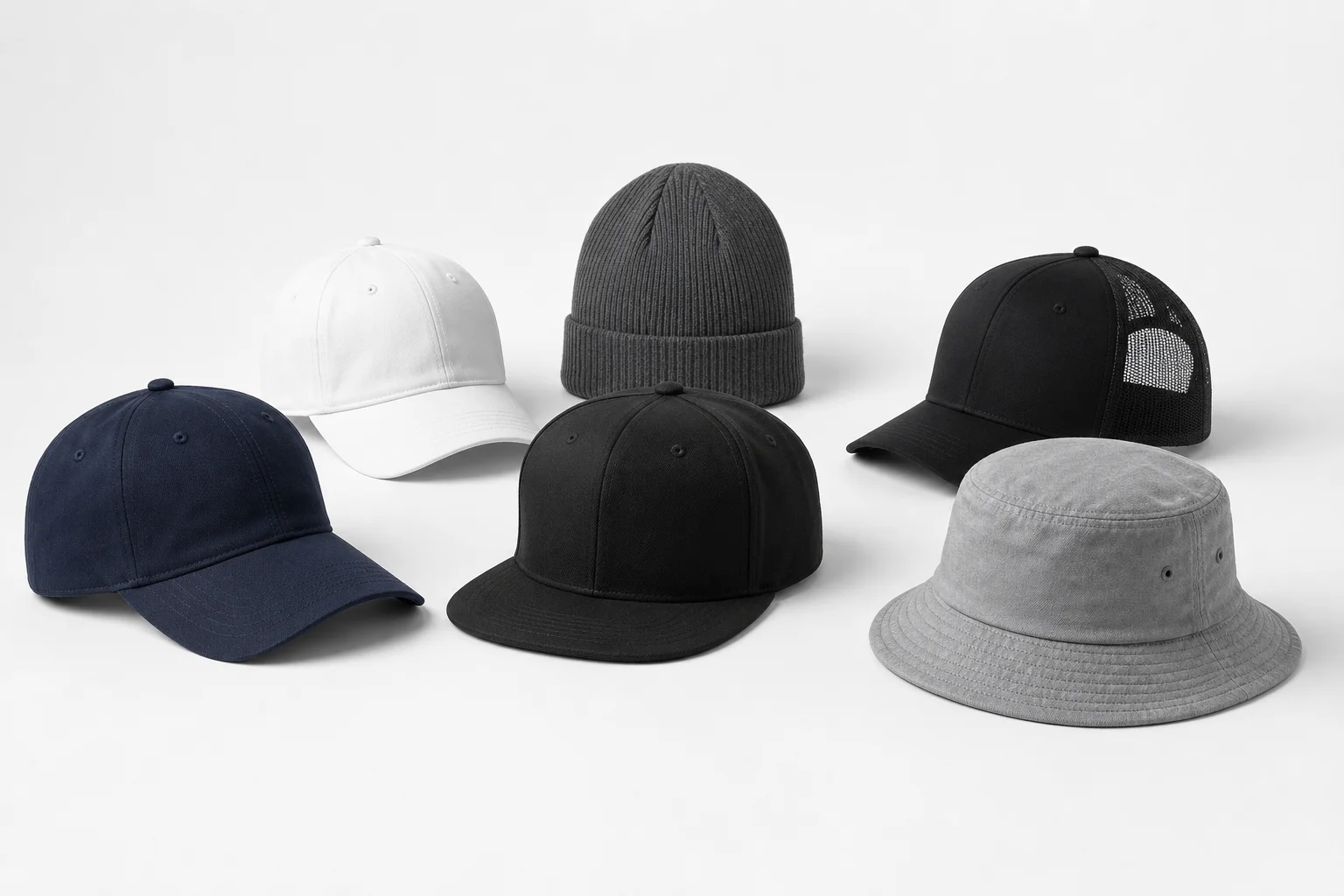
This guide helps brands and distributors source snapbacks with a repeatable fit, clean decoration and clear production evidence.
Custom Snapback Sourcing: The Direct Answer
Choose a manufacturer that can specify crown construction, front panel support, brim shape, eyelets, sweatband, snap closure and decoration placement, then validate those choices in a physical sample. Compare the sample, MOQ, quality plan and reorder terms before choosing based on unit cost.
Snapback Buyer Decision Table
| Feature | Buyer decision | What to inspect |
|---|---|---|
| Crown | High or low profile; structured or softer front | Symmetry, height and crease resistance |
| Brim | Flat, pre-curved, sandwich or custom edge | Curve, stiffness and top/bottom finish |
| Closure | Plastic snap, premium trim or alternative adjuster | Attachment, range and function |
| Decoration | Embroidery, patch, print or mixed locations | Size, position, color and backing |
| Fit | Head circumference and target wearer | Wear test and measurement record |
| Pack-out | Stacking, protection, labels and cartons | Shape retention after packing |
Specify Crown Profile and Front Support
Structured snapbacks often use a firm front panel, but the exact support changes the hand feel and silhouette. Define crown height, front angle, seam position, backing material and whether the cap should hold its shape after handling. A supplier may use a standard block or develop a new pattern.
Ask for measurements at the center front, side seam and top. Photograph the approved profile. These references are more useful for reorders than the word "high profile" alone.
Choose the Brim With the Wearing Context in Mind
Flat brims create a streetwear look and a stable graphic surface. Pre-curved brims feel more traditional and may suit outdoor or lifestyle use. Sandwich brims add a color line but require control of layer alignment. Brim length, stiffness and edge finishing also change perceived quality.
Approve the brim shape on the finished cap. A flat sample on a table cannot show how the brim sits on a head or how it interacts with the crown.
Test the Snap Closure and Size Range
Define the closure material, color, number of adjustment positions and attachment method. Open and close the snap repeatedly. Check whether the strap sits flat, whether the last position is comfortable and whether the closure pulls the back panels out of shape.
State the head circumference range and intended age group. A custom snapback manufacturer should confirm how the pattern, closure and sweatband support that range.
Match Decoration to a Curved Front Panel
Front embroidery must be digitized for the crown curve and support material. Large dense fills can create puckering if the backing or stitch sequence is wrong. Woven, leather or PVC patches can provide a flatter visual surface but add edge and attachment considerations. Side and back placements may require separate hooping and alignment.
Approve finished dimensions, thread or print colors, edge quality, backing and placement from seams. Request a physical sample rather than approving a mockup alone.
Review Snapback Samples in a Wear Test
- Measure crown, brim, sweatband and closure positions.
- Try the cap on the intended head form at several closure settings.
- Check front symmetry and the way the brim projects.
- Inspect decoration from normal viewing distance and close range.
- Open and close the snap repeatedly.
- Check inside finishing, sweat absorption and loose threads.
- Photograph any change with a clear measurement or reference.
Return one consolidated approval document. Separating comments across multiple messages creates avoidable sample rounds.
Confirm Materials and MOQ Before Final Artwork
Fabric, front support, brim board, closure and decoration components can each have their own minimum. Ask whether the selected color is stock or custom and whether the same materials can be reserved for a reorder. Quantity splits across several colorways can change setup efficiency.
Use a proven material when it supports the brand and reduces unnecessary development. A new fabric should be justified by fit, performance, appearance or customer value.
Set Quality Criteria for Structure and Function
Define tolerances for crown height, brim curve, panel alignment, logo location, closure function, color, stitching, cleanliness and pack-out. Inspect both appearance and function. A snapback can pass a visual check while the closure fails after repeated use.
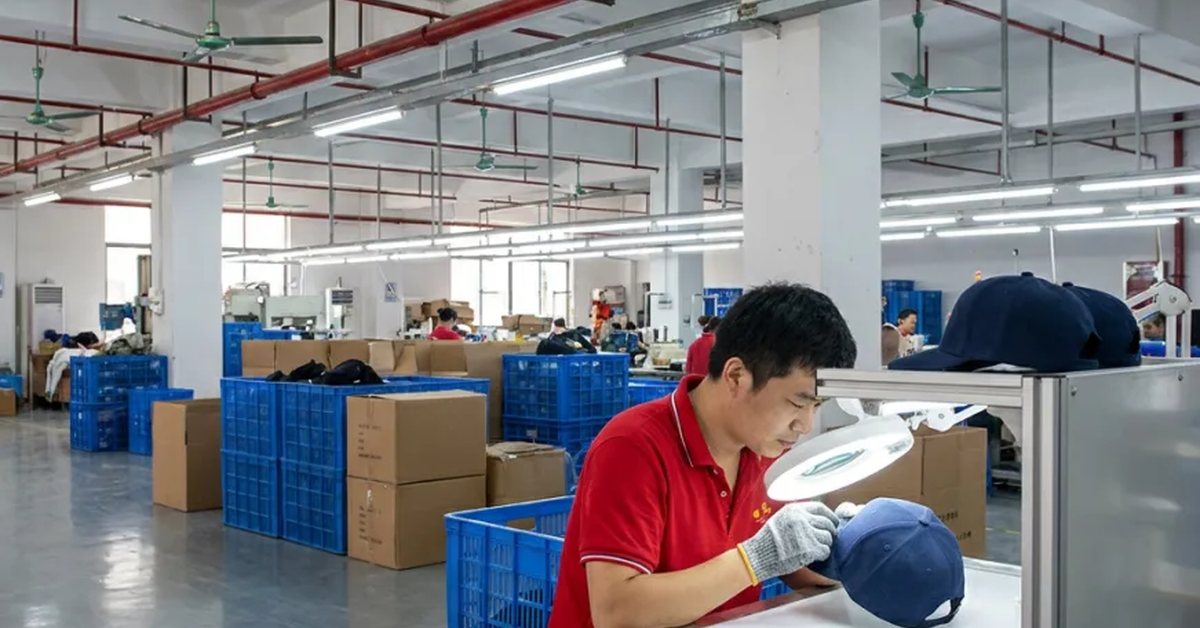
QSHeadwear describes incoming material checks, pre-production approval, in-line monitoring, final AQL 2.5 inspection and packaging verification. Ask how these checks will be recorded for the selected snapback construction.
Compare a Custom Snapback Quote
Request separate lines for cap construction, decoration setup, sample, labels, packaging, inspection, cartons and freight. State quantity by color, destination and trade term. Compare the same brim, closure, material and decoration assumptions across suppliers.
Make Reorders Repeat the Approved Profile
Keep the approved sample, measurement sheet, material references, artwork proof, closure specification and packing instruction with the order record. Log any proposed substitution before production. A reorder should not silently change the crown, brim, closure or logo scale.
Budget the Snapback as a Complete Product
Separate the cap, front support, brim, closure, decoration setup, sample, labels, packaging, inspection and freight when building the budget. A flat-brim snapback with a dense patch can have different setup and packing costs from a simple embroidered version. Request quantity breaks by color and decoration version.
Use the physical pack-out to check whether the brim or crown needs protection in transit. A small packaging change can prevent shape damage that costs more than the initial packaging saving.
Request Snapback Development From QSHeadwear
Review the QSHeadwear products, OEM/ODM workflow and factory information. Send your crown profile, brim, closure, fabric, artwork, quantity split, packaging and target date through the contact page to request a sample and quote from a custom snapback manufacturer.
FAQ About Custom Snapback Manufacturing
1. What should a snapback specification include?
Include crown profile, front support, brim shape, closure, fabric, decoration, measurements, labels, packaging and quantity by color.
2. Is a flat brim the same as a high-profile snapback?
No. Brim shape and crown profile are separate decisions and should be specified independently.
3. How do I test a snapback closure?
Check adjustment range, attachment, comfort and repeated opening and closing on the intended head form.
4. Which logo technique works on a snapback?
Embroidery, woven patches, leather or PVC patches, printing and mixed placements can work; select based on artwork and material.
5. Can snapback samples use stock fabric?
They can when the buyer agrees what the substitute proves and what will change in the final material.
6. How does snapback MOQ work?
Confirm minimums by style, fabric, color, closure, artwork, label and packaging because components may have separate requirements.
7. How quickly can a snapback sample be made?
QSHeadwear states typical physical samples take 3-5 business days after requirements are aligned; complex requests can take longer.
8. What defects matter most on a snapback?
Check symmetry, crown profile, brim shape, logo placement, closure function, stitching, shade and packing damage.
9. How should a buyer compare snapback quotes?
Use the same construction, material, decoration, quantity split, packaging, inspection, destination and trade term.
10. How can a snapback reorder stay consistent?
Retain the approved sample, measurements, artwork, closure and material records and require written approval for substitutions.