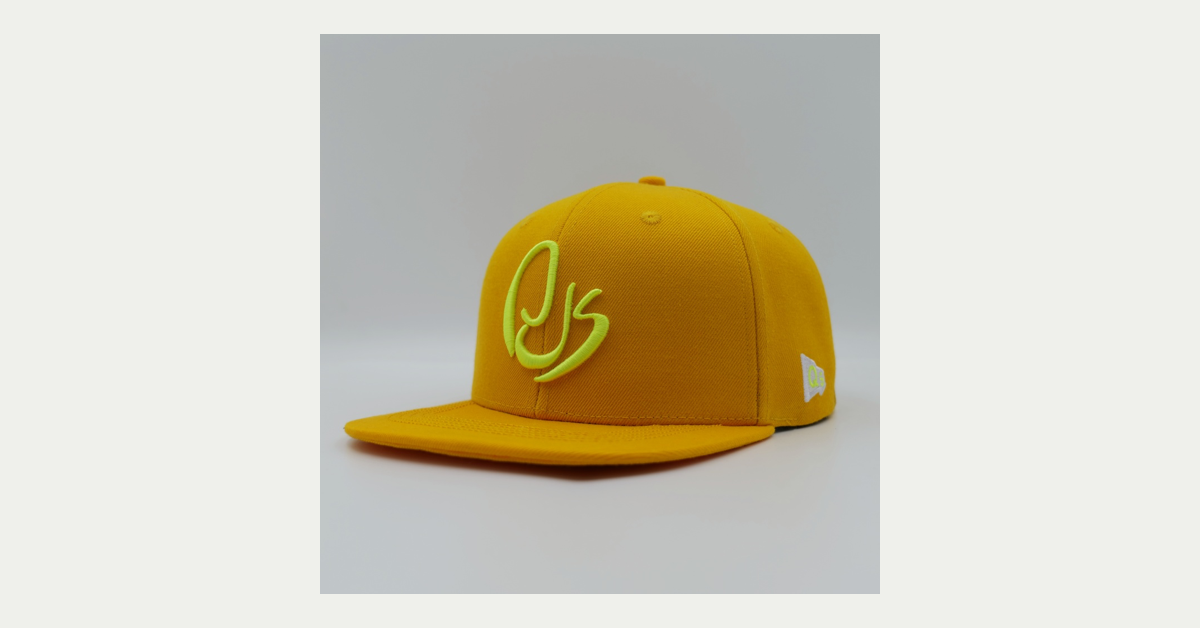


A custom suede hats manufacturer should define what “suede” means before quoting a premium cap. Genuine suede, microfiber suede and synthetic suede-look fabrics differ in composition, nap, weight, color response, care and durability. The material must be evaluated on the chosen crown block because a swatch alone cannot show seam bulk, shaping or decoration behavior.
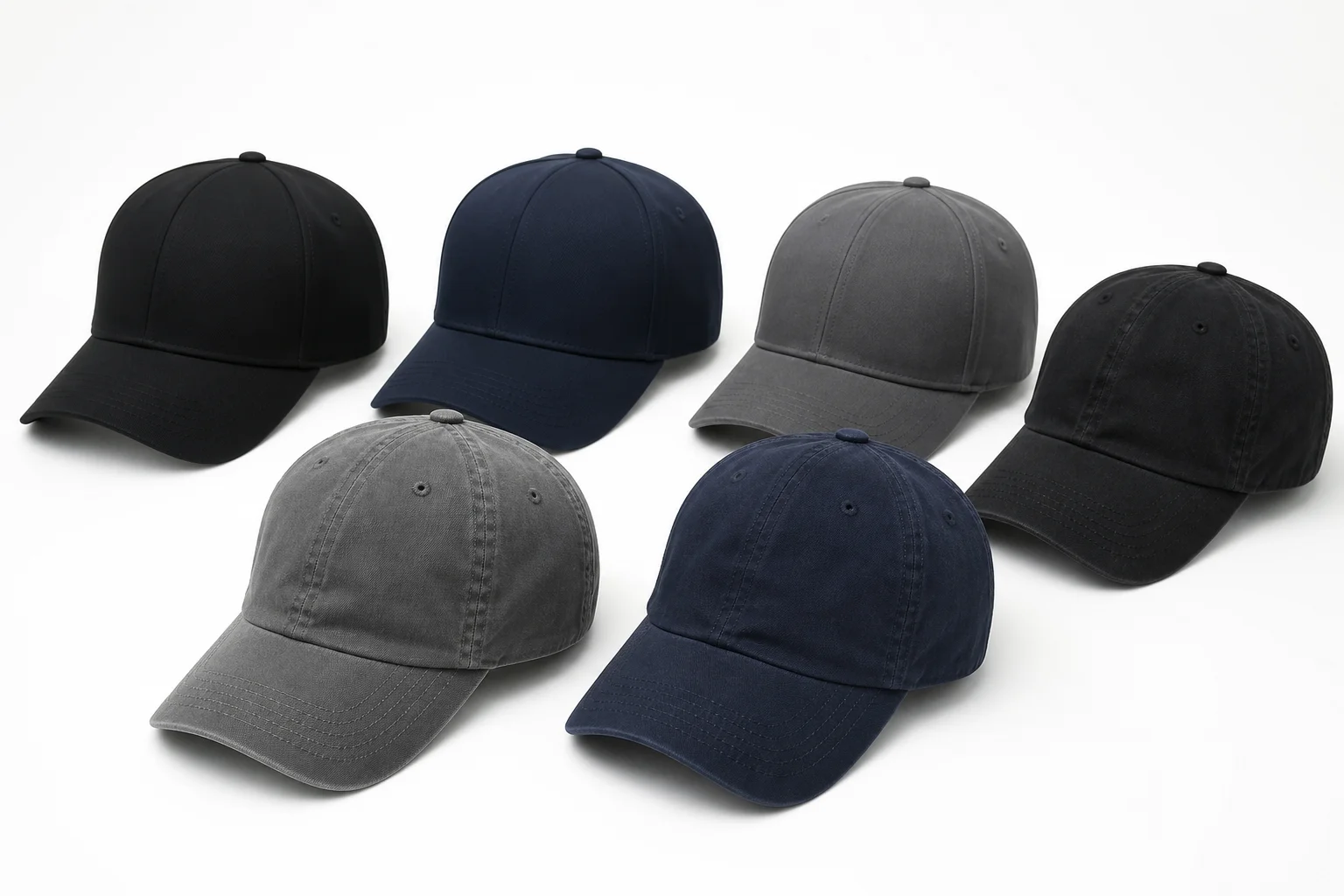
This material guide is for fashion brands, premium retailers, uniform programs and accessory buyers who need a truthful, repeatable suede cap specification.
Start With the Material Claim
Request the exact fiber composition and clarify whether it applies to the shell or the complete product. Note backing, thread, sweatband, brim support, labels and closure components separately. Product copy, care labels and country-of-origin information should match the actual order rather than a generic suede description.
Compare Suede Options on a Buyer Card
| Field | What it changes | Evidence to retain |
|---|---|---|
| Composition | Claims, hand and care | Supplier specification |
| Nap direction | Shade and visual depth | Marked swatch and cut direction |
| Weight | Drape, crown support and warmth | Production-equivalent swatch |
| Backing | Stability, comfort and stitch behavior | Layered sample |
| Finish | Softness, sheen and abrasion response | Finished cap and close-up |
| Color | Seasonal consistency and matching trims | Approved standard under fixed light |
Decide How Much Structure the Crown Needs
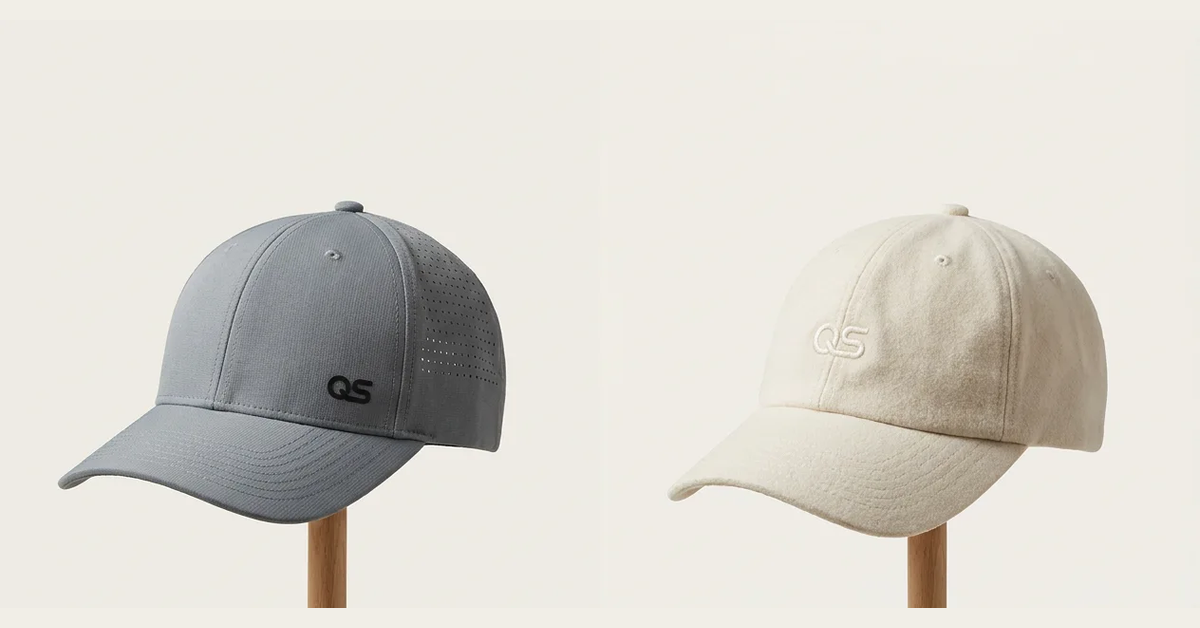
Soft suede can create a relaxed dad-hat profile, while a structured crown needs a compatible backing that does not crush the nap. Thick material and internal support can increase seam bulk at the front and brim junction. Approve the exact suede on the intended pattern, then inspect front, side, top and inside views.
Nap Direction Is a Design Variable
Light reflects differently when panels are cut with the nap aligned or reversed. Mark the direction in the cutting plan and decide whether the finished cap should show a uniform shade or a deliberate tonal contrast. Check the crown under the lighting used for product photography and retail display.
Color Matching Needs More Than a Screen
Suede texture can make the same color look lighter or darker depending on touch and direction. Approve the physical swatch and assembled cap under agreed lighting. Check shell, brim, sweatband, thread, patch and closure together. A black suede crown may not visually match a black cotton brim even when both are labeled “black.”
How a Custom Suede Hats Manufacturer Should Sample
- Confirm composition, source and material code.
- Approve nap direction, weight, finish and color.
- Build the selected suede on the final crown and brim.
- Test closure, sweatband and internal comfort.
- Apply the intended decoration at actual size.
- Condition or spot-test according to the planned care route.
- Remeasure, photograph and retain the approved reference.
Match Decoration to the Surface
Flat embroidery can work on stable suede, but fine stitches may disappear into a long nap. Large 3D embroidery or heavy patches can flatten the surface and change the hand. Woven, leather or tonal patches create different edge and attachment requirements. Sample the actual technique, then inspect it from normal viewing distance as well as close up.
Plan Care Before You Write the Label
Some suede products require spot cleaning or professional care. Test the proposed cleaning or moisture exposure on the complete cap and inspect nap, shade, crown, brim, seams and fit after drying. Do not copy a care label from another fabric. The shell, backing and trims together determine the responsible instruction.
Inspect Suede by Surface and Shape
| Concern | What to check | Control |
|---|---|---|
| Shade shift | Nap direction and lot variation | Mark direction and retain a physical standard |
| Pile crush | Packing, decoration or pressure points | Use protective pack-out and inspect recovery |
| Seam bulk | Thickness and allowance | Revise construction on the final suede |
| Pilling or abrasion | Intended use and surface finish | Run a practical wear or rub check |
| Logo loss | Nap height and stitch scale | Increase scale or choose a compatible technique |
Keep Hardware and Trims Honest
Metal eyelets, leather tabs, buckles and contrast stitching can elevate a suede cap, but they also affect cost, weight and care. Confirm whether trims are added before or after finishing, whether they can mark the surface and how their shade is approved. Keep trim codes with the material record.
Use Order-Level Quality Criteria
Inspect composition, nap direction, shade, measurements, crown balance, brim, seams, decoration, hardware, labels, cleanliness and packing. QSHeadwear describes incoming, pre-production, in-line and final AQL 2.5 checks; specify the suede-specific visual variation and the accepted front, side and top reference photos.
Protect Seasonal Material Continuity
Ask whether the suede is a repeatable stock program, a seasonal lot or a one-time source. Retain supplier code, composition, weight, finish, nap direction, swatches, color standards, decoration files and approved cap. Require a new approval when the source, backing or finish changes. This is how a custom suede hats manufacturer supports a reliable reorder.
Review Suede Options With QSHeadwear
Browse QSHeadwear cap styles, review the OEM/ODM material and sampling process and check factory information. Send your material target, season, color, decoration, quantity and market through the contact page to consult a custom suede hats manufacturer.
Suede Hat Sourcing: Buyer Questions Answered
1. Does suede always mean genuine suede?
No. Genuine suede, microfiber suede and synthetic suede-look fabrics have different composition, care and performance.
2. What should a suede hat RFQ include?
Include composition, weight, nap, finish, color, backing, crown structure, brim, decoration, care, labels, quantity and market.
3. Why can suede panels look like different colors?
Nap direction and light reflection can change apparent shade, especially on brushed or directional surfaces.
4. Can suede caps be structured?
Yes, when the exact suede and compatible backing are tested on the intended crown pattern.
5. Which decoration works on suede?
Flat embroidery, patches or woven labels may work, but the selected technique must be approved on the production-equivalent surface.
6. How should suede care be tested?
Use the proposed spot-cleaning, moisture or professional-care route on the complete cap and inspect it after drying.
7. What affects suede-cap MOQ?
Material source, custom color, backing, styles, decoration, trims, labels and packaging can affect the production group.
8. How should suede color be approved?
Approve a physical swatch and finished cap under fixed lighting, with shell, brim, thread and trims viewed together.
9. What should bulk inspection cover?
Check material identity, nap direction, shade, measurements, shape, seams, decoration, hardware, labels and packing.
10. What should be saved for reorders?
Keep composition, material code, swatches, finish, nap and color standards, samples, decoration files, labels and substitution rules.