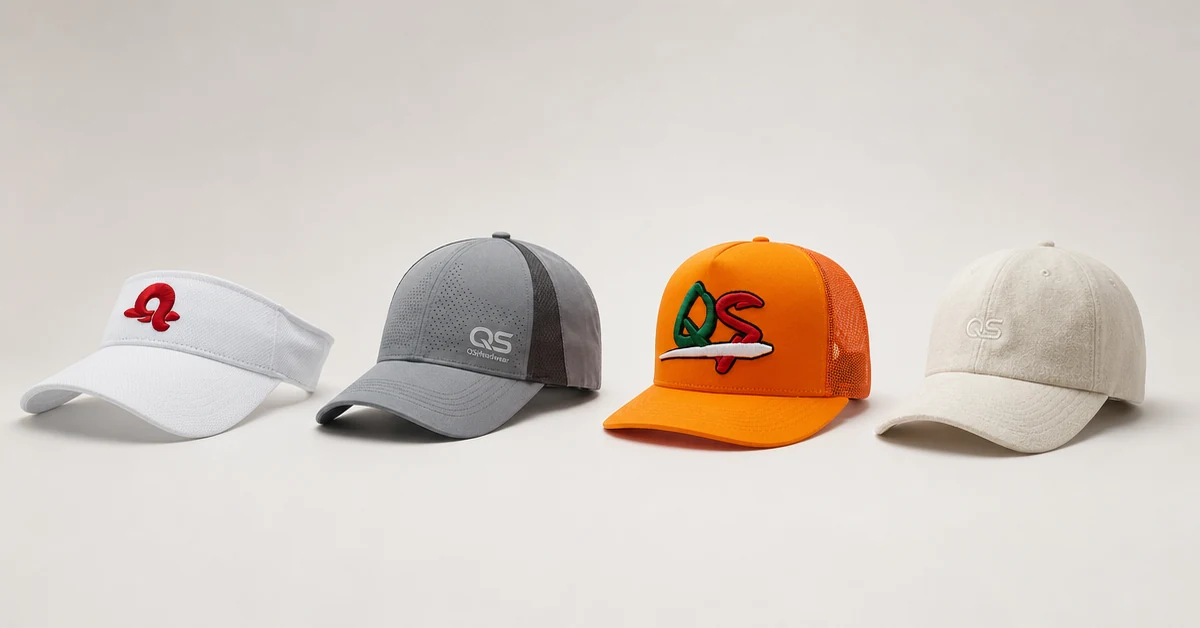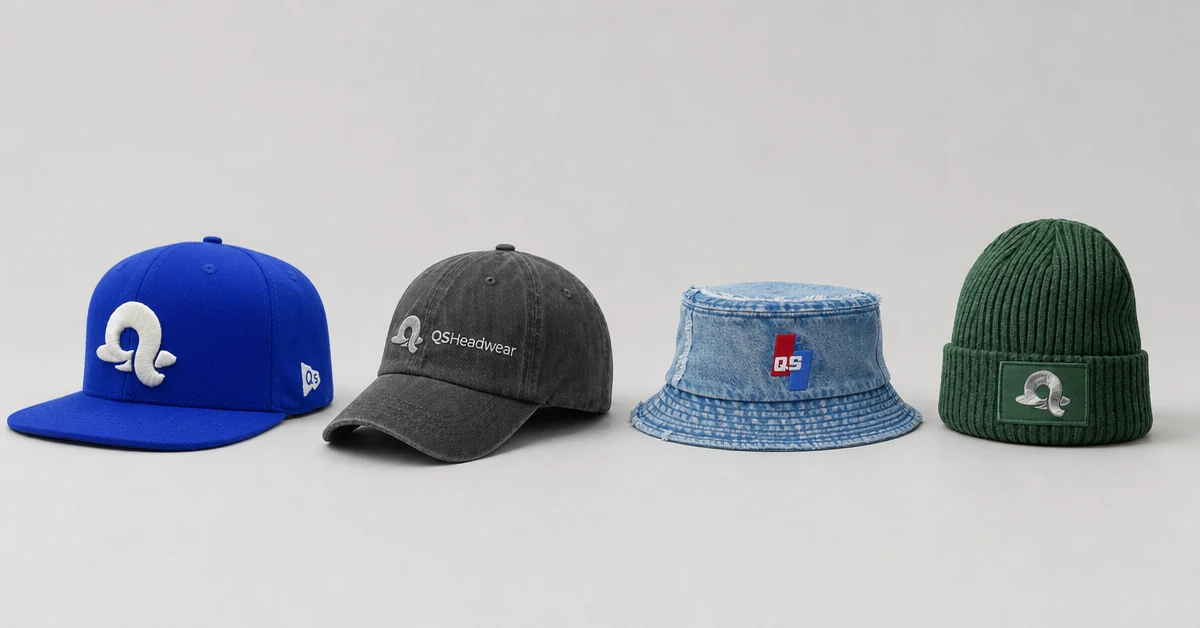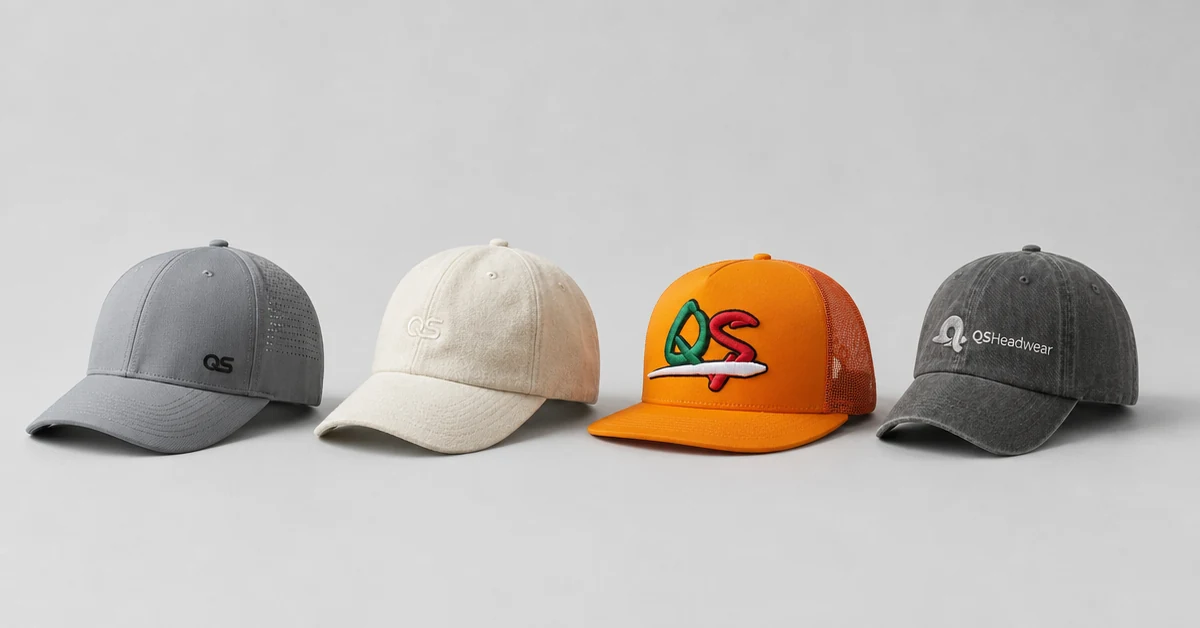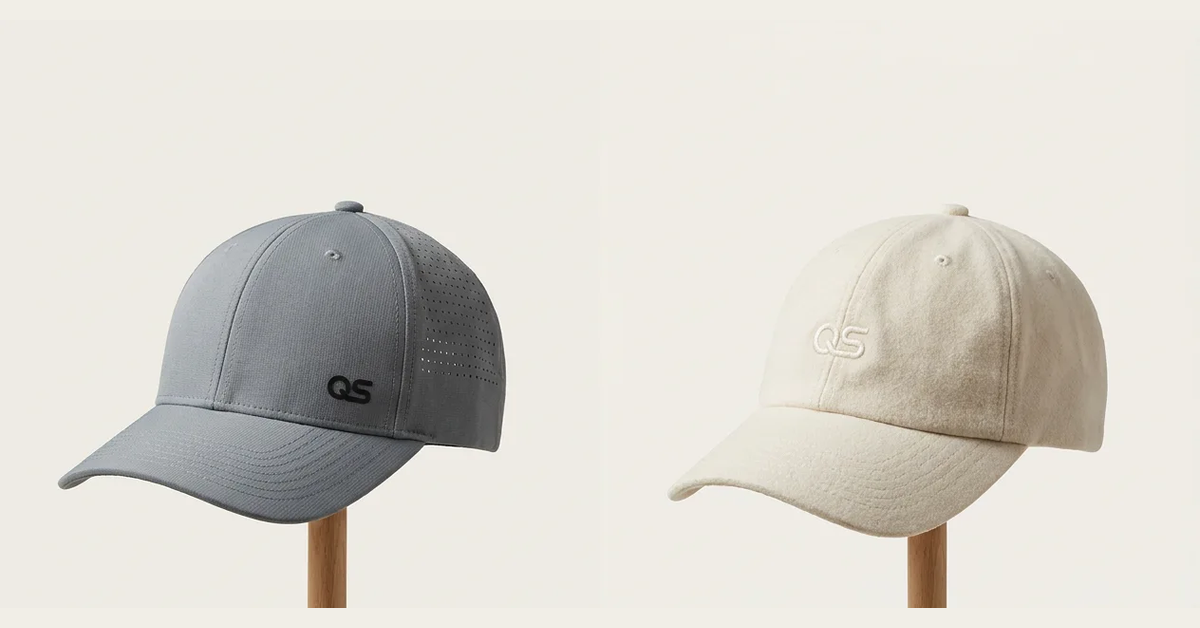


A custom visor manufacturer must balance shade, secure fit, sweat management and a clean decoration area without the support of a full crown. Small differences in brim curve, headband height, elastic tension or closure placement can change comfort quickly. Buyers should define the intended activity and test a complete physical sample before bulk production.
This guide is for golf, tennis, running, outdoor, resort, corporate and retail programs sourcing private-label or promotional visors.
Custom Visor Sourcing: The Direct Answer
Choose a supplier that can control brim coverage and recovery, size the headband for the target customer, match fabric and sweatband to the activity, place decoration on the available front area and document measurements and workmanship. Approve wear comfort, logo execution and packaging on the same sample.
Visor Buyer Decision Table
| Decision area | What the buyer should define | Approval evidence |
|---|---|---|
| Use case | Golf, tennis, running, resort, event or retail | Activity and wear-duration brief |
| Brim | Length, width, curve, stiffness and underside | Measurements and shape sample |
| Fit | Head range, band height, closure or elastic tension | Wear test |
| Comfort | Sweatband, seam position, weight and ventilation | Material sample and field feedback |
| Branding | Method, size, location and color | Finished-size proof |
| Quality | Symmetry, tolerances, recovery and pack-out | Inspection checklist |
Define the Wearing Context First
A structured golf visor and a lightweight running visor solve different problems. State duration of wear, climate, movement, desired shade, customer age or head range, uniform requirements and care expectations. This guides brim construction, fabric, closure, sweatband and decoration.
Specify Brim Geometry and Recovery
Record center length, width, curve and stiffness, plus the material inside the brim. Check whether the edge is bound or stitched and whether the underside uses a contrasting color. Bend and pack the sample, then observe whether it returns to the approved shape. A custom visor manufacturer should explain how the brim is formed and protected in cartons.
Engineer the Headband for Stable Fit
Define front and side height, opening, adjustment range and closure type. Hook-and-loop, buckle, elastic, snap or hybrid systems create different pressure and appearance. Test several people across the intended head range. Check whether the band slips during movement, presses behind the ears or leaves an uncomfortable seam against the forehead.
Choose Fabric and Sweatband as a System
Cotton twill can suit casual and golf programs, while lightweight polyester and mesh can support active use. Record composition, weight, finish, shade and care. The sweatband affects moisture handling and comfort, so specify its width, material, color and attachment. If a performance claim matters, request evidence tied to the selected material.
Fit Decoration to the Available Front Area
The visor front is shallow and often curved. Simplify small lettering and control the distance from the brim seam. Flat embroidery works for many marks; patches, transfer and print can support fine detail when compatible with the fabric. Approve artwork at finished size and inspect distortion when the visor is worn.
Run a Visor-Specific Sample Test
- Measure brim, band height, opening and closure range.
- Wear the visor during representative head movement.
- Check shade, visibility, pressure and slipping.
- Inspect sweatband contact and inside seams.
- Review logo size, position, color and puckering.
- Pack and unpack the visor to test brim recovery.
QSHeadwear states typical physical samples can be completed in 3-5 business days after requirements are aligned. Add time for custom brim components, special performance fabrics, testing or repeated fit revisions.
Set Quality Criteria for Visors
Define brim measurements and symmetry, band dimensions, closure function, elastic recovery if used, shade, seam appearance, decoration placement, sweatband cleanliness and pack-out. QSHeadwear describes incoming material, pre-production, in-line and final AQL 2.5 checks. Ask how defects will be classified for this construction.
Confirm MOQ by Material and Color
A visor may be simple in appearance but still depend on fabric, brim inserts, sweatbands, closures, embroidery thread, labels and packaging minimums. Ask for MOQ by style and color. If the order includes several team logos or event dates, confirm whether each artwork creates setup charges or minimum quantities.
Compare Complete Visor Quotes
Request separate prices for sample, pattern or brim development, fabric, sweatband, closure, decoration, labels, packaging, inspection, cartons and freight. State the destination, trade term and required receipt date. Compare suppliers using the same brim, fit and performance assumptions.
Plan Packaging Around Brim Shape
Specify how visors are nested, protected from pressure and held in the approved curve. Confirm units per bag and carton, carton dimensions and marks. A compact pack-out can reduce freight volume, but excessive compression may deform the brim or decoration. Test a packed sample before shipment.
Prepare a Reliable Visor Reorder
Keep the approved sample, brim measurements, band pattern, fabric swatch, sweatband, closure, artwork, labels, inspection criteria and packing instructions. Ask the custom visor manufacturer to disclose changes before repeating production, especially elastic, brim inserts and performance fabrics.
Request a Custom Visor Sample
Browse QSHeadwear products, review the OEM/ODM service and see the company profile. Send use case, brim, fit, fabric, sweatband, artwork, quantity and date through the contact page to request a sample and quote from a custom visor manufacturer.
FAQ About Custom Visor Manufacturing
1. What should a visor RFQ include?
Include use case, brim dimensions, band fit, closure, fabric, sweatband, artwork, labels, packaging, quantity and date.
2. Which fabrics work for custom visors?
Cotton twill, polyester and performance fabrics can work when weight, finish and comfort suit the activity.
3. How should visor fit be tested?
Measure the opening and closure range, then wear-test pressure, slipping and comfort across the target head range.
4. Can visors use embroidery?
Yes, but the shallow curved front requires controlled logo height, density, backing and distance from the brim seam.
5. What affects visor MOQ?
Fabric, color, brim insert, sweatband, closure, decoration, labels and packaging can create separate minimums.
6. How long does a visor sample take?
QSHeadwear states typical physical samples take 3-5 business days after requirements are aligned; special inputs add time.
7. What should visor QC inspect?
Check brim geometry, band measurements, closure or elastic, seams, shade, decoration, sweatband and packing.
8. How should visor suppliers be compared?
Compare the same brim, fit, material, decoration, quality plan, quantity split, packaging, freight and date.
9. Can visors be private labeled?
Yes. Define inside labels, care information, hangtags, bags, barcodes and carton marks in the specification.
10. How can brim shape be protected in transit?
Approve nesting and carton support with a packed sample, and set carton dimensions and compression limits.