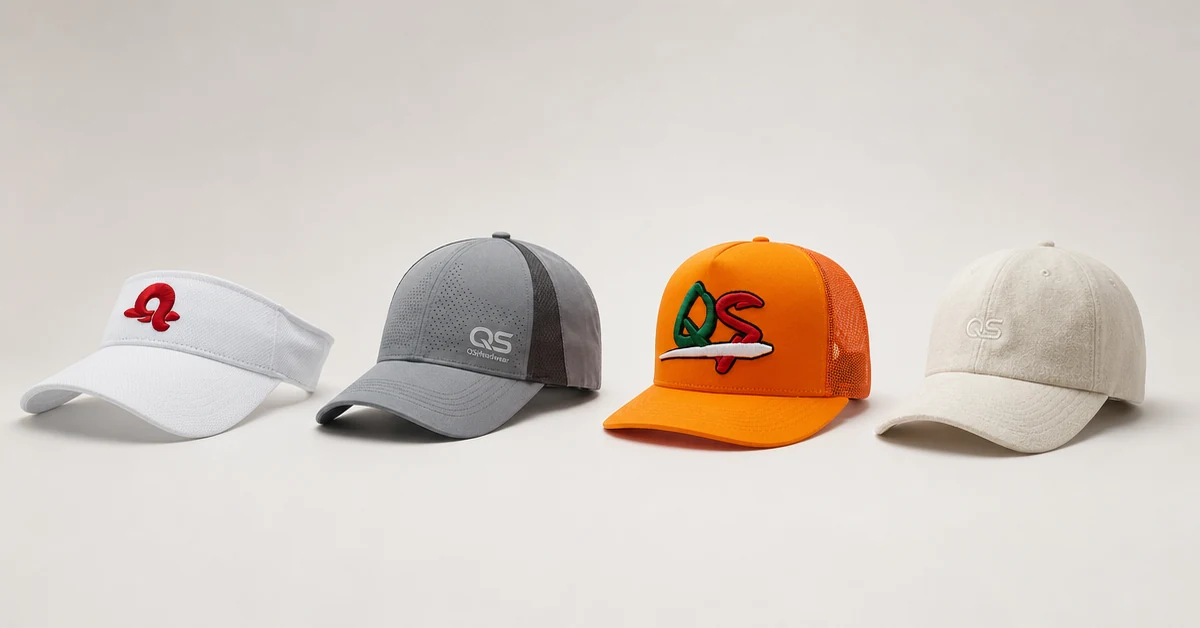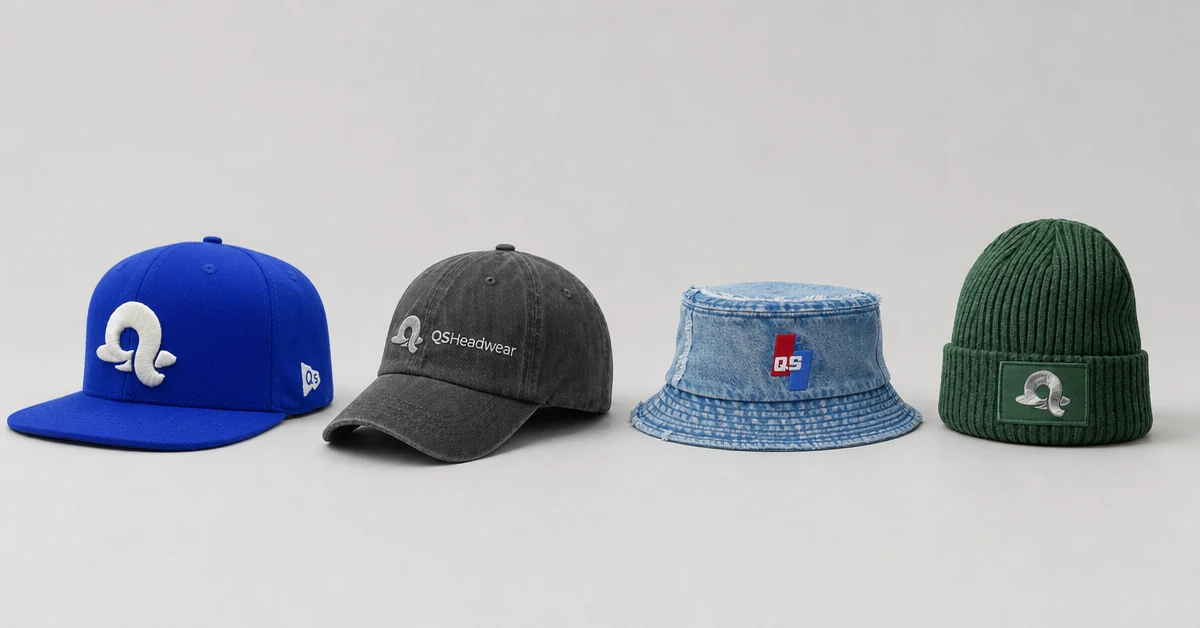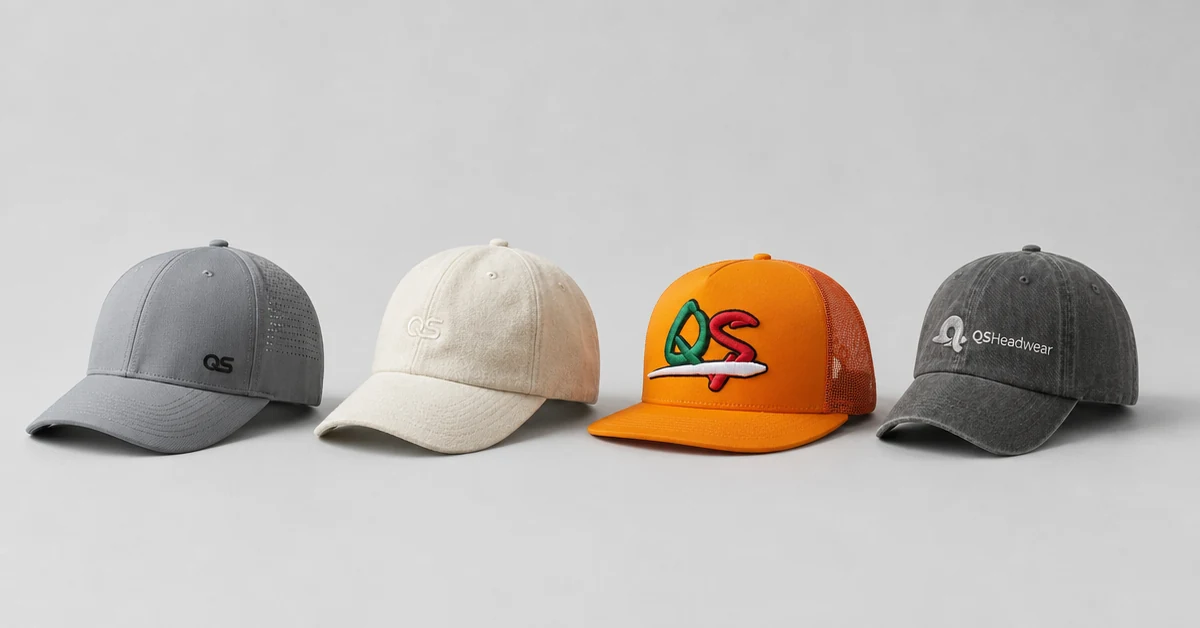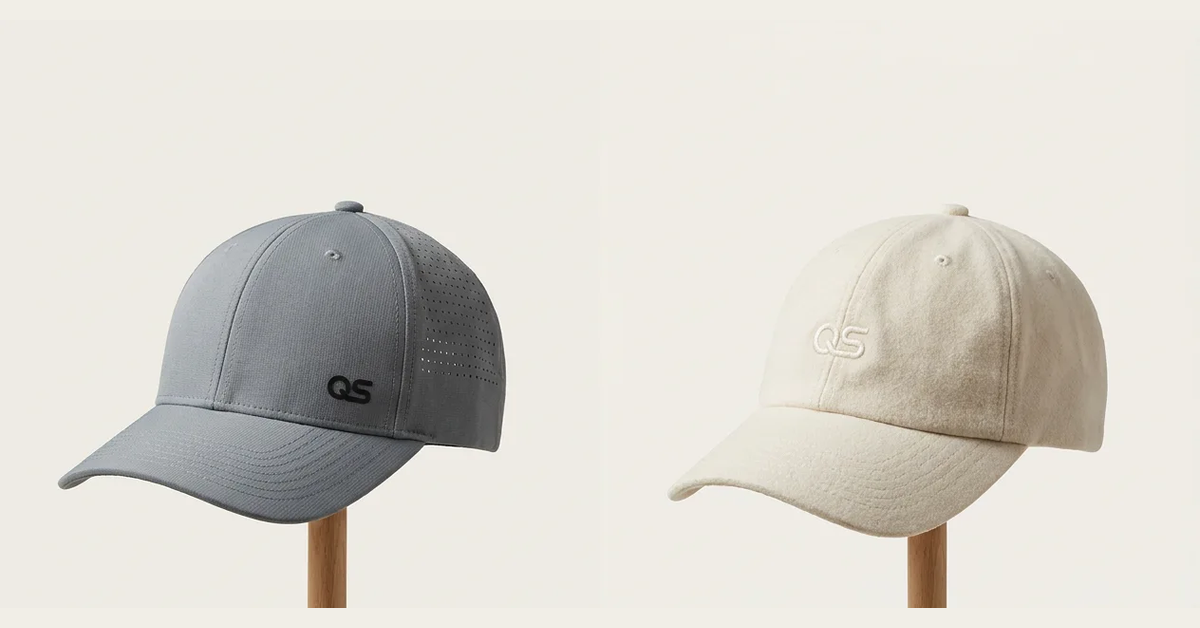


A low MOQ custom hats manufacturer is useful when a brand needs a controlled launch, market test, event program or limited collection. Low quantity does not mean low complexity: fabric minimums, custom dyeing, embroidery setup, labels, packaging and color splits can still drive cost and schedule. The right supplier will explain which variables can be simplified, which minimums come from upstream vendors and what must be approved before production.
This guide helps emerging brands, e-commerce sellers, corporate buyers and product teams compare small-batch options without sacrificing fit, branding or quality control.
Low MOQ Custom Hats: The Direct Buyer Answer
Ask for MOQ by style, color, fabric, artwork, label and packaging rather than one headline number. Use a proven cap block, available fabric and one decoration method when these choices still support the brand. Approve a complete sample and inspection standard, then confirm whether materials and branded components can be repeated.
A low first order should be designed as a learning order. It must generate evidence about fit, workmanship, customer response, landed cost and the next production decision.
Small-Batch Buyer Decision Table
| Decision | Lower-complexity route | Risk to check |
|---|---|---|
| Cap shape | Approved factory block | Fit may not match the brand reference |
| Fabric | Available stock color | Reorder availability may change |
| Decoration | One controlled embroidery or patch | Setup cost is spread over fewer units |
| Labels | Shared brand label across styles | Fiber, care and size data must remain correct |
| Packaging | Standard bag with custom sticker or insert | Retail requirements may need more customization |
| Colors | One or two launch colors | Demand learning is narrower |
Understand Why MOQ Exists
MOQ can come from the sewing line, fabric mill, dye lot, embroidery setup, patch supplier, label maker or packaging printer. A factory may be able to sew a small quantity while a custom fabric or box requires a larger minimum. Ask which element is controlling the final number.
Separate minimums from economic quantities. A supplier may accept a small run, but unit cost can fall significantly at a higher quantity because setup and handling are spread over more pieces.
Choose a Small-Batch Product Strategy
Limit the first program to the decisions that create real customer value. A distinctive logo and proven cap shape may matter more than custom-dyed fabric, multiple trims and a bespoke box. Use a requirements list divided into must-have, preferred and optional features.
A capable low MOQ custom hats manufacturer should propose simplifications transparently and explain the effect on appearance, cost, lead time and reorder consistency.
Control Color Splits and Size Splits
Twenty units in five colors is a different production problem from one hundred units in one color. Ask for minimums per color and artwork. Confirm whether thread, patch, closure or label colors also change. Each variation increases material handling and inspection complexity.
For fitted caps or size-specific programs, add the size matrix to the quotation. Avoid dividing a small order into so many combinations that every variant becomes a sample-sized run.
Plan Decoration for Low Quantities
Embroidery digitizing, screens, molds and patch development can create fixed charges. Ask the supplier to separate setup from the unit price. Review whether the same artwork can be used on a reorder and who owns the approved file or tooling.
Provide vector artwork and finished dimensions. Approve color, stitch density, edge quality and placement. A small quantity still needs production-ready artwork; otherwise the buyer may pay for repeated sample corrections.
Use the Sample as a Production Contract
Record crown shape, brim, closure, measurements, materials, logo, labels and packaging. Give the sample a version number and list any accepted variance. Photograph inside and outside details so purchasing, quality and the factory refer to the same standard.
QSHeadwear states that physical samples are typically produced in 3-5 business days after requirements are aligned. Complex materials or decorations can change this, so request an order-specific schedule.
Verify Flexible Production With Evidence
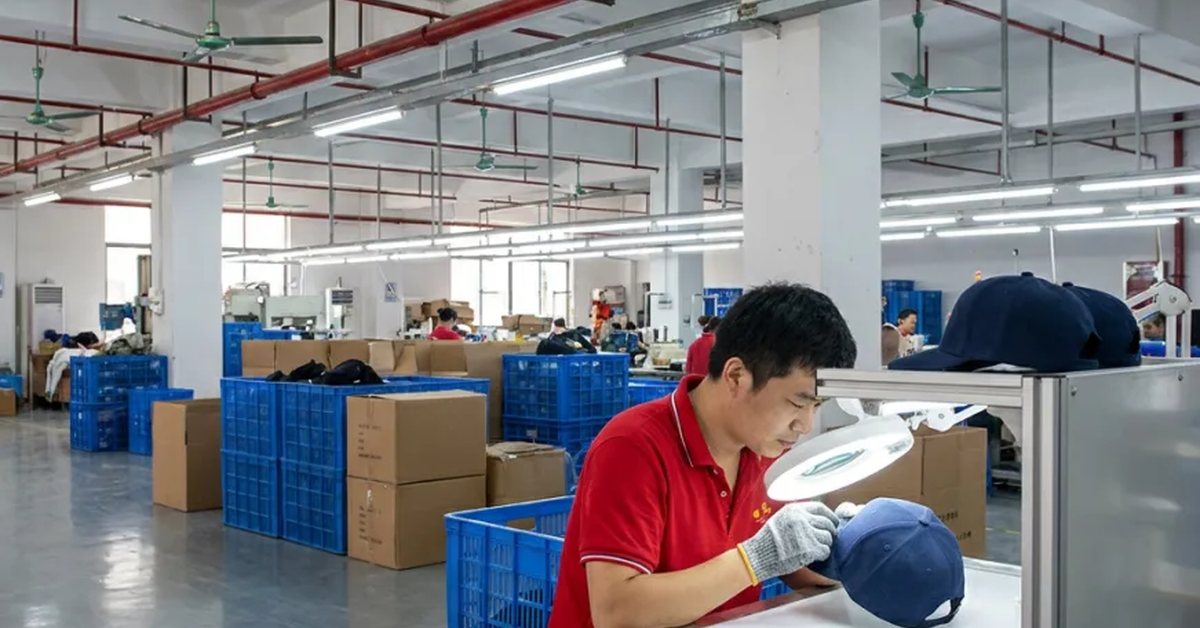
QSHeadwear publicly describes flexible production lines supporting bulk and small-batch OEM orders, alongside 100+ staff and 120,000-150,000 pieces of monthly capacity. Those figures show general scale, but a buyer should still ask which line, material and period are available for the specific project.
Request examples of similar construction, a written MOQ breakdown, the planned workflow and the response if a custom component misses its minimum.
Do Not Remove Quality Control From a Small Order
Low quantity does not remove the need for material review, approved samples, in-line checks, measurement control and final inspection. Define which defects would make the order unusable and how rework will be handled. A full AQL sampling plan may need adaptation for a very small lot, but acceptance criteria should still be written.
QSHeadwear describes multi-stage QC and final AQL 2.5 inspection. Confirm the practical inspection method for the actual batch size rather than assuming one plan fits every order.
Compare Low-MOQ Quotes Correctly
Separate sample charges, pattern work, digitizing, patch or mold setup, labels, packaging, inspection, cartons and freight. Calculate landed cost per sellable unit after expected samples and setup. The lowest production price can become expensive when freight and component minimums are added.
Ask whether unused labels, patches or packaging will be stored and credited to the next order. This can improve the economics of a second run.
Build a Reorder Path Before Launch
Confirm fabric availability, color references, artwork files, component stock, repeat MOQ and expected lead time. Keep the approved sample and specification. If the market test succeeds, the next order should not require the product to be rediscovered.
A low MOQ custom hats manufacturer should explain how the project can scale and which decisions will need to change at larger quantities.
Manage Timing With Milestones
Plan design lock, quote approval, sample, corrections, material confirmation, production, inspection, packing and freight. State whether the promised date means ex-factory, dispatch or buyer receipt. Include decision time on the buyer side.
QSHeadwear presents typical bulk production around 15-20 days and 25-30 days for orders above 5,000 pieces, subject to material and complexity. A small batch is not automatically faster if it includes custom material or several approval rounds.
Use a Small-Batch Supplier Scorecard
Score technical response, MOQ transparency, sample accuracy, quality plan, setup ownership, price clarity, communication, delivery and reorder support. Reject a candidate that hides minimums or assumes substitutions. Weight the criteria before reviewing quotes.
After delivery, measure defects, fit feedback, sell-through, landed cost and timing. Use the results to decide whether to repeat, increase quantity or change the specification.
Run a Small-Batch Risk Review Before Paying a Deposit
List the events most likely to make the launch fail: unavailable fabric, a color below the mill minimum, unreadable artwork, delayed labels, late sample approval, weak packing or freight that misses the selling window. Give every risk an owner, decision deadline and fallback. For example, approve a second available fabric only if its composition, weight, color and hand feel have been reviewed in advance.
Ask the low MOQ custom hats manufacturer which assumptions remain open and which component has the longest lead time. The answer should be recorded with the quotation. A short pre-mortem protects a small brand from spending its limited budget on urgent rework, split freight or components that cannot be reused.
Prepare a Small-Batch RFQ
Send the cap style, measurements, available or custom material preference, artwork, quantity by color, labels, packaging, destination and required date. Ask for minimums by component, fixed setup charges and reorder assumptions.
Review the available cap styles, customization workflow and factory profile. Then request a project-specific quotation through the contact page from a low MOQ custom hats manufacturer.
FAQ About Low MOQ Custom Hat Manufacturing
1. What does low MOQ mean for custom hats?
It means a supplier can support a smaller production run, but the practical minimum still depends on style, color, fabric, decoration, labels and packaging.
2. Is MOQ usually per color?
It can be. Ask for minimum quantities per style, color, artwork, size and custom component.
3. Can stock fabric reduce the MOQ?
Often it can reduce upstream material constraints, provided the color, composition and finish meet the product requirement.
4. Which customization is practical for a small batch?
One proven cap shape, limited colors and a controlled embroidery or patch method are usually easier to manage than many custom components.
5. Why is the unit price higher at a low MOQ?
Pattern work, digitizing, setup, handling and inspection are spread over fewer sellable units.
6. Should a small order still have a physical sample?
Yes. The sample protects fit, logo, construction and packaging decisions before production.
7. How should a small batch be inspected?
Use written acceptance criteria and an inspection method appropriate to the lot size, with clear rules for defects and rework.
8. Can unused labels be saved for a reorder?
Sometimes. Agree on ownership, inventory records, storage period and the conditions for future use.
9. How can a buyer lower small-batch risk?
Limit variants, use clear artwork, approve one final sample and compare complete landed cost rather than only unit price.
10. What should I send for a low-MOQ quote?
Send style, materials, artwork, quantity split, branding, packaging, destination and delivery date, then request a component-level MOQ breakdown.