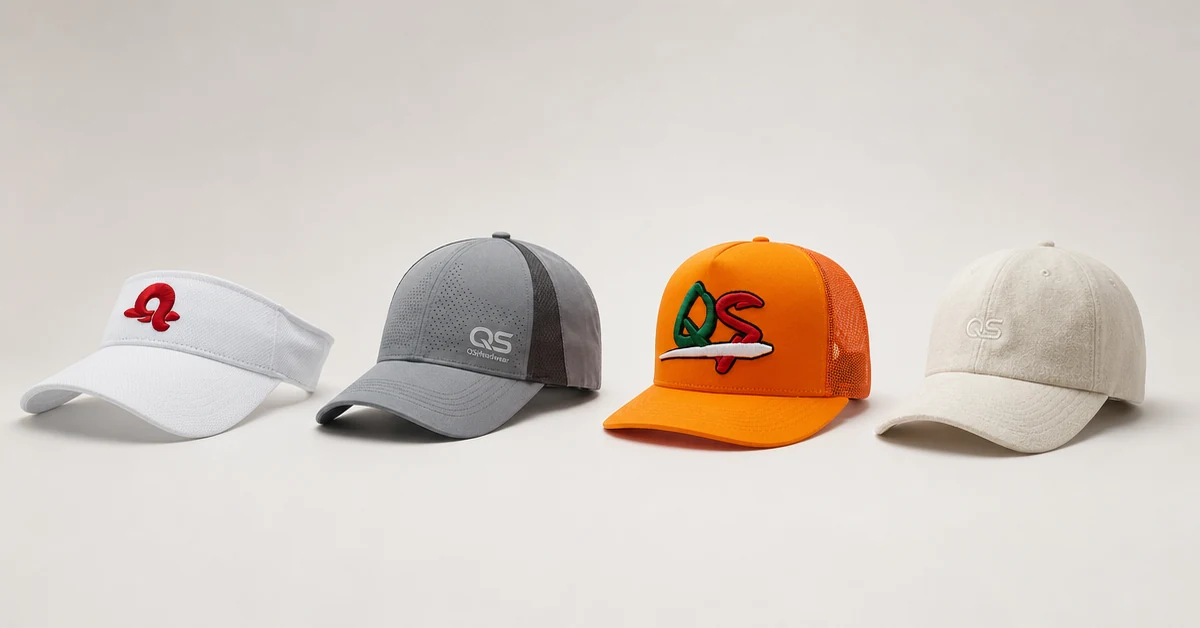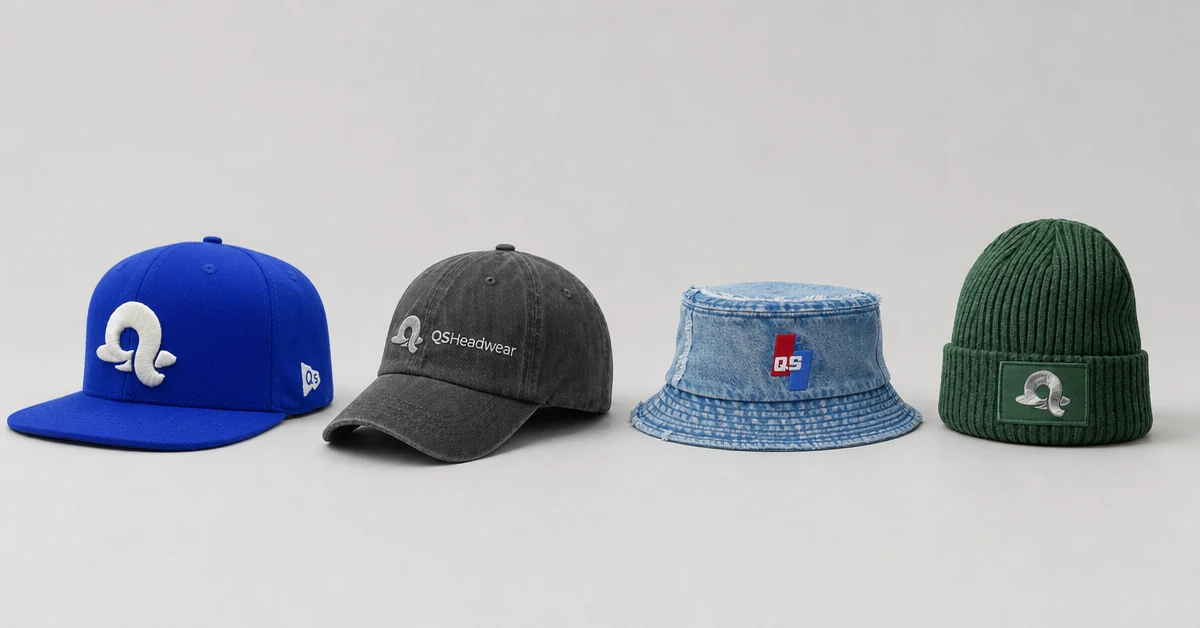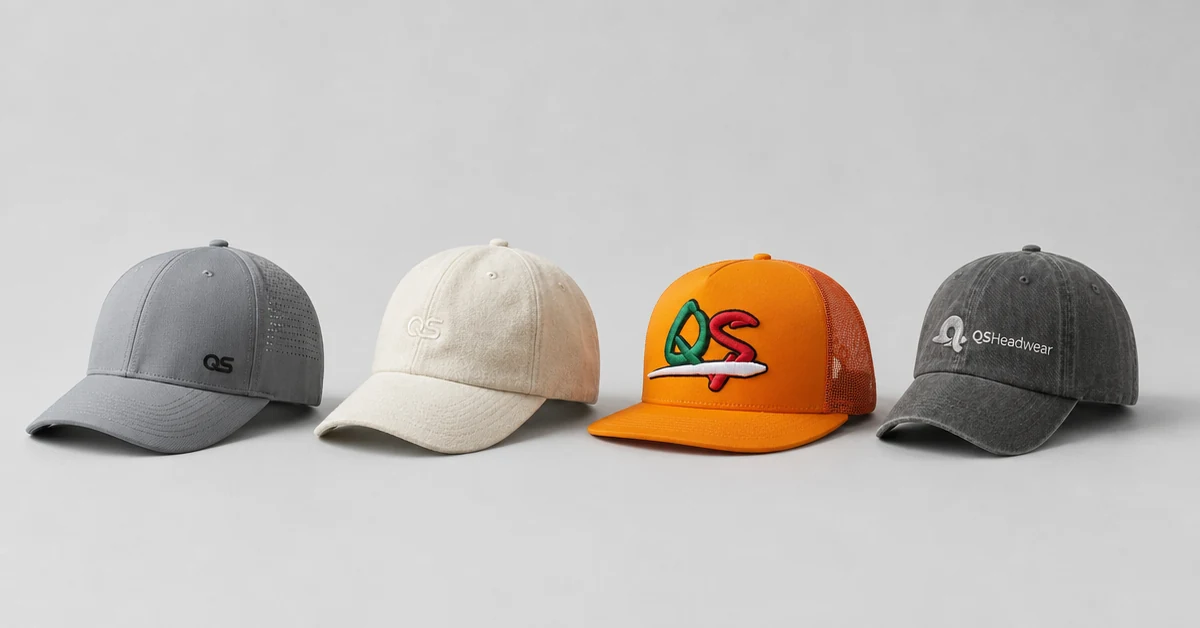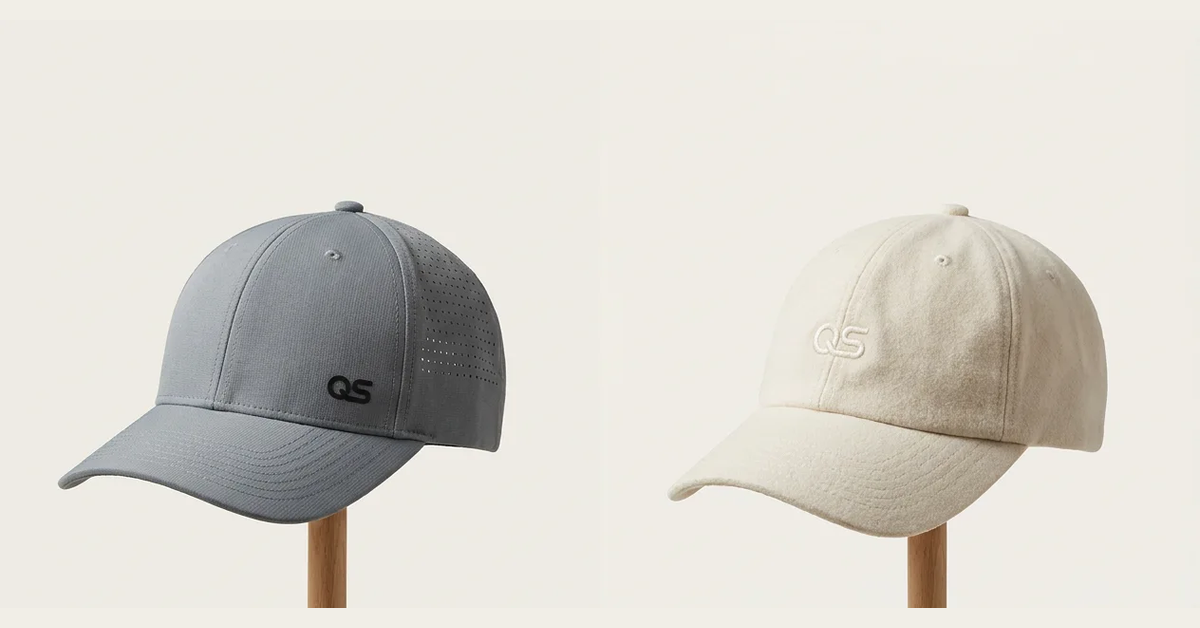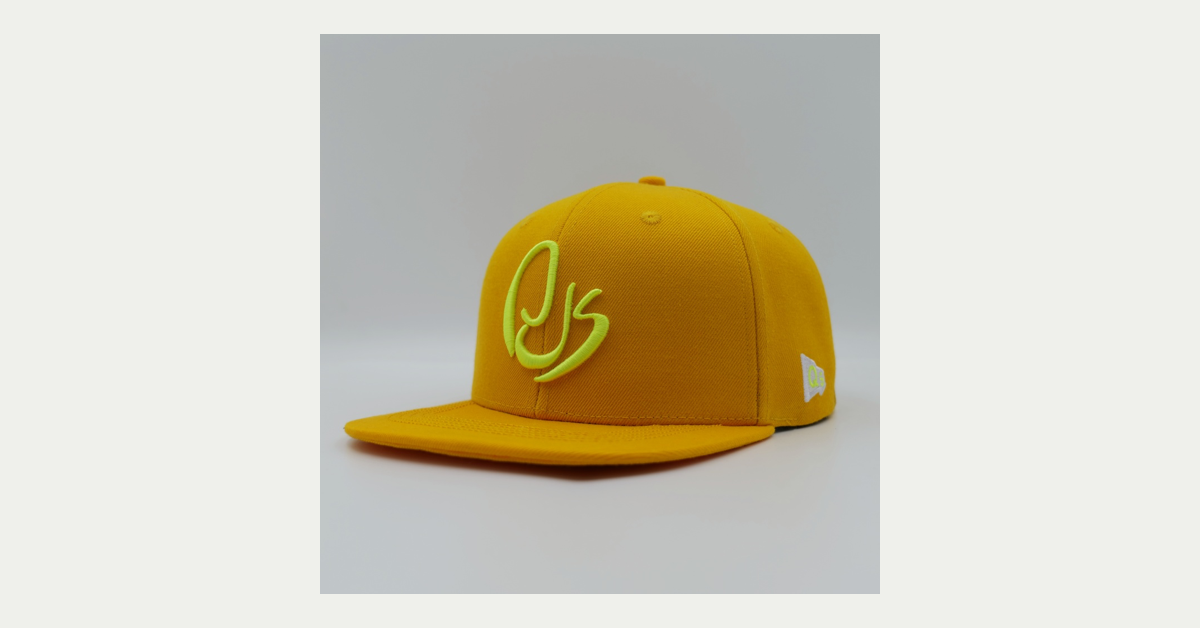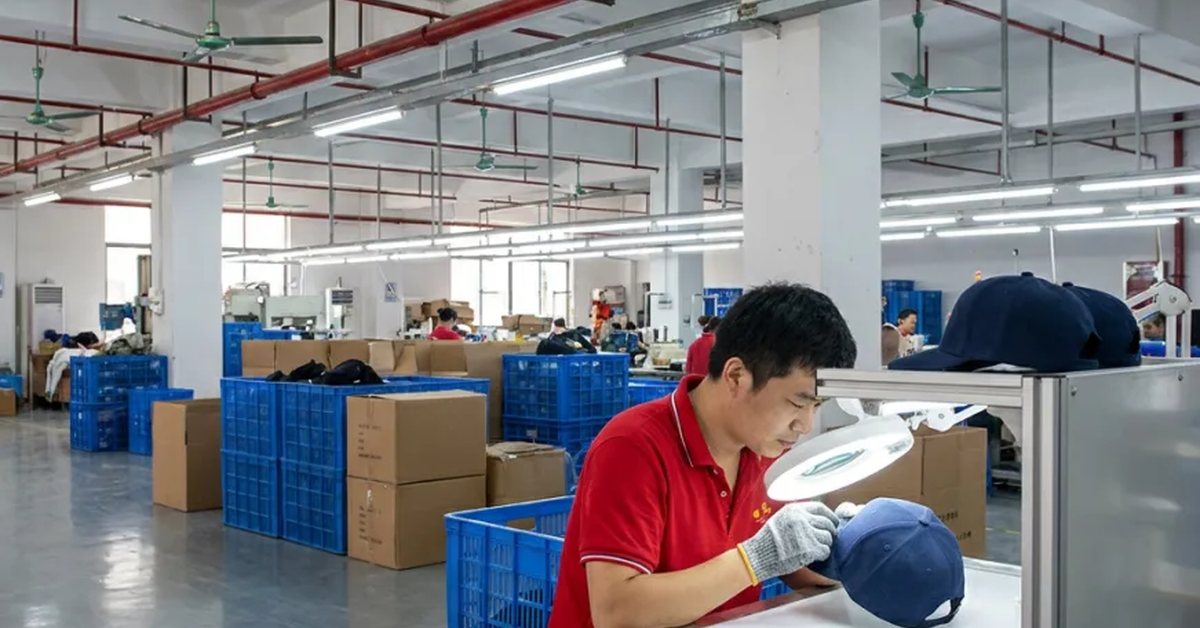


An ODM cap manufacturer can help a buyer move from a commercial idea to a manufacturable headwear product. The buyer may bring an audience, price position, visual direction and launch date rather than a complete technical pack. The supplier then proposes a cap structure, materials, decoration and production route. The value lies in development discipline, not simply in showing a catalog.
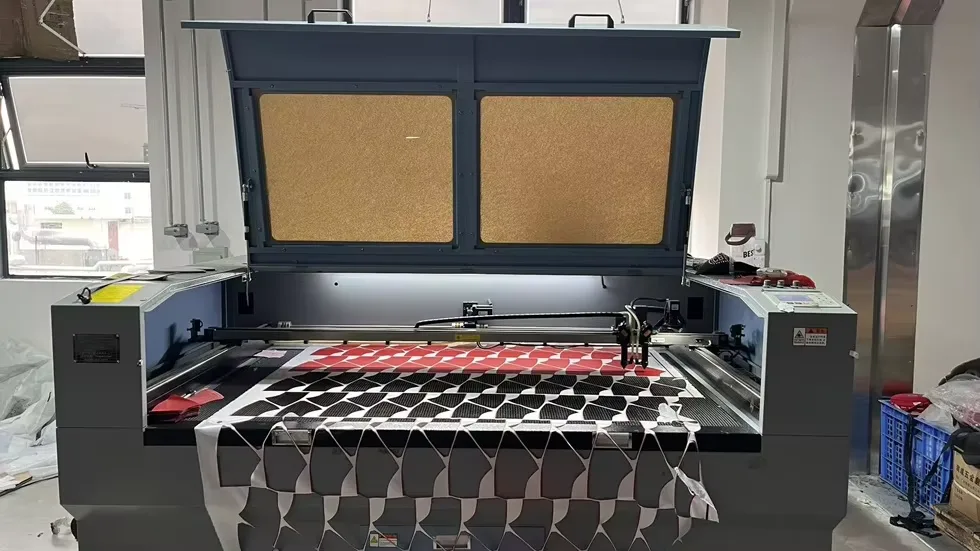
This guide is for apparel brands, retailers, distributors and e-commerce teams that need design support while retaining clear control of product decisions, approvals and reorder records.
ODM Cap Sourcing: The Direct Buyer Answer
Select a supplier that can translate the target customer and price into a written specification, explain which elements are standard or newly developed, disclose design and tooling ownership, produce a representative sample and lock the approved materials and construction for bulk. Compare candidates on the same brief, total landed assumptions and delivery window.
ODM Development Decision Table
| Decision area | What the buyer should define | Approval evidence |
|---|---|---|
| Commercial brief | Audience, channel, target price, launch date and quantity | Written project brief |
| Product direction | Cap type, fit, fabric, colors and decoration | Concept board and proposed specification |
| Ownership | Artwork, patterns, tooling and exclusivity | Written ownership terms |
| Sample | Materials, measurements, branding and packaging | Approved physical sample |
| Quality | Tolerances, defects, inspection and reporting | Order-level control plan |
| Reorder | Version, substitutions and retained references | Signed specification and approval archive |
Separate ODM From OEM Before Requesting Quotes
OEM normally begins with a buyer-controlled design or technical pack. ODM usually asks the supplier to contribute more product definition. In practice, projects can sit between the two. State what is already fixed, what needs a recommendation and which decisions require buyer approval. This prevents a quote based on an existing stock style from being compared with a quote that includes new pattern development.
Write a Commercial Brief the Factory Can Use
Include target customer, retail or promotional context, preferred cap category, fit, climate, design references, color count, logo locations, expected quantity, target price, packaging and required receipt date. Mark each item as mandatory, preferred or open to recommendation. A useful brief gives the ODM cap manufacturer enough freedom to solve problems without changing the brand's non-negotiable requirements.
Control Design Ownership and Confidentiality
Before paying for development, clarify who owns artwork, digitized embroidery files, patterns, molds, patches, screens and custom trims. Ask whether the proposed base style is used for other customers and whether exclusivity is available. Record how long the factory retains samples and files. A confidentiality agreement can protect information, but the purchase order and development agreement should still state ownership and permitted use.
Approve Materials as Specifications, Not Descriptions
Terms such as cotton twill, performance polyester or recycled fabric are too broad for consistent production. Record composition, weight, weave, finish, color reference, supplier or article number when available, and acceptable substitution rules. Apply the same discipline to sweatbands, closures, thread, labels, patches and packaging.
Use Sampling as a Decision Gate
- Review the concept against the customer and price brief.
- Check crown profile, brim shape, closure and wearing comfort.
- Measure the sample against the proposed specification.
- Inspect decoration at finished size and normal viewing distance.
- Confirm labels, packaging and care information.
- Return one consolidated revision list with photos and measurements.
QSHeadwear states that typical physical samples can be completed in 3-5 business days after requirements are aligned. Special fabrics, washes, molds or repeated revision rounds can extend that schedule, so approve a project calendar before the launch date becomes critical.
Build Quality Criteria Before Bulk Production
Define critical measurements, shade expectations, panel symmetry, brim shape, seam appearance, closure function, decoration placement, loose-thread limits, cleanliness and packing. QSHeadwear publicly describes incoming material review, pre-production approval, in-line monitoring and final AQL 2.5 inspection. Ask which checks and reports will apply to the actual order.
Compare MOQ and Cost on the Same Scope
MOQ can originate from fabric, dyeing, cap style, logo process, labels or packaging. Request minimums by style and color, then separate sample, development, tooling, unit, packaging, inspection and freight costs. Confirm whether deposits, unused custom materials or setup charges can be applied to a reorder. A low unit price is not comparable when essential development work is excluded.
Protect the Production Calendar
Build backward from the required receipt date through freight, inspection, bulk production, material procurement, pre-production approval, sample revision and initial concept review. Assign an owner and deadline to every buyer approval. Confirm what happens if fabric, trim or artwork is late and require written approval before substituting a component.
Lock a Reorder Package
Archive the approved sample, measurement sheet, bill of materials, artwork versions, color references, label and packaging files, inspection criteria and carton details. Give the final package a version number. Before a repeat order, the ODM cap manufacturer should list any proposed material, process or factory-line change so the buyer can decide whether a new sample is required.
Request an ODM Cap Development Proposal
Review the QSHeadwear product range, OEM/ODM workflow and company profile. Send the audience, price position, style direction, quantity, branding, packaging and delivery date through the contact page to request a development plan from an ODM cap manufacturer.
FAQ About ODM Cap Manufacturing
1. What information should an ODM cap brief include?
Include audience, channel, target price, style direction, quantity, colors, branding, packaging, destination and required date.
2. How is ODM different from OEM?
ODM includes more supplier-led product definition, while OEM usually follows a buyer-controlled design or technical pack; many projects combine both.
3. Who owns an ODM cap design?
Ownership depends on the agreement. Clarify patterns, artwork, tooling, files and exclusivity in writing before development.
4. Should I approve a physical sample?
Yes. Review fit, measurements, materials, decoration, labels and packaging before authorizing bulk production.
5. What affects ODM cap MOQ?
Fabric, color, cap construction, decoration, labels and packaging can each create separate minimums.
6. How long does cap development take?
QSHeadwear states typical physical samples take 3-5 business days after alignment; special materials and revisions add time.
7. What should the quality plan include?
It should cover materials, measurements, workmanship, decoration, closure, shade, cleanliness, packing and defect classification.
8. How should ODM quotes be compared?
Compare the same brief, development scope, materials, quantity split, packaging, inspection, freight assumptions and delivery date.
9. Can an ODM project use private labels?
Yes. Define woven labels, care labels, hangtags, bags, inserts, barcodes and carton marks as controlled components.
10. How can reorders remain consistent?
Keep a versioned specification and approved sample, and require written approval for every material or process substitution.