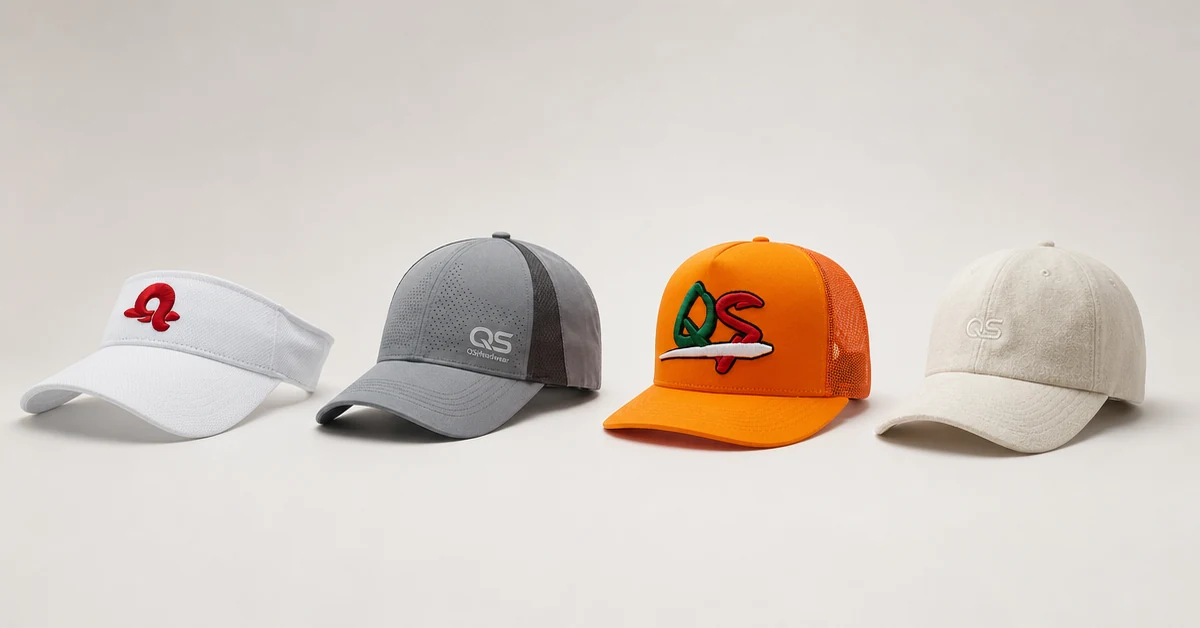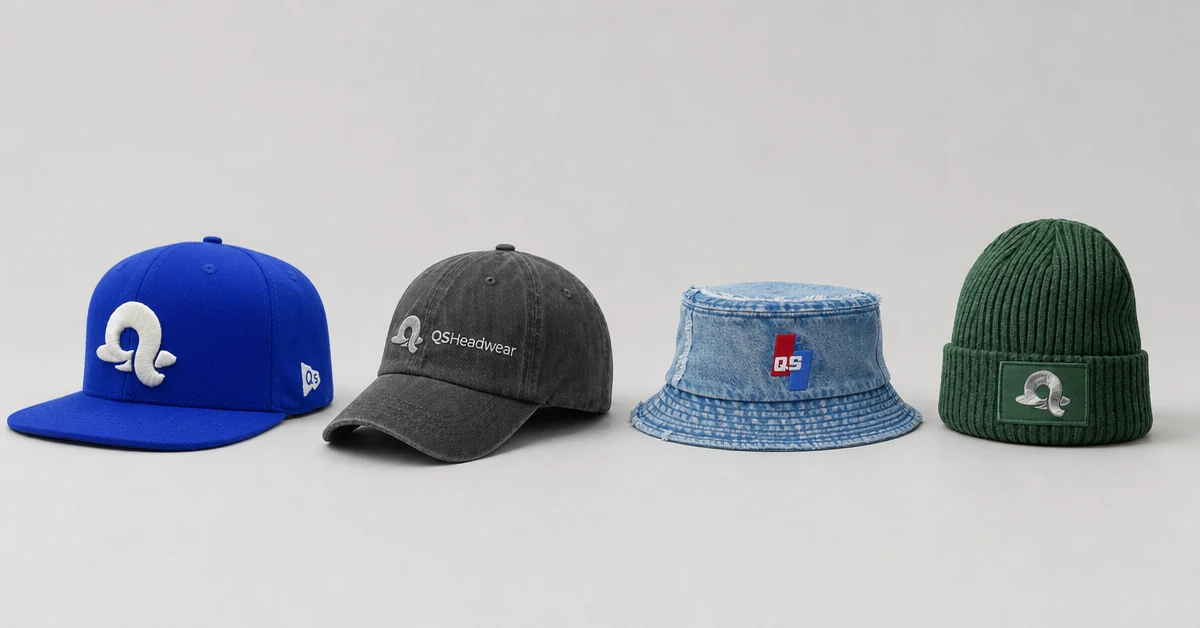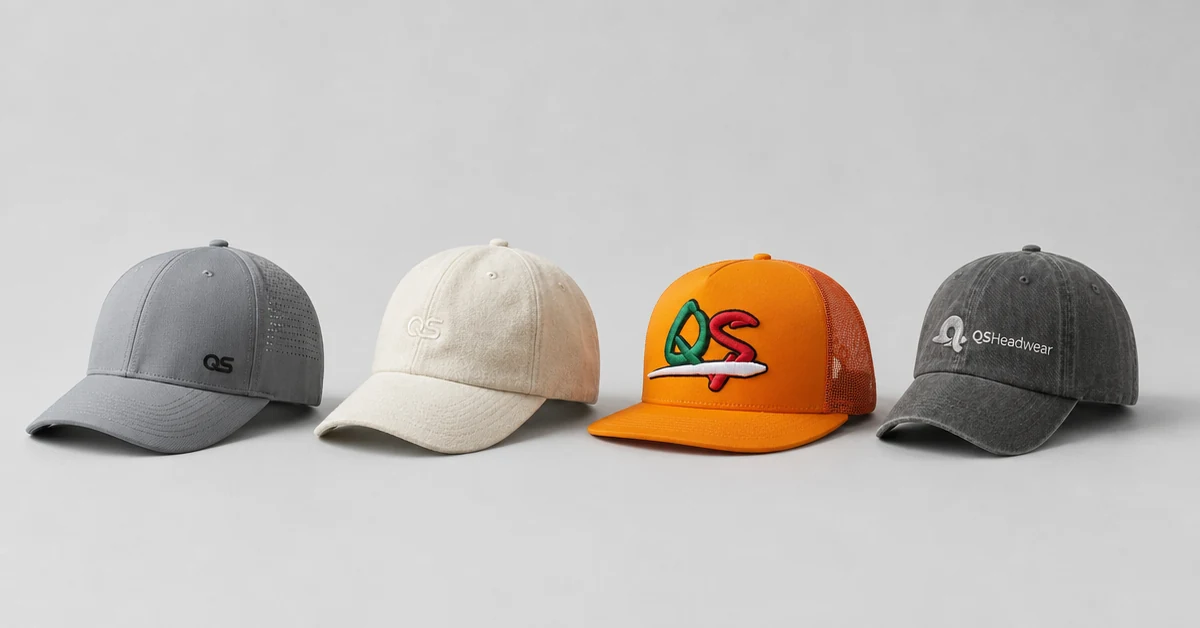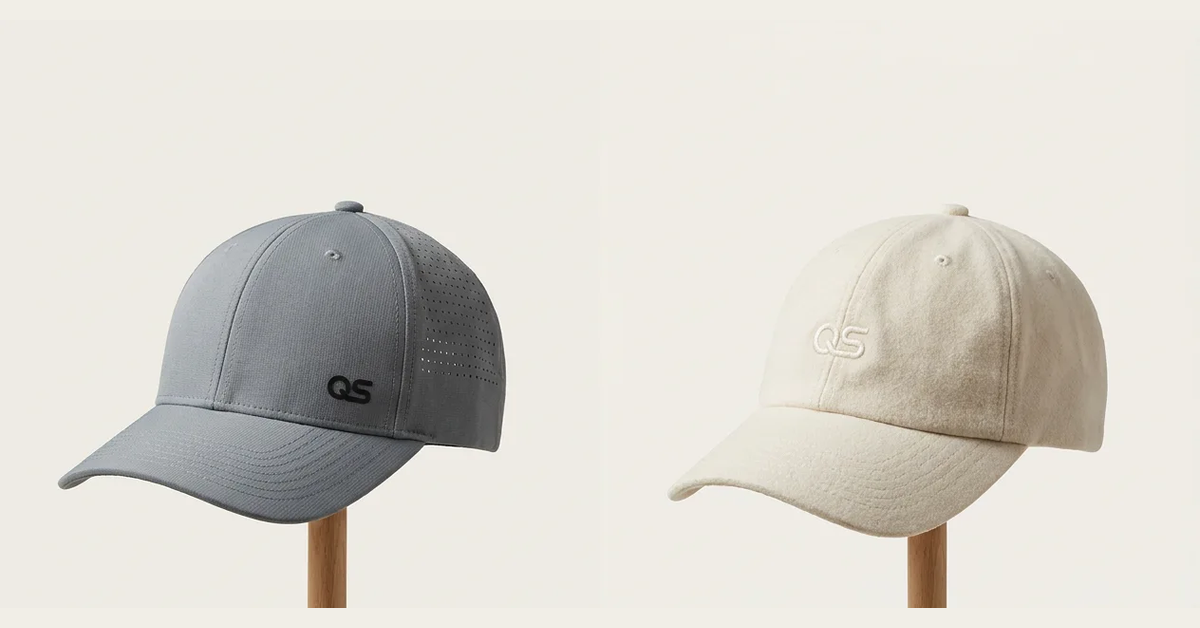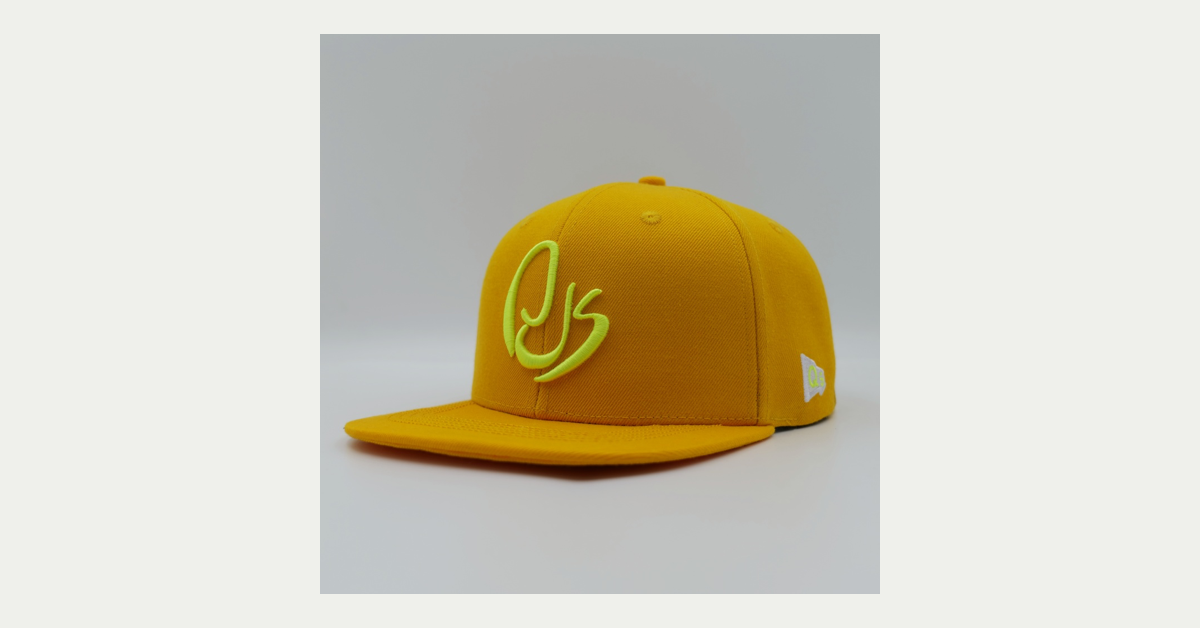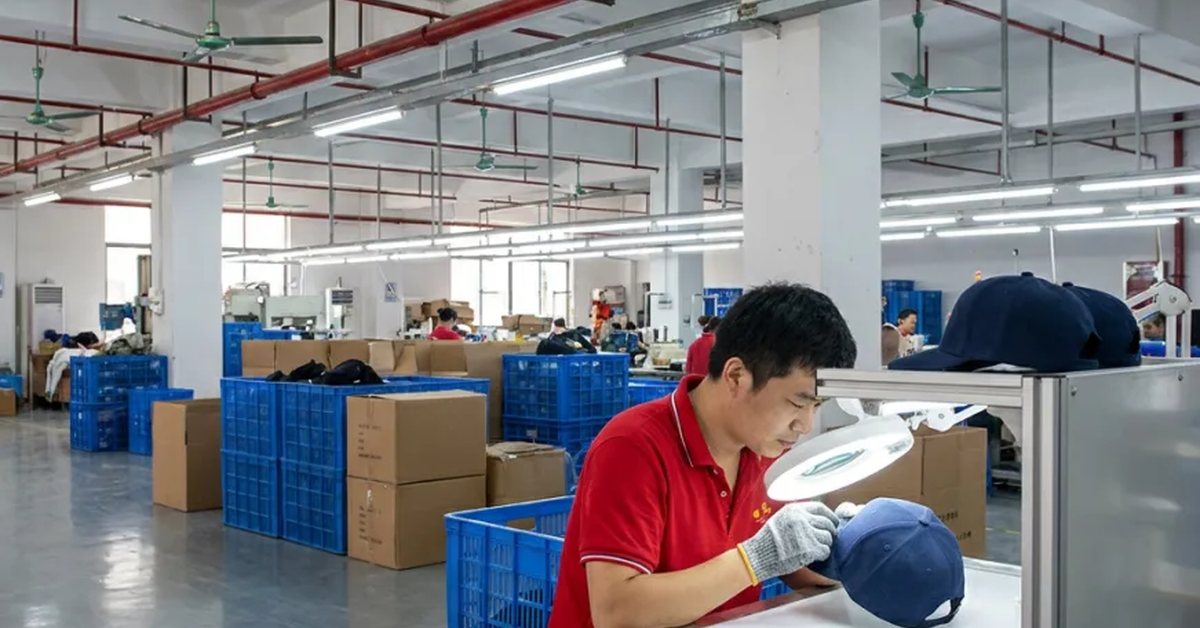


An OEM cap manufacturer turns a buyer's approved design, technical pack or reference sample into a finished cap under the buyer's brand. The work is more than sewing a logo: the factory must interpret construction, materials, decoration, labels, packaging, inspection and delivery requirements consistently. A good OEM brief makes those inputs visible before the sample and quotation are approved.
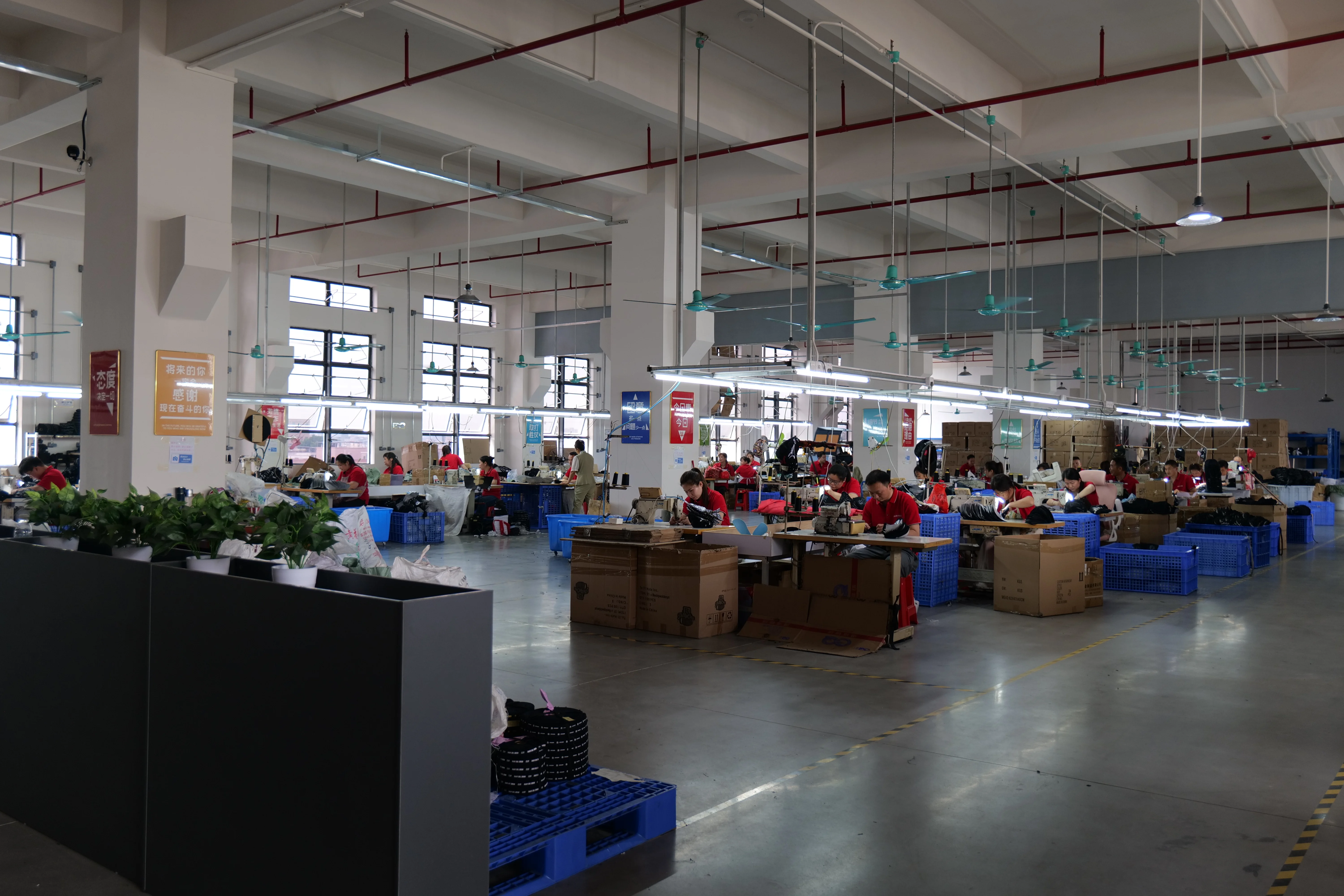
This guide helps clothing brands, retailers, distributors and e-commerce teams compare OEM cap suppliers and prepare a request that can become a repeatable production program.
OEM Cap Manufacturing: The Direct Buyer Answer
Shortlist an OEM cap manufacturer that can document the cap construction, confirm materials and minimums, make an accurate sample, apply decoration to the approved artwork, run multi-stage quality checks and pack the order to the buyer's distribution needs. Send the same specification to every candidate, then compare sample evidence and total landed assumptions rather than comparing a bare unit price.
QSHeadwear describes support from technical files or physical references through sampling, bulk production, inspection and shipping. The exact scope, MOQ and schedule still need confirmation for each style and order.
OEM Buyer Decision Table
| OEM input | What to define | Evidence before bulk |
|---|---|---|
| Construction | Panels, crown support, brim, closure and sweatband | Measurement sheet and approved sample |
| Materials | Composition, weight, finish, color and availability | Swatch, specification and sourcing note |
| Decoration | Technique, size, placement, colors and tolerances | Artwork proof and physical sample |
| Branding | Labels, hangtags, inserts, bags and carton marks | Approved component list |
| Quality | Measurements, workmanship and defect categories | Inspection plan and report format |
| Delivery | Quantity split, destination, trade term and date | Written production calendar |
Define What Is Owned by the Brand
OEM means the buyer owns the product direction. List the files and physical references that form the product identity: measurements, pattern or block, fabric, thread, patch, closure, label content, packaging artwork and approved deviations. State which items are confidential, which may be reused and which must be stored for reorders.
Do not assume a reference photo defines the inside construction. Request a component summary from the OEM cap manufacturer before approving the first quote. The summary exposes omissions while they are still easy to correct.
Choose a Proven Cap Block or Develop a New One
A proven six-panel, five-panel, snapback, trucker or unstructured block can reduce development time and help a brand test demand. A new pattern can create a distinctive fit, but it requires more rounds of measurements and wear evaluation. Decide whether shape, fit, fabric or decoration is the primary differentiator.
Record crown height, front panel angle, brim curve, closure position and head circumference range. A sample should be reviewed on the intended head form, not only on a table.
Match Decoration to the Artwork and Material
Flat embroidery, 3D puff embroidery, woven patches, leather patches, PVC patches, screen printing, heat transfer and sublimation create different visual and durability results. Dense embroidery can distort a lightweight front panel; a fine wordmark may read more cleanly as a woven patch. A supplier should explain these limits before digitizing or making screens.
Send vector artwork, finished dimensions, color references and exact placement. Approve the proof and keep the final file revision with the purchase order. This protects the brand when the same artwork is repeated months later.
Use Sampling to Approve More Than Appearance
Check the sample from front, side, back, top and inside. Measure crown, brim, closure and seam positions. Review fabric hand feel, symmetry, logo placement, label attachment, loose threads and packing. Photograph accepted details and list any agreed variance with a version number.
QSHeadwear states that physical samples are typically completed in 3-5 business days after requirements are aligned. Treat this as a planning reference: material sourcing, decoration complexity and feedback speed can change the actual OEM cap manufacturer schedule.
Verify Factory Claims With Order-Level Questions
| Public capability | Question for the buyer's order | Useful evidence |
|---|---|---|
| Custom headwear experience | Which lines have made this construction? | Relevant samples or production photos |
| Flexible capacity | What capacity is available in the requested month? | Confirmed project calendar |
| Decoration resources | Which technique best fits the artwork and fabric? | Proof, sample and tolerance note |
| Quality program | What checks will be recorded for this order? | Inspection checklist or report |
QSHeadwear publicly describes 100+ staff, 4,000+ square meters of production space, multiple embroidery machines and incoming, pre-production, in-line and final checks. Ask the team to confirm the current order-specific scope rather than treating general company figures as a substitute for evidence.
Plan MOQ, Color Splits and Components
MOQ can be controlled by the sewing line, fabric supplier, dye lot, embroidery setup, patch maker, label printer or packaging vendor. Ask for minimums by style, color, artwork and branded component. A factory may accept a small cap quantity while a custom box or dyed fabric requires more units.
For a first OEM run, reduce unnecessary variations while protecting the brand's essential identity. Use a consistent label system across related styles where care and fiber information remain accurate.
Build Quality Control Around the Approved Sample
Define critical measurements, logo placement tolerance, stitch quality, shade variation, closure function, cleanliness and carton pack-out. State how major and minor defects are classified and what happens to failed goods. QSHeadwear describes final AQL 2.5 inspection; confirm the sampling level and acceptance criteria for the actual order size.
Quality evidence should be available before shipment. A report that only says "passed" is less useful than a checklist linked to the approved sample and specification.
Compare an OEM Quote on a Landed Basis
Ask for separate lines for development, sample, digitizing or tooling, cap, decoration, labels, packaging, inspection, cartons, inland transport and freight. State the destination and trade term. Compare the same quantity by color and the same packaging assumptions.
A lower unit price may omit a label, box, inspection or freight responsibility. A complete quote makes internal budgeting and supplier negotiation more reliable.
Protect Reorders With Change Control
When a fabric, closure, logo size or label changes after approval, record the request, reason, version, cost impact and new date. The purchase order should point to the approved sample, artwork, material sheet, packaging instruction and inspection plan.
After delivery, review defects, on-time performance, customer feedback and component availability. An OEM cap manufacturer should make a second order easier to control than the first because the evidence and files are organized.
Prepare an OEM RFQ for QSHeadwear
Send style references, measurements, fabric preference, artwork, quantity by color, labels, packaging, destination and required receipt date. State which items are mandatory and which can be proposed by the supplier. Request a written summary of assumptions before sampling.
Review the QSHeadwear product center, OEM/ODM service page and factory information. Then use the contact page to request a sample plan, MOQ, quote and delivery schedule from an OEM cap manufacturer.
FAQ About OEM Cap Manufacturing
1. What does an OEM cap manufacturer provide?
An OEM supplier turns a buyer-approved product brief into samples and bulk caps, including construction, decoration, branding components, inspection and packing as agreed.
2. What files should I send for an OEM quote?
Send measurements, artwork, material direction, quantity by color, labels, packaging, destination and target date.
3. Can an OEM factory work from a physical cap?
A physical reference can start development, but measurements, artwork and an approved production sample are needed for repeatable results.
4. How long does OEM cap sampling take?
QSHeadwear states that physical samples are typically completed in 3-5 business days after requirements are aligned; complexity and material availability can change the schedule.
5. Does OEM MOQ include labels and packaging?
Not necessarily. Confirm minimums for the cap, fabric, decoration, labels, hangtags, bags and boxes separately.
6. Which decoration method should I choose?
Choose based on artwork detail, fabric, finished size, durability and budget; request a proof and sample before bulk.
7. What quality documents should I request?
Request the approved sample reference, measurement checks, artwork proof, inspection criteria and final inspection record.
8. Can an OEM order start with one style?
Yes. A focused first style can validate fit, branding and production performance before expanding the range.
9. How do I compare two OEM quotes?
Use the same specification, quantity split, packaging, inspection scope, destination and trade term for both quotes.
10. How can I make reorders more predictable?
Keep versioned artwork, approved samples, material records, inspection results and component information with the purchase order.