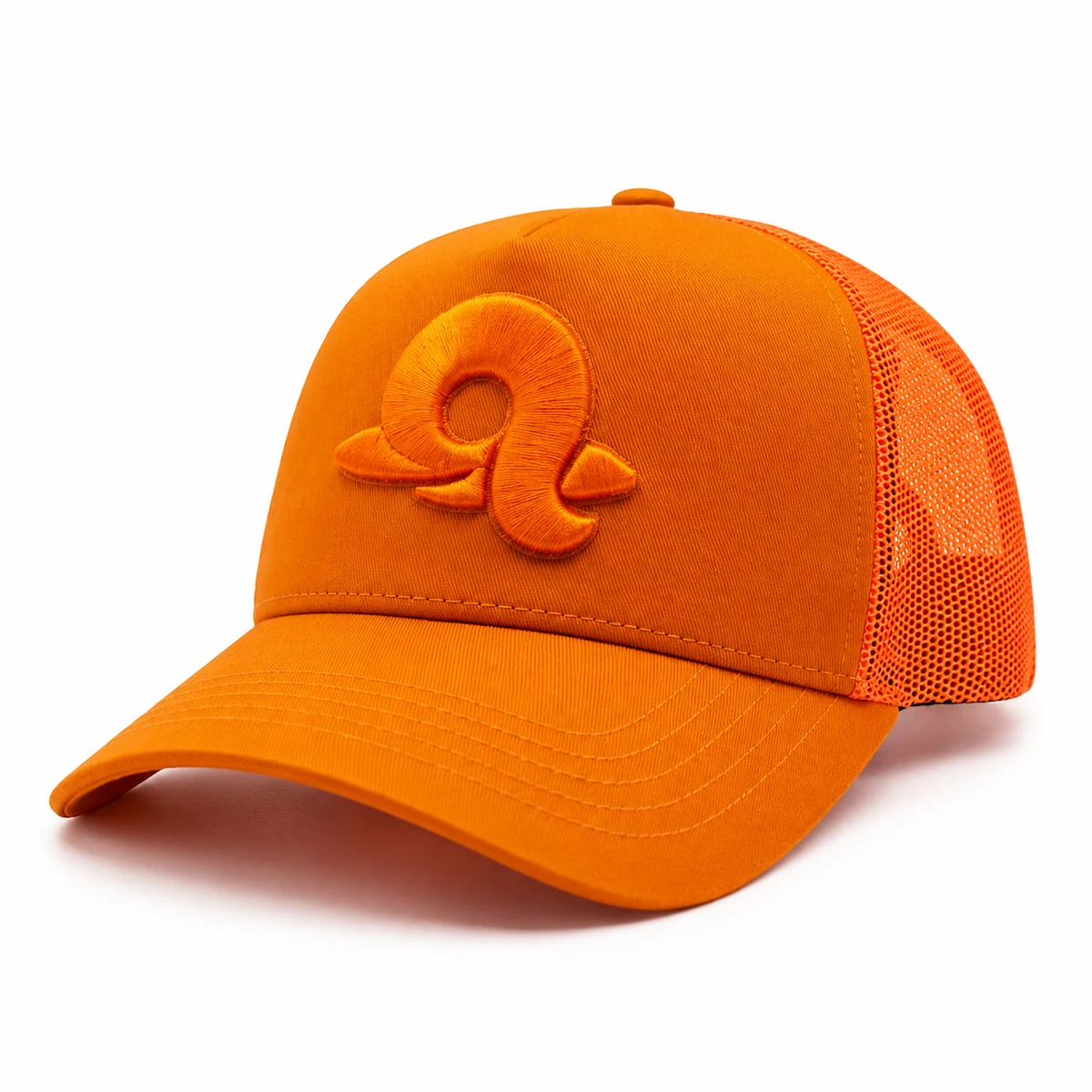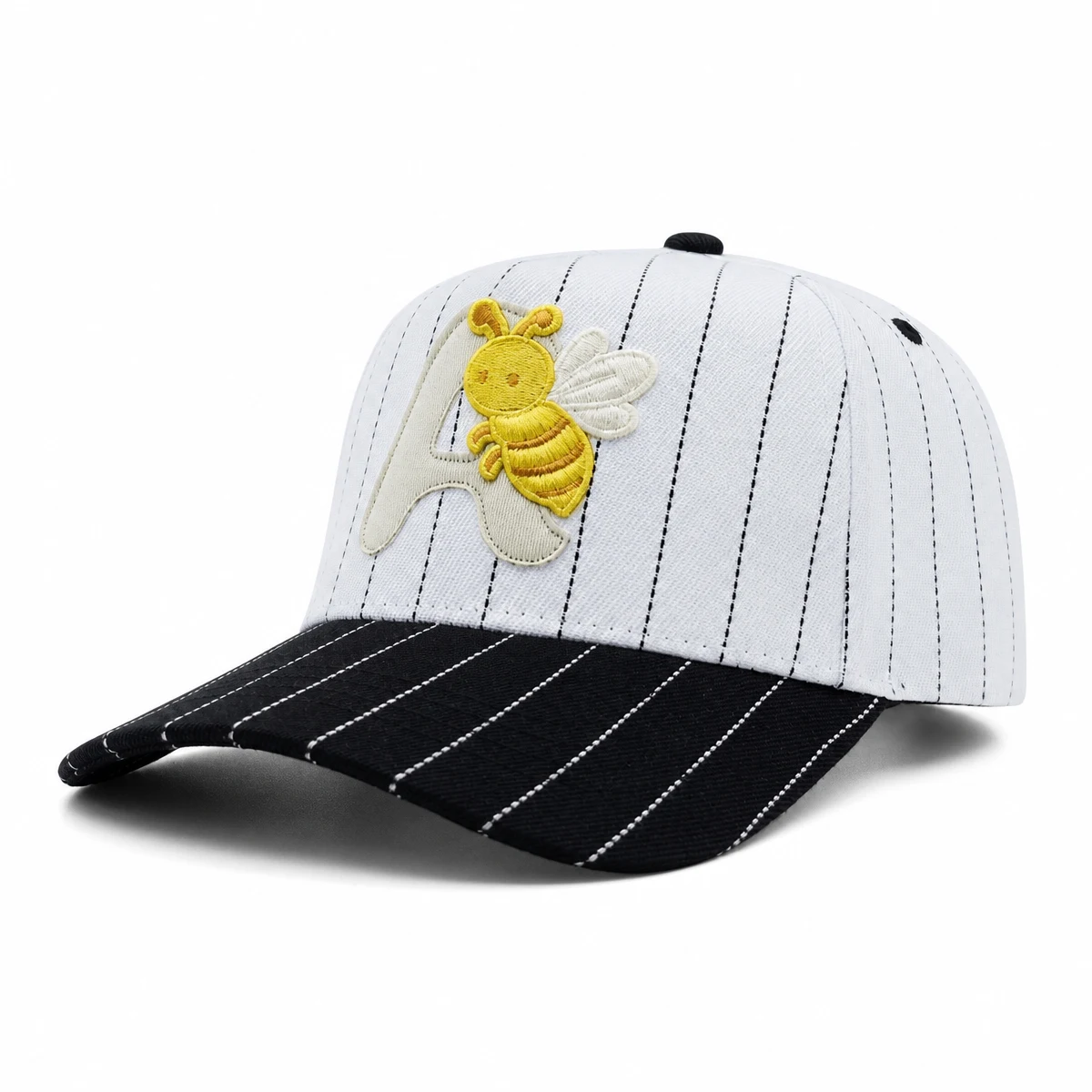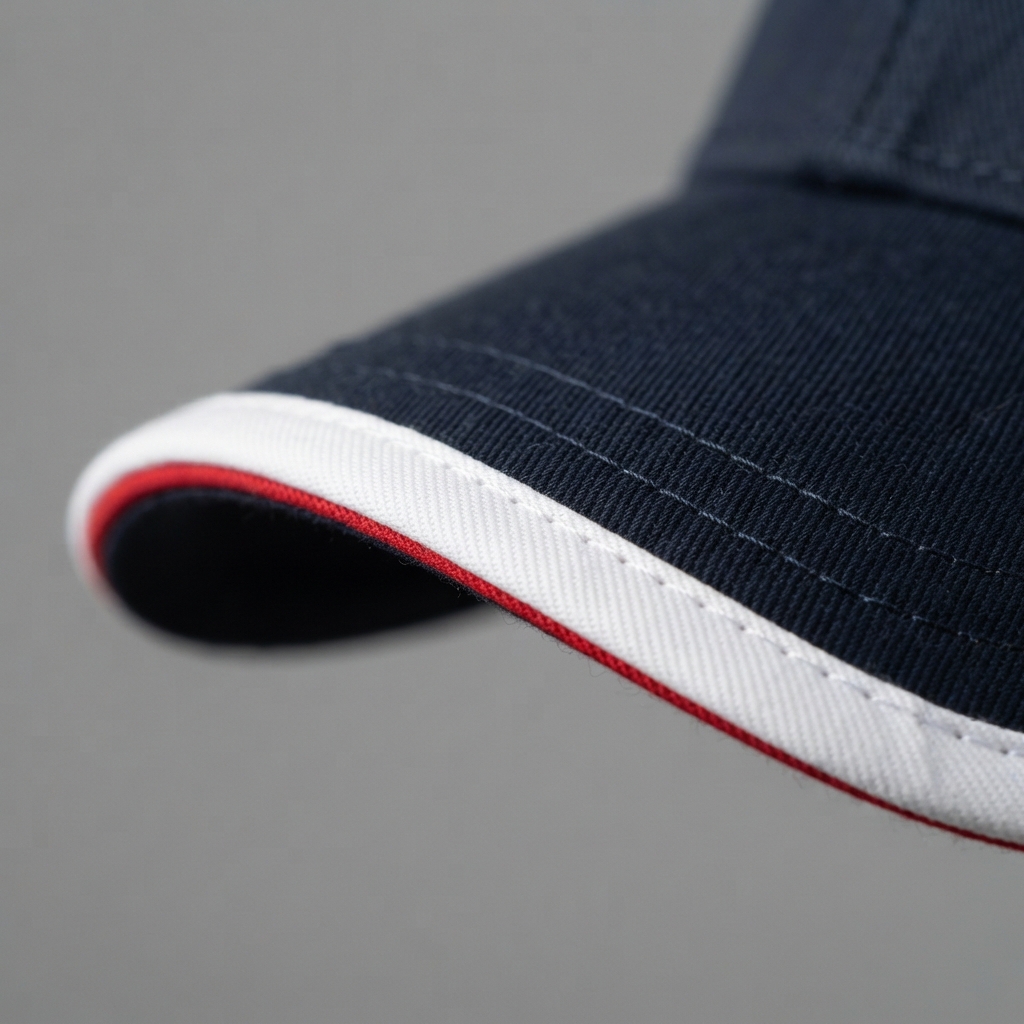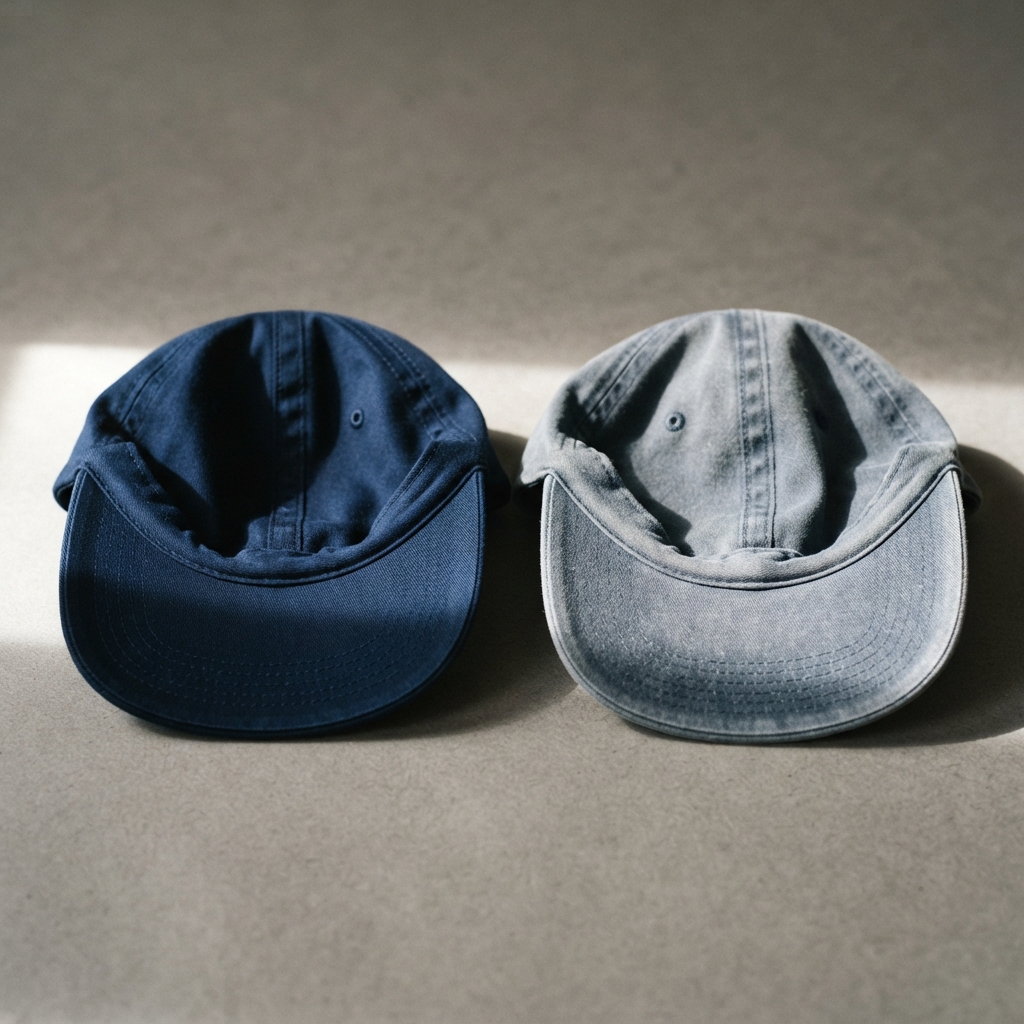


Colorfastness to light is the measure of how much a dyed fabric changes colour after a defined dose of light exposure, and it is the single test that best predicts whether a cap still matches its approval sample after a season on a shelf or a summer on a head. For caps the test matters more than for most apparel: the crown is one uninterrupted, upward-facing surface that takes sun from every angle, and a faded crown cannot be hidden by the way the garment hangs.
This guide explains what colorfastness to light actually measures, how the ratings work, how to write a requirement into a tech pack, and what evidence to demand before a bulk run is released. It is written for brand owners, sourcing managers and merchandisers who have to defend a colour decision months after the sample was signed.
What Does Colorfastness to Light Actually Measure?
Colorfastness to light measures colour change, not fabric strength. A specimen is exposed to a controlled light source for a set period, part of it masked as an unexposed control, and the exposed and unexposed areas are then compared against a standard gray scale. The result is a grade, not a percentage: the sample is judged on how visible the difference is to a trained eye under specified lighting.
Two details in that sentence decide whether a test report is usable. First, the light source and exposure must be stated, because a xenon-arc lamp at one exposure level is not interchangeable with a different option. Second, the grading scale must be stated, because a "4" means nothing without the scale, the lighting booth and the number of observers behind it.
What the test does not tell you
Colorfastness to light does not predict how a cap behaves in chlorine, how it crocks onto a white shirt collar, or how it reacts to sweat. Those are separate methods with separate ratings. A supplier who answers a light-fastness question with a single "colourfast" certificate is answering a different question than the one you asked.
Why Caps Fail Light Fastness More Than Shirts
A cap is a small product with a large exposed area and very little of the protection a garment gets from drape and overlap. Four structural reasons make headwear more vulnerable.
- Continuous exposure. The crown faces up, so it collects direct sun at the angle where intensity is highest for the longest part of the day.
- Thin, dense fabric. Cap twill is often lighter than shirting and tightly woven, so the same dye concentration sits in less fibre mass per unit area.
- Contrast panels. A cap usually pairs two or more colours on adjacent panels. Fading that would be invisible on a solid shirt becomes a visible mismatch at a seam.
- Decoration on top. Embroidery thread, patches and heat transfers age at different rates from the shell, so a faded shell next to a stable logo looks worse than either would alone.
Structural caps with buckram-backed front panels and heavy 3D embroidery add a further wrinkle: the raised embroidery shades part of the crown, so the fabric behind it stays darker than the surrounding panel. When the exposed area fades, the shadow of the logo becomes permanent. This is one reason buyers should test the assembled cap, not only the roll of fabric.
The Tests Buyers Usually Mean
Three methods come up in almost every headwear colour conversation. They answer different questions and use different ratings, so a tech pack should name the one it wants.
| Property | Method commonly quoted | What it predicts | Typical evidence |
|---|---|---|---|
| Colour change after light exposure | ISO 105-B02 (xenon arc) or AATCC TM16 | Fading in sunlight and shop-window light | Gray scale rating plus stated exposure option |
| Colour transfer by rubbing | AATCC TM8 (crocking) | Dye marking a collar, cap or car seat | Dry and wet grades, separately reported |
| Colour change from sweat | AATCC TM15 (perspiration) | Discoloration where the sweatband and shell meet skin | Grade for colour change and for staining of adjacent fabric |
The middle row is colorfastness to crocking, and it is the test that explains the grey smudge a dark cap leaves on a pale collar. The bottom row is colorfastness to perspiration, and it is the method headwear buyers most often forget — yet it decides complaints in the first month of wear rather than the twelfth. A sweatband that shifts colour against a pale shell produces a visible ring exactly where the customer looks when they take the cap off.
Reading a Rating: The Gray Scale and Blue Wool
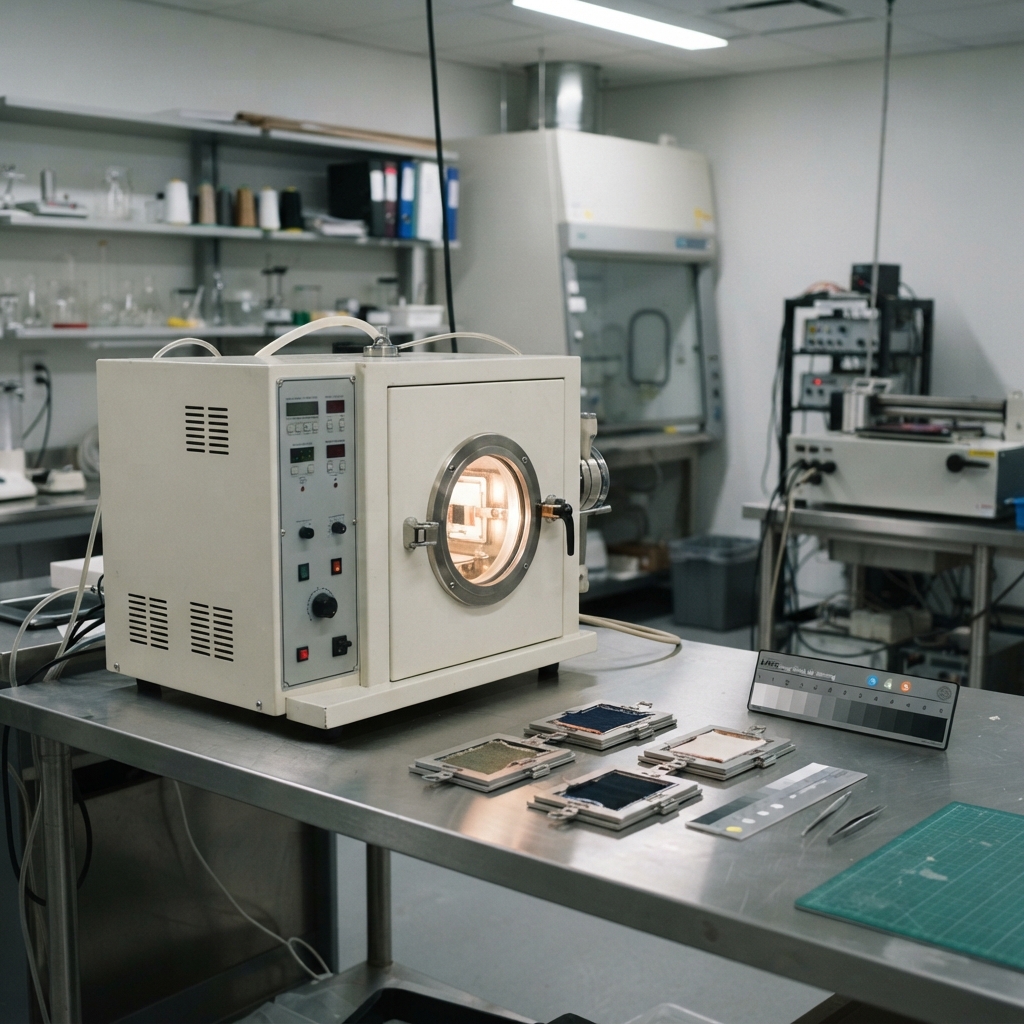
A gray scale rating is expressed on a five-step scale, where Grade 5 means no visible change and Grade 1 means a large change. The steps are not linear in perception; the difference between 4 and 3 is far more visible on a cap panel than the arithmetic suggests, because the two grades sit side by side at a seam.
Exposure level is controlled with blue wool references, a set of eight dyed standards that fade at known, increasing rates. The references let a laboratory describe exposure in terms of fading rather than clock time, which is why two labs can report comparable results from different equipment. If a report quotes hours but never names the reference or option, the number is not portable.
What counts as a pass
There is no universal pass grade for caps. Retail programs typically set their own minimum at a stated exposure, and a common expectation is Grade 4 or better for the shell and for any contrast panel. The practical instruction is to take the number from the buyer's own requirement sheet rather than from a supplier's marketing page, then write that number into the tech pack with the method and the exposure option attached to it.
How to Write the Requirement Into a Tech Pack
A requirement that cannot be tested as written will be interpreted generously. State four things together: the method, the exposure option, the minimum grade, and the component the requirement applies to.
| Weak wording | Testable wording |
|---|---|
| "Colourfast fabric required" | Shell: ISO 105-B02, stated option, minimum Grade 4 colour change |
| "No fading" | All contrast panels: same method and exposure, minimum Grade 4, reported per colourway |
| "Good colour fastness" | Embroidery thread: same method, minimum Grade 4, tested on the finished cap |
| "Sweat resistant" | Sweatband: AATCC TM15, grade for colour change and for staining, tested as assembled |
Name the colourways too. A program with six shell colours and four thread colours has twenty-four combinations, and the lab will test what you list. Testing the darkest and lightest shell plus the two highest-risk threads is a defensible sampling plan; testing only the navy is not. A cap colour approval built on one colourway is a bet, not an approval.
What Drives Failure
Fading is rarely random. The same handful of causes explain most headwear failures.
- Dye class versus fibre. The same colour number behaves differently on cotton, polyester and wool blends. A recipe transferred between substrates carries no guarantee.
- Light shades and brights. Pale and saturated brights show change earlier than dark navy or black, which is why they need to be tested even when the dark colour already passed.
- Finishes and washes. Garment washing, enzyme treatment and softeners can move dye to the surface, changing both the starting colour and its stability.
- Heat in decoration. Heat-transfer and some print processes expose the shell to temperatures that shift dye behaviour near the decoration.
- Storage before shipping. Caps stored in a hot container or a sunlit warehouse can arrive already changed, which turns a lab argument into a delivery dispute.
Because washes change the surface, a washed cap should be tested after the wash, not on greige fabric. The same logic applies to any garment-dyed or distressed program: the sample that goes to the lab should be the sample the customer will receive.
Sampling and Bulk Evidence
One passing test on one specimen does not describe a production run. Ask for the report on the colourway and component actually ordered, and check three points before releasing bulk.
- Identity. Does the report name the fabric, the colour reference and the component, or only a generic "cap fabric"?
- Method and option. Is the exposure option stated, and does it match the requirement sheet?
- Scope. Does the report cover the assembled cap where the requirement says assembled, or only a flat swatch?
For repeat orders, keep the approved report with the approved sample. A second run using a different dye lot can pass the same method and still look different in daylight, and the only way to settle that conversation is to compare both runs against the same retained standard.
Common Mistakes
- Accepting a certificate that names no method, no option and no grade.
- Testing shell fabric only, then discovering the embroidery thread fades first.
- Testing a flat swatch for a requirement that specifies the assembled cap.
- Assuming a dark colour's pass covers the pale colourways in the same program.
- Setting a grade without stating the exposure, so the number cannot be reproduced.
- Filing the report but not the retained sample, leaving nothing to compare against later.
How We Work on Colour Consistency
QSHeadwear has produced OEM and ODM headwear for 15 years from Dongguan, with more than 100 skilled workers and monthly capacity of roughly 120,000 to 150,000 units. Development samples are typically ready in 3 to 5 working days after artwork confirmation, and production is checked from incoming fabric through pre-production sample, in-line inspection and an AQL 2.5 final inspection.
Within that flow, colour decisions are handled as documentation rather than conversation: the approved sample, the colour reference and any test report stay attached to the order file, so a repeat run can be checked against the same standard. Buyers who need a specific light-fastness requirement written into the specification can include it in the tech pack, and it becomes part of the inspection file rather than a separate request. You can see the current product range on our custom cap product pages or discuss a specification through the contact page.
For the fabric side of the same decision, our guide to cap fabrics covers how cotton twill, corduroy, wool and denim behave differently under dye and light, and the washed cap shade standard explains how to lock a finish before bulk. If your program also needs chemical testing, the component test map shows which part of a cap each requirement applies to, and the AQL inspection plan explains how a colour defect becomes a shipment decision.
Frequently Asked Questions
What is a good colorfastness to light rating for a cap?
Grade 4 or better on the five-step gray scale at the exposure your buyer specifies is a common retail expectation. The grade is meaningless without the method and exposure option, so always read the three together.
How long does a light fastness test take?
It depends on the exposure option the laboratory runs, because exposure is measured in fading units rather than fixed clock time. Ask the lab for the option and the turnaround before you plan a shipment date around the result.
Should I test the fabric or the finished cap?
Test the finished cap when the requirement concerns the assembled product, because embroidery, patches and heat transfers age differently from the shell. Flat swatch results describe the fabric only.
Does a dark navy passing mean my pale colours are safe?
No. Light and bright shades usually show change earlier than dark shades, and each colourway needs its own result. Use the dark colours as a baseline, not as cover for the rest of the range.
Is colorfastness to light the same as UV protection?
No. Light fastness describes how the fabric's own colour changes. UV protection describes how much ultraviolet radiation passes through the fabric to the skin, and it is measured and rated separately.
Can washing make fading worse?
It can change the surface and move dye, so a washed or garment-dyed cap should be tested after the wash process. Testing greige fabric for a washed program leaves the real risk unmeasured.
What should I keep after approval?
Keep the report, the approved sample and the colour reference together. Without a retained standard, a dispute about a second run has no common reference point.
Conclusion
Colorfastness to light is a narrow, well-defined test: a stated method, a stated exposure, a graded result on a named component. Treated that way it removes most of the guesswork from a colour approval, and it gives you something concrete to compare when a repeat run arrives looking slightly different. Treated as a checkbox certificate, it produces exactly the paperwork that fails to settle an argument.
If you are specifying a cap program and want the colour requirement built into the production file from the start, send the colourways and target market through our contact page and we will quote against the specification you intend to inspect.