

A custom beanie manufacturer yarn lot can match the approved color name and still produce a visibly different reorder. The dye lot may be warmer, the yarn count slightly different, the finish softer, or the usable yield lower after defects and machine waste. Knitted headwear magnifies these changes because yarn creates the fabric, stretch and color at the same time.
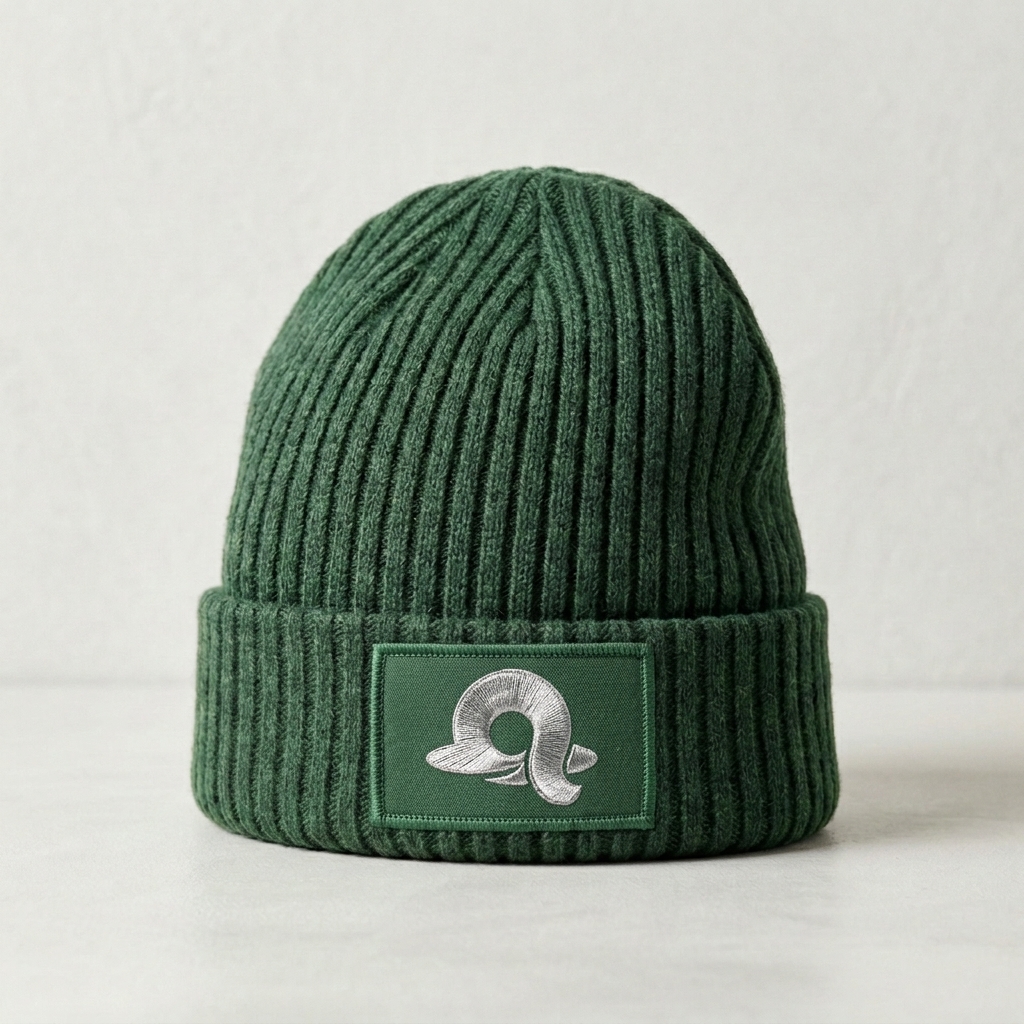
Use a yarn lot ledger from development onward. It links the supplier code, composition, count, twist, color, dye lot, certificates, received weight, inspection, knitting trial, usable yield, allocation and reserve. A buyer does not need every mill detail on the purchase order, but the factory needs enough identity to keep one lot from quietly becoming another.
Define a yarn identity beyond color
Record supplier, article code, composition, yarn count, ply, twist where relevant, spinning system, finish and color reference. For blended yarn, keep the declared composition and its evidence. For recycled or organic claims, record the certification scope and transaction evidence required by the program.
Commercial names such as soft acrylic, merino blend or recycled poly are not production identities. Two yarns under the same description can knit at different density, recover differently and accept color differently.
Open one custom beanie manufacturer yarn lot record
| Ledger field | What to record | Evidence | Why it matters |
|---|---|---|---|
| Yarn identity | Supplier article, composition, count, ply and finish | Supplier specification | Prevents name-based substitution |
| Color identity | Color standard and dye lot | Approved cone or knitted swatch | Controls shade continuity |
| Quantity | Ordered, received, rejected, issued and remaining weight | Warehouse movements | Shows usable supply |
| Knitting result | Machine, gauge, structure, settings and panel result | Trial record | Links yarn to actual fabric behavior |
| Finishing result | Wash, steam, dry and final measurements | Finished sample report | Reveals shrinkage and recovery |
| Allocation | Style, color, order and reserve quantity | Material plan | Stops unapproved consumption |
| Status | Development, approved, hold, depleted or archived | Dated disposition | Controls future use |
Approve shade on knitted material
A loose yarn winding helps compare color and cannot show the complete surface created by gauge and knit structure. Approve a knitted swatch made on representative equipment, then compare the finished beanie under the agreed viewing condition. Rib valleys, marl effects and brushed finishes alter the visual result.
Keep an approved cone or winding and a finished swatch. The cone helps incoming comparison; the swatch represents the product surface. Label both with the lot and approval date.
Measure incoming weight and usable weight separately
Received kilograms are not all available for saleable units. Moisture, damaged cones, knots, shade rejection, setup waste and end-of-cone remnants reduce usable yield. Reconcile ordered, received, quarantined and issued quantities before promising finished output.
A custom beanie manufacturer yarn lot ledger should record the reason for loss. Historical yield by yarn and structure improves future purchasing more than a universal waste percentage.
Link yarn to machine, gauge and knit structure
The same yarn behaves differently in 1x1 rib, 2x2 rib, jersey, jacquard and plated structures. Record the machine type or class, gauge, feeder arrangement and critical settings used for the approved trial. The objective is not to freeze every operator adjustment; it is to preserve the route that produced the accepted fabric.
When a machine changes, knit a comparison before assuming equivalence. Small changes in density can alter finished width, height, weight, stretch and logo behavior.
Test recovery, not just maximum stretch
A beanie can stretch over the head and fail to recover after wear. Define relaxed dimensions, a controlled extension, hold time, recovery time and post-test result. Use the same method for development and bulk checks. Record cuff behavior separately when double layers or dense decoration affect it.
Fit decisions belong to the finished product after the normal rest period, not a warm piece immediately off the machine. Yarn and finishing both influence recovery.
Control finishing as part of the lot result
Washing, steaming, drying and pressing can change hand feel, size and shade. Record time, temperature, chemistry where used and the resting condition before measurement. If finishing is subcontracted, retain the outbound lot and returned batch identity.
During a custom beanie manufacturer yarn lot review, compare unfinished and finished evidence. A color accepted before finishing may move after heat or wash, and a dimension that looks wrong before steaming may settle correctly afterwards.
Separate sample yarn from bulk yarn honestly
Development often uses available sample yarn. Mark it as sample-only when the bulk source or dye lot is not confirmed. The sample may release silhouette, stitch structure or decoration position and should not silently release bulk shade or hand feel.
Before production, submit bulk-lot evidence proportionate to risk: a winding, knitted swatch, finished panel or complete PP sample. State which characteristics each item approves.
Calculate reservation from finished yield
| Quantity step | Calculation | Common mistake | Control |
|---|---|---|---|
| Net product need | Order units x approved finished unit weight | Using nominal catalog weight | Measure approved finished samples |
| Process allowance | Setup, defects and normal knitting loss | One generic percentage for every structure | Use route history and risk |
| Shade reserve | Replacement and inspection contingency | No reserve for custom dye lot | Set a named lot reserve |
| Future reserve | Optional quantity held for reorder or repairs | Unpriced, indefinite hold | Agree owner, storage and expiry |
| Purchase quantity | Net need plus justified allowances | Rounding without reconciliation | Track ordered to usable to remaining |
Finished unit weight should be measured across representative approved units. Decoration, pom-poms, linings and labels may need separate material calculations. Do not multiply one unverified sample weight across a large order.
Protect reserved yarn from another order
Label reserve cones with buyer, style, color, lot, weight, status and expiry. Store them so warehouse staff cannot issue them against a similar color. The ledger should subtract every movement and require approval when reserve drops below the agreed floor.
Agree who owns paid reserve, storage conditions, aging risk and the disposition after expiry. A reservation without commercial terms becomes a future dispute.
Plan reorders before the lot is depleted
Show the remaining usable weight and the approximate finished-unit equivalent. Alert the buyer before the reserve reaches the quantity needed for a realistic reorder decision. If a new dye lot will be required, communicate that continuity cannot be assumed.
For continuing core colors, compare each new lot with the retained standard and decide whether to mix lots within one shipment. Many brands prefer lot separation by order or carton so a visible boundary does not appear within a retail set.
Approve substitutions by performance and claim
A replacement yarn must be reviewed for composition, count, shade, hand, density, weight, stretch, recovery, finishing and decoration behavior. Also review claims and labeling. Matching color alone is not equivalence.
The custom beanie manufacturer yarn lot record should show whether approval is permanent, limited to one order or rejected. Temporary substitutions need an expiry so they do not become the unexamined default.
Keep certificates tied to the actual material
OEKO-TEX STANDARD 100 can apply from yarn through finished textile articles under its defined certification scope. Textile Exchange resources distinguish different materials and chain-of-custody approaches. Buyers should verify certificate holder, product scope, validity and transaction evidence rather than treating a logo in a supplier deck as product proof.
Record which claim the evidence supports and which lot or order it covers. Do not expand a component certificate into an unsupported finished-product claim.
How QSHeadwear controls beanie material
QSHeadwear develops cuffed, uncuffed, rib, jersey and decorated beanies alongside woven headwear. We translate the buyer's yarn and color requirements into sample and bulk records, knit representative material, finish it, and check dimensions and appearance before release. Sampling commonly takes about three to five business days once yarn direction is clear.
Bulk normally runs fifteen to twenty days, extending to twenty-five or thirty days above 5,000 pieces, subject to yarn availability, dyeing, approval and capacity. Custom yarn or color can add material lead time before knitting begins.
Open the next custom beanie manufacturer yarn lot
Ask for the yarn identity, dye lot, received and usable quantity, approved knitted swatch, finished measurements and reserve status before bulk. For a reorder, begin with remaining lot quantity and whether a new shade approval will be needed.
Browse our headwear range, review the beanie sourcing guide, compare the cuffed-beanie pressure tests, or send yarn requirements through the contact page. The OEKO-TEX STANDARD 100 page explains its harmful-substance testing and certification scope, and the Textile Exchange Fiber and Materials Matrix explains its comparative framework and chain-of-custody tags.
Yarn lot questions buyers ask
Why can two dye lots with the same color code look different?
Raw material, dye process, water, finishing and normal process variation can shift shade. Knit structure and light also affect perception. Approve the lot on a representative knitted and finished surface rather than relying only on the color name or cone label.
Should yarn shade be approved on a cone or swatch?
Keep both when possible. A cone winding supports incoming comparison, while a knitted and finished swatch shows the surface customers will see. Label each item with supplier article, color, dye lot, date and approval status.
How much extra yarn should be ordered?
Calculate from measured finished unit weight, order quantity, route-specific setup and defect history, shade risk and any agreed reserve. Avoid a universal percentage. Reconcile ordered, received, quarantined, issued, returned and remaining weight after production.
Can leftover yarn be used for the next reorder?
Yes if quantity, condition, shade, claim evidence and storage remain suitable. Knit and finish a comparison when age or storage may affect behavior. If leftover and new lots are combined, decide how lot boundaries will be managed in production and shipment.
What is usable yarn weight?
It is the received quantity that can actually enter approved production after quarantine, defects, moisture concerns and other exclusions. It differs from issued weight, which also includes setup and process consumption. Track both to understand true yield.
How does embroidery affect beanie yarn planning?
Embroidery adds separate thread and may change fit or rejection risk at the decorated area. Dense logos can stretch or compress knit material. Approve the design on the actual knit construction and include realistic defect or reserve planning where decoration is demanding.
Should different dye lots be mixed in one order?
Only after comparison and a deliberate buyer-factory decision. Visible shade variation may appear when units from different lots sit together. If both lots are accepted, segregate production and carton records so complaints or retail presentation can be traced.
What evidence supports recycled or certified yarn claims?
Verify the applicable standard, certificate holder, scope, validity, material identity and transaction or chain-of-custody documents required for the order. A supplier logo or generic certificate may not cover the specific yarn, process, product or claim wording.
When is a complete new sample required for a yarn change?
Use a complete sample when the change can affect fit, hand feel, shade, weight, finishing, decoration or claims in ways a swatch cannot represent. A narrow color correction on an otherwise unchanged approved yarn may be closed with knitted and finished material evidence.
How long should reserve yarn be stored?
Agree an expiry based on fiber, finish, packaging, storage conditions, program life and commercial ownership. Inspect before reuse. The ledger should trigger a decision to retain, return, consume or dispose rather than allowing reserve to remain indefinitely.