

Custom cap samples pass through four gates: sketch and tech pack, proto, fit or size set, and pre-production. Each gate answers one question, and none of them proves the next one. Most sample-to-bulk mismatch comes from signing one gate as though it were another.
A buyer approves a proto and expects the bulk to fit. A buyer approves a size set and expects the colour to hold. Both expectations fail because the sample never tested that variable. The fix is procedural, not technical, and it costs nothing but discipline.
Why is a photo-matched sample not a specification?
A photo records appearance at one moment, in one light, on one cap. A specification records what the next several hundred caps must be. They are different documents, and only one of them can be inspected against.
When a buyer sends a photo and asks for "this cap", the factory has to interpret everything the image cannot carry. That list is longer than most buyers expect:
- fabric weight, yarn count and weave or knit structure
- thread colour code, denier and sheen
- crown depth, panel height and front panel rise
- brim board thickness, curve radius and row spacing
- stitch density, underlay and pull compensation
- seam allowance, topstitch distance and tape width
Scale is the quieter problem. Placement that looks centred on a phone screen can sit several millimetres off centre on a finished crown. A 3 mm shift is invisible in a photo and obvious on a retail shelf.
Colour is the loudest problem. A screen renders colour in emitted light, while fabric reflects it. Two caps can look identical on a monitor and visibly different under shop lighting. Approving colour from an image is approving an unmeasured guess.
Keep photos as supporting evidence. Send a measured spec sheet with named measurement points, material codes and file references. The written version is the one the factory, the inspector and your next supplier can all work from.
What must the sketch and tech pack settle before a proto?
The tech pack is the document that makes custom cap samples meaningful. If it is vague, the proto becomes a negotiation about taste instead of a check against a baseline.
A workable pack for a cap carries the silhouette and panel count, crown depth and brim length, closure type, fabric codes for every panel, colour codes for fabric and thread, the decoration method and its placement dimensions, label and tag positions, and the packing instruction. Every drawing needs a scale or a dimension, never a proportion alone.
Version control matters more than length. Give the pack a version number and a date, and state which version the proto must be built to. Without that, comments on sample two get applied to a file the factory has already replaced. The technical sourcing guide for OEM headwear sets out the same document logic at programme level.
What does a proto sample actually prove?
A proto proves that the construction is buildable and that the decoration lands where the drawing says. It is a feasibility check, not a fit check and not a colour check.
On a structured cap, the proto shows whether the crown holds its arch under the weight of the embroidery. On a 3D puff design, it shows whether the foam underlay sits cleanly on that specific fabric. On a trucker, it shows whether the mesh feeds evenly under the needle without waving at the seam.
Read the proto against four things: silhouette, measurement points, decoration placement and trim. Then write comments as measured changes, not adjectives. "Crown 5 mm too shallow at the front" is actionable. "Looks a bit tall" is not.
What the proto does not prove: that the block grades correctly, that the dye lot will repeat, that the closure hardware will hold, or that the carton will protect the crown. Those belong to later gates.
What does a size set prove, and what does it not prove?
A size set proves that the grading rules work at the block level. It shows how the crown depth, band length and closure opening change between the smallest and largest size in the range.
Measure every size on the same point list, with the cap resting on a flat surface and the closure set to a stated position. Record the numbers, not just pass or fail. A size set with no measurement sheet is a set of hats, not evidence.
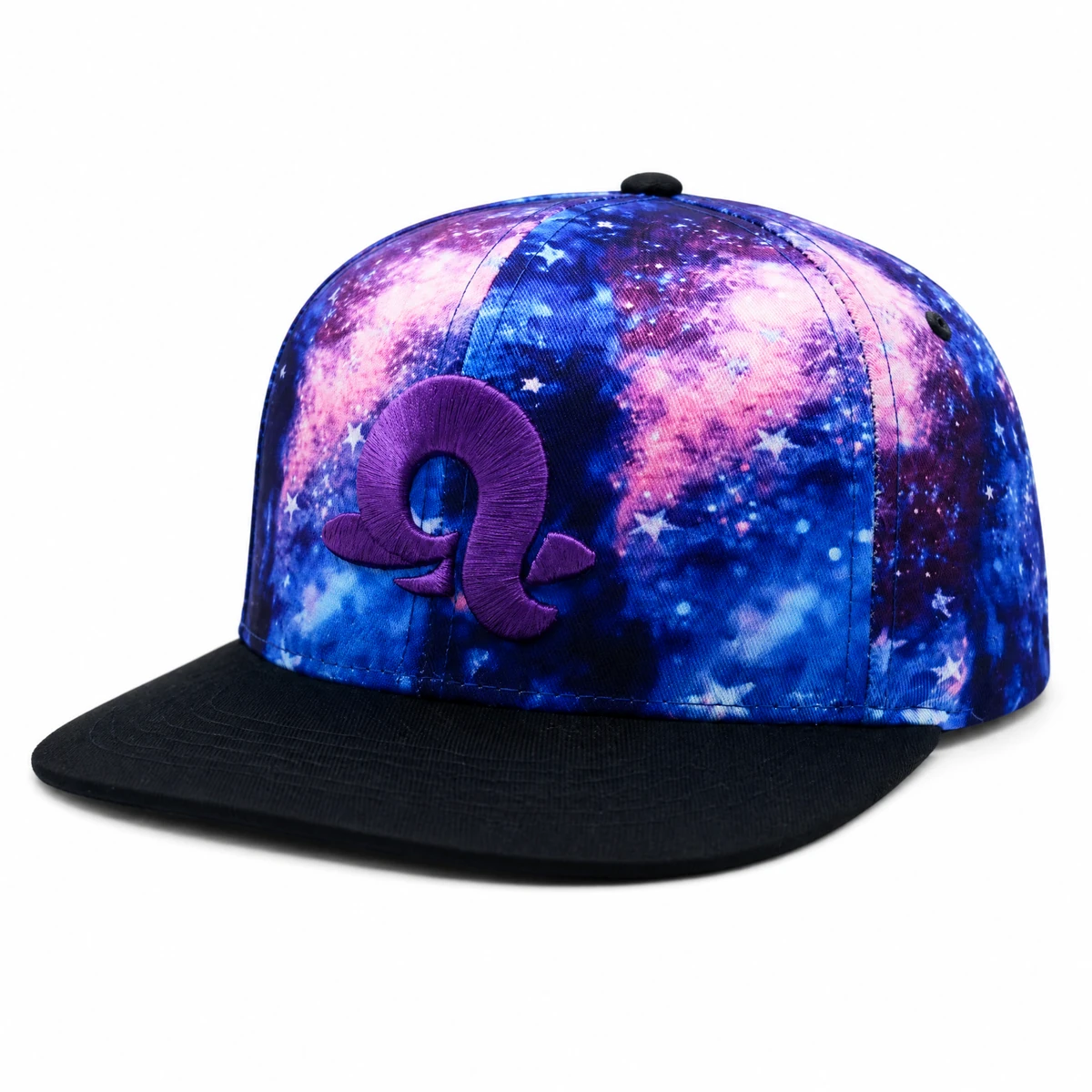
This is where deep-crown and extended-size programmes usually stall. A grade that works at the middle of the range can pull the crown shape apart at the top end. The guide to deep-crown XL to 3XL fits explains why a separate block is often needed rather than a stretched grade.
A size set does not prove three things. It does not prove comfort on a wearer, because that needs heads, not tables. It does not prove that a different fabric will behave the same, because drape and shrinkage differ. And it does not prove that bulk cutting will repeat the sample, because that depends on the marker and the cutting table.
One practical rule: if the PP sample is later built on a different block from the approved size set, the size set no longer applies. Re-measure the PP sample against the same point list before you release bulk.
How should embroidery files and stitch counts be approved?
Approve the stitch file, not the look of one sewn cap. A cap can look right and still come from a file that will drift at scale, especially where density, underlay or pull compensation sit close to the limit.
Ask for the digitised file tied to a named artwork revision. Then approve a sew-out on the production fabric, because foam, twill, canvas and mesh all behave differently under the same stitch count.
Check the elements that decide how bulk will look:
- stitch count per element, and total stitch count for the design
- underlay type and the sequence of flat layers before any foam
- density and pull compensation on curves and letterforms
- foam thickness on 3D puff work, and the cut points around it
- edge registration against panel seams and stripes
- needle and thread size recorded on the approval sheet
Name stitch types explicitly so the factory and the inspector describe the same thing. The stitch classification in ISO 4915:1991 gives a shared vocabulary for hand and machine stitches; quoting a class in the spec removes a common ambiguity.
Sign the approval with the file name, version and stitch count written on it. If the design changes after approval, the file is re-approved, even for a small edit. A moved letter is a new file.
How should colour be approved against a physical standard?
Colour is approved against a physical object, under a stated light, with a recorded rating. Screens, PDFs and verbal names cannot carry a colour decision.
Approve fabric and thread separately, because they are dyed or produced by different routes and will drift independently. For each, keep a labelled physical standard: a lab dip or bulk swatch for fabric, a thread chip or cone reference for embroidery.
State the light source and the viewing condition on the approval sheet. Then record a rating rather than "approved". The grey scale in ISO 105-A02 is the usual tool for judging a colour change against a reference, and a number on the sheet is what makes a later argument decidable.
Watch for metamerism, where two samples match under one light and separate under another. Approve under the light the product will be sold in, and note if a second source also matters, such as daylight in a stadium or a store.
Store the approved standard in a dark, dry place, sealed and dated. A swatch that fades on a windowsill stops being a standard after one summer, and the bulk comparison then has no reference at all.
Which ten items must be frozen before the PP sample?
Ten items decide whether custom cap samples reach pre-production as a production sample or as another proto. Freeze all ten in writing before the factory builds it, and record the version of each.
| Item | What "frozen" means |
|---|---|
| Block | Named block or pattern with its version, plus the measurement point list |
| Crown depth | Depth per size, measured at a stated point, not a description of "mid profile" |
| Panel count | Panel number and the seam layout drawing the factory must follow |
| Fabric | Article code, composition, weight and the approved swatch reference |
| Colour | Physical standards for fabric and thread, with light source and rating |
| Embroidery file | File name, version, artwork revision and the approved sew-out |
| Stitch count | Total and per element, with needle and thread recorded |
| Trim | Closure, eyelets, button, tape and any hardware, each with a code |
| Label | Woven or printed label artwork, position and attachment method |
| Packing | Polybag, crown support, hangtag, carton configuration and marking |
If any row is blank, the PP sample will fill it by default, and the factory's default becomes your specification.
What does the PP sample release?
The PP sample releases a defined product for bulk. It should be built with production materials, on production equipment, by the line that will run the order.
Its job is not to look better than bulk. Its job is to look exactly like bulk will. A hand-finished PP sample sets an expectation the line cannot repeat, and the first inspection then fails against a standard nobody can meet.
Check the PP sample against all ten frozen items, then against the measurement sheet and the packing spec. Sign it with a date, and treat the signature as the release to production, not as an opinion. Who carries the risk after that signature depends on the trade term, which the guide to cap Incoterms and the risk handoff sets out.
Any change after PP triggers a new PP sample for the affected part. This is the cheapest discipline in the programme and the one most often skipped.
What is a sealed or golden sample, and what should be stored with it?
A sealed sample is the physical reference for the order, signed and dated by both parties and kept sealed so it cannot be handled into a different shape.
Keep at least two: one retained at the factory and one with you. A single sealed sample that lives only at the factory is not evidence you can inspect against.
Store the sample with the paperwork that gives it meaning:
- the signed PP approval with date and signatory
- the spec and tech pack version it was built to
- the measurement sheet for every size
- the approved colour standards, sealed separately
- the stitch file name, version and sew-out
- the packing specification and carton marking layout
- label and hangtag artwork, including any barcode data
Label the bag with order number, style, size and date. Store it flat, dry and out of sunlight. A sealed sample stored in a humid room can grow a mark that later reads as a defect the factory did not cause.
This file is also what makes a repeat order repeatable, and what an inspector works from when the goods are ready. The barcode and hangtag data guide covers the retail data side of the same file.
How should a buyer plan the sample timeline backwards?
Plan from the ship date backwards, and put each approval on the calendar as a dated decision rather than a hoped-for stage.
The chain runs: artwork and rights cleared, tech pack issued, proto built, proto comments closed, fit sample and size set built, fit comments closed, colour and stitch approvals signed in parallel, PP sample built, PP signed. Only then do bulk materials release, production run, inspection, packing and shipment follow.
Two features of that chain catch buyers out. First, colour and stitch approval can run beside fit work, which removes a whole sequential step if you plan it. Second, every comment round is a physical rebuild, so the number of rounds is a schedule decision, not an administrative one.
Ask the factory to state the duration of each stage in writing for your specific style, then build the calendar from those numbers. Durations depend on the fabric, the decoration and the current load, so a figure copied from another programme is not a plan. The same logic is set out in the guide to production site control, which asks who is actually building the sample.
If a sample set has to cross a border for approval, the parcel needs proper export paperwork. The US International Trade Administration lists the standard set in its Common Export Documents guide, including the commercial invoice and packing list a courier will ask for.
Build one calendar with named owners and dates, and hold the approval gates as hard dates. A calendar with stages but no decision dates is a wish list.
Why do custom cap samples still arrive different from bulk?
Most rework traces to a short list, and every item on it is preventable at the desk.
- Approving a proto as if it were a fit and colour approval
- Sending images instead of a measured spec sheet
- Approving colour on a screen or under unknown light
- Leaving stitch density and underlay unspecified
- Building the PP sample on a different block from the approved size set
- Changing trim or label after PP without a new sample
- Keeping no sealed sample, or keeping one that is not sealed
Each one converts into a bulk dispute later, and each one is cheaper to fix before the PP signature than after the container loads.
Which cap constructions show these controls in practice?
The gates above apply to every style, but they bite hardest where construction and decoration interact. Three of our programmes illustrate that.
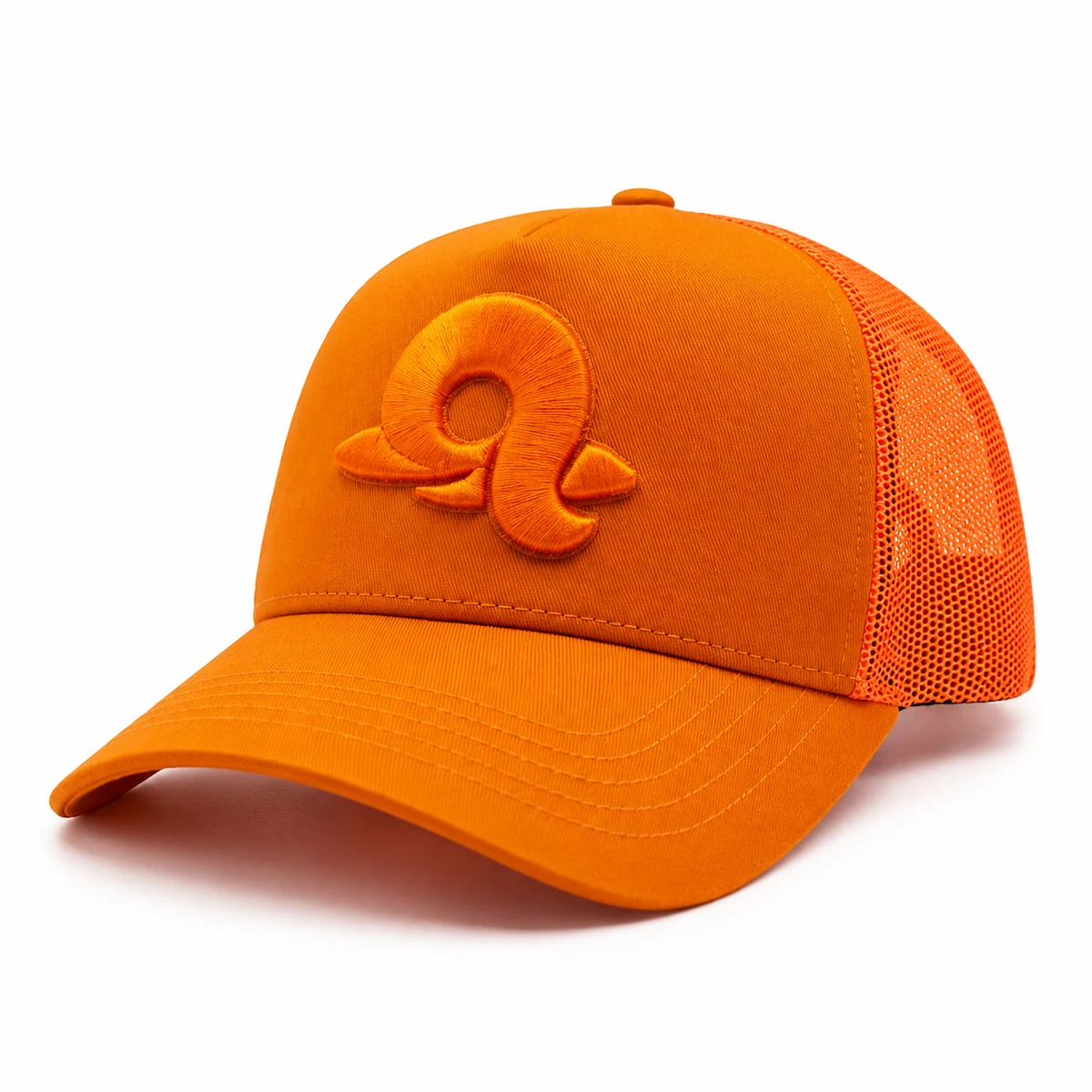
The 3D puff embroidery structured baseball cap uses a multi-panel structured crown, a pre-curved visor, a fabric-covered top button and embroidered thread eyelets. Its raised decoration is built by laying an EVA foam pad over the fabric before dense satin stitching. That makes the stitch file and the fabric approval inseparable: the same file reads differently on twill, canvas or a poly-cotton blend, which is why the sew-out is approved on the actual substrate.
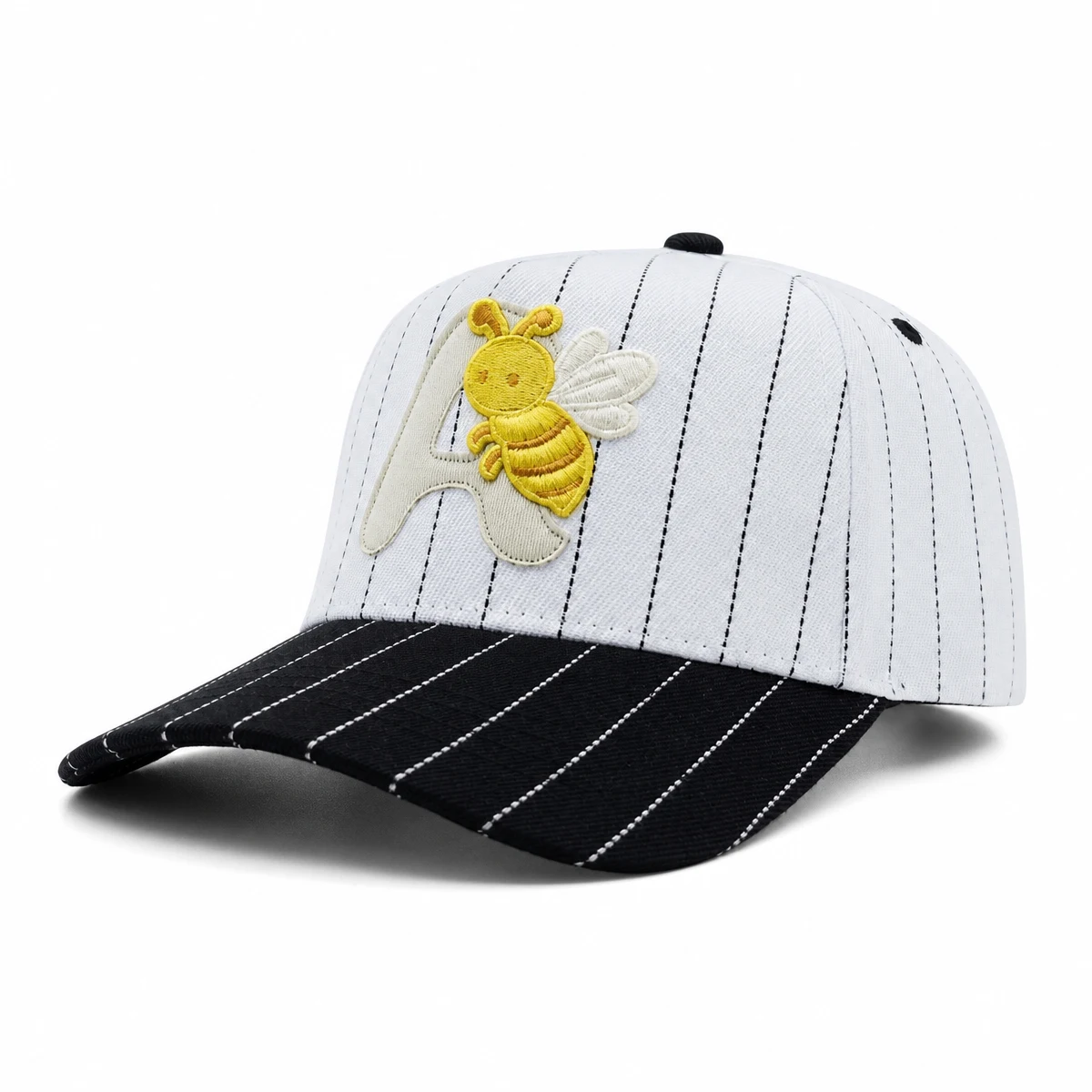
The 6-panel snapback cap with 3D embroidery and flat brim adds a flat brim and an adjustable closure. Flat brims hold their line, so a brim that leaves the sample flat and arrives curved is a visible defect rather than a tolerance question. Its structured crown also means the block and crown depth must be frozen before the PP sample, not adjusted afterwards.
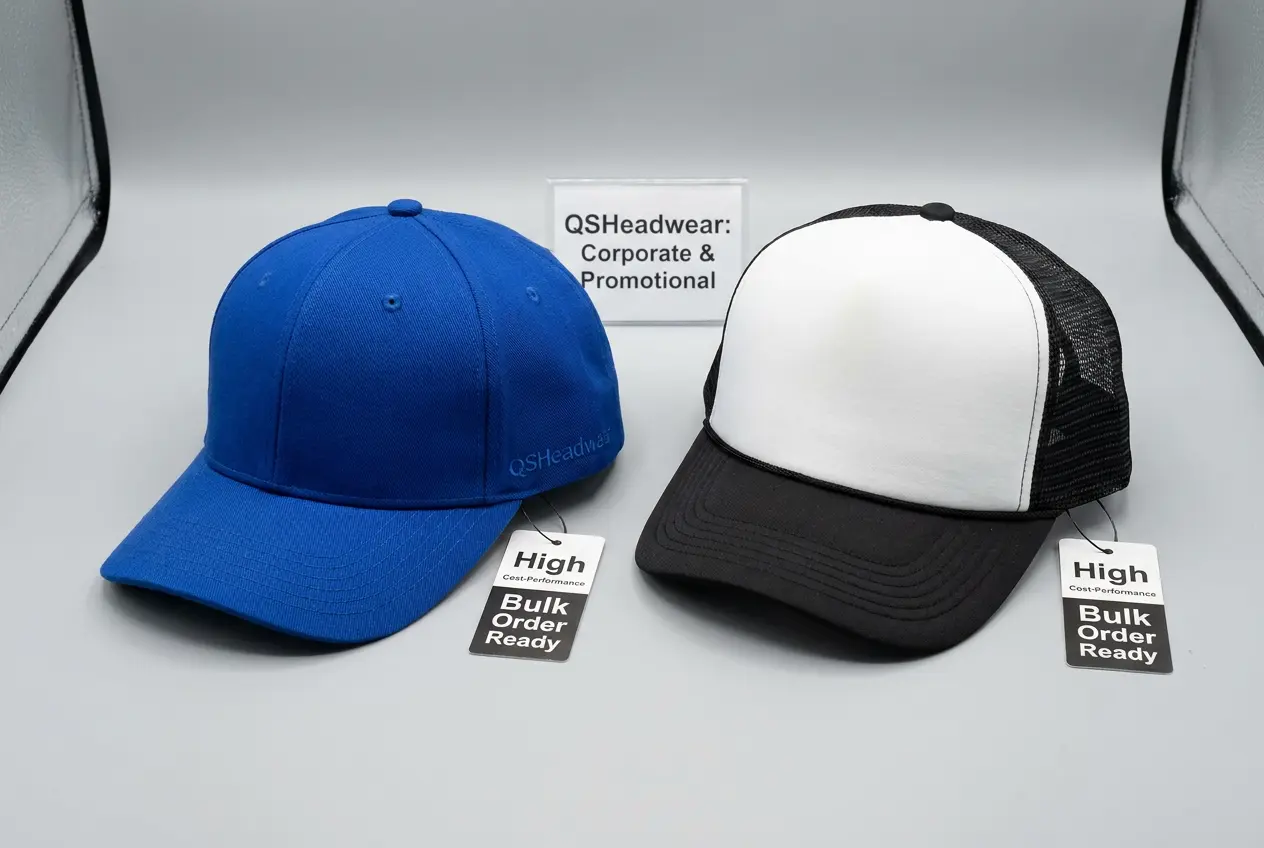
For corporate and promotional caps, the same gates apply at programme scale, where several logo versions and colourways run through one approval cycle. Our team has worked in OEM and ODM headwear production for 15 years, and the sample discipline above is what keeps a multi-SKU programme inspectable.
Frequently asked questions
How many sample rounds should a custom cap order need?
Plan for a proto, a fit or size set, and a PP sample as separate rounds. Extra rounds appear when comments are written as opinions rather than measurements. Fewer rounds are possible when the tech pack is complete and the block already exists.
Can one sample serve as both the fit sample and the PP sample?
Only if it is built on the final block, with final materials, after every comment is closed. In practice that means it is a PP sample, and the fit decision was made earlier on another physical cap. Combining them hides which variable changed.
Do I need a size set if the cap has an adjustable closure?
Yes, for the sizes you actually sell. An adjustable closure covers a range of heads, but it does not replace a measurement check on crown depth and band length at each end of the range.
What should I send instead of a photo when I want a specific look?
A spec sheet with measured points, named fabrics and thread codes, plus a physical swatch where colour matters. Add the photo as a note, not as the standard, and say clearly which parts of it are illustrative.
How do I approve an embroidery file without a physical sample?
You cannot approve the appearance that way. Approve the file structure and stitch counts in writing, then approve appearance on a sew-out in the production fabric before the PP sample is built.
What happens if bulk arrives different from the sealed sample?
The sealed sample plus its paperwork is the basis for the comparison. Measure and photograph the deviation against the recorded points, then settle the claim on that evidence rather than on a general impression.
Conclusion
Custom cap samples work when each gate is asked only the question it can answer. A proto proves buildability, a size set proves grading, and a PP sample proves that a frozen specification can be repeated in production. Freeze the ten items, approve colour and stitches on physical standards, and seal the reference with its paperwork.
If you are preparing a first or second cap order and want these stages aligned with your tech pack, send our team your specification and we will work through the gates with you.