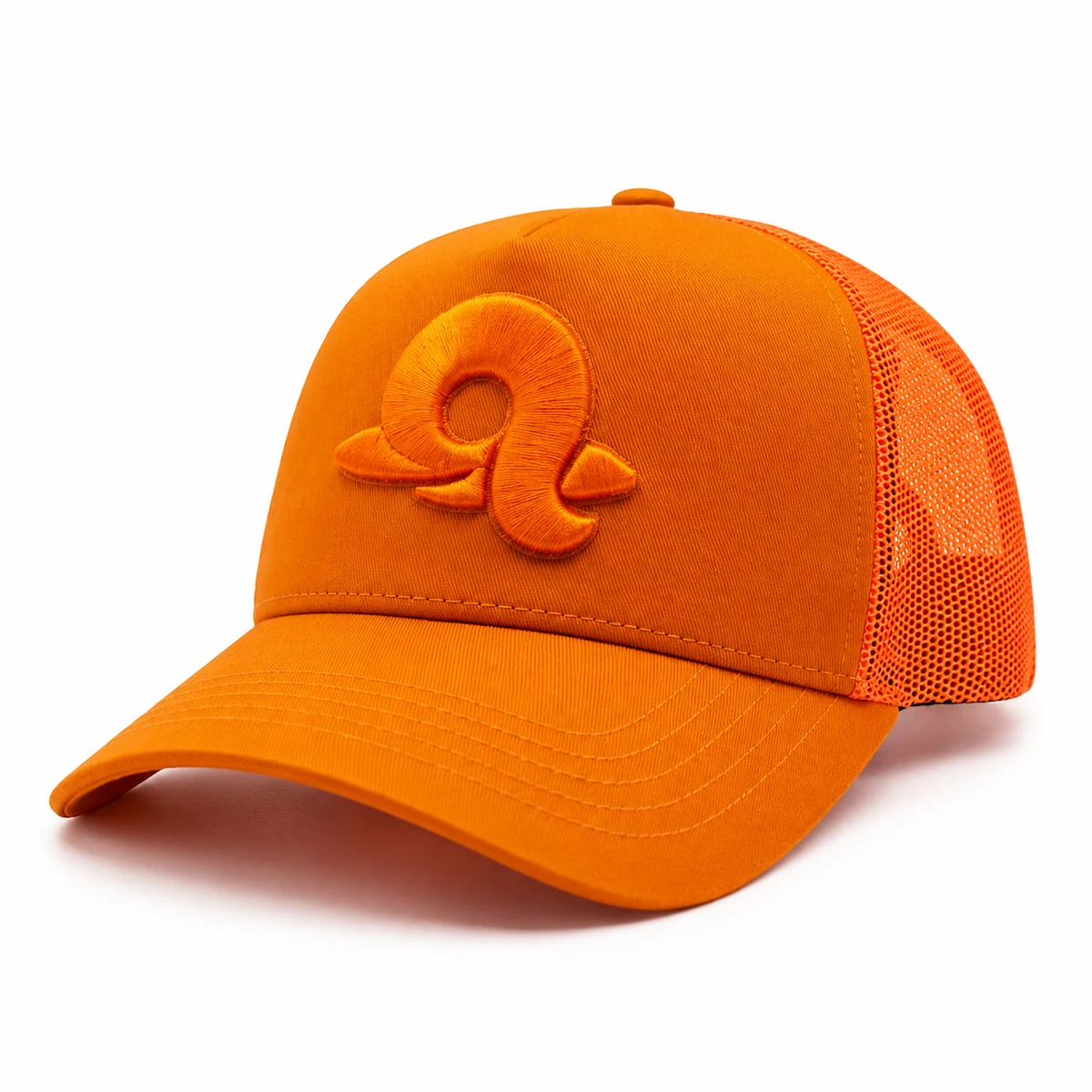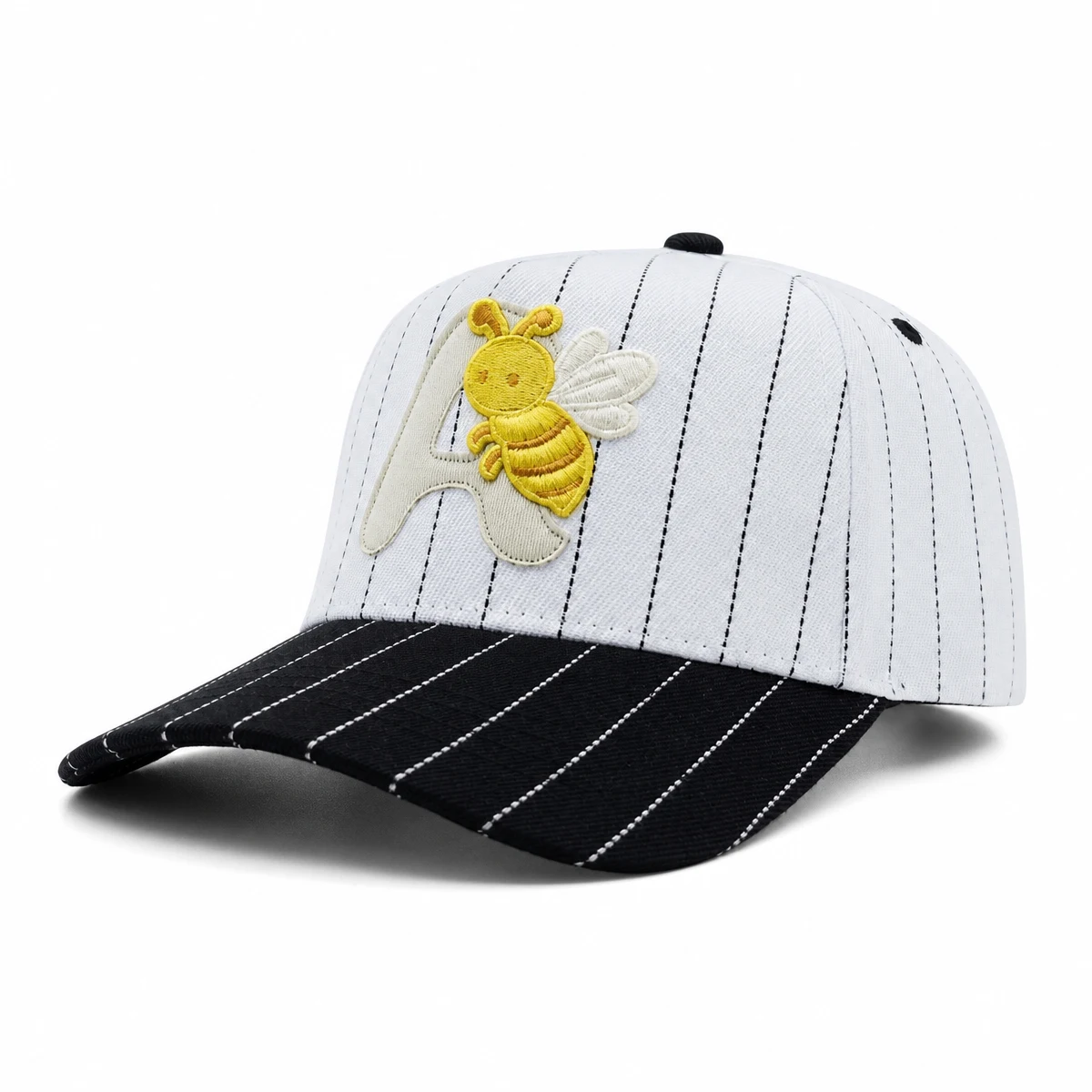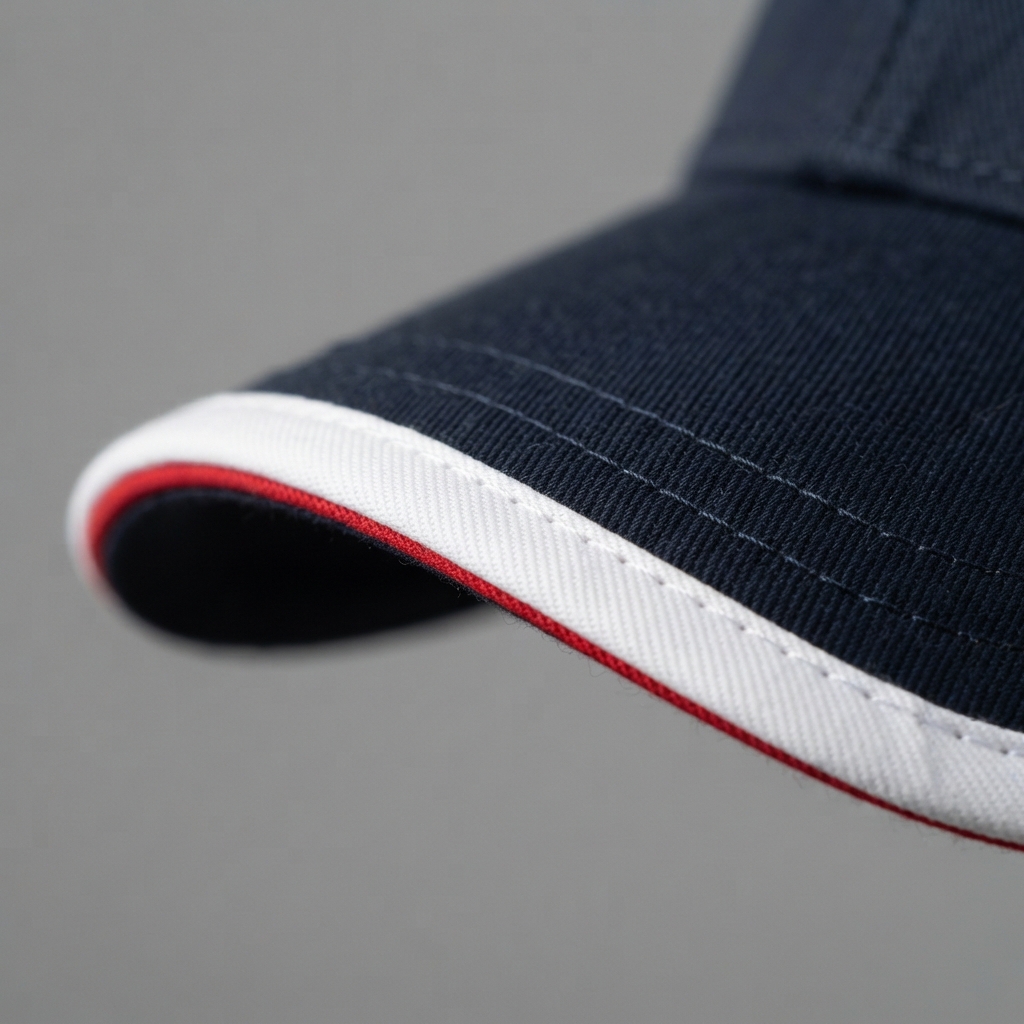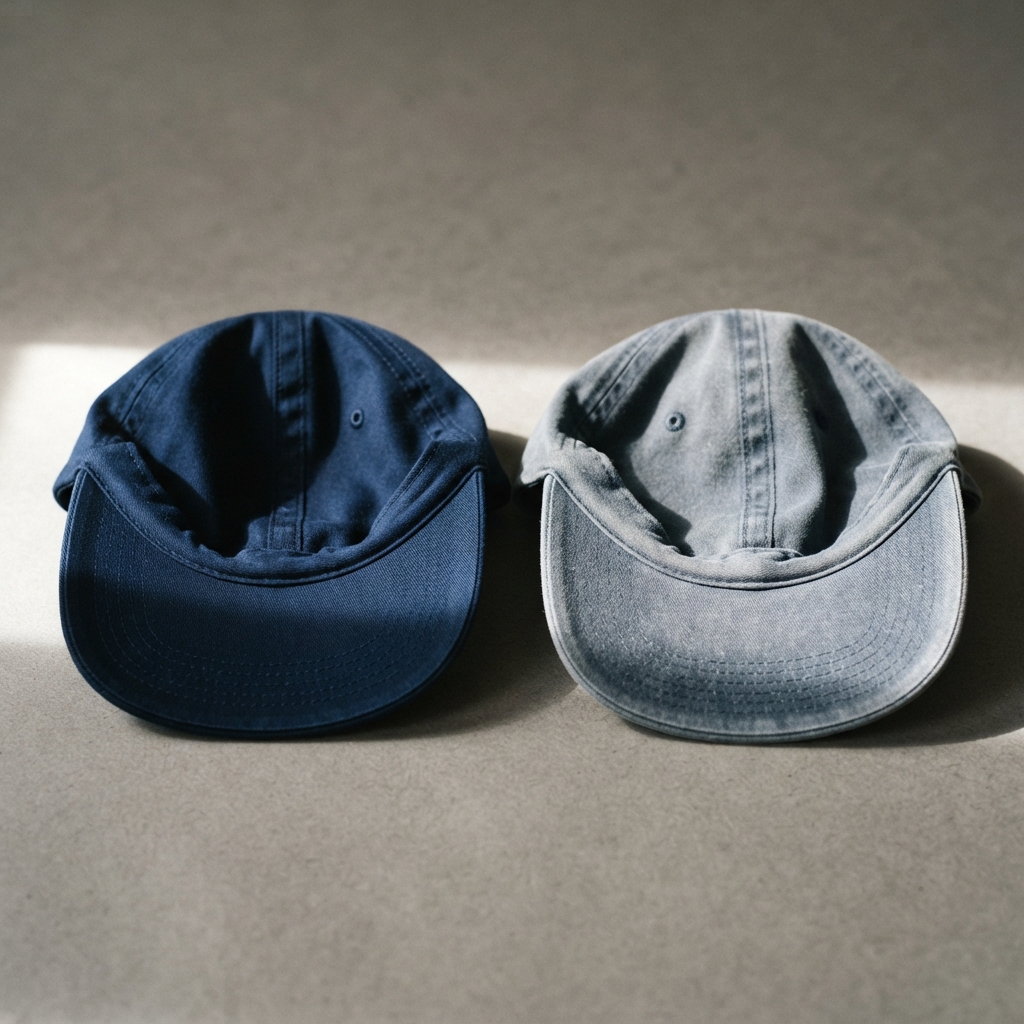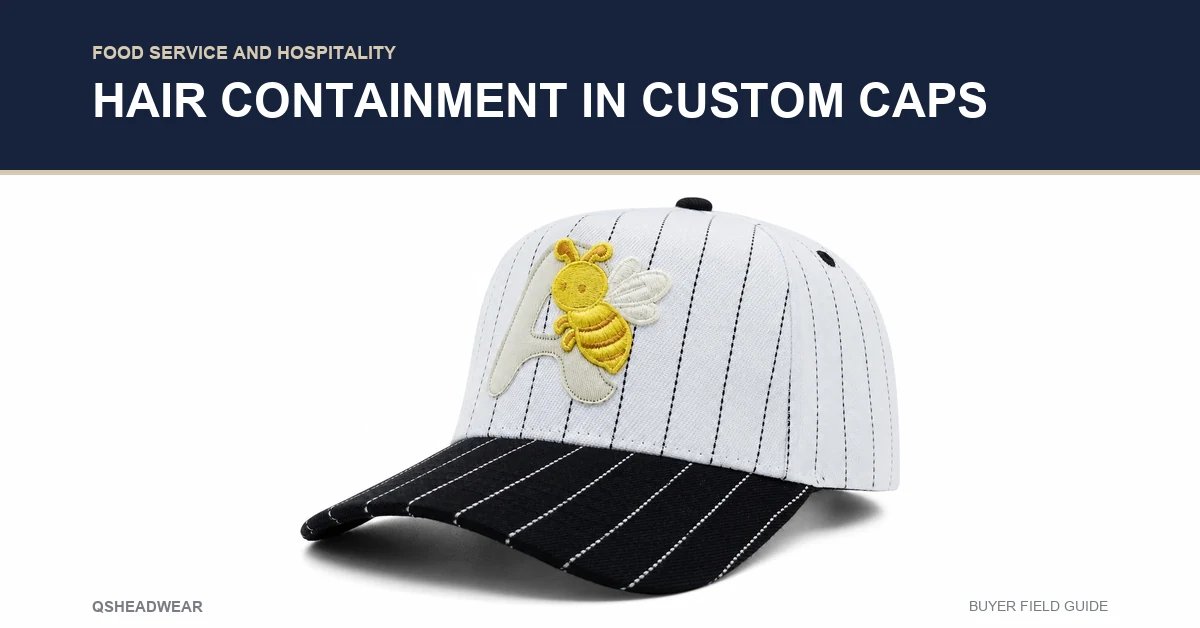


Custom oversized hats fail for a predictable reason: the pattern is graded up in circumference but not in depth. Above roughly 60 cm, an oversized hat needs more crown height, a wider band and stiffer panel support, or it sits on the head like a bowl and rides up at the back. Fit is a three-measurement problem, not a one-number problem.
What Makes a Hat "Oversized"?
In headwear, oversized describes a circumference range rather than a style. A standard adult cap covers roughly 55 to 59 cm. Extended sizes start at about 60 cm and run to 63 or 64 cm, which the trade labels XL, 2XL and 3XL.
The label matters far less than the measurement behind it. Two factories can both quote 3XL hats that differ by two centimetres, and a buyer will not discover that until the sample arrives and a wearer tries it on.
So write the number, not the letter: "fits 63 to 64 cm head circumference, band relaxed at 63.5 cm". That single line prevents most of the arguments that follow, and it is the first thing an experienced oversized cap manufacturer will ask for.
Why Standard Cap Patterns Stop at 59 cm
A cap pattern is a set of panels cut to a fixed crown curve. Cap size grading adds roughly 1 cm of circumference per step, distributed across the band and the panel seams.
That works to about 59 or 60 cm. Beyond that, adding circumference alone makes the crown wider without making it taller, so the hat flattens. The front panel loses its standing height, the sides bulge outward, and the brim line dips toward the ears.
The fix is a separate block, not a bigger grade. Oversized hats need their own crown depth and their own panel proportions, and often a heavier interfacing to hold the shape at the larger span.
Head Circumference Distribution: Why the Average Misleads
Sizing decisions are usually made from an average, and an average hides the tail that extended sizes exist to serve.
A large 2025 cohort study reported a median head circumference of 53 cm in women and 54 cm in men, with interquartile ranges of 51 to 54 cm and 53 to 55 cm, as summarised in this published cohort analysis. Read the median carefully: half of the men in that cohort sat at or below 54 cm, which is why a 57 cm cap already feels generous to many wearers and tight to the upper tail.
The tail is the commercial point. The buyers who cannot find a hat are not near the median. They are two or three sizes above it, they know exactly which brands fit them, and they buy again once a brand does. That is why big head hats convert better than their unit share suggests.
The Four Measurements That Decide Fit
Circumference gets all the attention, but three other numbers decide whether the hat stays on and stays comfortable.
| Measurement | Standard adult | Oversized target | What it controls |
|---|---|---|---|
| Head circumference | 55–59 cm | 60–64 cm | The number most buyers quote |
| Crown depth | 12–13 cm | 14–15 cm | Whether the hat rides up at the back |
| Band height | 2.5–3 cm | 3–3.5 cm | Pressure spread across the forehead |
| Panel width at base | Graded +1 cm per size | Re-blocked, not graded | Silhouette and side-wall stability |
Deep Crown vs Wide Band: Two Different Problems
Two failures get confused, and correcting the wrong one makes the other worse.
A hat that rides up at the back is usually short in crown depth. Adding band length to a shallow crown produces a hat that stays down but presses hard across the forehead.
A hat that leaves a red mark is usually narrow in band or short in band height. Adding crown depth there produces a hat that floats above the head and looks oversized in the wrong sense.
This is why a deep crown hat cannot be specified by one number. Ask for crown depth, band height and circumference together, and diagnose the sample on a wearer before re-cutting anything.
Cap Size Grading: What Must Change
Grading rules for oversized hats are not the same as for core sizes. Some elements scale, and some must be re-cut.
| Element | Keep | Change at 2XL and above |
|---|---|---|
| Panel count | Six panels | Seam positions move outward, not the count |
| Crown depth | — | Add 1.5–2 cm by 3XL |
| Band | — | Add 0.5 cm height, re-curve the arc |
| Brim | Arc shape | Add 0.3–0.5 cm width |
| Interfacing | — | One step stiffer from 2XL |
| Closure | — | Elastic or split band for tolerance |
Five-panel blocks are a poor starting point for a 3XL crown. With fewer, wider panels, the side wall has less seam support and collapses more easily as the span grows.

Fabric and Structure Constraints at 3XL
Bigger panels behave differently in the same fabric, which is why oversized hats often need a heavier shell than the core range. A 100% cotton twill that holds a crisp crown at 57 cm can look soft and collapsed at 64 cm, because each panel spans a longer curve at the same weight.
Three practical responses: move to a slightly heavier twill or add a front interface, keep the panel count at six, and avoid fully unstructured crowns in the largest sizes. Buckram and fused front panels do more structural work on an oversized hat than on a standard one.
Stretch is the other variable. A band with a small elastane content tolerates a 1 cm measurement error; a rigid woven band does not. In extended sizes that tolerance matters more, because the cost of a return is higher and the customer is harder to replace.
Measuring Head Circumference Correctly
Most fit complaints start with a bad measurement, and the method is simple enough to put on a size guide.
- Run a soft tape around the head, about 1 cm above the ears and across the mid-forehead.
- Keep the tape snug but not tight; it should not compress the skin.
- Measure twice and use the larger number.
- Record to the nearest 0.5 cm, not to the nearest size letter.
Ask buyers for the raw number in the order file. A size guide that says "L" and a factory that grades to 59 cm will disagree with a customer who measures 60.5 cm and believes they are a large. ISO 8559-1, the clothing size designation standard, exists precisely because a letter is not a measurement: its anthropometric definitions describe how body landmarks should be located so that a size chart means the same thing to every party in a supply chain.
Decoration Limits on Oversized Panels
Logo placement is normally approved on a mid-size sample, and that artwork area does not transfer unchanged to a 64 cm crown.
The front panel is wider at the base, so a centred logo can look small and sit low. Embroidery that sat 6 cm above the brim on a standard cap may need to move up 0.5 to 1 cm to keep the same visual balance.
Puff embroidery is less forgiving on a larger, flatter panel because the foam has more span to bridge. Review stitch counts and underlay, and approve the artwork on the largest size in the range rather than the middle. The structural side of that decision sits alongside our notes on cap ventilation and panel structure.
How to Build a Size Curve for Extended Sizes
Extended sizes are a small share of a run, and the wrong ratio leaves the largest size out of stock first.
| Block | Sizes | Head circumference | Share of units |
|---|---|---|---|
| Core | S / M / L | 55–56 / 57–58 / 59–60 cm | 15% / 45% / 30% |
| Core tail | XL | 61 cm | 10% |
| Extended | 2XL / 3XL | 62–63 / 63.5–64 cm | 5–8% of total, ordered as its own block |
Treat those numbers as a first hypothesis and adjust from sell-through rather than opinion. Keeping the extended block on its own purchase line makes the reorder decision visible instead of burying two slow sizes inside a core size that sells well.
Two operating rules keep the curve honest. Never let the extended block sell out before the core sizes, because that is the signal the ratio was too low. And re-check the curve whenever the fit changes, since a re-blocked crown moves the effective size boundaries. The general mechanics are covered in our guide to cap size tolerance between batches.
Briefing an Oversized Cap Manufacturer
A brief for oversized hats is shorter than a full tech pack, but it has to contain five things:
- the target circumference range in centimetres, with the relaxed band measurement;
- the crown depth and band height you want at the largest size;
- the styles to adapt, and whether the existing block may be re-cut;
- the wearer trial plan, including at least three people at the top of the range;
- the measurement points that will be checked at final inspection.
Volume planning comes next. Extended sizes rarely justify their own tooling at low quantities, so read the MOQ purchase ladder before assuming a 3XL run is priced like a core size; the setup cost is spread over fewer units.
Sampling is the other gate. Approve the largest size, not the middle, and record fit comments against measurements rather than adjectives like "snug" or "roomy". Our guide to sample approval sets out what a fit sign-off should contain.
At bulk, add the extended sizes to the AQL inspection plan as a separate measurement check. A carton can pass a general visual inspection and still contain a 3XL whose band measures 62 cm instead of 63.5 cm.
Five Mistakes in Oversized Hat Development
- Grading circumference without adding crown depth.
- Approving decoration on a mid-size sample.
- Using a five-panel block for a 3XL crown.
- Quoting a size letter instead of a measurement range.
- Ordering extended sizes in the same ratio as core sizes.
Each one is cheap to catch at pattern stage and expensive to catch after bulk. A fitting on three wearers at the top of the range costs a day; a re-cut after production costs a season.
Frequently Asked Questions
What head circumference counts as oversized?
Above 59 to 60 cm. Most standard adult caps stop at 59 cm, so 60 cm and up is where XL hats and extended sizes begin.
Can a 3XL be made from a standard pattern?
Not well. Grading adds circumference but not depth, so the crown flattens. A separate block with more depth and re-cut panels is the reliable route.
Does a deeper crown look too tall?
Only if the depth is added without adjusting the panel curve. A correctly re-blocked deep crown reads as proportional, because the extra height is distributed across the crown rather than stacked at the front.
Which fabric suits oversized hats best?
A mid-weight twill or canvas with a fused front panel. Very light unstructured fabrics collapse at 62 cm and above.
Do oversized hats cost more?
Usually a little. They consume more fabric per unit and often need heavier interfacing, but the difference is smaller than most buyers expect and is offset by lower markdown risk.
Can extended sizes be added later?
Yes, but treat it as a new development, not an add-on. The block, cap size grading and decoration placement all need approval before the first bulk run.
How do I measure head circumference?
Soft tape about 1 cm above the ears and across the mid-forehead, snug but not tight, measured twice and recorded to the nearest 0.5 cm.
Are big head hats only a niche?
They are a small share of units and a disproportionately loyal share of repeat buyers. That combination is why brands add them after the core range is stable.
Conclusion
Oversized hats are a pattern problem before they are a marketing one. Re-block the crown, widen and heighten the band, and specify the range in centimetres so the factory and the customer are measuring the same thing.
If you are adding XL hats or a full extended range, send the target circumference range and the styles you want to adapt, and we will confirm which blocks need re-cutting. Start with our guide to cap sizing and fit systems or contact the team.