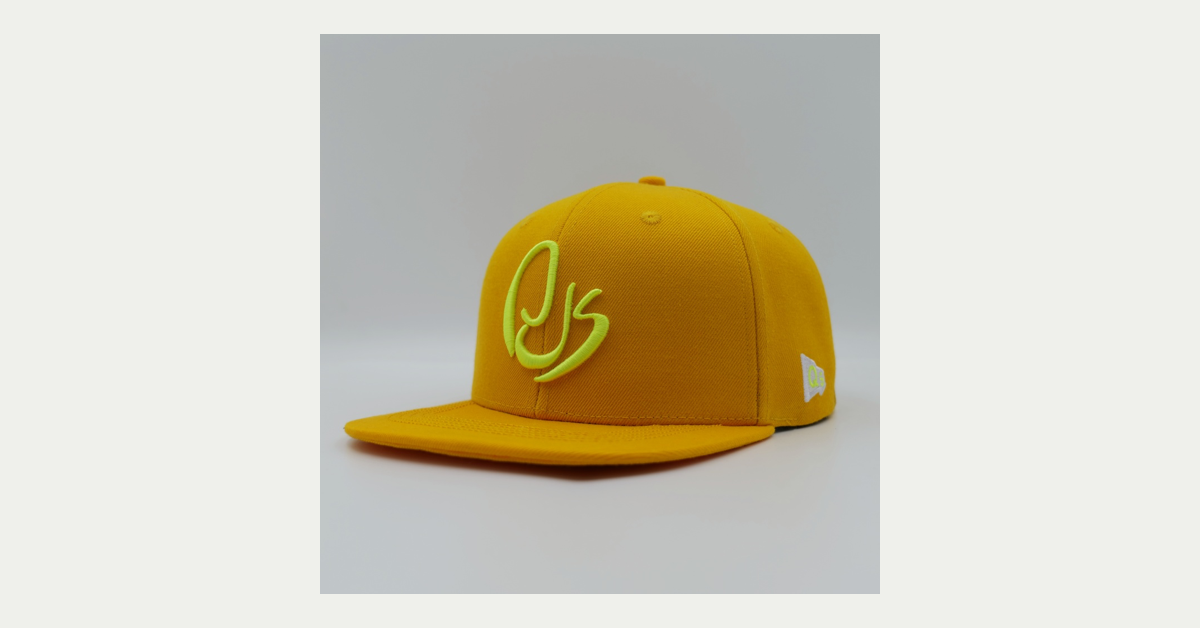


Most headwear brands do not have a demand problem. They have a distribution-of-demand problem. Sales cluster in spring and summer, collapse in November, and the business spends the fourth quarter living on whatever margin it banked earlier in the year. The product is fine. The range is unbalanced.
An assortment that sells all year is not built by adding more caps. It is built by understanding that headwear demand is driven by weather, occasion and gifting, and that those three drivers peak at different times. This guide sets out how to structure a range so that something in it is always in season.
Why Cap-Only Ranges Struggle in Winter
A range built entirely on baseball caps, snapbacks and truckers is a warm-weather business whether or not the brand intended it. Those products are bought for sun protection and casual styling, and both motivations weaken as temperatures fall.
The seasonal boundaries are more predictable than most planning calendars assume. The US National Centers for Environmental Information notes that meteorologists group the year into fixed three-month blocks based on the annual temperature cycle, with Northern Hemisphere summer running June to August and winter running December to February. Retail demand tracks that temperature cycle far more closely than it tracks the astronomical calendar, which is why planning around fixed months works better than planning around solstices.
The Cost of an Unbalanced Range
An unbalanced range does more damage than a slow quarter. Fixed costs continue through the trough. Wholesale accounts that cannot reorder anything in November start filling that shelf space with a competitor, and shelf space is far harder to win back than it is to lose. Paid acquisition also becomes inefficient, because the audience you built in summer has nothing to buy from you in winter.
Build the Range Around Three Demand Drivers
Rather than thinking in silhouettes, think in reasons to buy. Every headwear purchase is driven by weather protection, occasion or gifting, and a healthy range covers all three.
Weather-Driven Demand
This is the largest and most predictable driver. Sun protection sells from late spring through summer; warmth sells from late autumn through winter. A range that covers both ends of the temperature curve has a natural floor under it in every month.
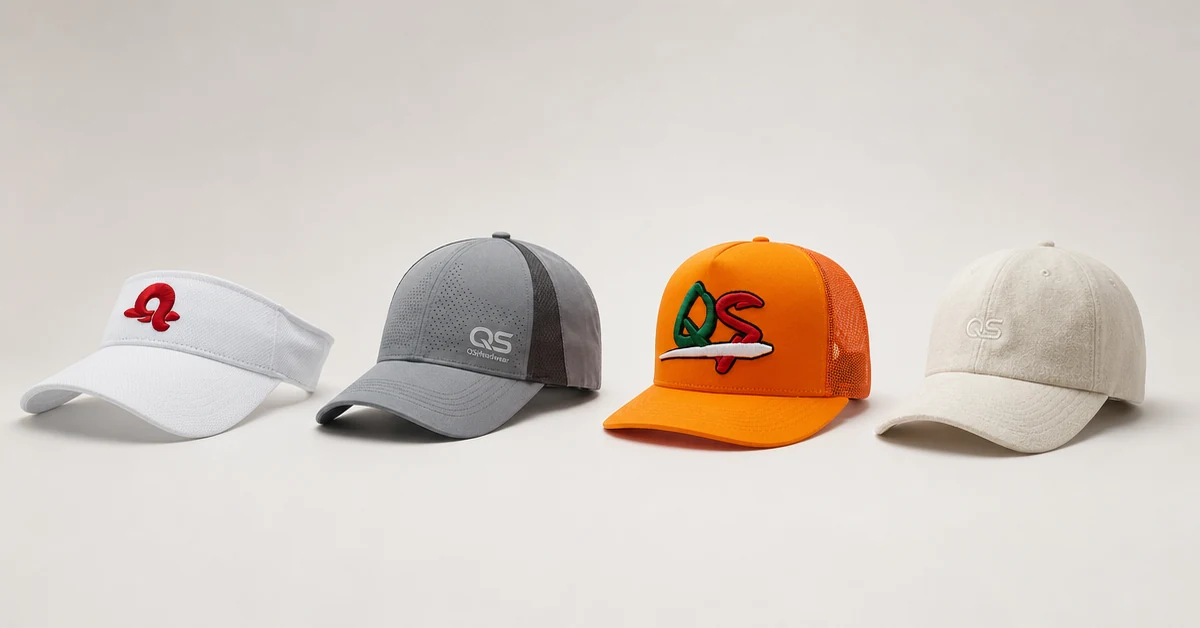
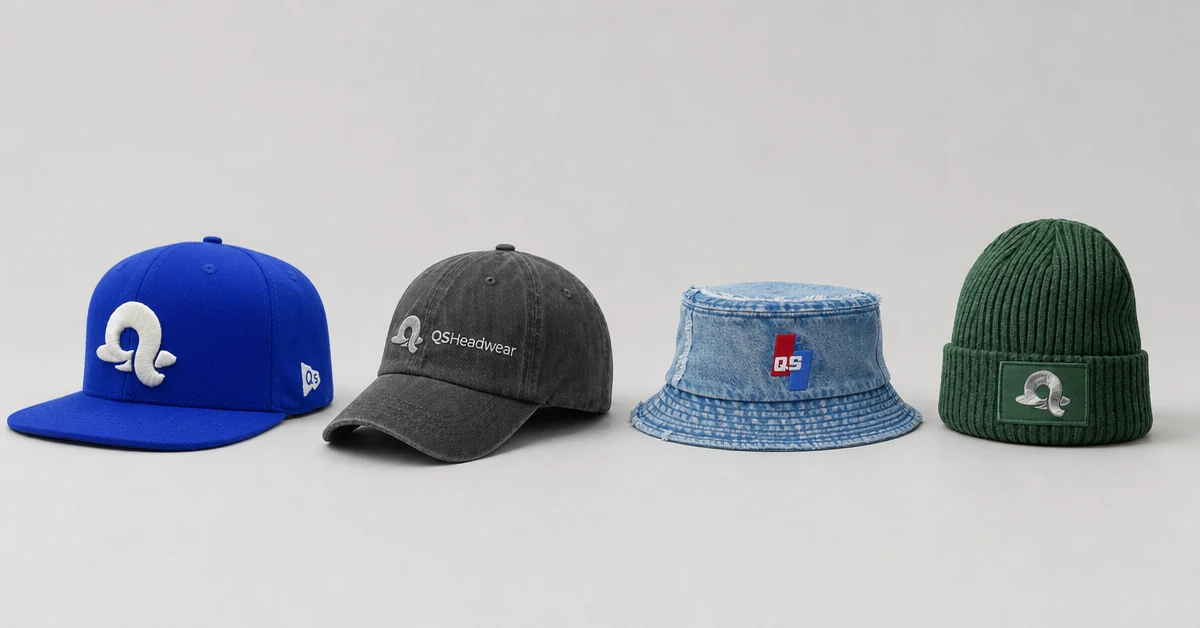
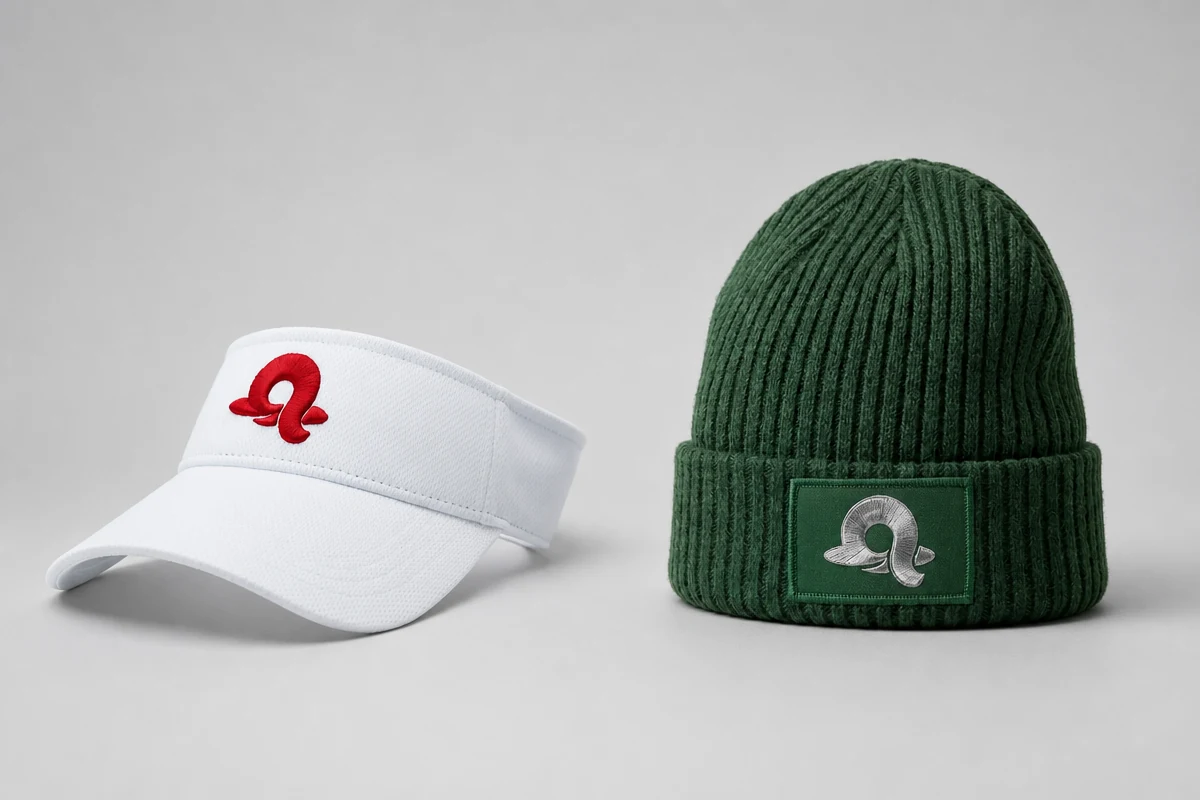
On the warm end, ventilation and sun coverage are the product features that matter. Open-crown styles such as custom visor caps serve golf, tennis and running through the hottest months, while bucket hats deliver full-circumference sun coverage and have held their place as a fashion staple rather than a seasonal novelty.
Cold-Weather Product Is the Missing Half
Knitwear is what turns a summer business into a twelve-month one. Custom knitted beanies carry the fourth quarter for most headwear brands, and they carry it twice: once as a functional cold-weather purchase and again as a gift item in December.
Beanies also sit on a different development timeline from woven caps. Yarn selection, knit structure and cuff construction are decisions with no equivalent in a cap tech pack, and knit sampling generally takes longer. Brands that plan both categories on a single calendar tend to discover this too late.
Occasion and Gifting Demand
The third driver is independent of temperature. Events, corporate programmes, tourism and gifting generate demand on their own schedule, and that schedule often fills exactly the gaps that weather-driven demand leaves. Corporate and event orders in particular cluster around conference seasons and year-end, which is why a brand with a corporate and promotional caps line has a revenue stream that behaves quite differently from its retail line.
Map the Calendar Backwards
The single most common planning error is treating the selling season as the working season. By the time a product is selling, the work on it finished months earlier.
Work From On-Shelf Dates
Start from the date the product must be available to the customer, then subtract shipping, bulk production, sample approval and at least one correction round. Sampling itself is quick — three to five days once artwork and specifications are confirmed — but the approval conversation around it rarely is, and that is the step most calendars underestimate.
In practice this means winter knitwear is developed in early summer and confirmed before autumn, while spring and summer caps are developed during the previous winter. A brand reviewing beanie samples in October has already missed the ordering window for that year's fourth quarter.
Stagger Development, Not Just Delivery
Spreading deliveries across the year is only half the exercise. Development effort should be staggered too, because a design team that produces the entire range in one burst will produce a weaker second half. Splitting the year into two or three development waves keeps quality consistent and leaves room to react to what actually sold.
Detailed production planning belongs in its own conversation; our production lead time guide sets out how the stages fit together once specifications are locked.
Balance Core and Seasonal Product
Not every product in a range should be seasonal. A useful structure is a stable core that sells all year, seasonal product that drives newness, and a small number of limited drops that create urgency.
Core Product Carries the Business
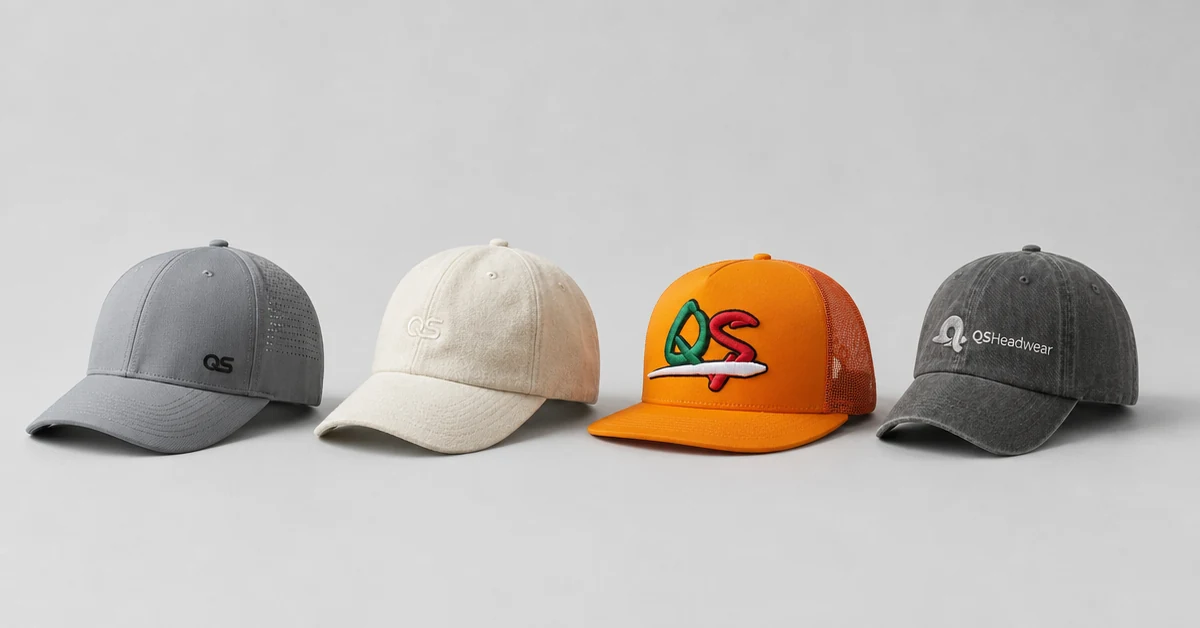
Core items are the styles that sell steadily in every month, usually in a small palette of neutral colours. They justify their tooling costs over a long life, they are safe to reorder in volume, and they give wholesale accounts something dependable. A well-chosen custom baseball cap in two or three colourways will often outsell an entire seasonal capsule over twelve months.
Seasonal Product Creates Reasons to Return
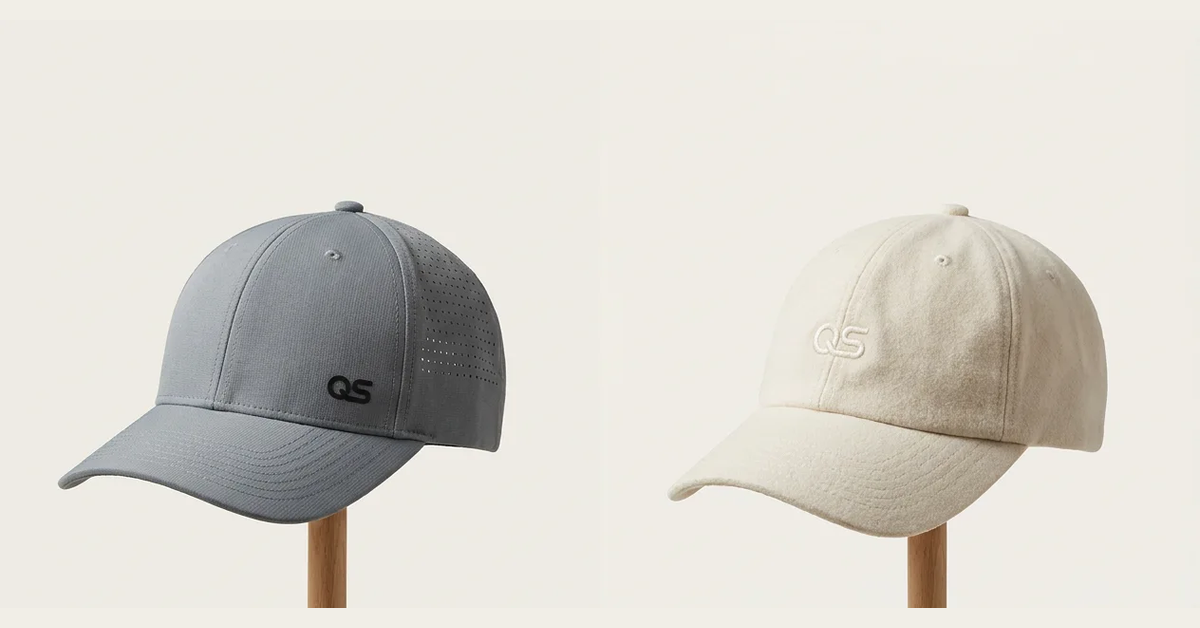
Seasonal items are where fabric and colour do the work. Corduroy and wool blends read as autumn; lightweight cotton and technical fabrics read as summer. The silhouette can stay the same while the material changes, which keeps development cost down. Material-led seasonality is one of the cheapest ways to refresh a range, and our premium fabric options cover the textures that carry a season without new tooling.
Keep Limited Drops Genuinely Limited
Scarcity only works if it is real. A limited edition that is quietly restocked twice teaches customers to wait, which is the opposite of the intended effect. Keep drop quantities small enough that selling out is likely, and accept the lost marginal sales as the cost of maintaining urgency.
Plan Colour and Material by Season
Colour is a faster and cheaper seasonal lever than silhouette, because it requires no new pattern or tooling. Brighter, lighter palettes in spring and summer; deeper, warmer tones in autumn and winter.
Material carries the same signal. A washed cotton cap and a corduroy cap in the same shape read as two different products to a customer, and that perception gap is worth more than the small cost difference between the fabrics.
Sustainability Is Now a Year-Round Requirement
Retail buyers increasingly ask for material documentation regardless of season, and the certification most commonly named for chemical safety is OEKO-TEX STANDARD 100. Recycled and organic options are available across both woven and knitted headwear, and our eco-friendly range covers the material choices. Any recycled or organic claim needs chain-of-custody documentation, so decide this at specification stage rather than after bulk approval.
Review the Range Honestly Each Year
Ranges accumulate. Styles get added because someone liked them and are rarely removed, and after three seasons a brand is carrying products that neither sell nor differentiate. An annual review that cuts as decisively as it adds keeps the range sharp and frees budget for the products that actually earn their place.
Judge each style on twelve-month contribution rather than peak-month performance. A product that sells respectably in every month is worth more than one that spikes in July and disappears, because it costs less to hold and it keeps the customer relationship active through the quiet part of the year.
If the range needs restructuring rather than trimming, start from silhouette strategy. Our guide to choosing the right cap style compares how each construction fits different markets and price positions.
Frequently Asked Questions
How many styles should a headwear range contain?
Fewer than most brands assume. A compact range of core styles in disciplined colourways, supported by a small seasonal capsule, usually outperforms a wide range spread thin, because setup costs concentrate on fewer designs and each one gets proper marketing attention.
When should we start developing winter beanies?
Well before autumn. Knit development runs on a longer timeline than woven caps, and orders for fourth-quarter delivery are typically placed in early summer. Reviewing samples in October is too late for that year's winter season.
Is it better to change silhouettes or materials between seasons?
Materials, in most cases. Changing fabric and colour refreshes the range without new tooling or a new fit, which keeps development cost and risk low while still giving customers a clear reason to buy again.
How do we avoid dead stock at the end of a season?
Order seasonal product conservatively and core product confidently. Core styles can be reordered through the year with low markdown risk, so it is safer to carry depth there and keep seasonal buys tight enough to sell through.