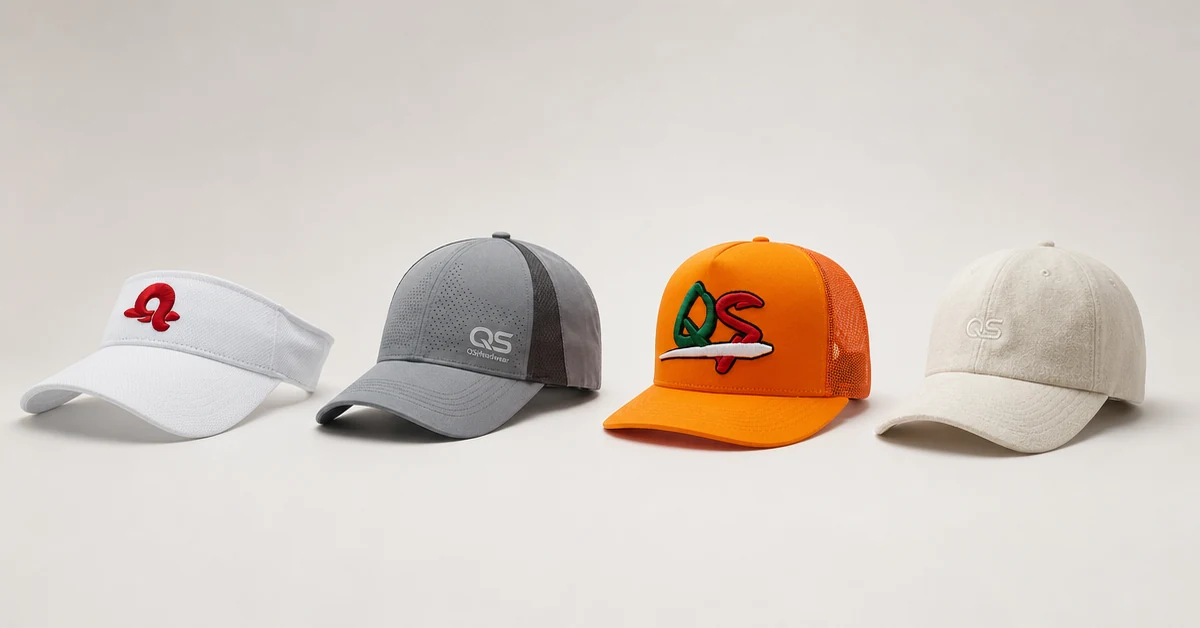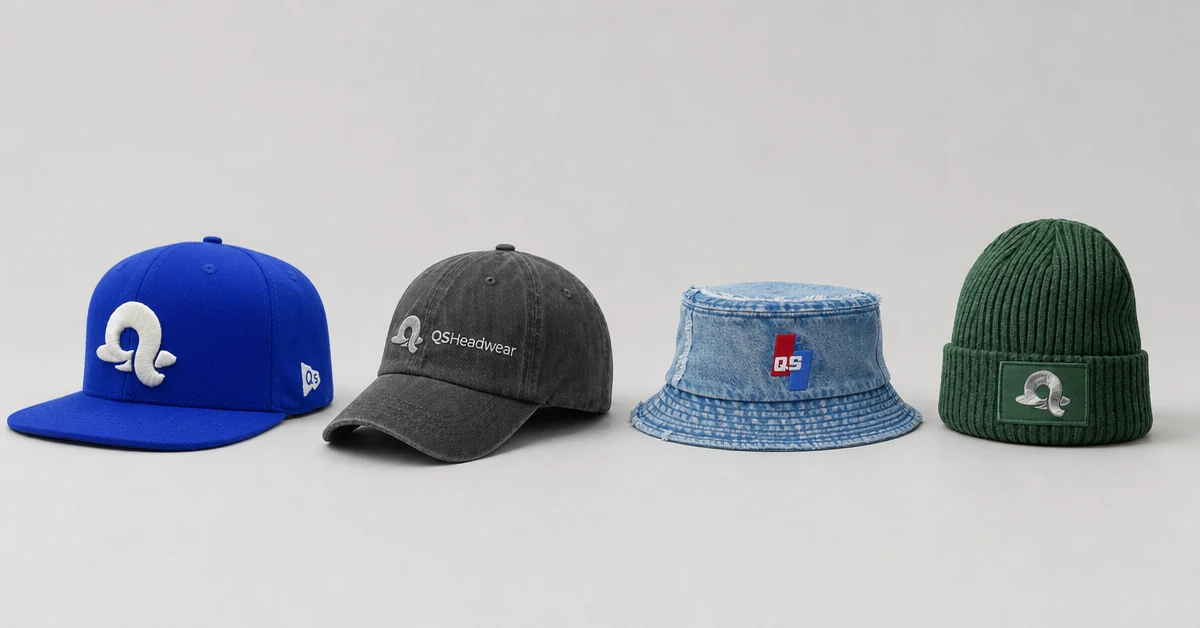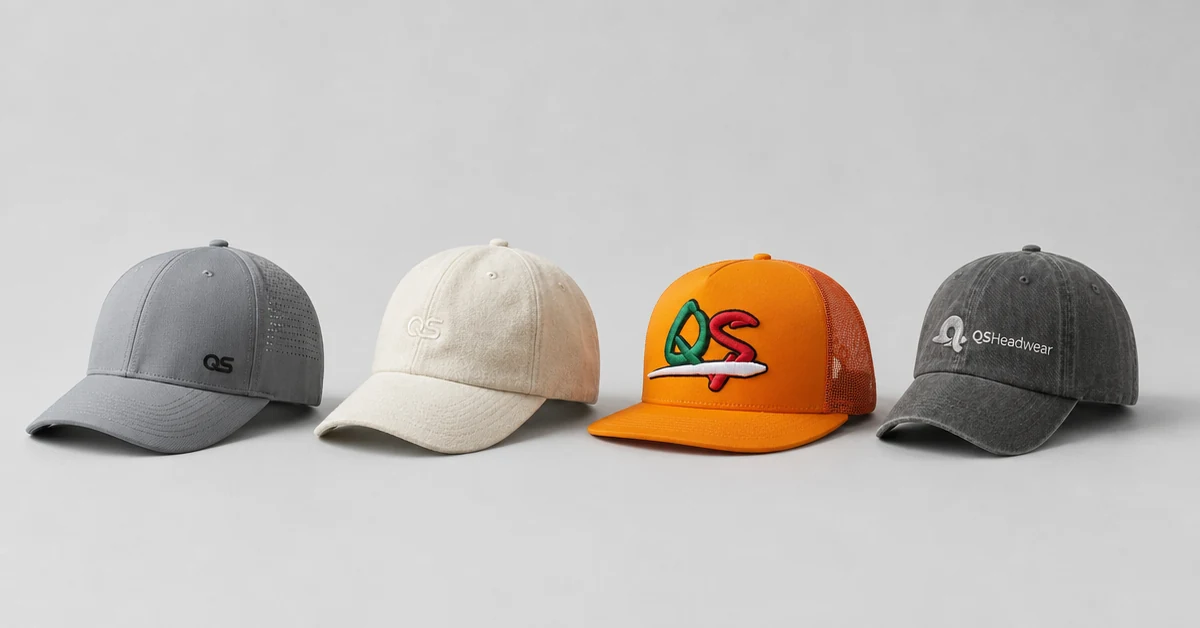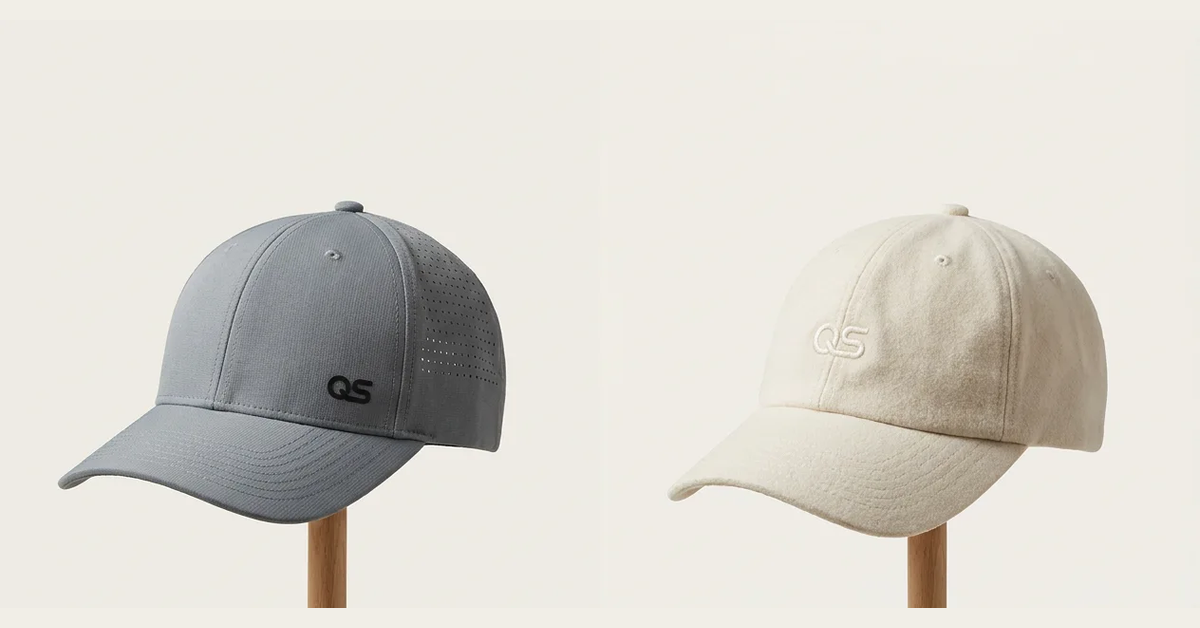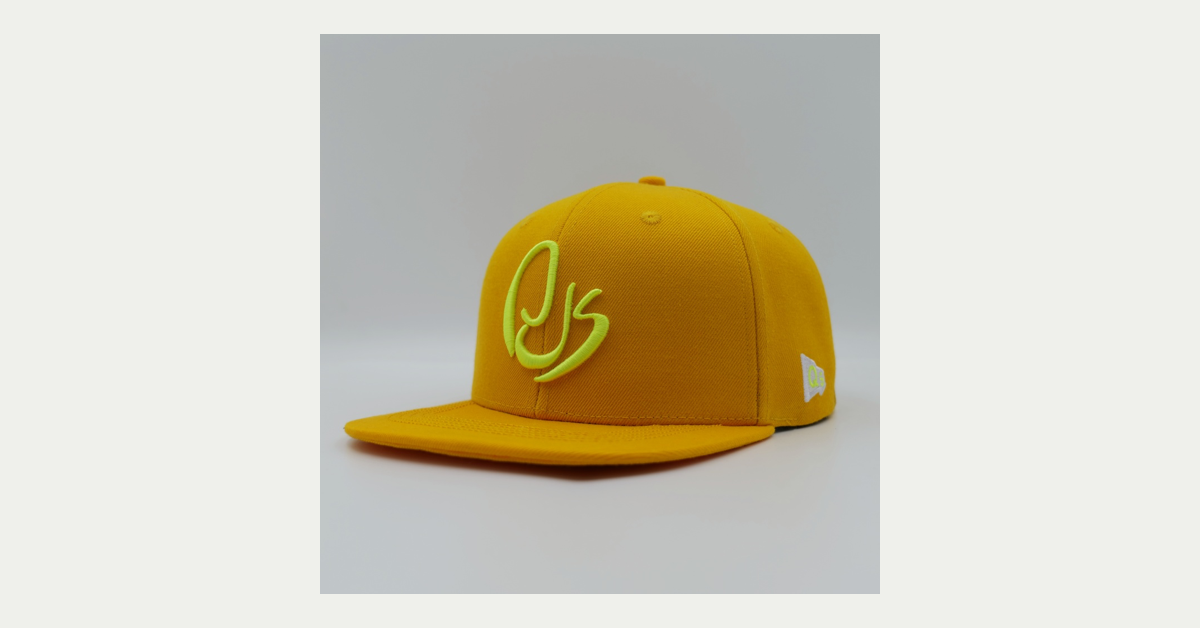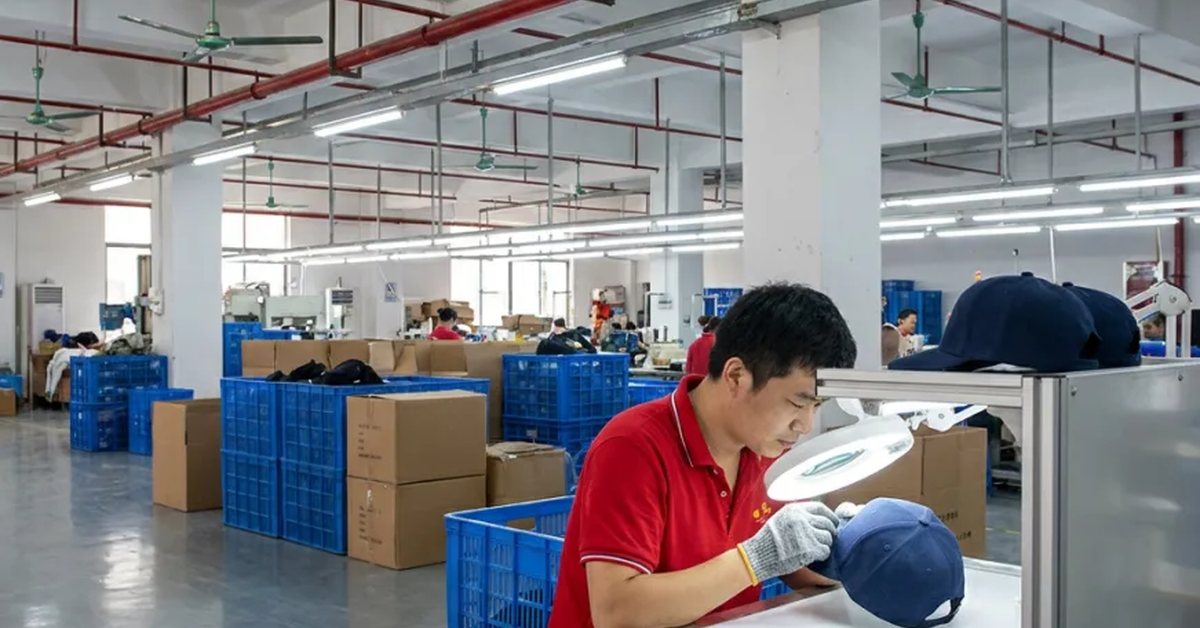


“Middle East headwear” is not one product brief. A cap sold for a Dubai corporate event, a visor supplied to a Gulf golf programme and a retail trucker hat distributed across Saudi Arabia may all operate in hot conditions, but they differ in exposure time, dress context, branding density, delivery calendar and buyer expectations.
The useful sourcing question is not which cap looks Middle Eastern. It is which construction, material, colour and programme timing fit the specific Gulf market and use case. This guide focuses on four recurring commercial factors: heat management, ultraviolet exposure, Ramadan scheduling and corporate gifting.
Start With the Use Case and Country
The Gulf Cooperation Council contains six countries with different retail structures, buyers and local requirements. Do not treat a distributor request for one city as proof of demand across the region.
Define where the product will be sold, who will wear it, whether it is retail, uniform, sport, event or gifting product, and which months the programme must cover. A product for outdoor service staff must solve different problems from a cap worn briefly at an air-conditioned exhibition.
Map Exposure Time and Activity
Heat load depends on duration, movement, humidity, shade, wind and clothing, not temperature alone. Record whether the wearer is walking a golf course, driving, working outside, moving between indoor and outdoor spaces or attending a short event.
The performance headwear guide explains how moisture management, ventilation and fit stability must be specified together rather than added as separate marketing features.
Design for Heat Without Making a Disposable Cap
The instinct in hot markets is to specify the lightest fabric available. Weight matters, but a fabric can become so light that it loses structure, becomes translucent, puckers around embroidery or wears badly under repeated washing.
Choose a Technical Shell for Active Use
Polyester and nylon blends generally dry faster than cotton and can support laser perforation or engineered mesh. For sport, outdoor events and mobile teams, specify the shell weight, sweatband construction and ventilation zones instead of requesting “breathable fabric.”
The cap fabric guide compares how cotton, technical synthetics, wool blends and other materials behave under moisture, decoration and washing.
Use Mesh Where the Wearer Benefits
Open mesh can move more air than small perforations, but it changes the product’s appearance and exposes more of the head. Mesh-backed trucker construction works well for outdoor work, events and casual retail where its visual language is acceptable.
For a cleaner performance position, use controlled perforation zones and a moisture-wicking sweatband. Product choice should follow the customer and environment rather than a universal Gulf specification.
Protect Shape and Durability
A cap that collapses after a short wearing period does not become a better hot-weather product. Keep reinforcement where the logo, brim and crown need it, then remove unnecessary weight elsewhere.
Test the finished sample after wear, sweat and washing. A desk review cannot reveal salt staining, drying time, elastic recovery or whether a closure becomes uncomfortable during long use.
Build UV Protection Around Real Exposure
The World Health Organization advises limiting time in midday sun from 10 a.m. to 4 p.m. when the UV index is high and recommends protective clothing including a brimmed hat that protects the head, face and neck.
Do not translate that guidance into an unsupported product claim. A standard cap shades part of the face; it does not provide the coverage of a wide-brim hat and should not be marketed as complete sun protection.
Specify Brim Geometry
Longer, curved brims increase facial shade but can catch wind, interfere with vision or look too athletic for a corporate programme. Record brim length, width and curve in millimetres and test the sample in the wearer’s real posture.
For golf and racquet programmes, the sports category guide explains how sustained sun exposure, movement and sponsor placement affect visor and cap design.
Understand the Visor Trade-Off
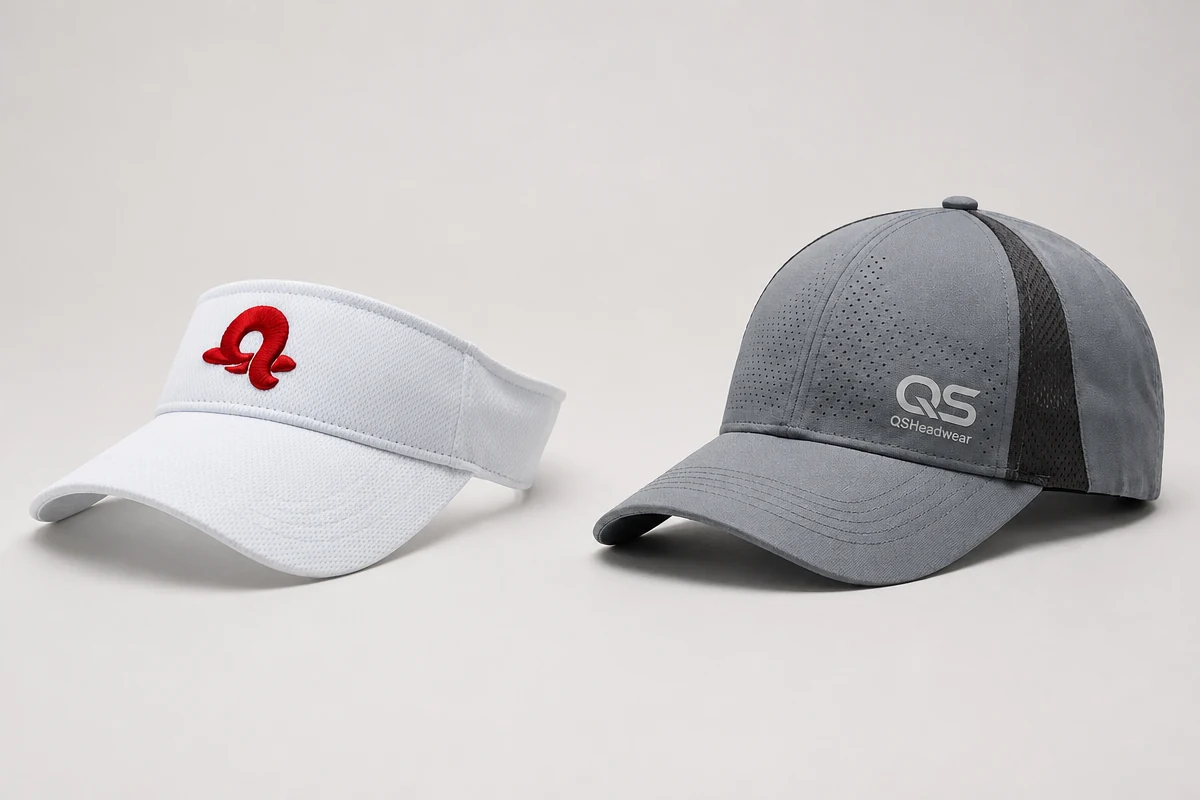
An open-crown visor releases heat efficiently and accommodates long hair, which makes it attractive for golf, tennis and hospitality roles. It leaves the scalp exposed, so it is not the answer for every wearer.
The custom visor range provides a strong branding surface and adjustable fit, while a full-crown performance cap offers more scalp coverage. A complete programme may need both.
Treat Ramadan as a Planning Window, Not a Graphic Theme
The official UAE government portal describes Ramadan as a month of piety, charity and blessings, beginning with the official crescent-moon announcement and moving earlier by about 11 days in each subsequent Gregorian year.
That movement matters for sourcing. A fixed “March campaign” assumption will fail over time. Build the annual programme from the expected Ramadan and Eid dates, then confirm locally because the beginning depends on the official moon-sighting announcement.
Work Backward From Distribution, Not the Holiday
Corporate gifts must reach employees, clients or distributors before the intended giving moment. Set the in-market distribution date first, then subtract local fulfilment, customs, freight, inspection, packing, production and sample approval.
The UAE government portal also notes reduced working hours during Ramadan and changes in shopping and transport patterns. Do not assume every buyer or country follows one operating calendar; confirm office closures, delivery appointments and approval availability with the local partner.
Use Respectful, Brief-Led Design
Do not add religious symbols, Arabic text or Ramadan references merely because the product is destined for the Gulf. Use only approved brand or campaign artwork supplied by the buyer, verify language with a qualified reviewer and consider where and how the product will be distributed.
A plain premium cap in a controlled brand colour may be more appropriate than an elaborate seasonal graphic. Local context should guide the design, not stereotypes.
Plan Corporate Gifting as a Programme
Corporate gifting often requires one brand to serve employees, clients, event guests and partners. The cap must look premium in the hand, fit a wide range of users and arrive in packaging that can be distributed without rework.
Use Adjustable Fit
When recipient sizes are unknown, snapback, strapback or elastic-adjustable systems reduce SKU complexity. Select the closure according to dress context: a metal buckle reads differently from a plastic snap, while elastic works better where movement and comfort dominate.
The cap sizing and fit guide explains the inventory and fit trade-offs between these systems.
Control Brand Colour and Embroidery
Corporate brand teams often expect exact colour reproduction, but fabric and embroidery thread are physical materials, not screen values. Approve a physical reference and the nearest thread match, then record the logo dimensions and placement in millimetres.
The corporate cap procurement guide provides a fuller brief for colour, logo, packaging, inspection and repeat orders.
Design Packaging for Distribution
Decide whether caps will be handed out individually, packed into client boxes, distributed by office or shipped directly. That changes polybag, label, carton and inner-pack requirements.
A visually premium cap damaged by compressed cartons fails the programme. Test the actual pack-out and keep the approved packaging in the product file.
Build a Regional Assortment Instead of One Generic Cap
A useful Gulf range can combine a light technical cap for outdoor activity, a visor for sport and hospitality, a mesh-backed casual cap and a more refined corporate option. The range should share colours, decoration language and packaging while solving different wearing conditions.
Use Neutral Colours Deliberately
White, stone, grey, navy and black are easy to integrate into corporate and retail programmes, but each has operational trade-offs. White shows sweat and handling marks; black absorbs heat and can fade visibly; very light shades reveal backing and seam construction.
Approve colours in the actual fabric and test exposure, washing and staining instead of choosing only from a digital palette.
Schedule Seasonal Refreshes Around Demand
Ramadan and Eid gifting, winter outdoor seasons, golf calendars, exhibitions and corporate events create different demand peaks. The year-round assortment guide shows how to work backward from on-shelf dates and balance core and seasonal product.
Qualify the Supplier for Programme Complexity
A supplier must manage multiple fabrics, trims, colour standards, logos, packaging and delivery splits without losing revision control. Evaluate more than one attractive sample.
Test One Representative Style
Use a style containing the programme’s real risk: technical fabric, perforation, a small multilingual mark, sponsor layout, retail labels or gift packaging. Score the sample against measurements, materials, decoration, comfort and pack-out.
Keep One Master File
Maintain one current tech pack, material record, artwork package, approved sample ID and packaging specification. The golden sample library guide explains how to keep master and working samples controlled across seasons and suppliers.
Frequently Asked Questions
Which cap is best for Gulf heat?
There is no universal style. Technical full-crown caps suit active use and scalp coverage; visors maximise heat release; mesh-backed caps suit casual and outdoor programmes. Choose from the real exposure and dress context.
Should every Gulf gift programme use Ramadan graphics?
No. Use only buyer-approved campaign artwork and qualified language review. A neutral premium product may be more appropriate for many corporate programmes.
When should Ramadan gifts be ordered?
Work backward from the required local distribution date through fulfilment, customs, freight, inspection, packing, production and sample approval. Confirm the calendar with the local buyer because Ramadan dates move each Gregorian year.
Are light colours always better in hot markets?
They can reduce heat absorption but may show sweat, dirt and backing more clearly. Test the chosen fabric, colour and use case rather than selecting by climate alone.
What information should a Gulf-market brief contain?
Country, channel, recipient, use case, wearing duration, climate, delivery date, closure, brim dimensions, material, sweatband, ventilation, colour standard, artwork, language approval, packaging and inspection criteria.