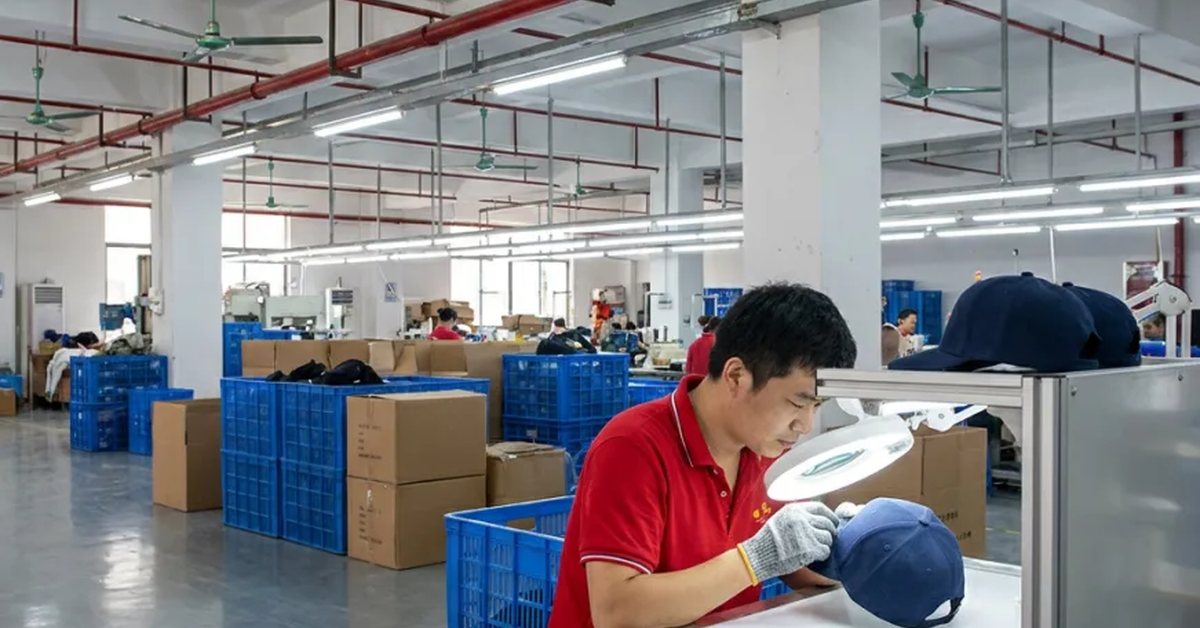


High visibility safety caps sit at the intersection of product design, workplace communication and risk control. A fluorescent-looking color or reflective detail may support a visibility brief, but it does not by itself make a cap certified protective equipment. The buyer must separate the visual objective from the legal and technical requirements of the jobsite, market and complete safety system.
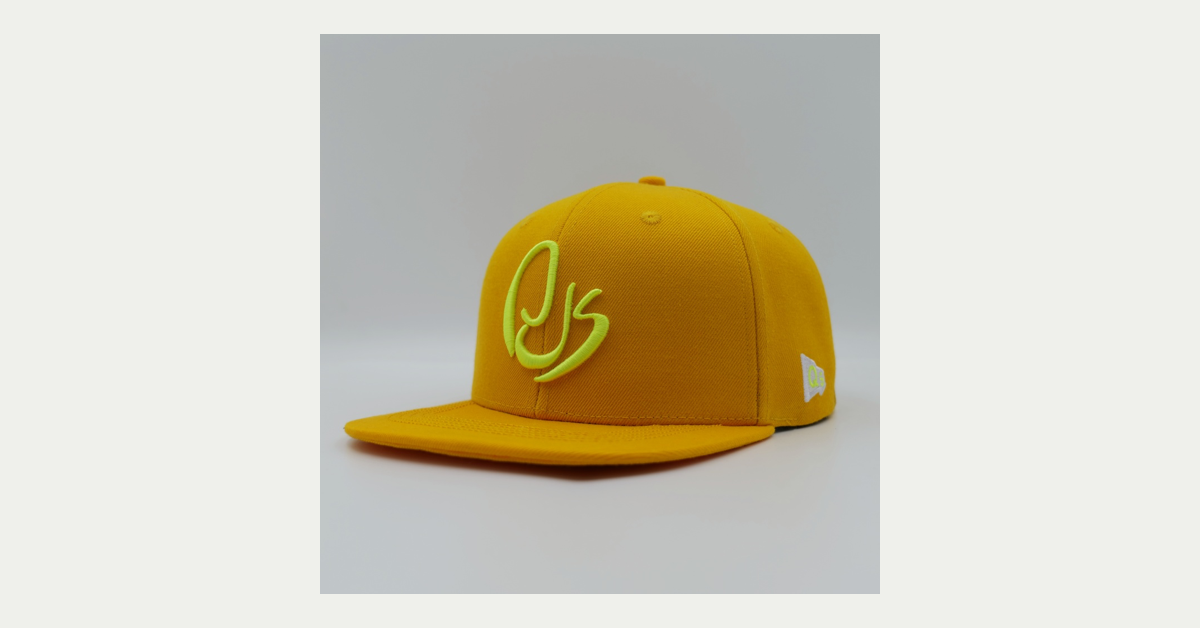
This article is for procurement teams, workwear brands, event operators and distributors developing adult headwear. It is not a certification statement, PPE assessment or substitute for the standards and employer requirements that apply to a particular task. When a cap is part of mandatory protective equipment, obtain the appropriate competent assessment for the finished product.
Start with the exposure, not the color card
Describe where and when the cap will be used: daylight road work, warehouse movement, event marshalling, outdoor service, or another defined activity. Note whether the wearer also uses a helmet, hearing protection, eyewear or a hood. A cap that looks bright on a studio table may be hidden by another item or worn in a position the design team did not anticipate.
Write what the cap is expected to do and what it is not expected to do. Visibility support, team identification and brand recognition are different objectives from impact protection, electrical protection or head protection. A careful brief prevents a marketing label from implying a safety function the product was not assessed to provide.
Make visibility details inspectable
State the base color, panel color blocking, reflective material or print location, logo limits and the direction from which the cap should be recognizable. Specify whether the reflective detail must remain visible from the front, side or rear. Use photographs and sample codes; words such as highly visible are too broad to inspect.
| Design element | Specify | Evidence to review |
|---|---|---|
| Base fabric | Color reference, composition and finish | Physical swatch and finished sample in intended light |
| Reflective detail | Material type, width, position and artwork limits | Complete cap viewed from required directions |
| Brim | Length, curve and color relationship | Worn side and front views, including shadowed angles |
| Fit | Closure range, crown depth and compatibility context | Adult wear trial with relevant adjacent equipment |
| Care | Product-specific cleaning and storage route | Care review after the agreed route |
Do not confuse a camera flash effect with a measured performance result. If a buyer needs photometric or standards-based evidence, ask which test applies and who will perform it. Store that report with the exact construction and revision it covers.
Reflective does not mean indestructible
Reflective film, tape and print can respond differently to flexing, abrasion, heat and washing. Keep the decoration away from seams that must fold sharply unless the supplier confirms the construction. Review edge lift, cracking, bonding and comfort on the inside. A visually strong strip that peels after the first care cycle is not a controlled product decision.
For care communication, consult GINETEX's textile care-labelling information as a reference system, then confirm the actual decoration and fabric route. Do not copy a generic reflective-tape care instruction onto a different print or cap.
Fit still controls whether the cap is worn
A cap that slips, presses or interferes with eyewear may be left in a pocket. Check crown depth, sweatband, closure, brim position and hair volume with intended adult wearers. If another piece of equipment must be worn, test the interaction without claiming compatibility until the relevant assessment is complete.
Hold the decoration constant while comparing fit. Then hold the fit constant while comparing reflective placement. Changing both at once makes it difficult to know whether a problem came from the cap or from the visibility treatment.
Use two decision boards
Create one board for appearance and one for safety evidence. The appearance board can include color, logo hierarchy, reflective placement and brand feel. The evidence board should list applicable requirements, test method, sample revision, responsible assessor and open limitations. Keep the boards connected but do not allow a successful photo to close a technical evidence gap.
| Question | Appearance board | Evidence board |
|---|---|---|
| What does the buyer judge? | Color, balance, logo and viewing direction | Defined requirement and test or assessment |
| What is the sample? | Styled cap photographed consistently | Exact fabric, trim, decoration and revision |
| What can be claimed? | A design intent or visual description | Only what the documented assessment supports |
| What happens after care? | Color and finish remain acceptable | Performance evidence for the complete product |
| Who signs off? | Brand or product owner | Qualified reviewer or responsible compliance function |
High visibility safety caps need a claim register
Maintain one claim record beside the product file. List the wording, intended market, evidence, sample revision, review owner and any limitation. This shows when a visual description is being used and when a technical statement needs a defined test or competent assessment.
For high visibility safety caps, never let a successful campaign photograph close an evidence gap. A flash image can help reviewers see placement, but it does not establish performance. Keep the image review and technical review as separate approvals.
If the fabric, reflective component, location or care route changes, reopen the affected claim. Record whether existing evidence still applies to the exact construction. A supplier substitution should not inherit a claim simply because the replacement looks similar.
Review the customer-facing wording one more time before printing labels or publishing the product page. Ensure the cap description does not imply impact, head or equipment protection that has not been established. This final language check is inexpensive compared with correcting branded stock or misleading sales material.
Receiving teams need a simpler check
The warehouse does not need to repeat the development study, but it does need a reliable receiving reference. For high visibility safety caps, provide approved front, side and rear photographs, the base color reference, reflective-detail position, SKU marks and obvious reject examples. Keep any technical reports in the quality file rather than asking receiving staff to interpret them.
Open a representative carton and compare the cap under the agreed viewing conditions. Check that high visibility safety caps were not mixed with an ordinary colorway and that reflective components match the approved placement. Record quantity, carton condition and any quarantine decision before distributing units.
If the program serves several sites, give each location the same short reference sheet for high visibility safety caps. Local teams can report a visible issue using the sample code and photograph position. This makes feedback comparable without turning informal observations into unsupported performance conclusions about high visibility safety caps.
Cost and timing follow the evidence route
Ask the supplier to separate cap construction, reflective component, artwork adaptation, testing or laboratory coordination, labels and packing. A low unit price is not comparable if one quote includes only a visual sample and another includes a documented assessment route. Verify which party arranges any required testing and what the test covers.
Request a calendar with sample, decoration, care review and evidence milestones. Do not promise a worksite launch date from a generic sample estimate. A change to reflective material, base fabric or placement can require a new review.
Inspection needs a product-specific limit
ISO 2859-1 may be used for acceptance-sampling terminology where appropriate, but it does not certify high-visibility performance or define your cap's color and placement tolerances. Write the visual checks and any required technical tests in the order file. Retain the approved sample and evidence revision together.
Ask QSHeadwear for a bounded proposal
Review the QSHeadwear company profile and OEM/ODM service, which can be discussed from a buyer reference or proposed product direction. Send the use environment, adjacent equipment, target wearer, color intent, reflective requirements, artwork, quantities and market. Review the product range, then use the contact page to ask which parts can be sampled and which claims require independent verification.
Questions about high-visibility cap development
Are high visibility safety caps automatically PPE?
No. A bright or reflective design does not establish protective-equipment compliance. Check the applicable requirements for the exact task and market.
Can a logo be printed on reflective tape?
It may be possible, but the effect on visibility, bonding and care needs a construction-specific review.
What should the first brief include?
Use environment, wearer, adjacent equipment, colors, reflective placement, artwork, quantities, market and evidence expectations.
Can a flash photo prove reflectivity?
No. It can illustrate appearance, but a required technical claim needs the appropriate test or assessment.
Should the cap be tested with a helmet?
If the wearer will use both, review the interaction; do not claim compatibility without the appropriate evidence.
What care details matter most?
Decoration bonding, surface finish, fabric behavior, drying route and the actual label instructions for the complete cap.
How should I compare two reflective placements?
Keep the cap, fabric and camera or viewing conditions consistent, and record front, side and rear results.
Does ISO 2859-1 prove safety performance?
No. It concerns acceptance sampling. Safety or visibility performance requires its own specified assessment.
Can QSHeadwear provide a compliance certificate?
Ask what evidence is available for the exact construction. Do not infer certification from a product-page image or capability list.
What is the next step?
Send a bounded use brief and ask QSHeadwear to separate design feasibility, sampling and any independent evidence route.