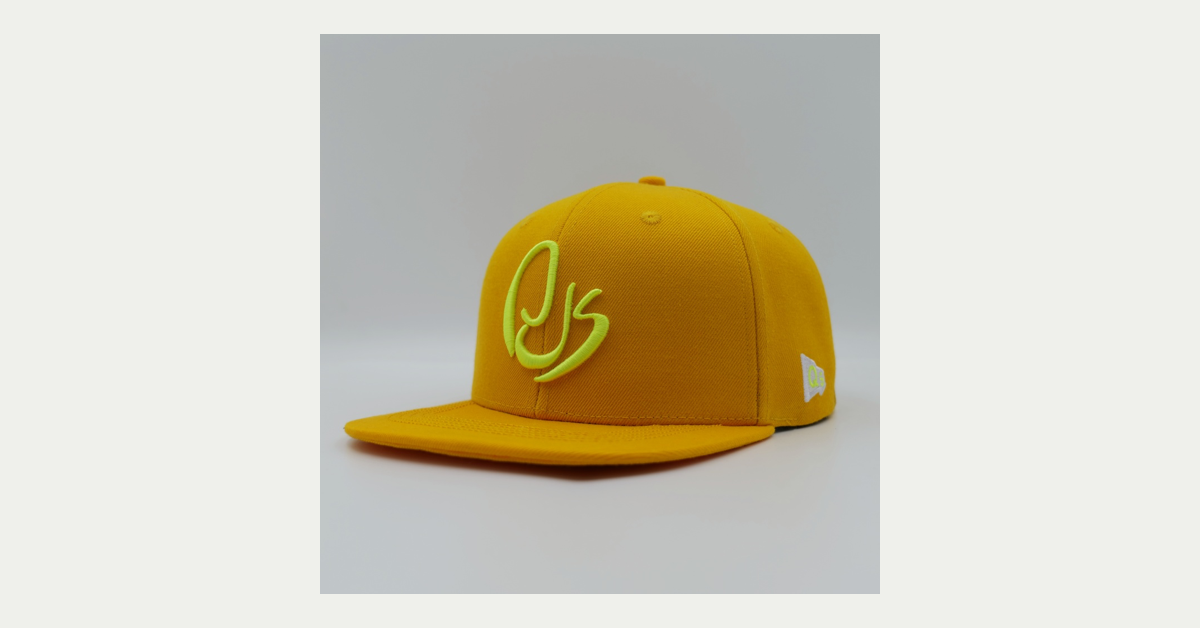


Buyers searching for custom cap production China are often solving a coordination problem as much as a manufacturing problem. The sketch may come from one country, artwork from another, and final approval from a team working several time zones away. A supplier can receive the same request three times in three file formats and still not know which version is approved. The cure is a visible handoff system.
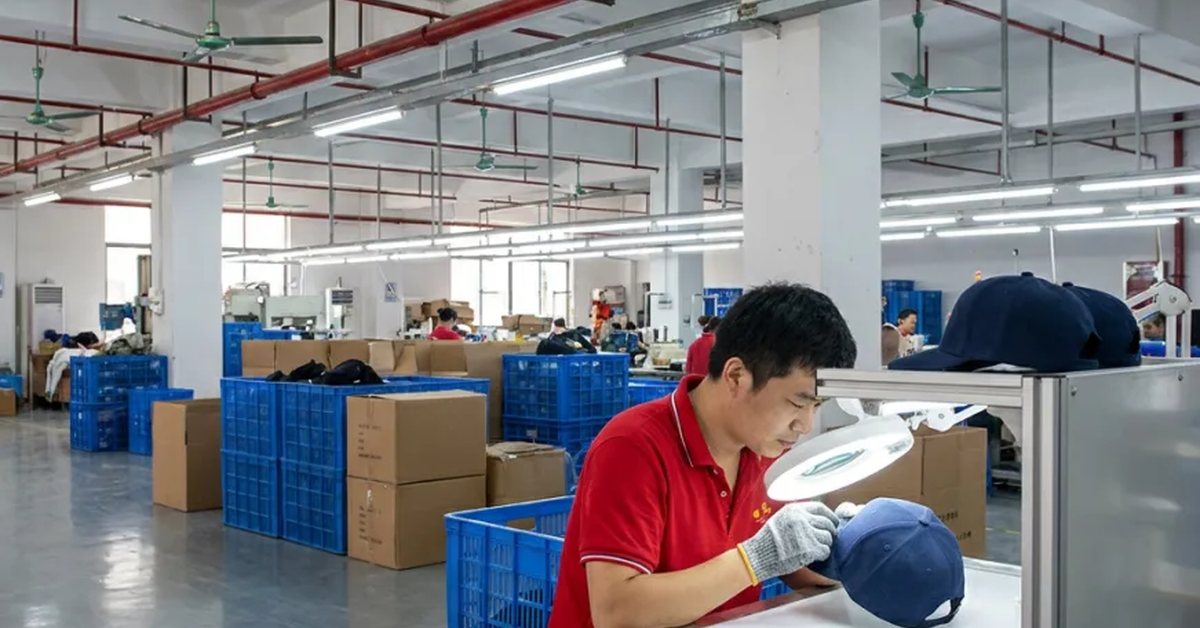
This article is for overseas brands, distributors and promotional buyers evaluating a China-based sourcing route. It does not assume that every supplier, method or shipping plan is identical. Verify the manufacturing entity, capabilities, destination requirements and commercial terms for the specific order.
Turn the first inquiry into a decision map
Start with a one-page brief that names the product family, intended wearer, use case, construction, materials, decoration, quantity by color, destination and required calendar. Add an open-questions column. Unknowns should be visible so the factory can respond to them; hidden assumptions are what usually return as revisions.
Separate must-have requirements from preferences. A brand mark may be fixed, while the exact brim insert can be proposed. A delivery date may be important, while the packing orientation is still open. This distinction helps the supplier price the work and helps the buyer understand which decisions carry schedule risk.
Use a handoff register instead of a long email thread
Give each important item an ID: artwork, measurement sheet, fabric reference, sample, label file and pack-out photo. Record the revision, date, owner and decision. A shared register does not need to be complicated. It needs to answer one question quickly: which physical and digital references should the next person use?
| Handoff | Minimum record | Failure it prevents |
|---|---|---|
| Artwork | File name, dimensions, color intent and revision | Old logo or wrong finished size |
| Fit reference | Sample ID, landmarks and measurement method | Words such as standard replacing a fit decision |
| Material | Composition, physical swatch and color reference | Screen color treated as a fabric approval |
| Sample | Photos, comments, open points and next action | A verbal approval with no change history |
| Packing | Orientation, quantity, carton and SKU marks | Shape recovery or receiving errors at delivery |
Use short file names that remain readable after downloading. Put the approval status in the register, not only in a file name that can be copied incorrectly. When a revision is rejected, archive it rather than deleting it; the history may explain why a later suggestion was not chosen.
For custom cap production China, add the measurement units, working language and destination time zone to the register header. A small convention prevents a millimeter value from being read as another unit and makes every approval deadline unambiguous. Keep the original technical term beside any translation when its meaning could affect construction.
Build four sample gates
Gate one checks interpretation: does the supplier understand the crown, brim, closure and decoration? Gate two checks the blank construction and fit. Gate three checks the finished decoration on the actual cap. Gate four checks packing and the sample's condition after handling. Each gate should have a short comment list and a decision owner in the buyer's organization.
Do not approve gate three from a digital mockup alone. Thread, patches and prints behave differently on a curved panel. Ask for front, side, underside and inside views, and retain the physical sample code. If the brim or fabric changes after the logo is approved, reopen the complete sample.
Custom cap production China needs a release clock
For custom cap production China, create a calendar with three kinds of time: supplier working time, buyer decision time and transport or laboratory time. Put a deadline beside every approval and show what happens if it moves. This is more honest than a single production duration because an unanswered artwork question can stop a component order even when sewing capacity is available.
Set one production-release moment. Before that point, the sample, artwork, bill of materials, label data, quantities and packing rules remain under review. After release, a change request must show its effect on cost, unused components and the calendar before anyone accepts it. For custom cap production China, this keeps late changes visible instead of hiding them in the ordinary message flow.
Set one daily handoff deadline while sampling. Questions received before that time join the buyer's next approval list; later questions move to the following cycle unless they stop production. The rule is simple, but it prevents an unanswered message from sitting between two time zones with no owner.
Keep transport and review time outside the factory working estimate. When a sample ships, record the tracking event, expected arrival, buyer reviewer and response date. The manufacturer can then plan the next action without treating delivery as approval. A custom cap production China calendar built this way shows where a compressed launch is genuinely possible and where it would require skipping evidence.
Time zones need a rhythm, not heroics
Agree a weekly update format with the supplier: completed actions, decisions needed, risks, next sample date and questions waiting for the buyer. Put the response deadline next to each question. A message sent at the end of one person's day should not silently become a two-day delay because nobody knows who is expected to answer.
Use a single approval window for consolidated comments. Ten small messages with contradictory changes are harder to translate than one marked PDF and a numbered list. When wording is ambiguous, ask for a photo or revised measurement rather than relying on a translation of an abstract adjective such as premium or relaxed.
What a China production quote should make visible
Ask for development, fabric, trims, decoration, labels, packing and delivery assumptions as separate lines. Confirm whether minimums apply by style, color or component. The lowest unit price is not comparable if one quote includes a different closure, a simpler backing or no inspection step.
| Quote line | Question to ask | Record with the approval |
|---|---|---|
| Sample work | How many rounds and what is included? | Sample IDs and revision count |
| Components | Which parts have color or quantity minimums? | Supplier references and surplus owner |
| Decoration | Which artwork adaptation and backing are priced? | Finished dimensions and approved method |
| Inspection | What checks are proposed and by whom? | Product-specific tolerances and evidence |
| Delivery | Which point and assumptions define the date? | Incoterm or handoff point confirmed commercially |
Do not turn a general web-page capacity statement into a guaranteed production promise. The actual calendar depends on the selected materials, color split, sample revisions and order release. Ask for an order-specific schedule after the brief is understood.
Quality evidence should travel with the order
For acceptance-sampling terminology, ISO 2859-1 can help the buyer and supplier use the same language. It is not a cap certification and it does not choose the acceptable logo offset, brim curve or color range. Put those product-specific checks in the inspection sheet and attach photos of the approved sample.
For care communication, use GINETEX's care-labelling reference as a system guide, then confirm the actual product instructions. Keep final inspection photographs, carton marks, quantity records and any rework decision with the shipment file.
OEM and ODM can both work across borders
QSHeadwear's OEM/ODM service page describes buyer-led development and proposed product directions. For an OEM brief, send the reference, measurements and changes required. For ODM, ask which base is proposed and which details can be modified. In both cases, agree who owns the artwork, label files, physical reference and revision record.
Make the next step easy for QSHeadwear
Review the headwear product range and company information, then send a concise brief through contact. Include destination, quantities, timeline, artwork status and the decisions you want the supplier to propose. Clear handoffs make custom cap production China easier to evaluate without pretending that distance removes commercial or quality risk.
Cross-border sourcing questions
Is custom cap production China suitable for a small brand?
It can be, but the right route depends on product complexity, component minimums, budget, timing and the buyer ability to review samples.
What is the most important first file?
A concise product brief with wearer, use case, construction, decoration, quantity, destination and timing.
How many sample gates should a project have?
At minimum, separate interpretation, blank construction, complete decoration and packing review.
How do I avoid old artwork being used?
Use revision IDs, a handoff register and one named approval owner. Archive rejected files instead of deleting them.
Can a translated description define a fit?
No. Use measurements, photos, physical samples and clear landmarks alongside translated notes.
What should a quote separate?
Development, materials, trims, decoration, labels, packing, inspection and delivery assumptions.
Is a general lead time reliable?
It is only a starting estimate. Ask for an order-specific calendar after materials and sample revisions are known.
Does ISO 2859-1 certify the finished cap?
No. It provides sampling terminology; cap-specific acceptance criteria still need to be written.
Should inspection happen before shipment?
Agree the inspection point and evidence in the commercial file. Retain the approved sample and product-specific checks.
What should I send QSHeadwear?
Send the product brief, reference images or sample, artwork, quantity by color, destination, required date and open decisions.