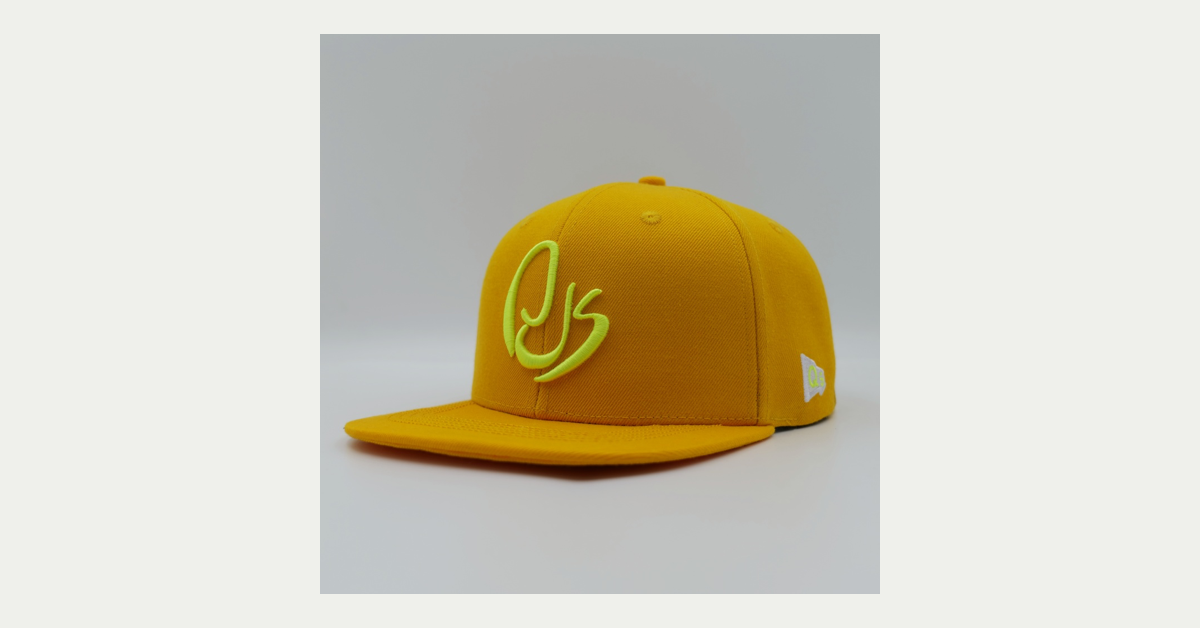


Corporate headwear looks like one of the simplest things a procurement team ever buys. It is a cap with a logo on it. Yet these orders generate a disproportionate number of complaints, and the reason is almost never the unit price. It is that the specification was incomplete, so the factory filled the gaps with its own assumptions and the delivered product did not match what the requester had in mind.
A promotional cap has a different failure profile from a retail cap. Retail buyers can discount slow sellers. A company that ordered three thousand caps for a conference cannot discount anything: the caps are either right on the day or they are a write-off. This guide sets out what a procurement team should specify, and why each item matters commercially.
Define the Programme Before the Product
The first question is not what the cap looks like. It is what the cap is for. Employee uniform, trade show giveaway, customer gift and safety-adjacent workwear are four different products with four different quality thresholds, and conflating them is the most common source of disappointment.
A uniform cap is worn daily for months, so durability and colour consistency dominate. A trade show giveaway is handled once and either kept or discarded within minutes, so first impression and perceived value dominate. A cap given to a major client sits in a different tier again. Deciding which of these you are buying determines the fabric, the decoration method and the acceptable unit cost before any supplier is contacted.
Who Actually Wears It
Employee programmes need sizing that works across an entire workforce, which usually means an adjustable closure rather than fitted sizing. Giveaway programmes need one universal size by definition. If the recipients work outdoors, ventilation stops being cosmetic. If they work in a client-facing role, the cap becomes part of the brand impression and cheap construction reflects directly on the company.
How Long It Has to Last
Longevity requirements should be stated explicitly, because they change the specification. A cap intended to survive two years of daily wear and weekly washing needs different fabric and stitching from one handed out at a single event. Suppliers cannot infer this, and a quote built on the wrong assumption will look cheaper while delivering less.
Specify the Branding Precisely
Logo reproduction is where corporate orders most often go wrong, because brand teams have exacting expectations and procurement documents rarely capture them.
Decoration Method Drives Everything
Embroidery is durable, has a premium feel and suits most corporate marks, but it cannot reproduce fine gradients or very small text cleanly. Printing and heat transfer handle complex colour and photographic elements but wear faster. Woven patches carry intricate artwork that embroidery would muddy. Each method has its own setup cost and its own minimum, so the choice affects both budget and lead time.
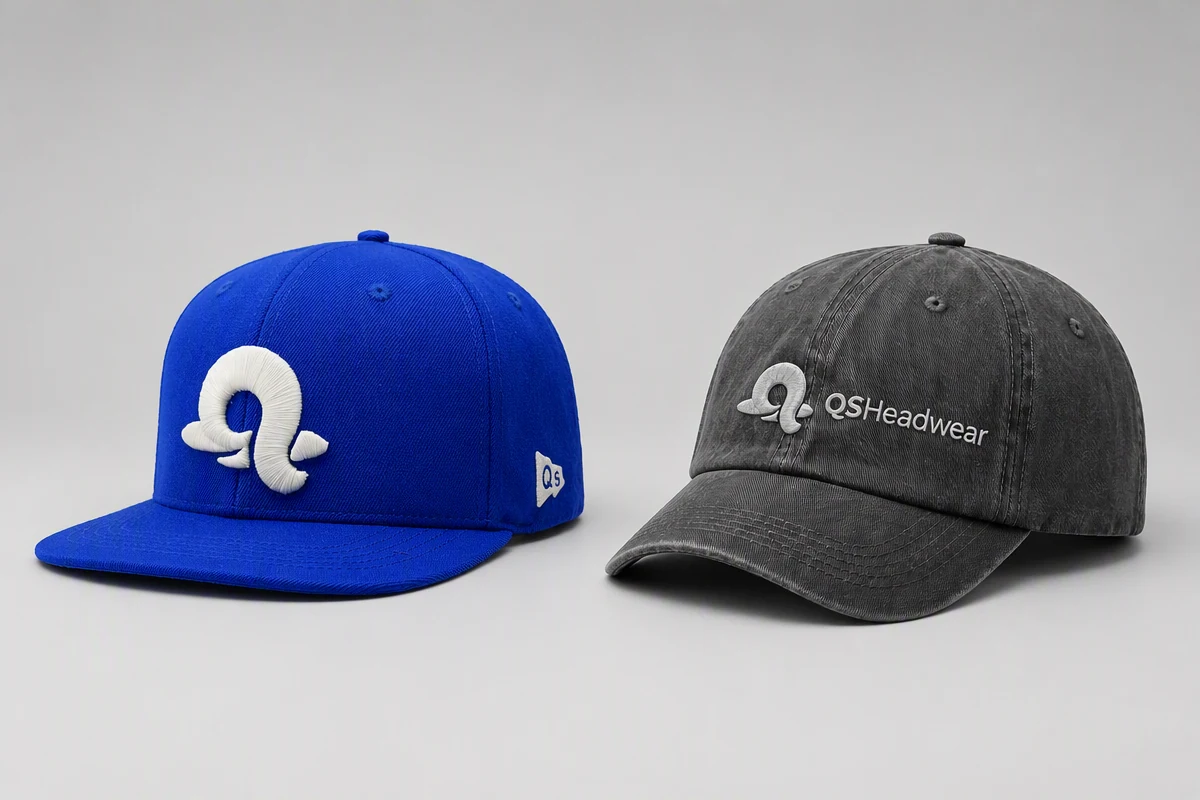
For corporate identity programmes the usual answer is embroidery, and the practical constraint is stitch resolution rather than colour. Our embroidery capability page sets out how 3D puff, flat and metallic thread behave differently, which matters if your mark contains thin strokes or small type.
Colour Matching Is a Specification, Not a Hope
Brand guidelines usually define logo colours precisely. Thread colour is chosen from a physical thread range, and screen colour never matches thread exactly. State your reference colour explicitly and ask the factory to confirm the nearest thread match at sampling rather than discovering the difference on delivery.
Fabric colour deserves the same treatment. If the cap must sit alongside existing uniform items, send a physical reference rather than a colour name. "Navy" covers a wide range, and a cap that does not match the polo shirts it is worn with will be read as a quality failure even if the cap itself is well made.
Placement and Size in Millimetres
Specify logo position and dimensions numerically. "Front centre" is not a specification: it does not say how far above the brim, or how wide. A logo that looks correct on a flat artboard can sit too low, too high or too wide on a curved crown. Approving a physical sample resolves this in a way no digital mockup can.
Quality Standards for Volume Orders
Corporate orders are usually larger than boutique retail runs, which changes how quality should be verified. Nobody inspects three thousand caps individually, so acceptance is based on statistical sampling.
The international reference for this is ISO 2859-1, which defines acceptance sampling plans indexed by acceptance quality limit. Its 2026 third edition sets out how sample size and accept or reject thresholds are derived for lot-by-lot inspection. Naming an AQL level in the purchase order gives both sides an objective test instead of an argument about whether a handful of faults is acceptable.
Consistency Across Repeat Orders
Most corporate programmes reorder. A workforce grows, an event repeats, stock runs down. The second batch must match the first, because employees receive caps in waves and mismatched shades look like carelessness rather than a production tolerance.
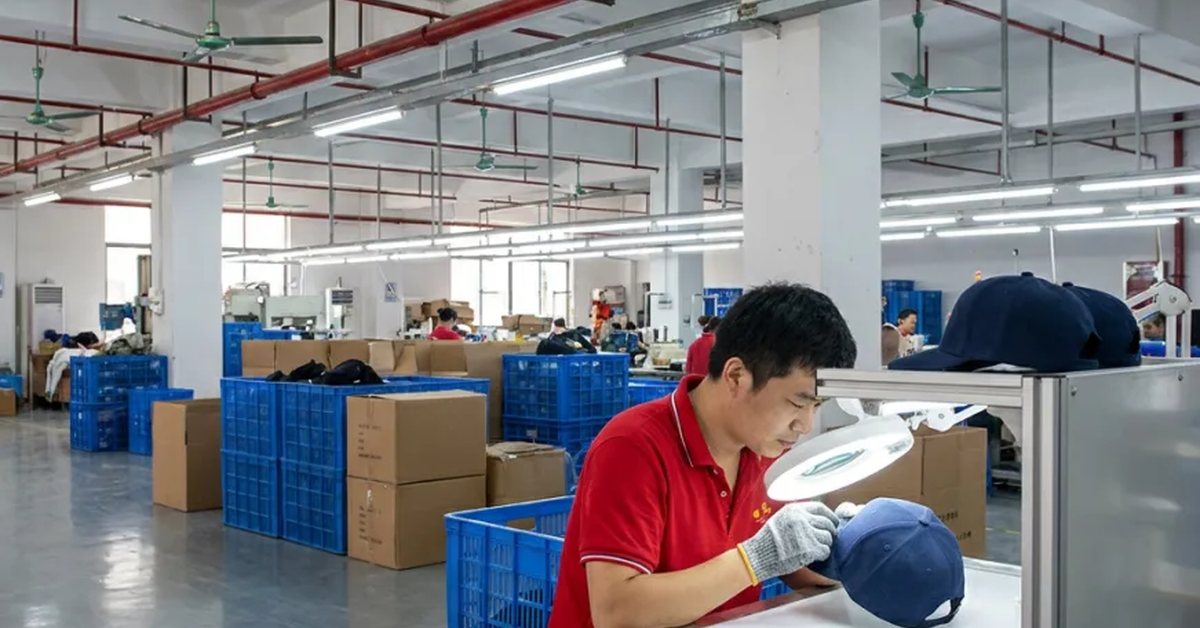
Protect this by retaining an approved reference sample and referencing it in every reorder. Ask how the factory maintains colour consistency between dye lots. Production stability matters here: the corporate range at QSHeadwear is supported by a monthly capacity of 120,000 to 150,000 pieces and a four-stage QC inspection system, which is the kind of scale that makes repeat consistency achievable rather than accidental.
Chemical Safety Documentation
Large organisations increasingly require compliance evidence before they will onboard a product, and public sector tenders often make it a pass-or-fail gate. The certification most commonly named is OEKO-TEX STANDARD 100, which tests every component of a textile article against a list of over 1,000 harmful substances. Ask about documentation early rather than after your legal team raises it.
Budget Realities
Procurement teams work to a number, so it helps to know which decisions move that number most. Fabric grade matters less than most buyers expect. Decoration complexity, cap construction and order quantity matter more.
Setup Costs Dilute With Volume
Embroidery digitising, print screens and patch moulds are one-time costs per design. They are the same whether you order five hundred caps or five thousand, which means they weigh heavily on small runs. If your budget is under pressure, reducing the number of design variations usually saves more than downgrading the fabric, and it protects the perceived quality of the finished product.
The Hidden Cost of Getting It Wrong
A cap that arrives with the logo slightly off-centre is not a small problem when it is the only branded item at a flagship event. Factor the cost of the sampling round into the programme rather than treating it as an optional expense. Sampling runs three to five days once artwork is confirmed, which is almost always shorter than the delay caused by rejecting a bulk shipment.
Packaging and Distribution
Corporate orders often ship to multiple offices or arrive at an event venue on a deadline. Individual bagging, carton counts and labelling all affect handling cost and should be agreed in the quote rather than assumed. Our guide to custom hat packaging options covers how packing choices affect both protection and freight volume.
Sustainability in Corporate Procurement
ESG reporting has moved sustainable sourcing from a preference to a requirement in many organisations. Promotional merchandise is visible, easily audited and frequently criticised, which makes it an obvious target for scrutiny.
Recycled polyester and organic cotton are both viable in headwear, and recycled content in particular behaves much like virgin material in a cap shell. The constraint is documentation: any recycled or organic claim needs chain-of-custody evidence before it can appear in a sustainability report or on a label. Build the requirement into the specification from the first sample, and see our eco-friendly headwear range for the material options available. Retrofitting a green claim onto an approved product is rarely possible.
Working With the Supplier
The quality of the brief determines the quality of the quote. A supplier who receives a complete specification can price precisely; a supplier who receives "we need branded caps" prices defensively or guesses.
What a Complete Brief Contains
State the cap style, fabric, colour with a physical reference, closure type, quantity with any size or colour split, decoration method and position with dimensions, packaging requirement, delivery destination and the date the caps must be in hand. Add the AQL level and any compliance documentation you require.
If the silhouette itself is undecided, resolve that first. Our guide to choosing a cap style compares crown structures and brim types, and the choice affects both how the logo sits and how the cap is perceived.
Work Backwards From the Deadline
Event-driven orders have an immovable date, and that date should drive the entire schedule. Count backwards from the day the caps are needed: allow shipping time, bulk production, sample approval and at least one correction round. Programmes that start late end up either paying for expedited freight or accepting a sample they were not happy with.
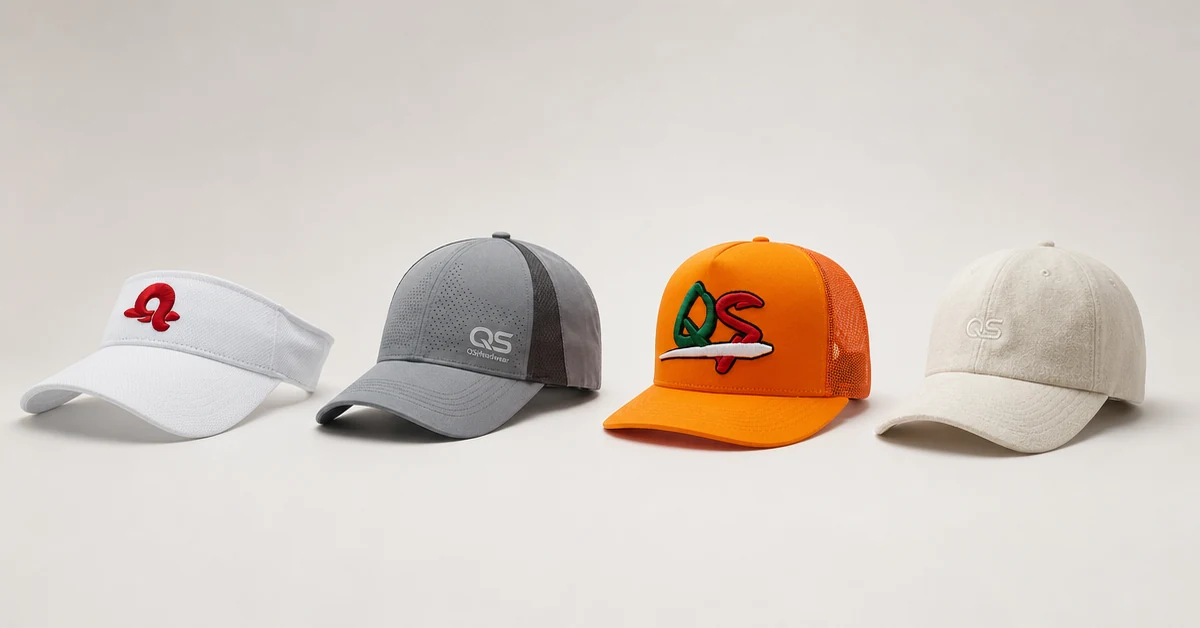
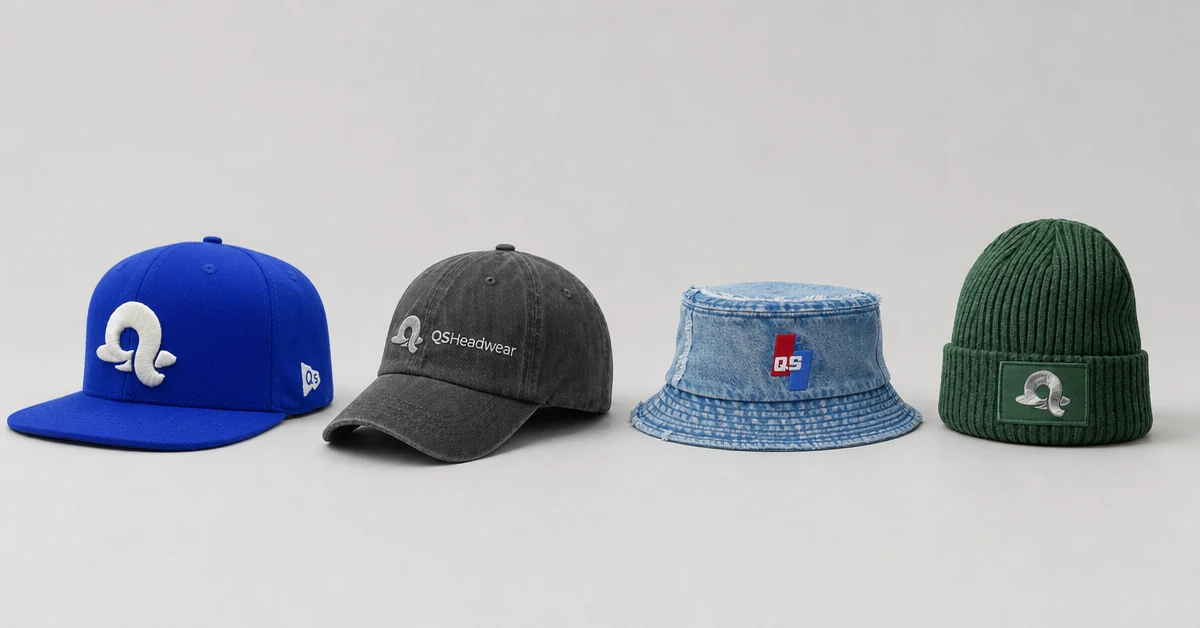
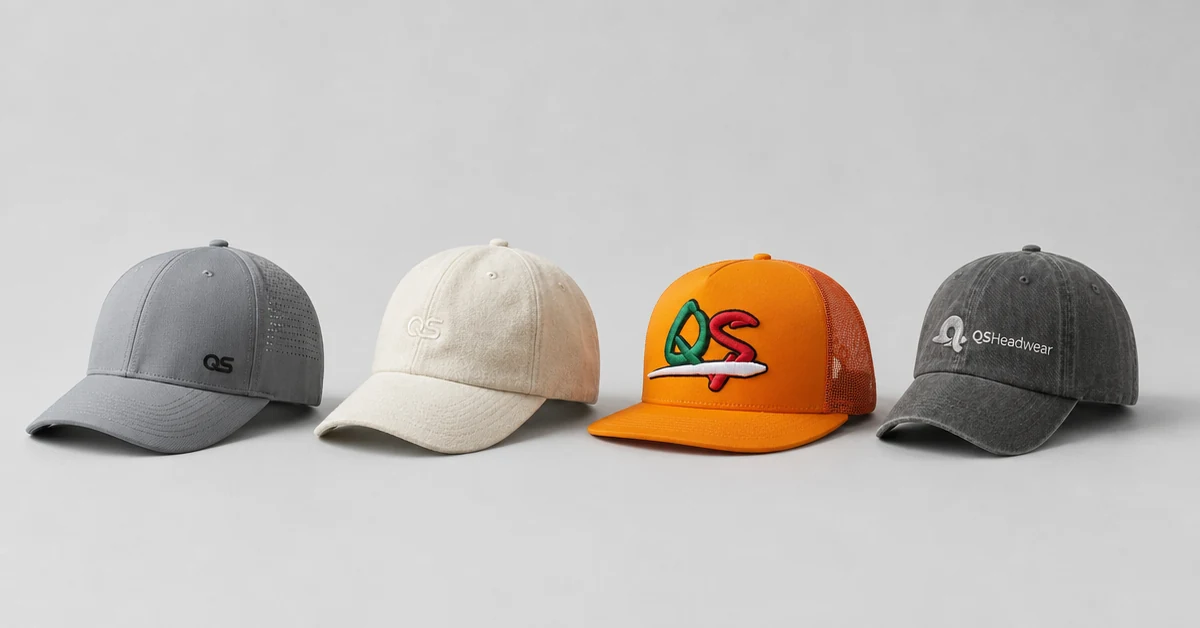
The corporate and promotional caps category is built around this ordering pattern, with flexible customisation across structured caps, mesh caps and adjustable styles for mass branding applications.
Frequently Asked Questions
What should a corporate cap specification include?
Cap style, fabric, colour with a physical reference, closure, quantity and any splits, decoration method with position and dimensions, packaging, destination, deadline, AQL level and required compliance documents. Anything omitted becomes a supplier assumption.
How do we keep colours consistent across reorders?
Retain an approved physical reference sample and cite it in every reorder, and confirm with the factory how colour consistency is maintained between dye lots. Digital colour references alone are not sufficient for fabric or thread.
Should we specify an AQL level?
For volume orders, yes. An AQL level defined under ISO 2859-1 gives both sides an objective acceptance test based on statistical sampling, which is far more workable than inspecting every unit or arguing case by case.
Is embroidery always the right choice for a corporate logo?
It is the usual choice because it is durable and reads as premium, but it struggles with fine gradients and very small text. Marks with photographic elements or intricate detail may be better served by a woven patch or a printed application.