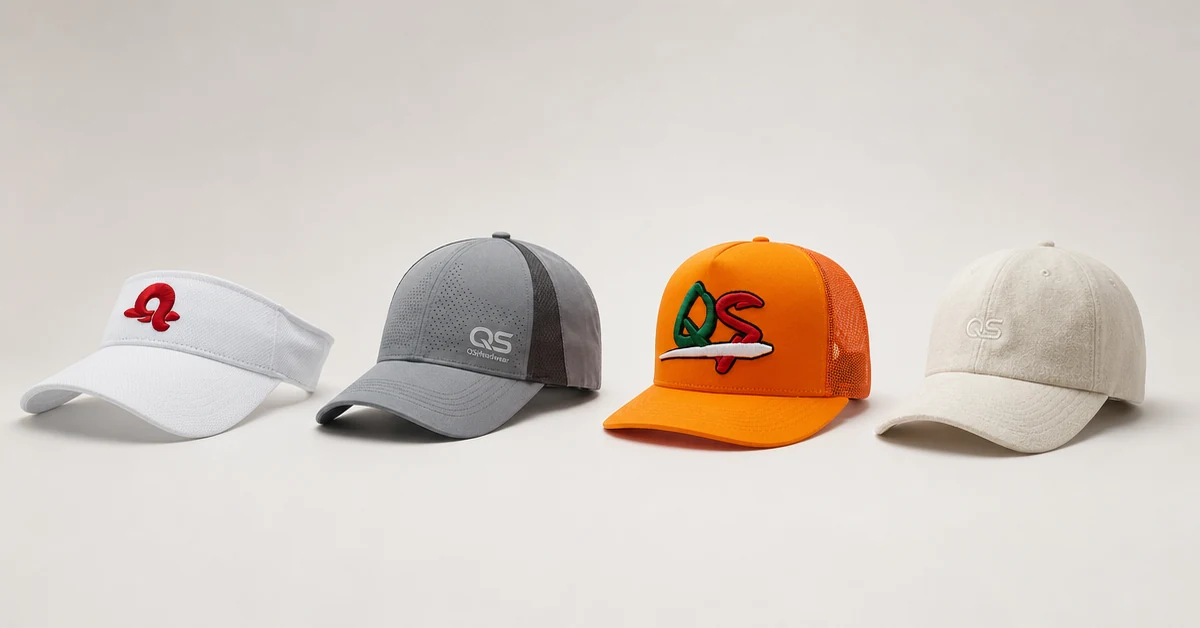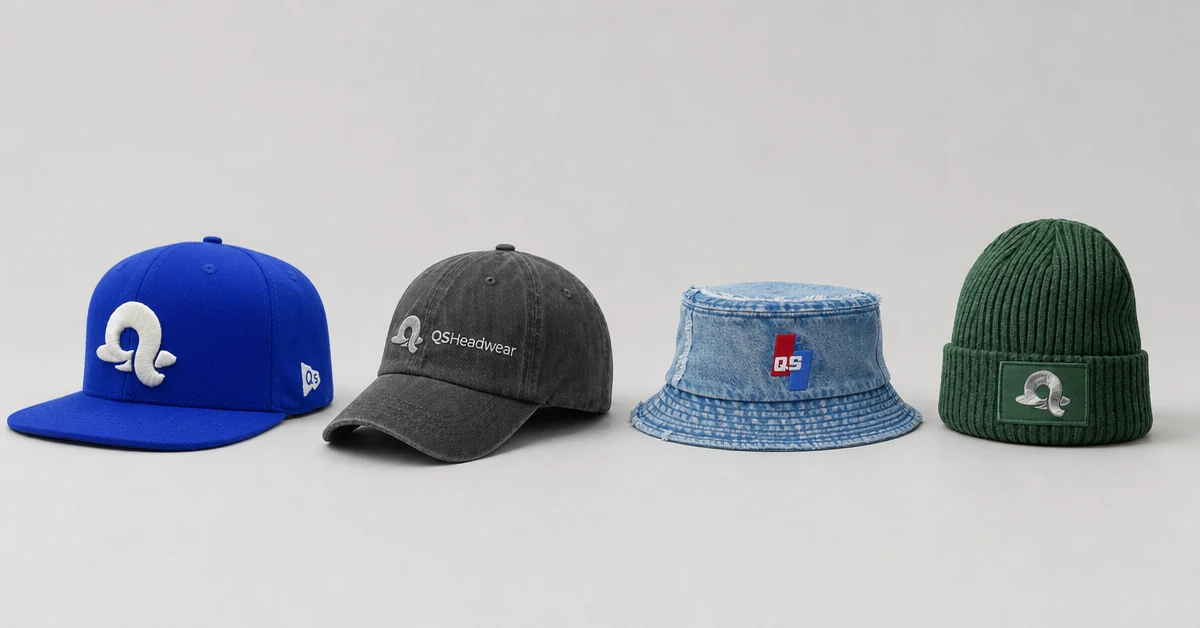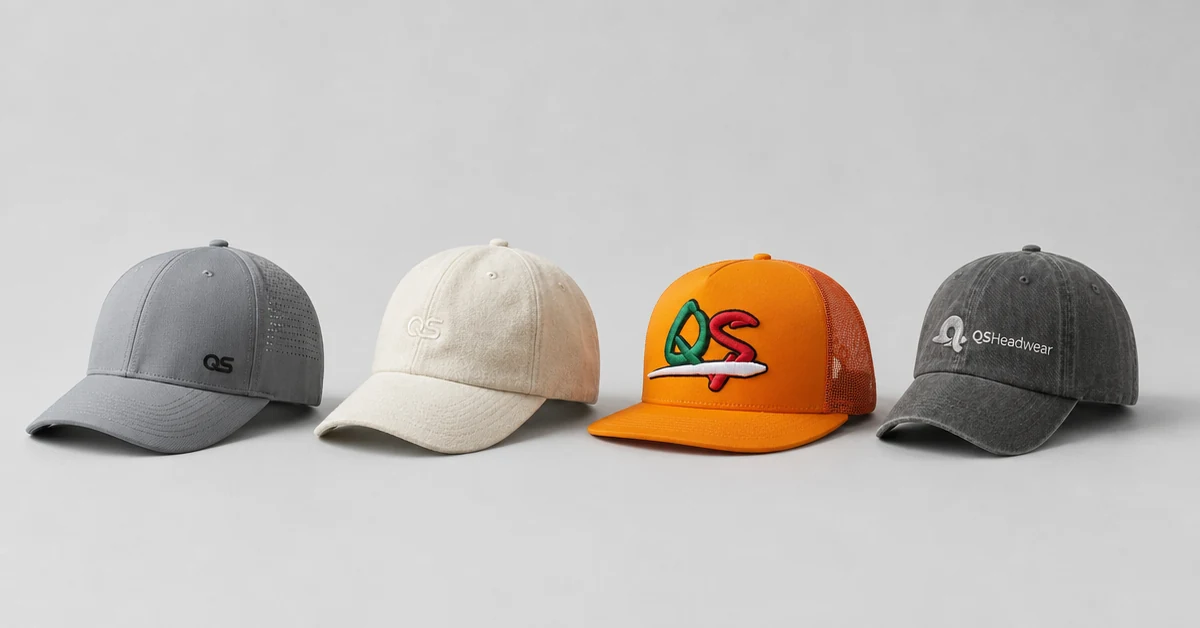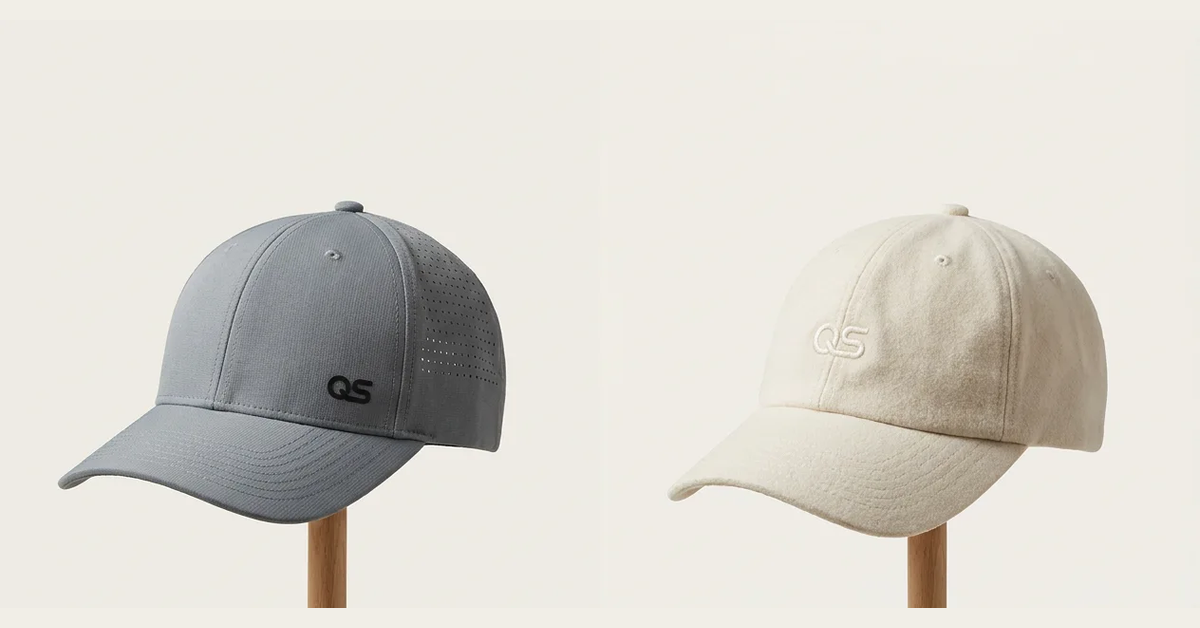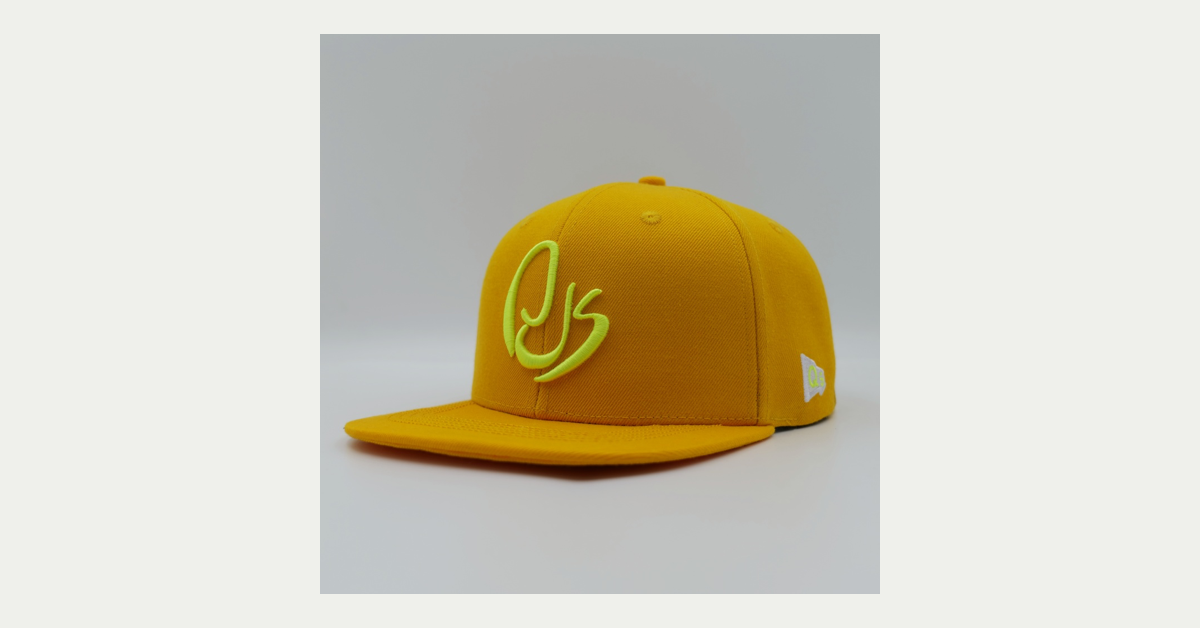


A custom 5 panel hats manufacturer must control a pattern that behaves differently from a conventional six-panel baseball cap. The broad front panel creates a useful graphic area, while the side and top panels determine crown volume, seam direction and how the hat sits above the ears. Buyers should evaluate the full geometry rather than choosing a style from a front-view image.
This guide is for streetwear labels, outdoor brands, cycling programs, retailers and merchandise teams developing five-panel caps for sale or promotion.
Five-Panel Cap Sourcing: The Direct Answer
Define crown depth, front-panel width, side profile, brim shape, closure and head range before finalizing artwork. Approve the actual fabric on a physical sample, inspect how the front panel curves when worn, and lock measurements and seam positions for bulk. The right supplier should explain how material, pattern and decoration interact.
Five-Panel Development Table
| Decision | Buyer specification | Evidence to approve |
|---|---|---|
| Crown | Depth, front width, side angle and top volume | Pattern measurements and wear sample |
| Brim | Flat or curved, length, width and stiffness | Shape and recovery check |
| Fabric | Weight, weave, coating, stretch and color | Approved production swatch |
| Closure | Type, opening and adjustment range | Fit test across target users |
| Artwork | Method, finished size and seam clearance | Production proof and sample |
| Bulk | Tolerances, symmetry and packing | Inspection plan and report |
Understand What the Five Panels Control
A typical layout uses one front panel, two side panels and two upper or rear panels, although patterns vary. Ask for a labeled panel diagram instead of assuming every five-panel block fits the same. The front panel may be tall and flat for streetwear, shallow for cycling, or softly curved for casual use. Side-panel angles affect both appearance and ear clearance.
Measure the Crown as a Three-Dimensional Shape
Record front height, side height, opening circumference, crown depth and seam positions. A circumference alone cannot describe whether a cap feels shallow, boxy or tapered. Wear-test the sample from front, side and back, then photograph the approved profile on the same head form. Give observable comments such as “reduce front height by 5 mm” rather than “make it less tall.”
Match Fabric to Panel Geometry
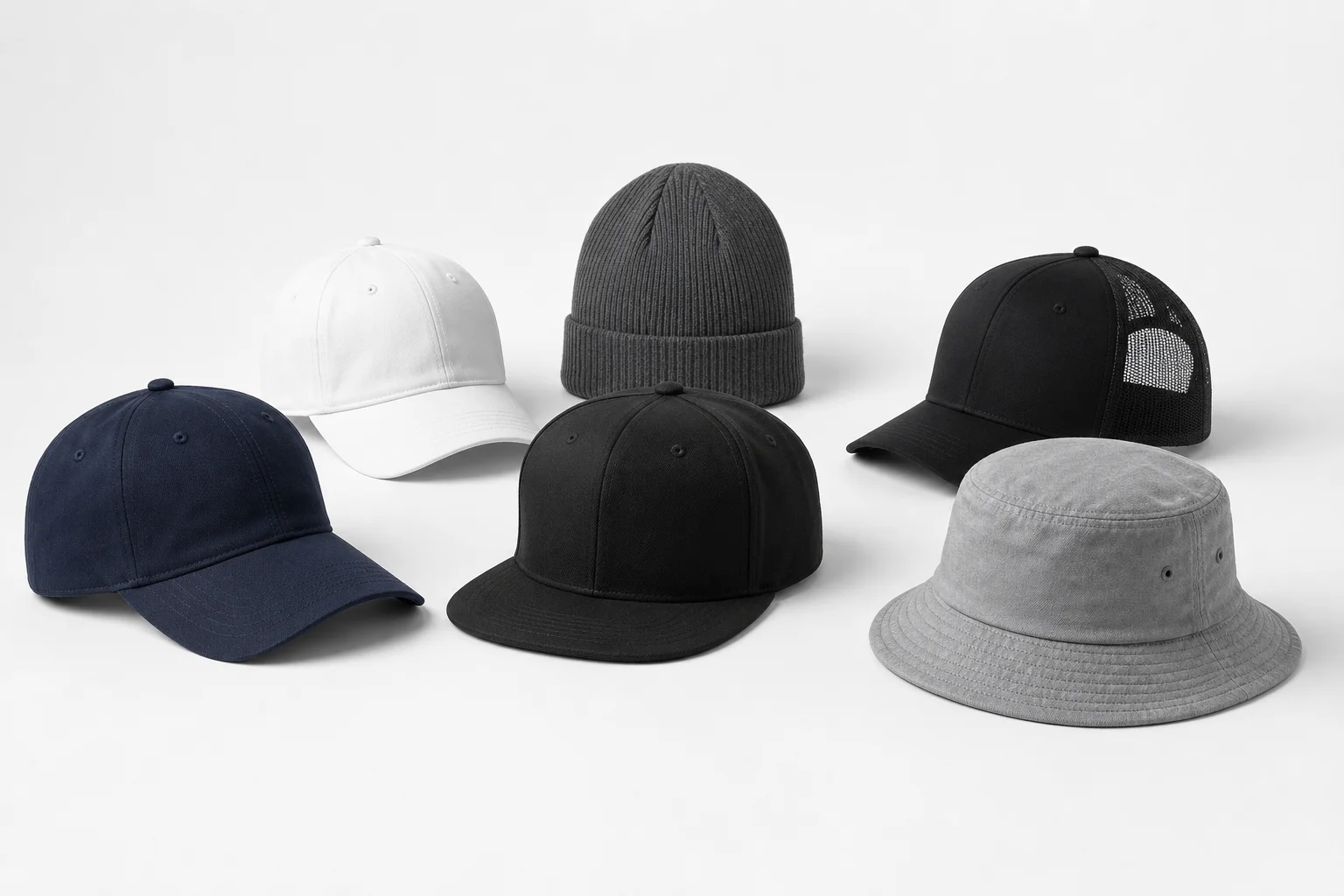
Light nylon can create a technical, packable cap but may expose seam puckering. Cotton twill can hold shape while adding weight. Corduroy, canvas and coated fabrics require attention to bulk and needle marks. Ask the custom 5 panel hats manufacturer to confirm composition, weight, finish, color availability and whether the pattern needs adjustment for the chosen material.
Set Brim and Closure Requirements Together
A flat brim supports a streetwear profile, while a curved or flexible brim may suit running and outdoor use. Define brim dimensions, insert material and recovery after bending. Then specify closure type, strap width, hardware, back opening and adjustment range. These features influence balance: a light crown with heavy hardware can feel unstable during movement.
Design Artwork for the Broad Front Panel
The uninterrupted panel suits woven patches, embroidery, screen print and heat transfer, but the surface still curves around the wearer. State finished size, location and minimum distance from the brim and side seams. Test dense embroidery for stiffness and puckering. For a large print, inspect hand feel and bending rather than approving only color.
Run a Five-Panel Sample Review
- Measure crown height, depth, opening and brim.
- Check front-panel symmetry and seam direction.
- Wear-test pressure, ear clearance and adjustment.
- Review the side profile at the smallest and largest settings.
- Inspect artwork position while the cap is worn.
- Pack and unpack the cap to check shape recovery.
QSHeadwear states that typical physical samples take 3-5 business days after requirements are aligned. New patterns, coated fabrics, custom closures and repeated fit revisions can extend that schedule.
Control Bulk Symmetry and Seam Tension
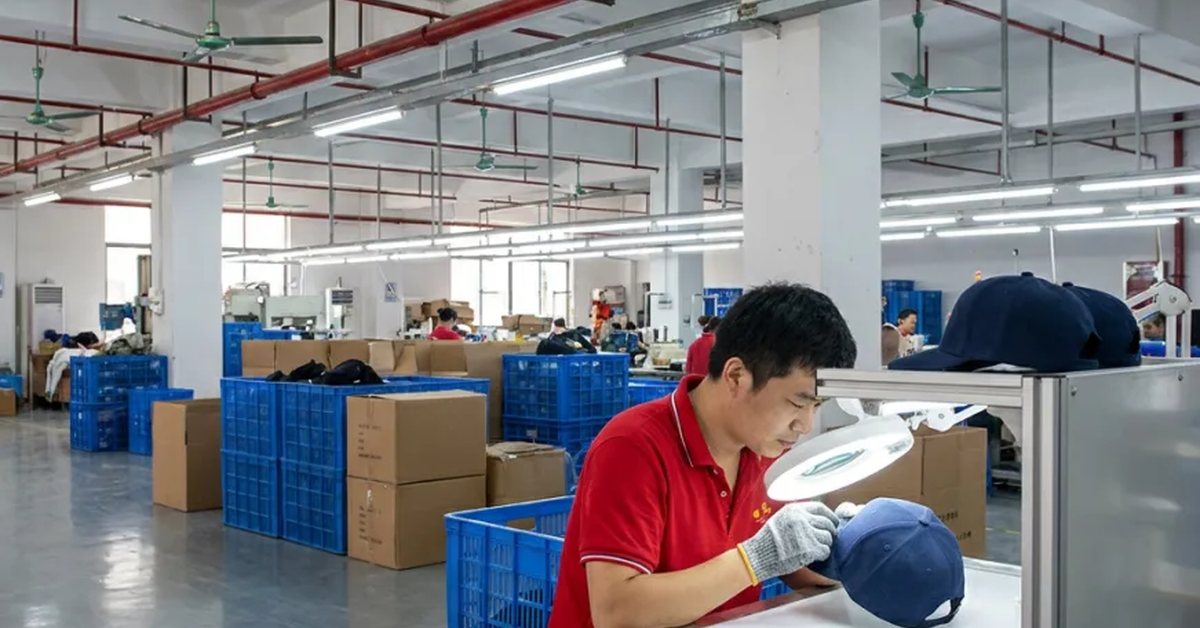
Five-panel construction makes an off-center front or uneven side seam easy to notice. Define panel symmetry, seam allowance, stitch appearance, brim alignment, measurements, closure function, decoration placement and cleanliness. QSHeadwear describes incoming material review, pre-production approval, in-line monitoring and final AQL 2.5 inspection; request the order-level checklist.
Plan MOQ by Fabric and Artwork
MOQ may come from a fabric color, coating, closure, patch, label or packaging component rather than sewing alone. Ask for minimums by style, color and artwork. If testing several graphics, keep the cap block and fabric stable so sales results reveal a meaningful artwork decision instead of mixing fit and material changes.
Build a Five-Panel Reorder Package
Archive the approved sample, labeled panel diagram, measurement sheet, fabric swatch, brim and closure specifications, artwork, labels, quality limits and pack-out. Require written approval before changing the pattern, fabric source or brim insert. This protects the distinctive silhouette when the same cap returns in new colors.
Request a Five-Panel Cap Sample
Review the QSHeadwear product range, OEM/ODM workflow and company profile. Send fit references, panel shape, fabric, brim, closure, artwork, quantity and date through the contact page to request a sample from a custom 5 panel hats manufacturer.
FAQ About Custom Five-Panel Hats
1. What is a five-panel cap?
It uses a broad front panel with side and upper or rear panels, creating a different crown shape from a conventional six-panel cap.
2. Who typically buys five-panel hats?
Streetwear, outdoor, cycling, retail and merchandise programs use them for their profile and broad artwork area.
3. Which fabrics work for five-panel caps?
Nylon, cotton twill, canvas, corduroy and technical fabrics can work when the pattern matches their weight and behavior.
4. Can a five-panel hat use a flat brim?
Yes. Define brim length, width, stiffness and recovery, and approve the relationship between brim and crown.
5. Which decoration suits the front panel?
Embroidery, woven patches, screen print and heat transfer are options when artwork size and seam clearance are sampled.
6. What affects five-panel MOQ?
Fabric colors, coatings, closures, decoration, labels and packaging can each create minimums.
7. How long does sampling take?
QSHeadwear states typical physical samples take 3-5 business days after alignment; new patterns and special materials add time.
8. What should quality control inspect?
Check panel symmetry, seams, crown dimensions, brim alignment, closure, decoration, shade and packing.
9. How should supplier quotes be compared?
Use the same pattern, fabric, brim, closure, artwork, color split, packaging, inspection and delivery assumptions.
10. How can reorders keep the same fit?
Retain the approved sample and pattern measurements and require approval for material, brim or construction changes.