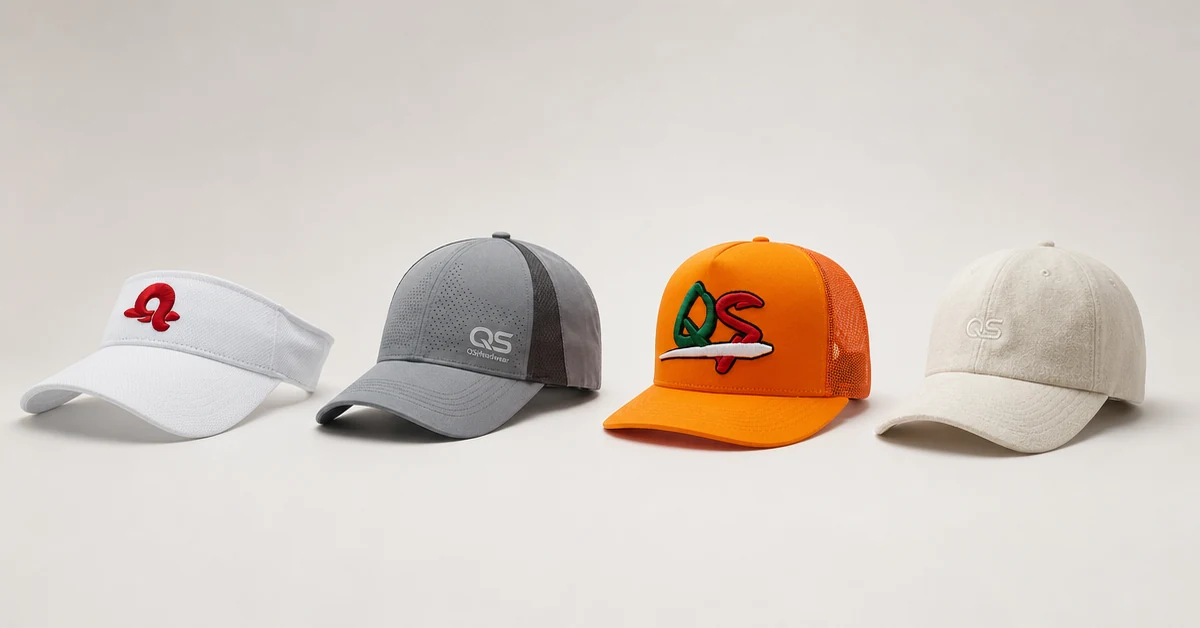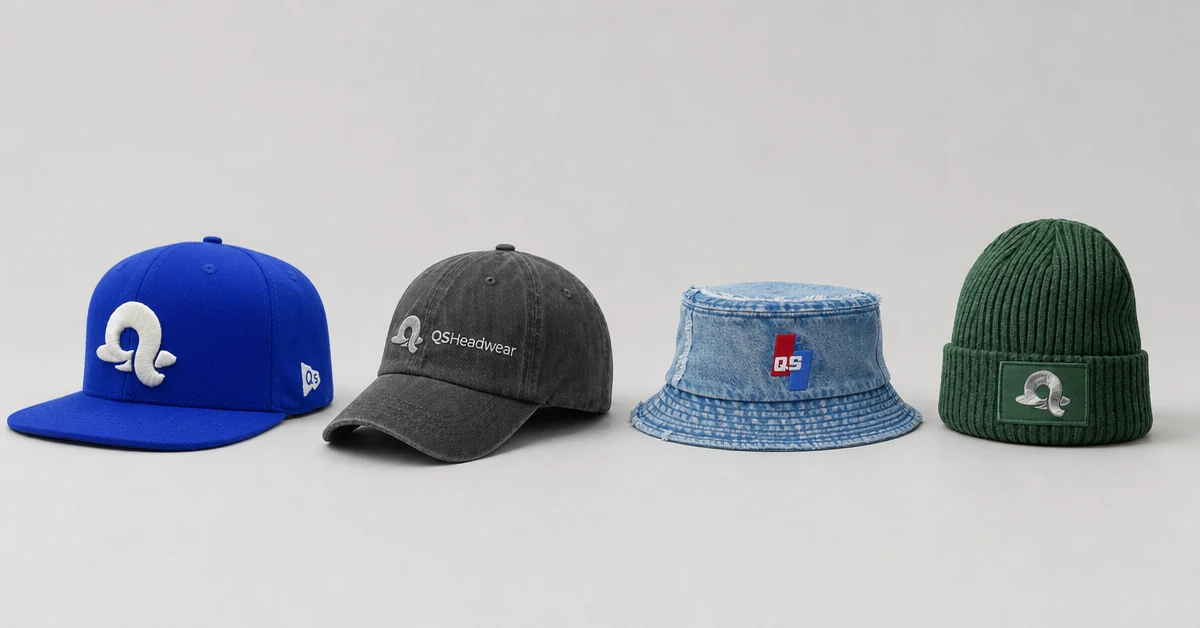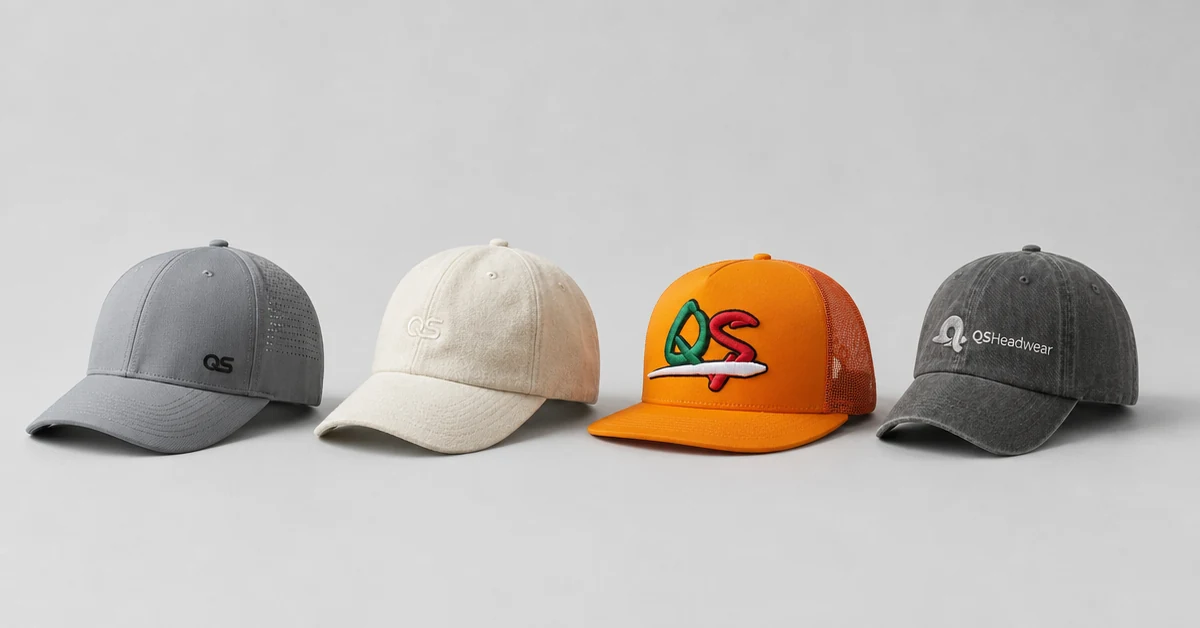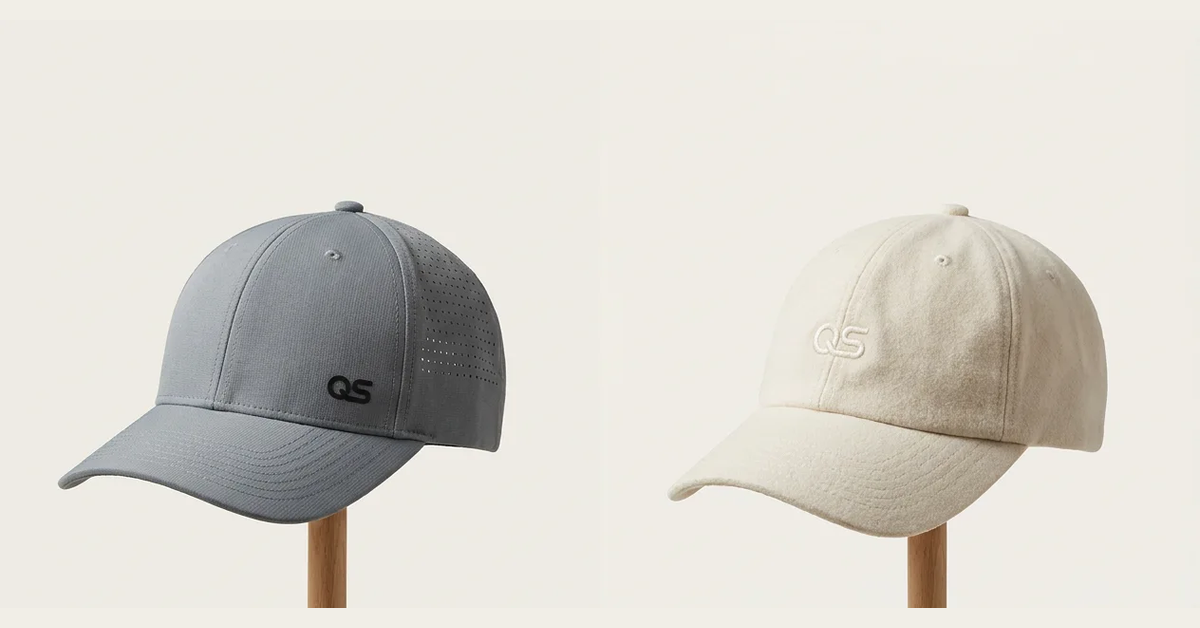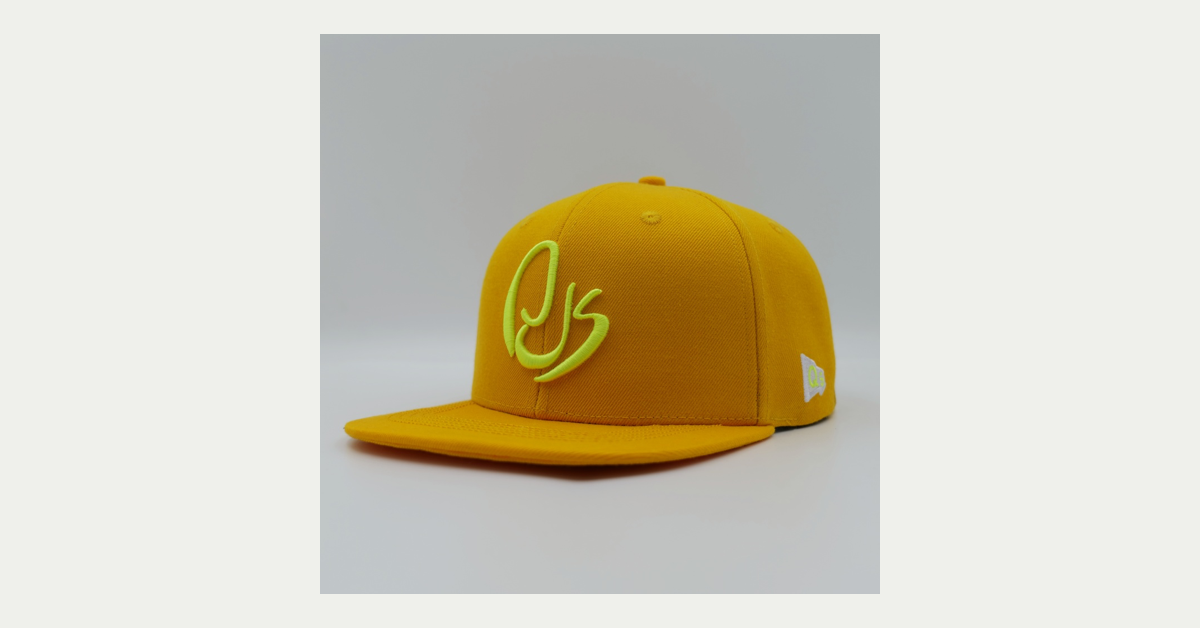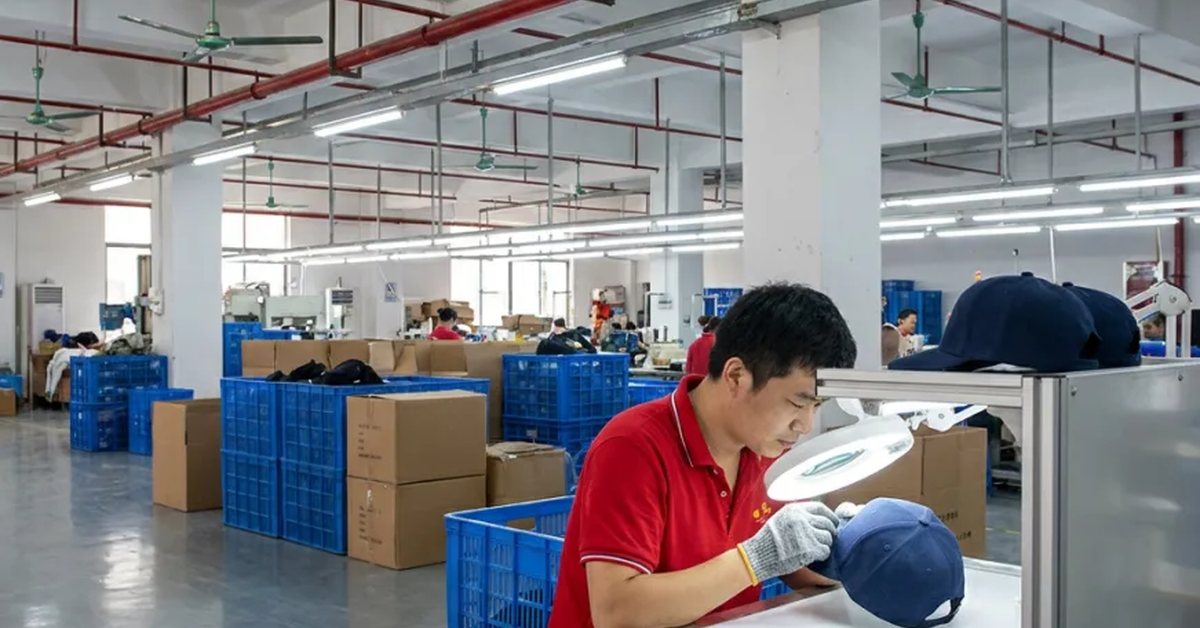


A custom baseball cap manufacturer should do more than reproduce a logo on a stock cap. The factory needs to control crown shape, panel construction, brim, closure, materials, decoration, private labels, packing and repeatability. Buyers get better results when they compare the complete production system instead of choosing from a low unit price or a single catalogue photograph.
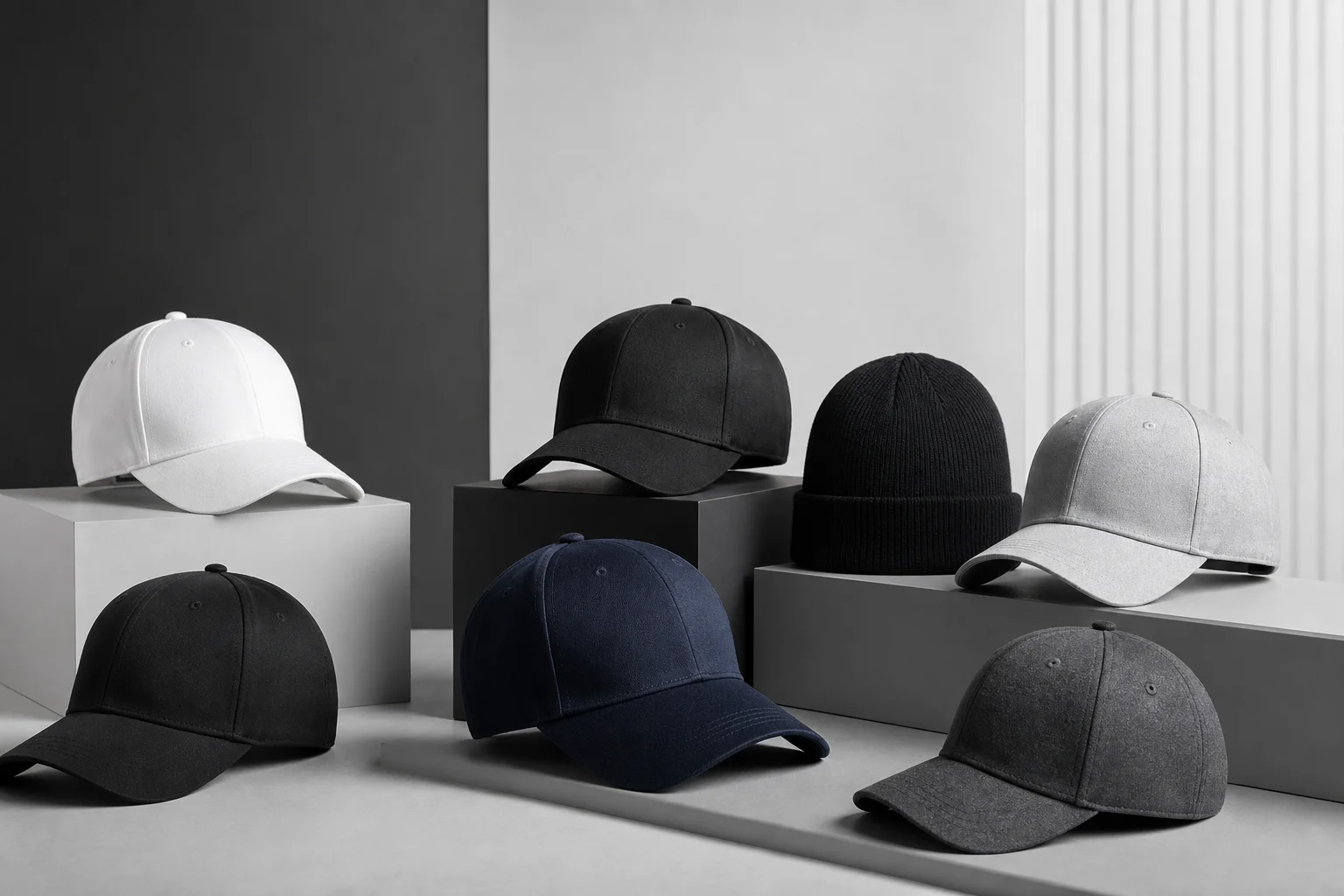
This guide is written for clothing brands, retailers, promotional distributors, sports programs and e-commerce teams. It explains what to ask during sourcing, how to evaluate a sample and how to turn a creative reference into a repeatable production specification.
What a Baseball Cap Factory Must Control
A baseball cap is a small product with many visible and hidden variables. Panel height changes the crown profile; interlining changes firmness; brim length changes the look and shade; closure placement affects fit; and seam allowance influences comfort. A capable supplier should be able to discuss these decisions clearly and show how they will be recorded for bulk production.
| Component | Buyer decisions | Evidence to request |
|---|---|---|
| Crown | Panel count, height, structure and ventilation | Measurement sheet and approved sample |
| Brim | Length, curve, core and finish | Profile photos and tolerance |
| Closure | Metal buckle, snap, hook-and-loop or fitted sizing | Hardware sample and adjustment range |
| Decoration | Embroidery, patch, print or mixed methods | Artwork proof and placement dimensions |
| Branding | Labels, sweatband, hangtags and packaging | Private-label component list |
Define the Cap Profile Before You Compare Quotes
Words such as low profile, high crown, unstructured or performance cap are useful starting points, but they are not complete specifications. Add front-panel height, side-panel shape, brim projection, closure position and the intended head circumference range. A factory can then build or select the correct pattern instead of guessing from a lifestyle photograph.
Ask whether the reference is a stock block or a new pattern. Stock blocks may reduce development time, while a new pattern can better match a brand's distinctive fit. Either route is valid when the choice is documented and the approved sample becomes the production reference.
Choose Materials for the Wearing Environment
Cotton twill gives a familiar hand feel and works for many lifestyle programs. Polyester, recycled polyester, mesh and blended fabrics can suit outdoor or sport applications when ventilation, drying or abrasion performance matters. Wool blends, corduroy and suede-look fabrics create a different seasonal or premium position. The right material depends on use, care, color, decoration and target price.
Confirm fabric weight, composition, finish, color standard and availability. If a custom dye is required, ask about lab-dip approval, minimum material quantity and shade tolerance. A material substitution should never be made silently because it can change fit, color, stitch appearance and care instructions.
Match Decoration to the Artwork and Fabric
Flat embroidery works well for clean logos and fine lettering when the artwork is digitized correctly. Three-dimensional puff embroidery adds height but needs suitable line weights and clearance. Woven, leather, PVC and felt patches create different tactile effects. Screen printing, heat transfer and sublimation may be more appropriate for large graphics or all-over artwork.
Request a digital proof that shows the finished size, stitch direction, thread colors and position from the seams. The proof should be approved before the sample is made. If a logo contains very small text, ask the factory to flag legibility risk rather than promising that every detail will reproduce exactly.
Evaluate a Sample Like a Product Developer
- Measure crown height, front width, brim length and closure position.
- Check symmetry from front, side and top views.
- Inspect seam tension, thread trimming, eyelets and sweatband attachment.
- Compare decoration size, density, color and placement with the approved artwork.
- Wear-test the adjustment range, comfort and brim visibility.
- Review label, hangtag, bag, carton and barcode requirements.
Record the result in a sample approval sheet. Mark critical dimensions and acceptable tolerances, identify any approved deviation and assign one final version number. This gives the custom baseball cap manufacturer a clear reference for cutting, sewing, decoration and final inspection.
Ask How Quality Control Works in Bulk
Quality should be checked at more than the final carton. Ask how incoming fabric and trims are inspected, how the pre-production sample is released, how decoration is checked, how measurements are sampled and how defects are contained. QSHeadwear describes material checks, pre-production approval, in-line monitoring, workmanship and measurement checks, final AQL 2.5 inspection and packing checks. Confirm the exact inspection plan for your order.
Ask for the defect classification and corrective-action process. A written response should explain how a rejected batch is isolated, who approves rework and when reinspection occurs. These details are more useful than a general statement that the factory has high quality.
Compare MOQ, Capacity and Lead Time Together
A low MOQ can be attractive for a launch, but quantity alone does not prove fit. Review MOQ per style, color, material, decoration and label. Also ask whether the factory can reserve capacity for a repeat order and whether special components need to be purchased in larger lots.
QSHeadwear states that physical samples are typically completed in 3-5 business days once requirements are aligned, while bulk production is commonly around 15-20 days and orders above 5,000 pieces around 25-30 days, subject to complexity and confirmation. Treat these as planning references, then request a project-specific calendar.
Review the Quote on a Landed-Cost Basis
Make sure every supplier prices the same structure, fabric, decoration, labels, packaging and quantity split. Separate sample fees, digitizing, tooling, inspection, carton charges, inland transport, freight, duties and destination charges. Compare the same Incoterm and destination. A higher unit price may produce a lower landed cost if the specification is more complete or defect risk is lower.
Ask how unused custom labels, fabric or packaging will be handled. Clarify payment milestones, quote validity, change charges and responsibility for approved defects before approving a purchase order.
Use a Shortlist and a Controlled RFQ
Send two to four shortlisted factories the same technical brief, artwork, quantity matrix, destination and target date. Score the response for technical questions, completeness, assumptions, sample plan, quality evidence, communication and commercial clarity. Remove candidates that fail a critical requirement even if they offer the lowest price.
A transparent custom baseball cap manufacturer should be comfortable explaining what is included, what remains uncertain and which decisions control the schedule.
Score a Factory Before You Commit
Use a short scorecard with separate weights for technical fit, sample workmanship, decoration control, quality evidence, capacity, communication, commercial clarity and delivery risk. Define high, medium and low scores before reviewing suppliers. A factory that asks useful questions about fit and tolerances should score differently from one that only repeats a price.
Keep the quote version, sample version, approved artwork, measurement sheet and open risks together. Ask every finalist to confirm the same assumptions in writing. A custom baseball cap manufacturer should identify which decisions are fixed, which can use stock options and which will change cost or timing.
Control Changes After Sample Approval
Late changes to crown height, fabric, brim, logo size, closure, labels or carton packing can affect several operations at once. Use a change log with request date, reason, approver, cost impact, production impact and new milestone dates. Do not rely on a chat message as the only record.
Before bulk release, confirm the final specification, artwork, color references, approved sample, inspection plan and packing instruction. This gives product, quality, purchasing and logistics teams one shared version of the order.
Review the First Order After Delivery
Measure actual results against the plan: sample rounds, approval waiting time, material readiness, production milestones, defect rate, packing accuracy, transit and receipt date. Classify problems as buyer input, supplier process, material, quality, carrier or customs issues. Update the scorecard before the next reorder.
A repeatable review helps a brand decide whether to expand colorways, simplify a component, adjust inspection or reserve capacity earlier.
Set a First-Order Governance Plan
Name one owner for artwork, one for sample approval, one for quality decisions and one for shipping. Agree on the reporting rhythm, response window, change-control format and escalation contact before materials are released. This prevents a production question from waiting in several inboxes while the calendar continues to run.
For a launch with a fixed event date, define the last acceptable ship date and the decision points that would trigger a quantity split, freight change or campaign adjustment. A good custom baseball cap manufacturer can work with those gates because the assumptions are visible to both sides.
Share the approved calendar with marketing, sales and warehouse teams so customer promises use the same dates as the factory plan.
Keep a named owner for any change that affects fit, decoration, packing or the required receipt date.
Why Buyers Review QSHeadwear
QSHeadwear presents Dongguan Qisheng Cap & Bag Co., Ltd. as a custom headwear factory with 15+ years of experience, 100+ staff and a 4,000+ square meter production area. Review the product center for cap styles and the OEM/ODM process for development, decoration, quality and packing steps.
Send style references, artwork, quantity by color, labels, packaging, destination and required date through the contact page to request a sample and comparable quotation.
FAQ About Custom Baseball Cap Manufacturer
1. What should I send for a baseball cap quotation?
Send the cap profile, measurements, fabric, artwork, decoration, quantity by color, labels, packaging, destination and target date.
2. Can a factory copy a cap from a photograph?
A photo helps with direction, but a technical brief and approved sample are needed for repeatable production.
3. Which fabric is best for custom baseball caps?
It depends on fit, season, use, decoration, care and target price. Cotton, polyester, blends, mesh and premium fabrics serve different needs.
4. How should I approve embroidery?
Approve a proof showing finished dimensions, thread colors, density, placement and any small-detail limitations.
5. Does MOQ apply per color?
Often it can. Ask for MOQ by style, color, material, artwork and private-label component.
6. How long does a custom cap sample take?
QSHeadwear states typical physical samples take 3-5 business days after requirements are aligned, subject to complexity.
7. What quality records should I request?
Ask for sample approval, inspection criteria, measurement checks, defect classification and corrective-action handling.
8. Is a stock cap block better than a new pattern?
A stock block may shorten development; a new pattern may deliver a more distinctive fit. Document the selected route.
9. Should packaging be approved with the sample?
Yes. Confirm bags, labels, barcodes, carton marks and pack-out after the product dimensions are approved.
10. How do I start an OEM baseball cap project?
Submit a structured brief through QSHeadwear's contact page with artwork, quantities, materials, packing and delivery assumptions.