

Custom cap production lead time is the elapsed time between a controlled production release and finished goods, plus any shipping time needed to reach the buyer. It is not simply the number of days spent sewing. Material purchasing, decoration setup, production scheduling, inspection, packing and approvals all influence the calendar.
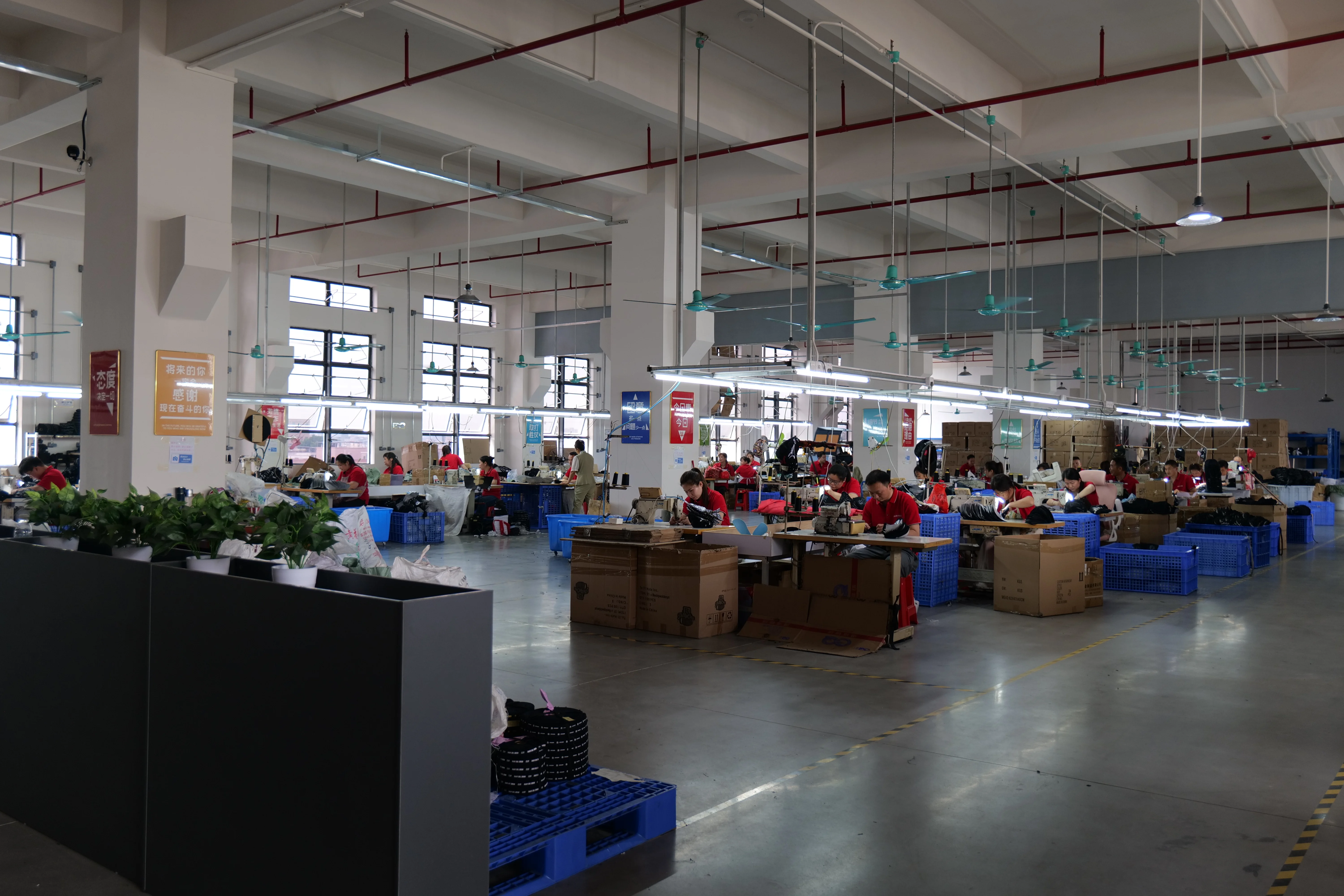
This guide helps sourcing teams build a schedule that reflects real dependencies and protects a launch date without forcing uncontrolled shortcuts.
Production Calendar at a Glance
| Phase | Release requirement | Main schedule risk |
|---|---|---|
| Order confirmation | PO, deposit and final specification | Unresolved commercial terms |
| Materials and trims | Approved fabric, color and components | Supplier minimums or custom development |
| Decoration | Approved artwork and placement | Digitizing, screens or color matching |
| Cutting and sewing | Material release and production slot | Changeovers and capacity |
| Finishing and QC | Approved workmanship criteria | Rework or inspection failure |
| Packing and dispatch | Approved pack-out and shipping marks | Carton changes or booking availability |
Define the Production Start Point
A factory cannot safely release bulk production while fabric, artwork, labels or measurements remain open. The production start should be tied to a checklist: purchase order, payment condition, approved pre-production sample, final specification, artwork files, packaging instructions and delivery terms.
Record the release date and the revision numbers used. If the buyer changes an approved item later, the schedule should be recalculated from the affected operation.
Material Procurement Can Set the Critical Path
Stock fabric and standard components may be available quickly. Custom colors, special finishes, certified materials, branded closures, woven labels and printed packaging can require separate supplier lead times. Several components may arrive on different dates.
Ask for a material readiness plan. Identify substitutions that are acceptable and components that cannot change. Do not assume a fabric shown during sampling remains available until the bulk order is placed.
Decoration Must Be Scheduled Before Assembly
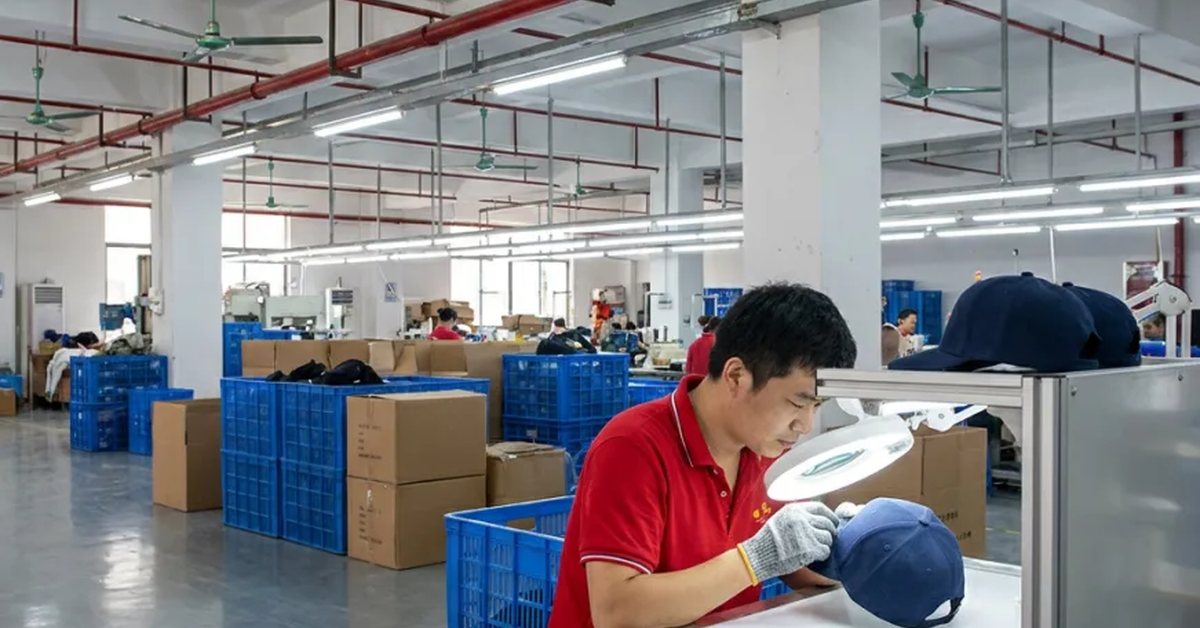
Cap panels are often embroidered or printed before they are sewn into the final shape. Decoration therefore depends on cutting and approved artwork, and sewing depends on decorated panels being released. Rejected embroidery can interrupt the line.
Lock logo dimensions, placement, colors and files before bulk setup. Approve a strike-off or first production piece when required. Multiple placements or artwork versions add setup and handling.
Order Complexity Affects Line Efficiency
Large runs of one stable specification are easier to schedule than the same total quantity divided across many colors, sizes, closures and logo versions. Each configuration requires material control, machine settings, work instructions and packing identification.
Group compatible variants where practical and issue a clear SKU matrix. The custom cap production lead time should be assessed at the SKU level, not only by total pieces.
Quality Control Is Part of the Schedule
Incoming material checks, first-piece approval, inline inspection, measurement review, appearance inspection and final sampling need planned time. If defects are found, containment, root-cause review and rework also take time.
Agree critical defects and tolerances before production. ISO 2859-1 provides a recognized framework for acceptance sampling by attributes, while the order still needs product-specific inspection criteria.
Packaging Cannot Be Left Until the Final Day
Labels, barcodes, hangtags, bags, inserts, carton marks and packing lists must match the SKU plan. Packaging dimensions should be tested with real hats to prevent crushing or excess freight volume. Retail and e-commerce programs may require specific barcode positions or inner-pack quantities.
Approve the pack-out before finishing begins. A late barcode or carton change can hold completed goods.
How Quantity Influences Production Time
More pieces require more machine and labor hours, but production time is not always proportional. Efficient runs can move faster per unit once setup is complete. Very small, highly varied orders can consume disproportionate setup time.
QSHeadwear describes typical bulk production of approximately 15-20 days, with orders above 5,000 pieces approximately 25-30 days, subject to the actual style, materials, quantity and approval status. Confirm a project schedule in writing.
Build the Calendar Backward From the Required Date
- Set the required warehouse or event date.
- Add destination receiving and contingency time.
- Add international and domestic transport.
- Add export booking and documentation.
- Add packing, final inspection and corrective-action buffer.
- Add production, decoration and material procurement.
- Add sample approval and commercial confirmation.
This backward plan exposes whether the request is feasible before commitments are made.
Freight Time Is Not Factory Lead Time
Express courier, air freight, sea freight and DDP services have different transit, booking and customs requirements. A finished-goods date is not the same as delivery. Peak seasons, port congestion, weather and customs review can affect transit.
State whether the target date means ex-factory, port departure, customs clearance or buyer receipt. Compare schedules under the same trade term.
Use Milestones Instead of One Final Date
- Specification and sample approval
- Material purchase release
- Material ready
- Decoration setup approval
- Cutting and sewing start
- Inline inspection
- Bulk completion
- Final inspection and packing
- Freight booking and dispatch
Weekly milestone reporting identifies delay early enough to respond. A single final date hides where the risk is accumulating.
Changes After Approval Need Schedule Control
Classify every change by affected materials, operations, cost and time. A label text update may hold packing; a crown-height change can restart pattern, cutting and decoration. Do not approve changes only in informal messages.
Issue a revised specification and obtain written confirmation of the new price and date. This protects both parties from silent schedule drift.
Use a Backward Planning Example
Suppose stock must reach a distribution center before a fixed campaign date. Reserve receiving and warehouse processing time first. Work backward through customs, international transport, origin handling, final inspection, packing and factory production. Place sample approval and material release before that window, then add decision buffer around artwork, color and packaging approvals.
The calendar may reveal that the purchase order must be confirmed earlier than expected. The buyer can then change freight mode, simplify the product, reduce launch quantity or move the campaign while options still exist. A plan based only on sewing time discovers the conflict too late.
Track Weekly Production Status With Evidence
A concise weekly report should compare planned and actual progress for materials, cutting, decoration, sewing, finishing, inspection and packing. Ask for quantities completed and accepted, rather than a vague percentage. Use dated photographs or inspection records when they add clarity. Assign an owner and due date to every open decision.
Reporting should flag variance early. If embroidery approval or fabric arrival is late, calculate which downstream milestones move and whether recovery is realistic. Compressing inspection just to preserve a promised ship date transfers schedule risk into product risk.
Review Lead-Time Performance After Delivery
Compare the baseline with actual milestone dates and classify each delay: buyer approval, supplier planning, material availability, quality correction, carrier capacity or customs. Record whether the required delivery date moved and whether communication provided enough warning.
Over several orders, actual data provides a stronger basis for planning custom cap production lead time than a generic estimate. It also shows when a repeat style can use approved materials and artwork to shorten development without skipping controls.
For seasonal programs, compare results by month as well as by supplier. Material markets, holiday closures and carrier availability can create recurring pressure. Early ordering is often more reliable than asking every downstream operation to accelerate.
Share the reviewed calendar with marketing and sales teams so campaign promises reflect the same approved dates used by production and logistics.
Agree on an escalation rule before production begins. A missed critical milestone should trigger a written recovery plan showing the cause, affected operations, revised dates, responsible owner and next update. Buyers can then make informed delivery decisions before the remaining buffer disappears.
Plan Production With QSHeadwear
QSHeadwear supports design review, sampling, material planning, decoration, production, quality control and global delivery. See the OEM/ODM workflow, review headwear options and submit your order assumptions through the contact page.
For an accurate custom cap production lead time, send the approved style, quantity by SKU, packaging, destination and required receipt date.
FAQ About Custom Cap Production Lead Time
1. How long does bulk custom cap production take?
QSHeadwear describes typical bulk production of about 15-20 days and orders above 5,000 pieces about 25-30 days, subject to project details.
2. Does lead time include shipping?
Not unless the quote explicitly states a delivered date. Factory and transit time should be shown separately.
3. When does production lead time begin?
After commercial terms, specification, sample, artwork and required materials are released for production.
4. Do more colors increase production time?
They can, because each color may require separate material control, setup and packing.
5. Can a rush order skip the sample?
Skipping approval increases risk. A controlled sample or first-piece approval should be maintained.
6. What can delay material procurement?
Custom colors, certified fabrics, branded components, supplier minimums and late approval can all delay readiness.
7. Why does quality control need schedule time?
Inspection may reveal issues that need containment, correction and reinspection before shipment.
8. Can packaging delay finished hats?
Yes. Missing barcodes, labels, bags or carton instructions can hold completed goods.
9. How should production progress be reported?
Use dated milestones for materials, decoration, sewing, inspection, packing and dispatch.
10. What information is needed for a production calendar?
Provide the approved style, quantities, SKU split, packaging, destination, trade term and required date.