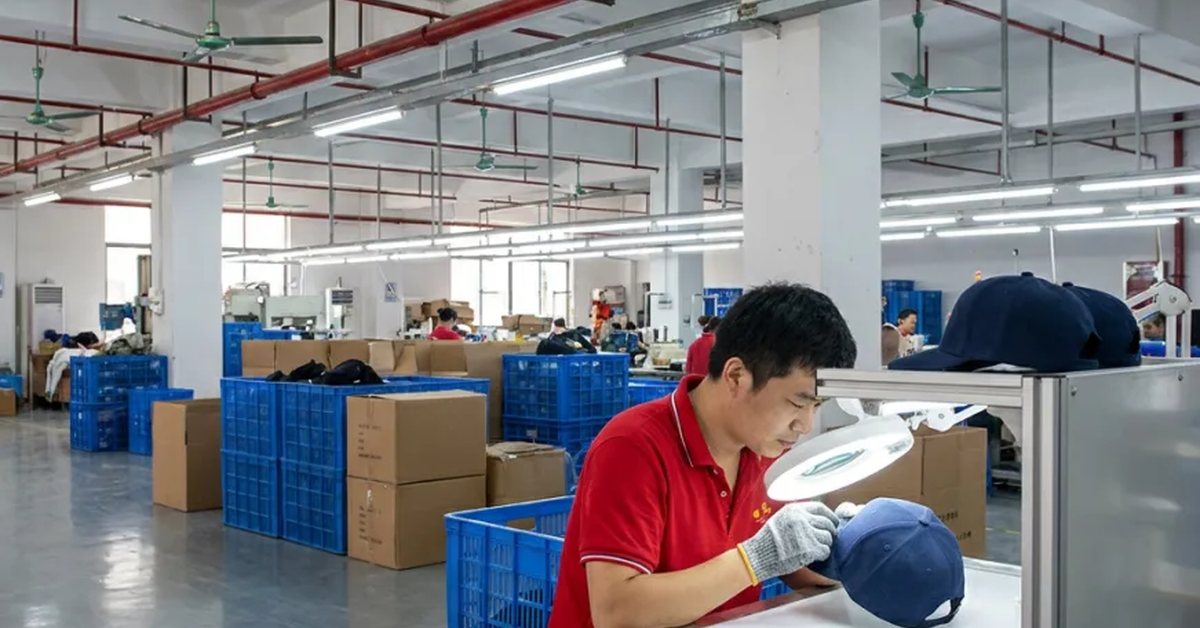


Custom cap quality control is a chain of prevention, verification and records. It starts before fabric is cut, continues during decoration and sewing, and ends only after finished caps and packaging have been checked against an approved standard. A final random inspection alone cannot reliably correct a repeated production error.
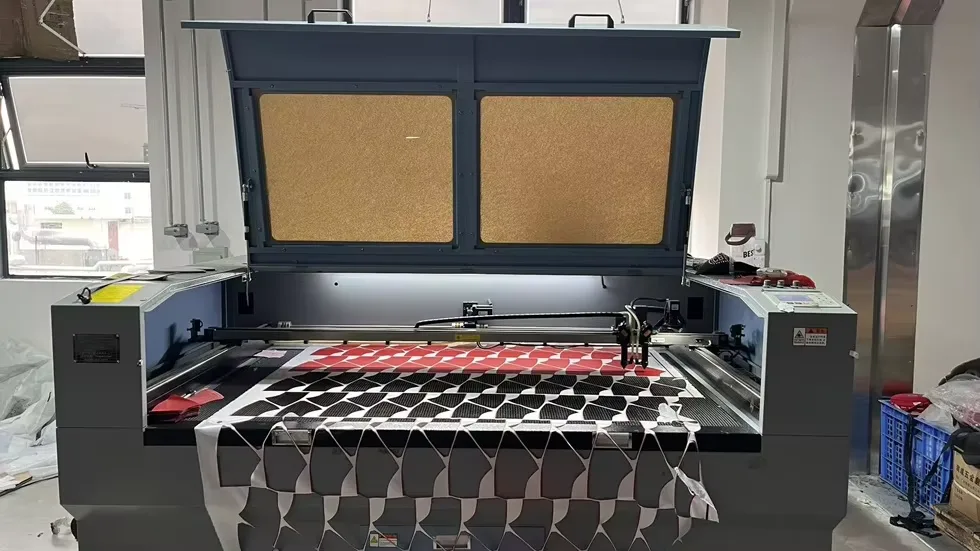
This guide helps apparel brands, retailers, distributors and promotional buyers define what to inspect, when to inspect it and how to make acceptance criteria objective.
Build Quality Into the Specification
Quality cannot be separated from product definition. If the purchase order says only "black cotton cap with embroidered logo," inspectors have no objective basis for crown height, fabric quality, black shade, logo dimensions, stitch density, closure strength or packing method. Defining the cap structure first helps; our comparison of cap styles sets out how crown and brim choices shape those tolerances.
A useful quality standard includes:
- approved physical sample and dated specification;
- material and color references;
- measurement points and tolerances;
- artwork size, position and thread or print colors;
- construction and workmanship requirements;
- label, hangtag and packaging details;
- defect classes and inspection plan.
Seven Stages of Custom Cap Quality Control
| Stage | What is checked | Why it matters |
|---|---|---|
| 1. Incoming materials | Fabric, thread, trims, labels and packing | Prevents wrong inputs entering production |
| 2. Approved sample | Fit, structure, logo and finish | Creates one visible benchmark |
| 3. First-off decoration | Placement, size, color and density | Stops repeated logo errors early |
| 4. In-line sewing | Alignment, seam and assembly | Finds process drift during production |
| 5. Finishing | Shape, loose threads and cleanliness | Protects retail appearance |
| 6. Final sampling | Random finished units and defects | Supports lot acceptance decision |
| 7. Packaging | Labels, bags, quantities and cartons | Protects delivery and inventory accuracy |
Stage 1: Raw Material and Component Inspection
Check fabric identity, composition where specified, weight or reference quality, shade consistency, visible defects and width. Thread, eyelets, closures, buckles, snaps, sweatbands and labels should match approved samples or codes. Packaging materials must also be present before the line approaches completion.
Shade variation is easier to control when lots remain separated and traceable. If mixed lots are necessary, obtain buyer approval and define how they can be distributed across units or cartons.
Stage 2: Pre-Production Sample Approval
The approved sample is the physical benchmark for the order. Buyer and factory should identify it with style, color, revision and approval date. It must agree with the written specification; when the two conflict, the parties should resolve the conflict before production.
Record fit, crown shape, brim curve, dimensions, fabric, logo, seam construction, closure, labels and packing. Photographs are useful, but they do not replace measurements or a retained sample.
Stage 3: Embroidery, Patch and Print Checks
A custom embroidery caps manufacturer should inspect digitizing and first-off output before running the full quantity. For flat embroidery, check fine details, edge definition, thread tension, coverage and puckering. For a 3D puff embroidery hats manufacturer, also check foam height, clean edges, corner closure and whether the design remains stable on the curved crown.
For patches, inspect material, dimensions, border, attachment and position. For screen print, heat transfer or sublimation, verify color, registration, curing or bonding, surface effect and compatibility with the fabric.
Stage 4: In-Line Sewing and Assembly Checks
In-line review checks work while correction is still practical. Inspect panel symmetry, seam allowance, stitch continuity, skipped stitches, brim attachment, sweatband alignment, closure placement, eyelets and top button security.
QSHeadwear states that inspectors perform production checks at intervals, including review of stitching alignment, embroidery density and panel symmetry. The interval and sample quantity should match order risk and process stability.
Stage 5: Shape, Size and Finishing Inspection
Measure the defined points using consistent tools and methods. Do not compress a flexible cap differently from one unit to the next. Check head circumference or fit range, crown height, brim length and width, logo position and any buyer-specific dimensions.
Finished caps should be pressed or steam-shaped as specified, then checked for crown stability, brim form, loose threads, stains, needle damage, glue marks, odor and foreign matter. The interior deserves the same attention as the front logo.
Stage 6: Final AQL Inspection
QSHeadwear presents a final inspection based on AQL 2.5. ISO 2859-1:2026 defines acceptance sampling schemes indexed by Acceptance Quality Limit for lot-by-lot inspection. The standard uses sample-based decisions rather than requiring every piece to be inspected.
AQL must be used with an agreed inspection level, lot size, sampling plan and defect classification. It should not be described as "2.5% defective products are allowed" without context. Review the official ISO 2859-1:2026 overview and set project-specific criteria with your quality team.
Major, Minor and Critical Defects
| Class | Practical definition | Headwear example |
|---|---|---|
| Critical | Potential safety, legal or serious compliance issue | Hazardous sharp component or prohibited material |
| Major | Likely to cause rejection, failure or material brand damage | Wrong logo, severe shade mismatch, broken closure |
| Minor | Departure that does not materially impair normal use | Small removable thread or slight cosmetic inconsistency |
These are examples, not automatic classifications. Buyers should define product-specific defects, photographs and limits before inspection.
Stage 7: Packaging and Quantity Verification
Inspect individual bags, size stickers, barcodes, hangtags, inner packs, carton quantity and carton marks. Confirm that the pack protects crown and brim shape through the chosen delivery route. Count pieces by SKU and compare them with the packing list.
ISO 780:2015 provides standardized graphical symbols for handling and storage instructions on distribution packages. Apply only relevant symbols and coordinate any carrier or destination-specific marks.
Measurement and Workmanship Checklist
- Correct style, color, quantity and SKU.
- Fabric and trims match approved references.
- Measurements fall within written tolerances.
- Panels and seams are symmetrical.
- Embroidery or print matches artwork and approved sample.
- Brim shape, crown form and closure function are consistent.
- Internal labels and care information are correct.
- Caps are clean, finished and retail-ready.
- Packaging and carton marks match instructions.
Quality Reporting That Supports a Commercial Decision
A useful report identifies the purchase order, style, color, lot size, sample size, inspection date and approved reference. It includes measurements, defect counts, photographs and the final disposition. For custom cap quality control, photographs should show both the defect and its location on the cap, while measurement records should show the specified tolerance.
Reports should separate facts from decisions. The inspector records what was found; the authorized buyer and supplier decide whether to rework, replace, accept under concession or reject. This distinction keeps accountability clear.
Corrective Action When Inspection Finds a Problem
Do not respond to a failed inspection with only sorting. First contain affected units and identify whether the issue is isolated or systematic. Record the defect, quantity, production stage and likely cause. Then agree rework, replacement, concession or rejection and verify the corrected goods.
For repeat programs, retain the lesson in the specification or control plan. A corrective action that is not connected to the next order is only a temporary repair.
How Buyers Can Reduce Quality Risk
- Send complete, version-controlled specifications.
- Approve a representative physical sample.
- Define tolerances and defect classes before production.
- Require first-off approval for critical decoration.
- Use in-line checks for new or complex processes.
- Make final inspection scope part of the purchase agreement.
- Keep inspection reports and approved records for reorders.
The same custom cap quality control checklist should be available to product development, production and final inspection teams. When each stage uses a different interpretation, defects are discovered late and arguments replace evidence.
QSHeadwear Quality and Production Capability
QSHeadwear shows a workflow covering raw material inspection, pre-production approval, in-line monitoring, embroidery and stitching review, shape and size inspection, AQL 2.5 final inspection and packaging checks. The company reports 15+ years of experience, 100+ skilled workers, 30+ embroidery machines and 120,000-150,000 pieces of monthly capacity.
Capacity numbers do not replace an order-specific quality plan. Send the team your product standard, artwork, defect requirements and delivery market through the contact page so the inspection scope can be reviewed before quotation.
FAQ About Custom Cap Quality Control
1. When should quality control begin?
It begins with the specification and incoming materials, before bulk cutting or decoration starts.
2. Is a final inspection enough?
No. Final inspection can identify problems but is less effective at preventing a repeated error than first-off and in-line checks.
3. What is an approved sample?
It is the buyer-accepted physical benchmark, identified by style, color, revision and date, used with the written specification.
4. What should be checked on embroidery?
Check artwork accuracy, dimensions, position, thread colors, density, tension, edge definition, backing and fabric distortion.
5. What is AQL 2.5?
It is an index used in an agreed acceptance sampling plan; it does not by itself define the whole inspection.
6. Does AQL mean every cap is inspected?
No. AQL plans use a sample from a defined lot to support an acceptance or rejection decision.
7. Who defines major and minor defects?
The buyer and supplier should agree product-specific definitions before inspection.
8. How are cap measurements checked?
Use defined measurement points, consistent tools and written tolerances, with the cap prepared in the same way each time.
9. What happens if a final inspection fails?
Contain the lot, determine scope and cause, agree corrective action, then reinspect corrected goods.
10. What quality documents should buyers keep?
Keep specifications, sample approval, material references, inspection reports, corrective actions and packaging records.