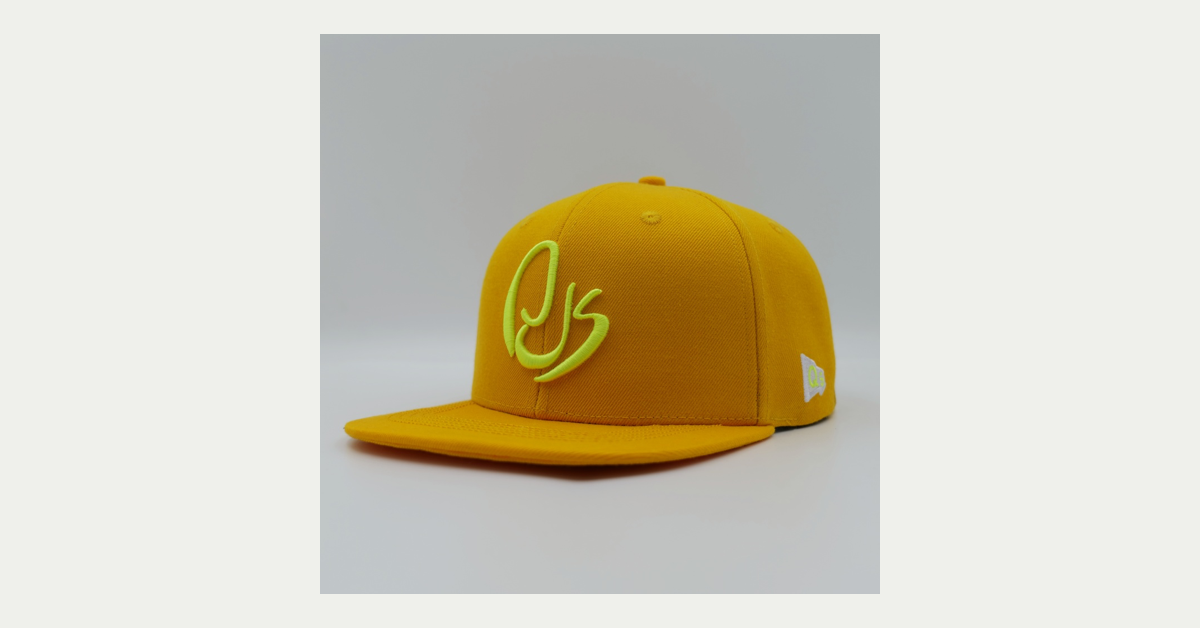


A custom corduroy caps manufacturer must manage a fabric whose raised ribs affect texture, color, cutting direction, seam bulk and decoration. Two corduroys described with the same composition can produce noticeably different caps because wale count, pile height, weight, softness and finishing change the silhouette. Buyers should approve the actual fabric lot and a physical cap.
This guide is for fashion, streetwear, lifestyle, collegiate and seasonal merchandise programs using corduroy as a visible part of the product story.
Corduroy Cap Sourcing: The Direct Answer
Specify wale count, composition, weight, pile, shade and nap direction before approving the cap pattern. Test how the fabric shapes the crown and accepts embroidery or patches. Set rules for cutting orientation, shade variation, brushing and packing, then retain a swatch and approved sample for reorders.
Corduroy Specification Table
| Decision | Buyer specification | Evidence to approve |
|---|---|---|
| Wale | Ribs per inch and visual scale | Labeled swatch |
| Hand feel | Weight, pile height, softness and backing | Physical material approval |
| Direction | Nap and wale orientation by panel | Cutting diagram |
| Fit | Crown structure, seams, brim and closure | Wear sample |
| Decoration | Method, density, backing and placement | Finished-size proof |
| Bulk | Shade, brushing, cleanliness and packing | Inspection standard |
Choose Wale Count for the Intended Look
Wide-wale corduroy has prominent ribs and a strong retro or workwear character. Fine-wale corduroy appears quieter and may support smaller products or more detailed styling. Ask for the actual ribs-per-inch reference rather than relying only on “fine” or “wide.” View the swatch from a normal wearing distance and under directional light.
Record Composition, Weight and Pile
Cotton, blends and stretch constructions can feel and sew differently. Record composition, usable width, weight, pile height, backing and finish. A heavy fabric may create a bulky seam intersection; a soft lightweight fabric can need structure to hold a high crown. The cap pattern and support should be chosen after material approval.
Control Nap and Cutting Direction
Corduroy changes shade when the pile runs in a different direction. Define the wale and nap orientation for front, side, rear and brim components. A single reversed panel can look like a different color even when cut from the same roll. Include a cutting diagram and inspect the assembled cap under light from several angles.
Adapt Crown Construction to Seam Bulk
Panel count, seam allowance, lining and front support affect how corduroy folds and where bulk accumulates. A relaxed dad hat, structured baseball cap and five-panel style may require different weights or internal support. Ask the custom corduroy caps manufacturer to show the inside seam finish and check comfort at the forehead and crown intersections.
Select Decoration That Respects the Ribs
Embroidery can bridge the wale texture, but stitch density and backing must prevent the logo from sinking or puckering. Woven, leather or PVC patches create a separate surface and can improve legibility. Print and transfer require a compatibility test. Approve artwork at finished size and inspect it from front and side while worn.
Review a Corduroy Sample Under Directional Light
- Confirm wale count, pile and hand feel against the swatch.
- Check every panel for consistent nap direction.
- Inspect shade from front, side and back under the same light.
- Measure crown, brim, opening and closure.
- Review decoration for sinking, puckering or uneven edges.
- Check loose pile, lint and brushing before packing.
QSHeadwear states typical physical samples take 3-5 business days after requirements are aligned. Special fabric sourcing, custom dyeing or washing and repeated shade approval can extend the schedule.
Set Shade and Surface Expectations
Approve shade on an actual corduroy swatch with nap direction marked. Define whether minor pile variation is acceptable and how brushing or steam finishing should present the surface. If garment washing or distressing is used, approve a range rather than one isolated appearance and record the method for repeat production.
Plan MOQ Around Fabric Color
Available stock corduroy may support smaller runs, while custom dyeing can require a larger fabric minimum. Ask for MOQ by wale, composition, weight and color, then add decoration, label and packaging minimums. A seasonal range with many shades can be simplified by using one approved fabric construction across fewer commercially meaningful colors.
Define Corduroy Quality Control
Inspect wale and nap direction, shade, pile damage, panel symmetry, seam bulk, brim shape, measurements, closure, decoration, lint and packing. QSHeadwear describes incoming material checks, pre-production approval, in-line monitoring and final AQL 2.5 inspection. Request a corduroy-specific defect reference for the actual order.
Protect the Surface During Packing
Excess compression can flatten pile or leave marks around decoration and seams. Confirm brushing before packing, cap nesting, tissue or inserts where useful, bag material and carton pressure. Keep damp conditions away from the product and test whether dark corduroy sheds visible lint onto light labels or packaging.
Maintain Corduroy Consistency on Reorder
Retain the swatch with wale and nap marked, approved cap, supplier or article reference, color standard, cutting diagram, decoration file and inspection limits. Ask whether the original fabric lot is still available. If a new lot or supplier is proposed, approve a new swatch and compare it with the retained reference before bulk.
Request a Corduroy Cap Sample
Browse QSHeadwear products, review the OEM/ODM process and see the company profile. Send wale references, cap shape, color, artwork, quantity, finish and date through the contact page to consult a custom corduroy caps manufacturer.
FAQ About Custom Corduroy Caps
1. What does wale count mean in corduroy?
It describes the number and scale of raised ribs; wide wale looks bolder while fine wale creates a subtler texture.
2. Why does corduroy nap direction matter?
The pile reflects light differently by direction, so a reversed panel can appear to be a different shade.
3. Which cap styles work with corduroy?
Dad hats, baseball caps, five-panel caps, trucker-inspired shapes and other styles can work when fabric weight matches construction.
4. Can corduroy caps be embroidered?
Yes. Stitch density, backing and logo size should be sampled so the mark remains legible without puckering.
5. Can corduroy be custom dyed?
It may be possible, but custom color often carries fabric minimums and needs shade approval on the actual construction.
6. What affects corduroy cap MOQ?
Fabric availability, wale, color, wash, decoration, labels and packaging can each affect minimums.
7. How long does sampling take?
QSHeadwear states typical physical samples take 3-5 business days after alignment; fabric sourcing and shade approval add time.
8. What should QC inspect?
Check wale, nap, shade, pile damage, seams, fit, brim, closure, decoration, lint and packing.
9. How should corduroy caps be packed?
Avoid excessive compression, brush the surface, protect decoration and control moisture and lint transfer.
10. How can reorders match the original fabric?
Keep a marked swatch and approved cap and require a new approval if the fabric lot, article or supplier changes.