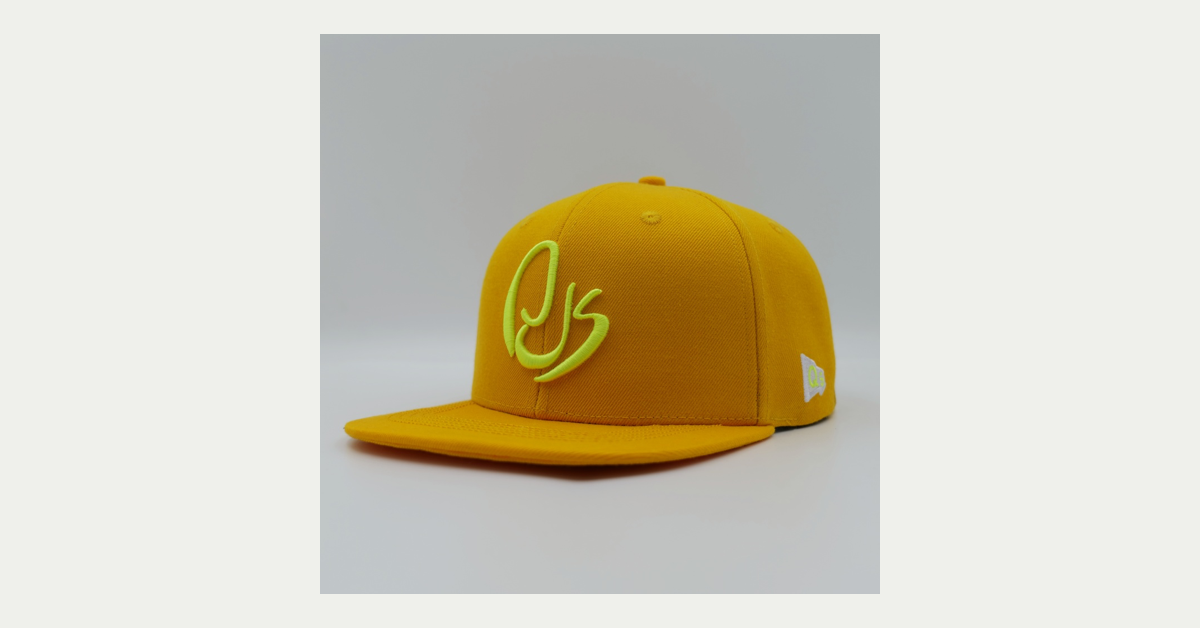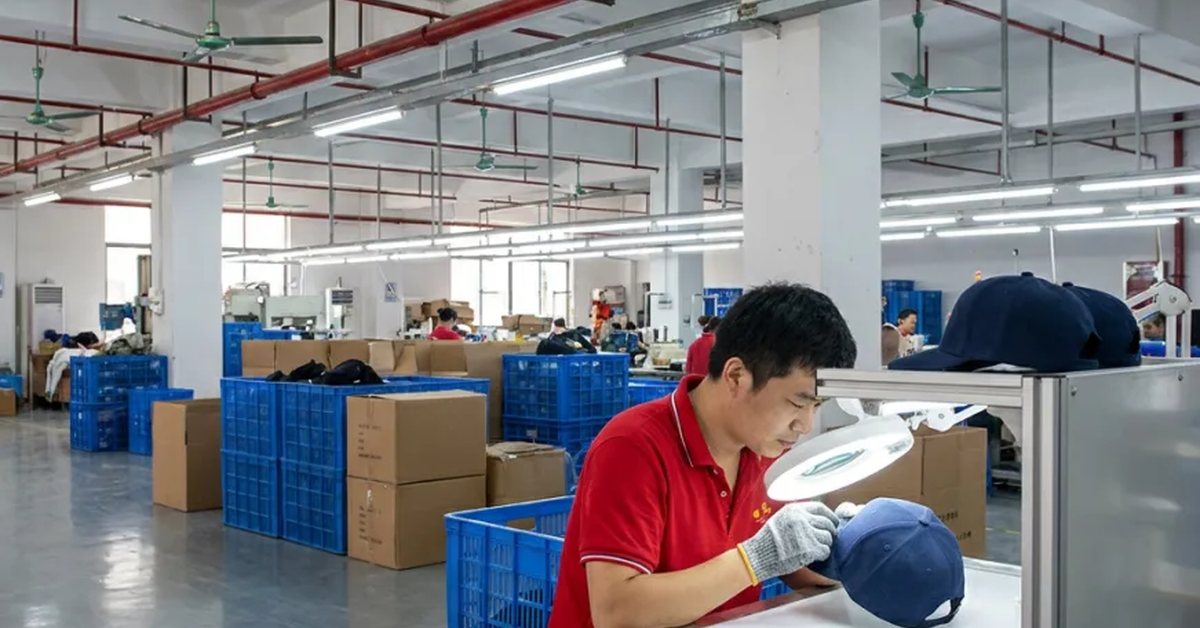


Custom event hats bulk orders are deadline projects. The event date cannot move because artwork is late, attendance changes or cartons are sorted incorrectly. Product selection matters, but schedule ownership, sponsor approval, allocation, delivery buffer and onsite distribution usually determine whether the program succeeds.
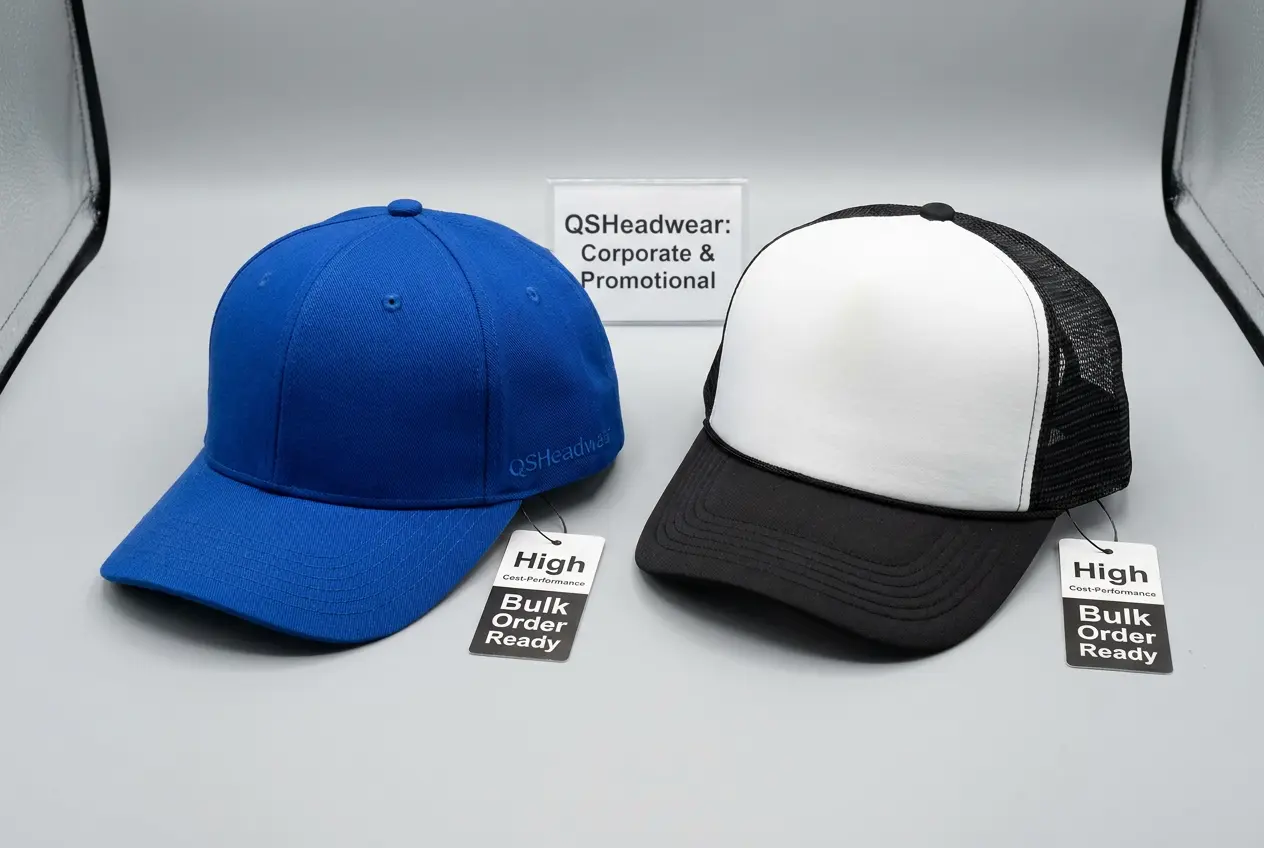
This playbook is for conferences, festivals, product launches, races, corporate meetings, community programs and branded experiences that need a controlled quantity of hats delivered to a fixed place and time.
The Direct Answer for Event Buyers
Freeze the event date, receipt location and distribution method first. Estimate attendance by recipient group, add a documented contingency quantity, then reduce unnecessary style and logo variation. Build the calendar backward through local sorting, freight, inspection, bulk production, sample approval and artwork freeze. Assign one approver for every logo and one owner for the final allocation file.
Reverse Calendar for Event Headwear
| Milestone | Buyer decision | Failure prevented |
|---|---|---|
| Event receipt | Where and when cartons must be accepted | Venue refusal or late local transfer |
| Local buffer | Time for counting, sorting and replacements | Opening cartons on event morning |
| Freight | Mode, customs responsibility and tracking | Schedule based on transit averages only |
| Final inspection | Acceptance criteria and shortage rule | Shipping mixed logos or damaged units |
| Bulk production | Frozen style, color, artwork and quantity | Late changes entering the line |
| Sample approval | Named approvers and response deadline | Unresolved comments and version conflict |
| Artwork freeze | Final files, dimensions and sponsor hierarchy | Rework after setup begins |
Separate Recipient Groups Before Estimating Quantity
List attendees, staff, speakers, sponsors, volunteers, VIP guests, media, retail buyers and contingency units separately. Each group may need a different logo, cap color, bag label or delivery point. A single attendance number hides these operational differences.
Use registration data, previous attendance and distribution policy to form the estimate. Record whether one person can receive more than one unit and who controls leftover stock.
Set a Custom Event Hats Bulk Quantity Buffer
A contingency quantity should cover defined risks such as late registrations, lost bags, staff additions, isolated defects and replacement requests. It should not be an unexplained percentage. Assign the buffer by the most flexible style and logo version, because a sponsor-specific unit may not work for another group.
For custom event hats bulk, extra evergreen units can support post-event gifts or ecommerce. Extra dated units may have little value after the event, so treat those quantities more conservatively.
Choose a Cap That Can Be Distributed Quickly
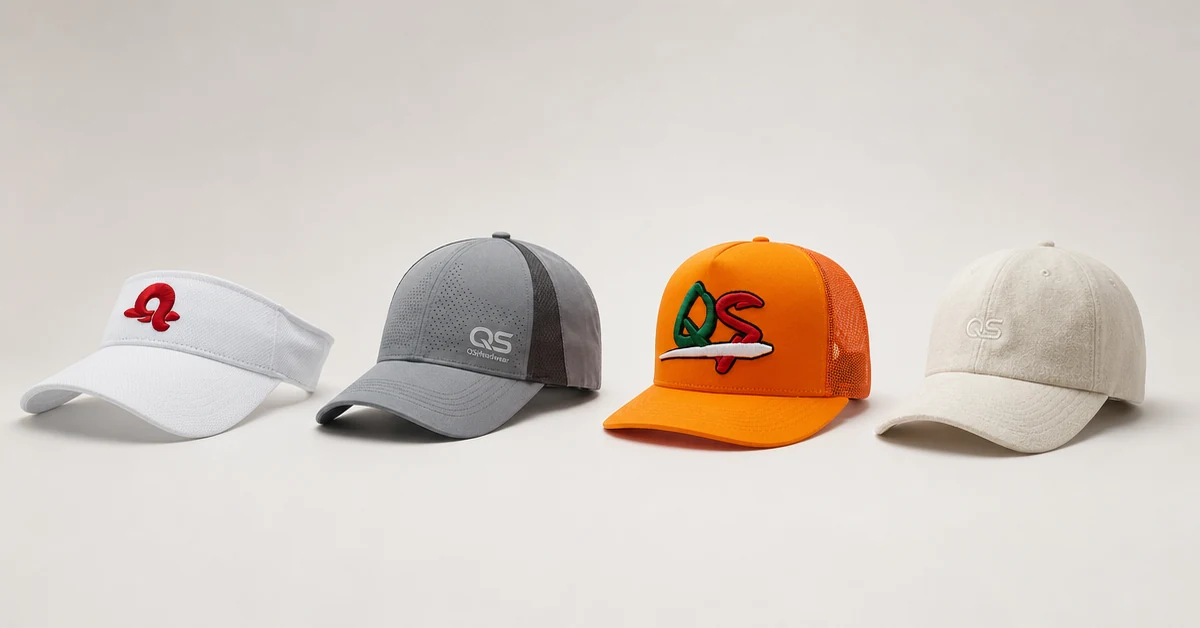
Adjustable baseball caps, dad hats, trucker caps and visors can fit broad recipient groups. Match the cap to climate, event setting and wearing duration. Define crown structure, brim shape, closure range, fabric and sweatband. If the event includes movement, sun or heat, conduct a representative wear test.
A complex premium cap can be appropriate for VIP or retail use, while a simpler platform may be better for high-volume general distribution. Separate the programs instead of compromising both.
Control Sponsor and Partner Artwork
| Artwork field | Required record | Approval owner |
|---|---|---|
| Logo file | Final vector version and version date | Brand or sponsor |
| Placement | Front, side, back or underbrim | Event creative lead |
| Finished size | Width, height and seam clearance | Brand plus manufacturer |
| Color | Thread, ink or patch references | Brand owner |
| Technique | Embroidery, print or patch construction | Buyer and manufacturer |
| Quantity | Units assigned to this exact version | Operations owner |
Do not allow approvals to live across separate chat threads. Use one artwork matrix and mark obsolete files clearly. Co-branded hats need an agreed logo hierarchy before sampling.
Approve the Event Sample as a Distribution Unit
- Check fit and appearance on several wearers.
- Review every sponsor mark at actual size.
- Confirm the bag label, insert and barcode if used.
- Place the cap inside the full gift kit.
- Test whether other kit items mark or crush the crown.
- Run a mock sorting and handout process.
QSHeadwear states typical physical samples take about 3-5 business days after requirements are aligned. Several sponsor versions, special materials, individual names or multiple shipping destinations can add time.
Design the Pack-Out Before Production Ends
Decide whether units are packed by recipient group, sponsor, team, color, individual name, venue or retail SKU. Create a packing file that matches bag labels and carton marks. Use unique codes for similar-looking logo versions so warehouse teams do not rely on visual guessing.
Protect the brim and front decoration while avoiding excessive compression. If cartons will be opened by temporary staff, include a simple count and allocation sheet.
Plan Multi-Location Delivery
Central delivery gives the buyer more control but creates a local redistribution task. Direct-to-venue or multi-location shipping reduces local handling but increases address, customs and carton-split complexity. Confirm receiving hours, contact person, loading access and whether the venue accepts international shipments.
Track each destination as its own line in the allocation file. Do not treat “delivered” as complete until the named event team confirms carton count and condition.
Define Quality and Shortage Decisions in Advance
Inspection criteria should cover measurements, shape, shade, branding, sponsor-version accuracy, closure, cleanliness, individual pack and carton allocation. Define who can approve minor variation and how shortages or damaged cartons will be handled. QSHeadwear describes incoming, pre-production, in-line and final AQL 2.5 checks; request an order-level report linked to each version.
Create a Day-of-Event Contingency Kit
Hold a small, clearly labeled stock of flexible replacement units at the distribution point. Include a copy of the allocation map, marker labels, spare bags and the contact for escalation. If named or size-specific items are used, record substitutions so post-event reconciliation is accurate.
Measure the Program After the Event
Record units received, distributed, left over, damaged and requested after the event. Note fit comments, favorite colors and which recipient groups exhausted stock. This converts a one-time order into useful demand data for the next program and makes future custom event hats bulk planning more accurate.
Request an Event Hat Production Calendar
Review QSHeadwear product options, the OEM/ODM process and company capabilities. Send the event date, recipient groups, quantity assumptions, cap style, artwork matrix, pack-out and destinations through the contact page to request a custom event hats bulk plan.
FAQ About Bulk Custom Event Hats
1. What should an event hat RFQ include?
Include event date, receipt deadline, recipient groups, style, quantity by logo version, packaging, destinations and approval contacts.
2. How should event hat quantity be estimated?
For custom event hats bulk, separate recipient groups, use registration and historical data, then add a documented contingency quantity.
3. Which cap styles work for large events?
Adjustable baseball caps, dad hats, trucker caps and visors can work when fit, climate and event positioning are considered.
4. How should sponsor logos be approved?
Use one matrix with file version, size, color, placement, technique, quantity and named approver.
5. What affects MOQ for event hats?
Cap styles, colors, sponsor versions, personalization, packaging and destination splits can affect minimums.
6. How much delivery buffer should be allowed?
Allow time for customs, local transfer, counting, sorting and replacement; set the buffer from the real route and event risk.
7. Can event hats be packed by attendee group?
Yes. Define the group codes, bag labels, carton marks and allocation file before production packing.
8. What should event hat QC inspect?
Check fit, measurements, shade, logos, version accuracy, closure, cleanliness, pack-out and carton allocation.
9. How should dated and evergreen hats be ordered?
Keep dated quantities conservative and use evergreen branding for flexible contingency or post-event stock.
10. What data should be recorded after the event?
Record receipt, distribution, leftovers, defects, fit comments and stockouts by recipient group and logo version.