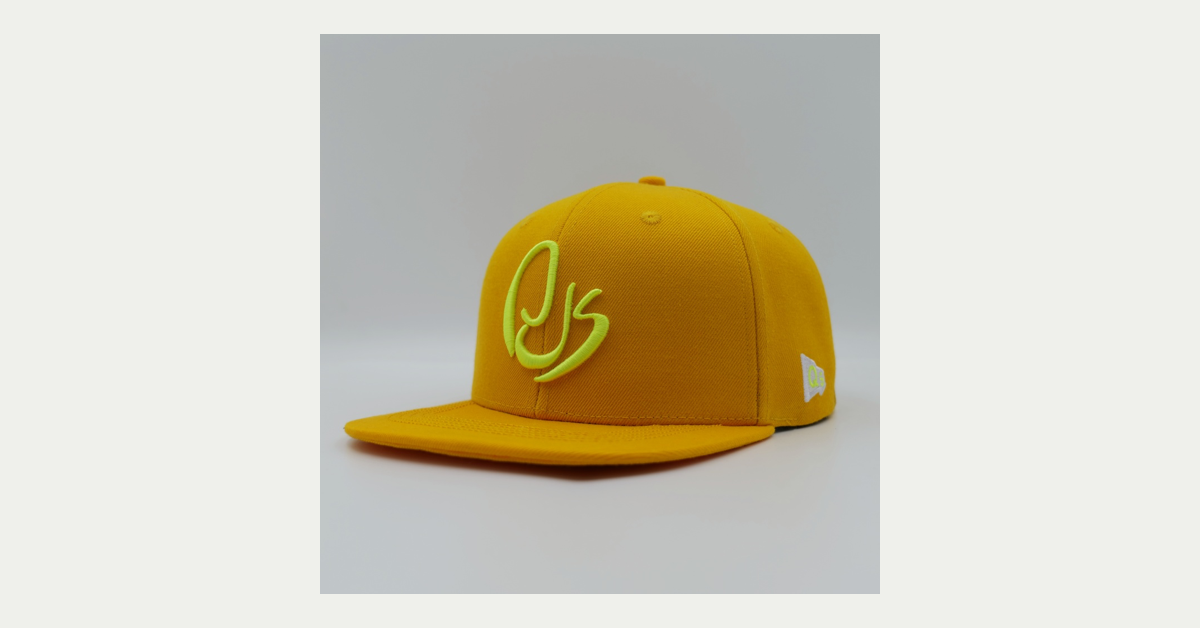


A custom fitted cap manufacturer must solve a sizing problem before solving a decoration problem. Unlike an adjustable cap, a fitted cap cannot use a back strap to absorb variation. Crown circumference, depth, oval shape, seam allowance, fabric recovery and sweatband behavior must work together across every size in the range.

This guide is for streetwear labels, sports retailers, team merchandise programs and established brands that want the clean closed-back appearance of a fitted cap without creating avoidable fit complaints or excess inventory.
The Direct Answer for Fitted Cap Buyers
Start with the target head-size range and sales-channel data, then build a graded size system around an approved base pattern. Test at least the smallest, middle and largest sizes in the planned run. Lock finished internal circumference, crown depth, sweatband, seam construction and tolerance before bulk production. Order quantities should follow realistic demand by size, not an equal split.
Fitted Cap Size Architecture
| Decision | What the buyer must define | Approval evidence |
|---|---|---|
| Size system | Numeric sizes, S/M/L bands or another clear range | Written size chart |
| Internal fit | Finished circumference, oval shape and wearing position | Wear samples on target users |
| Crown block | Depth, profile, structure and panel geometry | Graded pattern and side-view photos |
| Material | Composition, weight, stretch, recovery and shrinkage | Approved production swatch |
| Sweatband | Width, thickness, elasticity and seam comfort | Finished sample after conditioning |
| Tolerance | Acceptable measurement variation by size | Inspection specification |
Decide Who the Size Curve Is For
A size run should reflect a defined audience. Adult lifestyle retail, youth teams and regional fan programs may have different head-size distributions. Use returns, sell-through or fitting-event data when available. If the product is new, conduct a small fit trial and document the sample group instead of claiming that one size curve is universal.
State how the cap should sit: low, mid or high on the head; close to the crown or with visible volume; flat or curved at the brim. These choices change the perceived fit even when the internal circumference is identical.
How a Custom Fitted Cap Manufacturer Grades the Pattern
Increasing the sweatband length without grading the crown can distort panel angles, brim alignment and side profile. A capable custom fitted cap manufacturer should explain which pattern pieces change between sizes. Ask for graded measurements covering circumference, crown height, panel width, brim dimensions and seam positions.
Review front, side and rear views at every approval size. A large cap should not look like a stretched version of the base sample, and a small cap should not become excessively tall or stiff.
Control Fabric Recovery and Conditioning
Cotton twill, wool blends, polyester and stretch fabrics react differently to heat, moisture, pressing and repeated wear. Record composition, weight, weave and finishing. If stretch is part of the fit system, define the sweatband and crown materials together. A stretch sweatband cannot correct a crown fabric that has poor recovery or unstable shrinkage.
Condition samples before measuring them and agree whether inspection uses relaxed dimensions or a defined measurement method. If the cap has special care instructions, test the planned care process before the label is approved.
Build a Three-Point Fit Trial
- Approve the middle or base size for silhouette and brand appearance.
- Produce the smallest planned size and check pressure, crown height and brim proportion.
- Produce the largest planned size and check panel distortion, depth and sweatband comfort.
- Use several wearers within each size, not one internal reviewer.
- Record objective measurements separately from subjective comfort comments.
- Freeze the graded chart only after all three points are accepted.
QSHeadwear states that typical physical samples take about 3-5 business days after requirements are aligned. A complete fitted size set, special fabric or several rounds of fit correction can require additional development time.
Plan Inventory by Size Demand
| Inventory question | Risk if ignored | Practical control |
|---|---|---|
| Which sizes sell fastest? | Core sizes stock out while fringe sizes remain | Use channel data and reorder triggers |
| How many colorways share the size curve? | Demand is fragmented across too many SKUs | Limit launch colors and protect core sizes |
| Can fabric and trim be reordered? | A second run does not match the first | Approve continuity or substitution rules |
| Are units prepacked by size? | Warehouse receiving and picking errors | Use size labels and carton assortments |
| What happens to fringe sizes? | Margin is lost through discounting | Set conservative opening quantities |
Do not divide quantity equally across sizes unless sales evidence supports it. Fitted caps create more SKUs than adjustable caps, so a wide color range can trap working capital. Consider launching fewer colors, holding extra core sizes and setting a clear reorder point.
Design Branding Around the Graded Crown
Artwork can appear different when a front panel changes width or curvature. Define finished logo size, placement from brim and seam clearance on the smallest and largest caps. Dense embroidery may stiffen a small crown more noticeably. Side and back logos must remain balanced after panel grading.
Approve the actual decoration on production-equivalent fabric. A digital mockup cannot show puckering, thread coverage, patch edge lift or how the logo curves when worn.
Specify Size Identification and Packing
Choose a size communication system that customers and warehouse teams can understand. Coordinate the inside label, hangtag, barcode, polybag label, carton mark and product-page size chart. If numeric and letter sizes are both used, publish the conversion clearly and keep it consistent across reorders.
Cartons can be packed by single size or by a controlled assortment. The correct method depends on whether inventory goes to a central warehouse, retail stores, teams or individual orders.
Set Fitted Cap Quality Criteria
Inspection should cover internal circumference, crown depth, panel symmetry, brim position, sweatband seam, size-label accuracy, logo placement, shade and packing. State measurement points and tolerances rather than using “fits true to size” as the only standard. QSHeadwear describes incoming, pre-production, in-line and final AQL 2.5 checks; request order-level records for the approved size matrix.
Protect the Reorder
Retain the pattern version, graded measurement chart, approved fabric and trim references, artwork files, thread colors, labels and packing map. Require written approval before a material, sweatband or blocking-process change. When a second order is placed, compare a new pre-production sample with the retained approval sample.
Request a Fitted Cap Development Plan
Review QSHeadwear cap products, the OEM/ODM development workflow and factory information. Send the target audience, size range, crown profile, material, artwork, quantity by size and delivery plan through the contact page to discuss a custom fitted cap manufacturer project.
FAQ About Custom Fitted Caps
1. What information should a fitted cap RFQ include?
Include the target wearer, size system, crown profile, material, sweatband, brim, decoration, labels, quantity by size, packing and delivery market.
2. How many fitted cap sizes should be sampled?
At minimum, approve the base size plus the smallest and largest sizes planned for production.
3. Can one fitted cap pattern simply be stretched into every size?
No. Crown panels, circumference, depth and proportions may need coordinated grading to preserve fit and appearance.
4. Which fabric is best for fitted caps?
The best fabric depends on silhouette, climate, stretch strategy, care and brand positioning; approve it with the sweatband and pattern.
5. What affects fitted cap MOQ?
Size count, colorways, special fabric, custom trims, decoration and packing can divide the total into smaller production groups.
6. How should fitted cap inventory be allocated?
Use historical sales or fit-trial data, protect core sizes and avoid equal allocation without evidence.
7. How is fitted cap sizing inspected?
Use written measurement points, tolerances and a defined conditioning method for each size.
8. Can fitted caps use embroidery or patches?
Yes, but artwork size, stiffness and placement should be checked on the smallest and largest crowns.
9. How should sizes be labeled?
Keep inside labels, hangtags, barcodes, bags, cartons and the online size chart consistent.
10. What should be retained for reorders?
A custom fitted cap manufacturer should retain graded patterns, measurement charts, material references, approved samples, artwork, labels and packing specifications.