

Custom hat design and manufacturing works best as one controlled workflow. A concept becomes reliable only when silhouette, fit, fabric, decoration, branding, packaging and delivery are translated into measurable approvals. Buyers who separate design from production reality often discover cost, MOQ or construction problems after the range is already committed.
This guide gives brand, retail, merchandise and sourcing teams a practical route from commercial idea to repeatable bulk headwear.
Custom Hat Development: The Direct Answer
Begin with the customer, wearing context, target price and launch date. Select the cap architecture before final artwork, convert decisions into a technical pack, approve real materials and a physical sample, set quality tolerances, then release bulk production only when cost and schedule are aligned. Keep every approved reference in a version-controlled reorder file.
Design-to-Production Decision Table
| Decision area | What the buyer should define | Approval evidence |
|---|---|---|
| Market | Customer, use case, channel and price position | Commercial brief |
| Fit | Crown, panels, brim, closure and size range | Measurements and wear sample |
| Materials | Composition, weight, color, finish and trims | Approved swatches |
| Branding | Artwork, process, locations, labels and packaging | Proofs and component samples |
| Bulk control | Tolerances, defects, inspection and shipment | Signed control plan |
| Continuity | Version, references and substitution rules | Reorder package |
Start With a Product Architecture
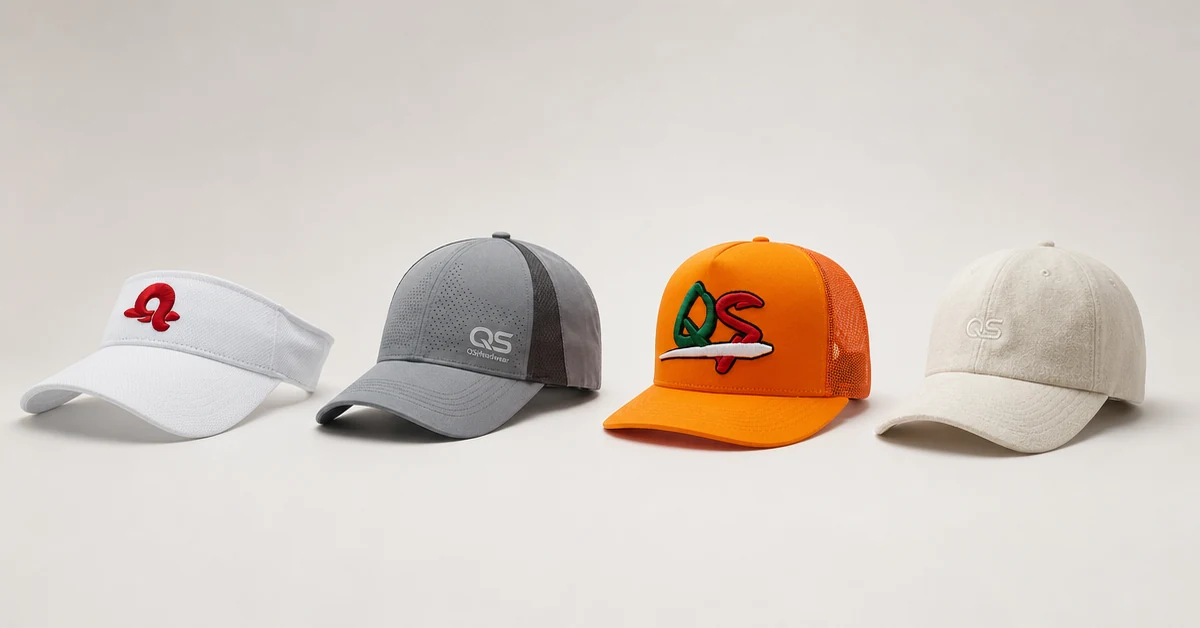
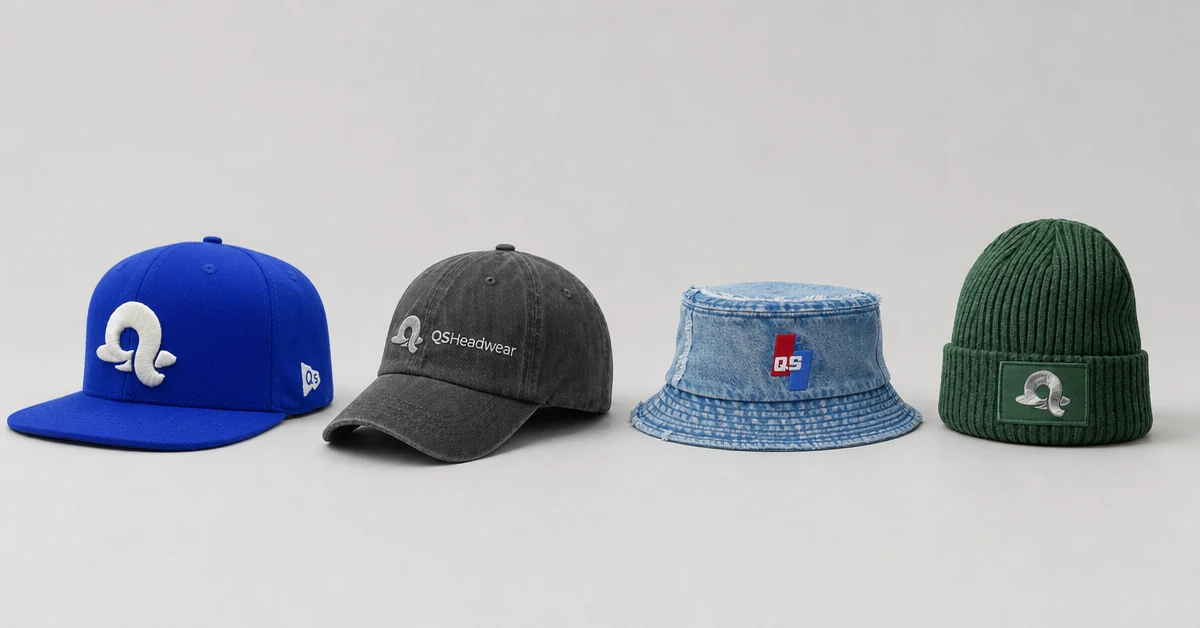
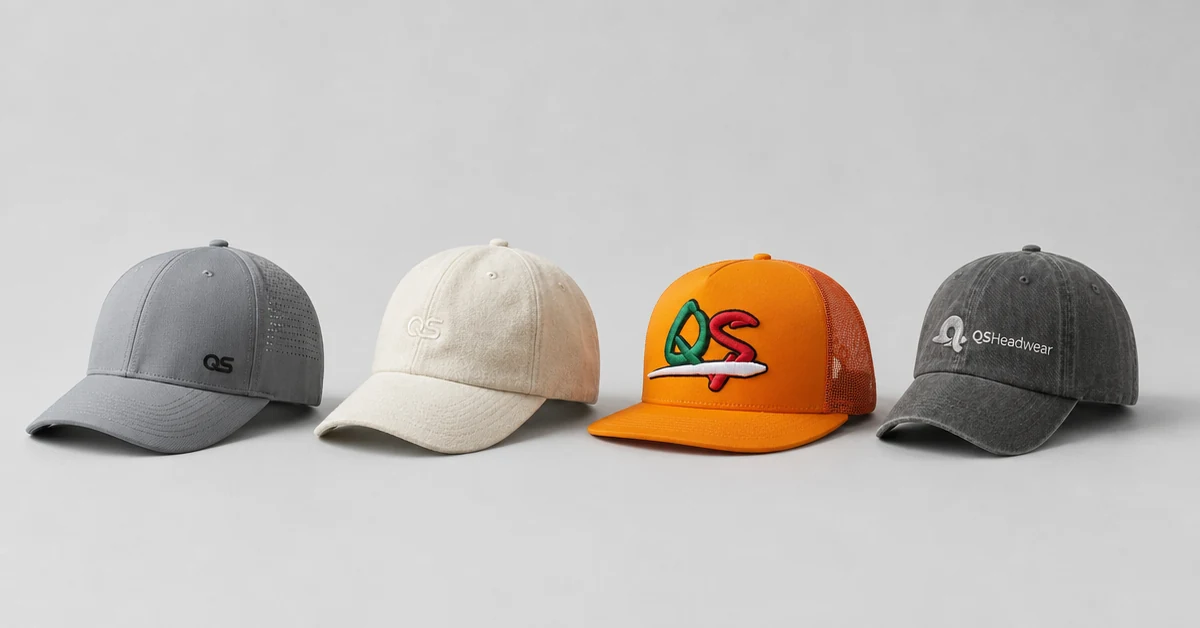
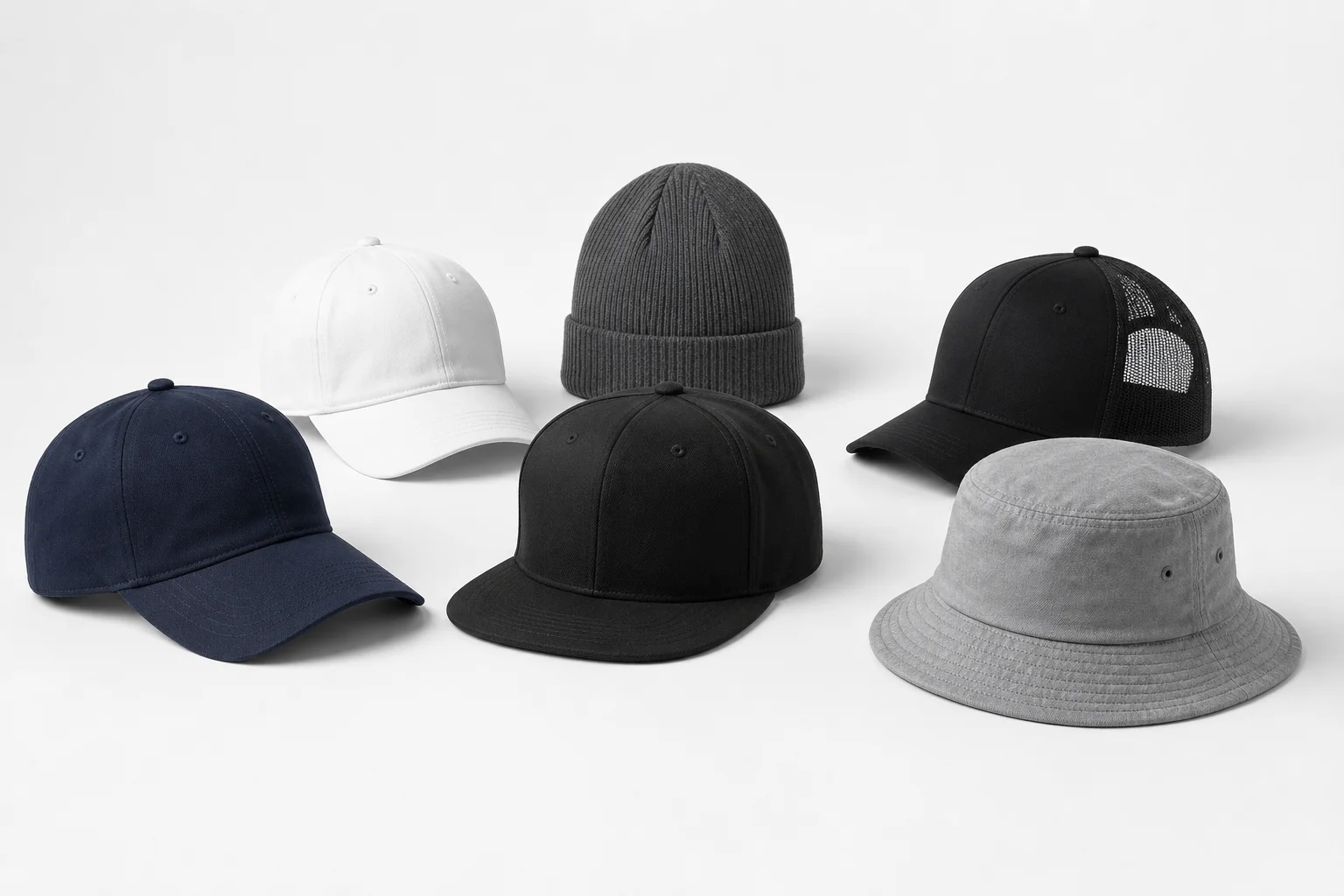
Decide whether the product is a baseball cap, snapback, trucker, dad hat, bucket hat, beanie, visor or another structure. Define panel count, crown support, brim curve and stiffness, closure and target head range. These choices determine available decoration areas and influence material use, comfort and cost.
Build a Technical Pack That Answers Factory Questions
Include annotated views, measurements with tolerances, fabric and trim specifications, construction notes, artwork at finished size, color references, labels, packaging and quantity by color. Mark revision dates clearly. In custom hat design and manufacturing, the technical pack is the shared source of truth; chat messages and inspiration photos should not replace approved specifications.
Design Decoration at Real Size
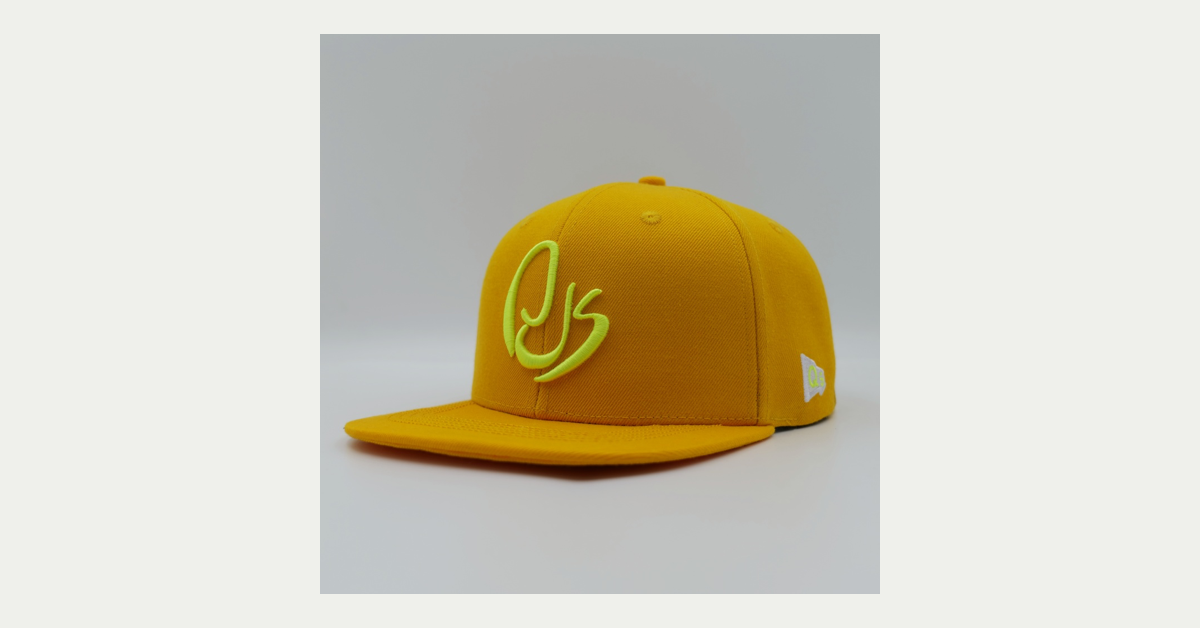
Flat embroidery, 3D puff, woven patches, leather or PVC patches, screen printing and heat transfer each have limits. Thin lettering may disappear in raised embroidery, while a large transfer can change hand feel on a lightweight panel. Ask for a method recommendation based on fabric, curve, detail and care requirements. Approve proof dimensions and placement from seams.
Evaluate Materials for Look, Fit and Supply
A material must support the visual direction and production plan. Record composition, weight, weave, finish, shade and availability. Test how it shapes the crown, accepts decoration and responds to handling. If the story depends on recycled content, water resistance or another claim, request evidence for the exact order material rather than relying on a generic supplier statement.
Use a Structured Sample Review
- Compare the silhouette with the intended customer and reference.
- Measure crown, brim, opening and closure.
- Wear-test comfort and adjustment across the target range.
- Inspect artwork size, color, position and surface quality.
- Check labels, inside finishing, packaging and carton plan.
- Send one numbered comment sheet and approve the revised version.
QSHeadwear states typical physical samples take 3-5 business days once requirements are aligned. Budget additional time for sourced fabric, washes, molds, several artwork locations or delayed buyer feedback.
Engineer Cost Before the Design Is Frozen
Request cost checkpoints after the initial concept and after the approved sample. Panel construction, fabric yield, decoration color count, patches, custom closures, labels, packaging and order splits can all change the price. When a target is exceeded, revise one visible decision at a time and record the effect instead of quietly reducing quality.
Define Quality in Observable Terms
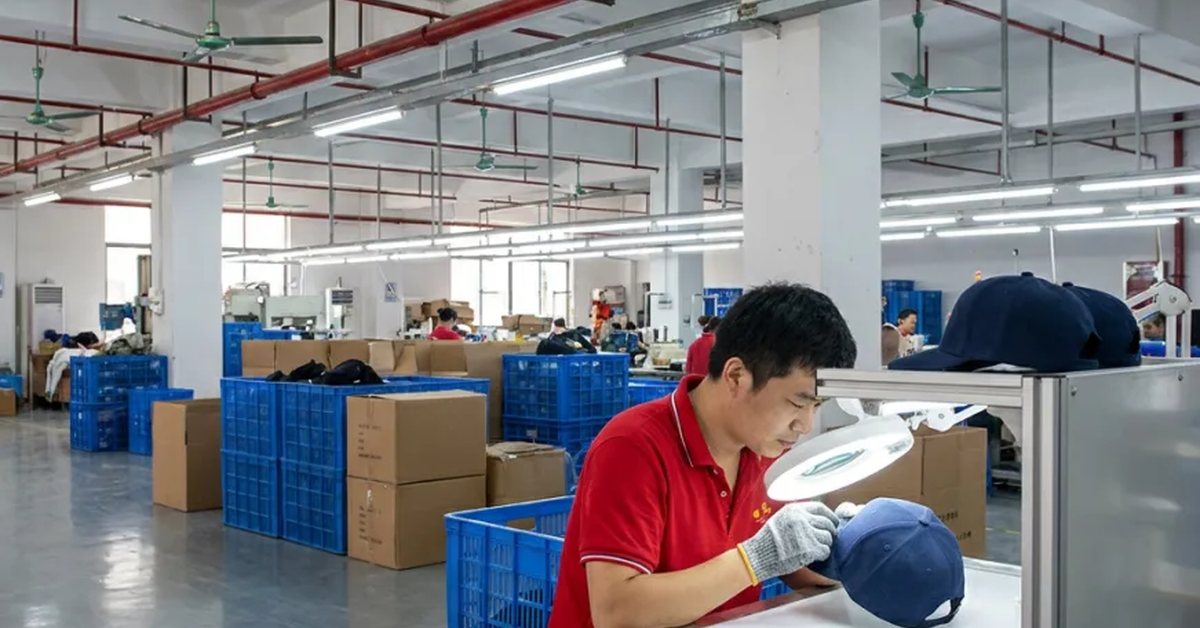
Replace “premium quality” with measurable requirements: key dimensions, shade range, panel symmetry, brim curve, stitch and seam appearance, decoration placement, closure function, label position, cleanliness and pack-out. QSHeadwear describes incoming material checks, pre-production confirmation, in-line monitoring and final AQL 2.5 inspection. Confirm the order-specific defect list and report.
Build a Realistic Production Calendar
Plan concept approval, technical pack, material sourcing, sample, revisions, pre-production sample, bulk, inspection, packing and freight. Put buyer decisions on the same calendar as factory work. A “production lead time” usually starts after approvals and materials are ready, not on the first inquiry date.
Prepare the Product for Shipping and Retail
Specify how brims and crowns are supported, units per bag and carton, moisture control where needed, carton marks, barcode placement and maximum carton weight. Packaging should protect the approved shape without adding unnecessary volume. Test the proposed pack-out with the sample before bulk cartons are purchased.
Use Launch Feedback to Improve Reorders
Track fit comments, returns, decoration defects, color performance, packaging damage and sell-through by style and color. Separate subjective design feedback from production defects. Give the manufacturer a concise post-order scorecard and update the technical pack only after the team agrees which change is needed.
Start a Custom Hat Development Project
Explore the QSHeadwear product center, review the OEM/ODM process and check the company background. Share your brief, reference images, measurements, artwork, quantity and target date through the contact page to discuss custom hat design and manufacturing.
FAQ About Custom Hat Design and Manufacturing
1. What should a custom hat brief contain?
Include customer, use case, target price, cap type, fit, materials, branding, quantity, packaging, destination and date.
2. Do I need a technical pack?
A technical pack reduces ambiguity by recording measurements, materials, construction, artwork, labels and packaging in one versioned file.
3. Which decisions should come before logo design?
Choose cap architecture, fit, material and usable decoration area before finalizing artwork at production size.
4. How many samples should be made?
Make enough rounds to approve the actual material, construction, fit and branding; the number depends on complexity and feedback quality.
5. What affects development cost?
New patterns, special fabrics, washes, molds, multiple decoration locations, custom trims and packaging can add setup or sample charges.
6. How long does a typical sample take?
QSHeadwear states 3-5 business days after requirements are aligned, with more time for special inputs and revisions.
7. How should quality be specified?
Use measurements, tolerances, defect examples, decoration placement, color references, closure tests and packing requirements.
8. When should bulk production begin?
Release bulk only after the approved sample, specification, cost, material status, quality plan and calendar are confirmed.
9. How can packaging protect hats?
Define crown and brim support, bag and carton quantities, moisture control, labels, carton marks and handling limits.
10. What should be kept for a reorder?
Keep the approved sample, technical pack, bill of materials, artwork, color references, QC plan and packaging file.