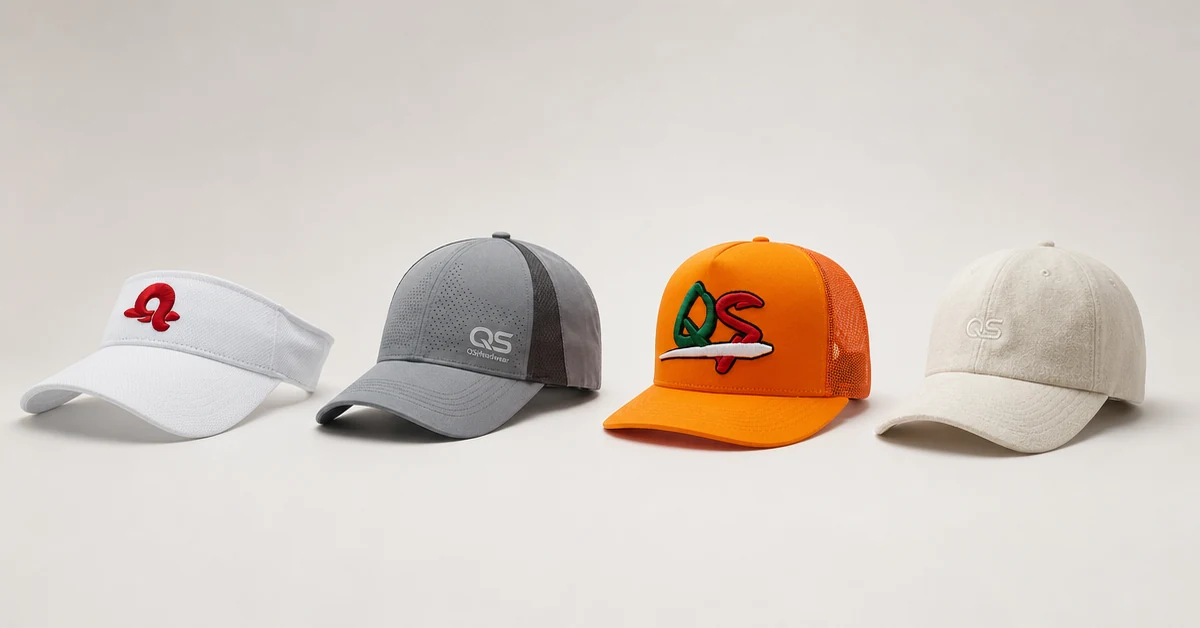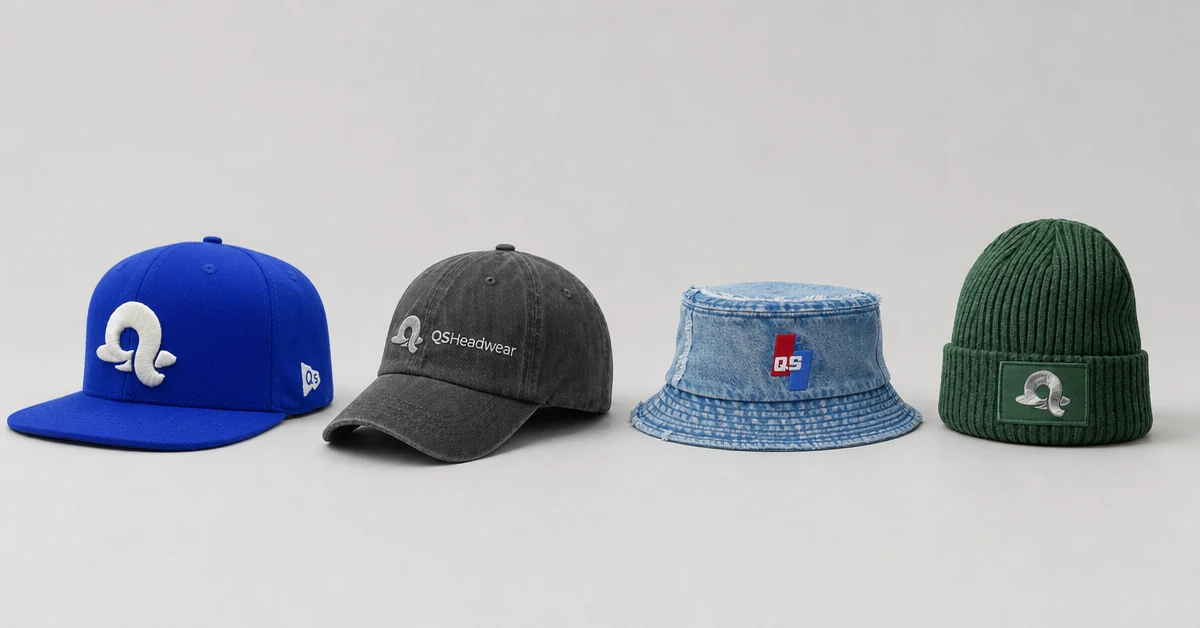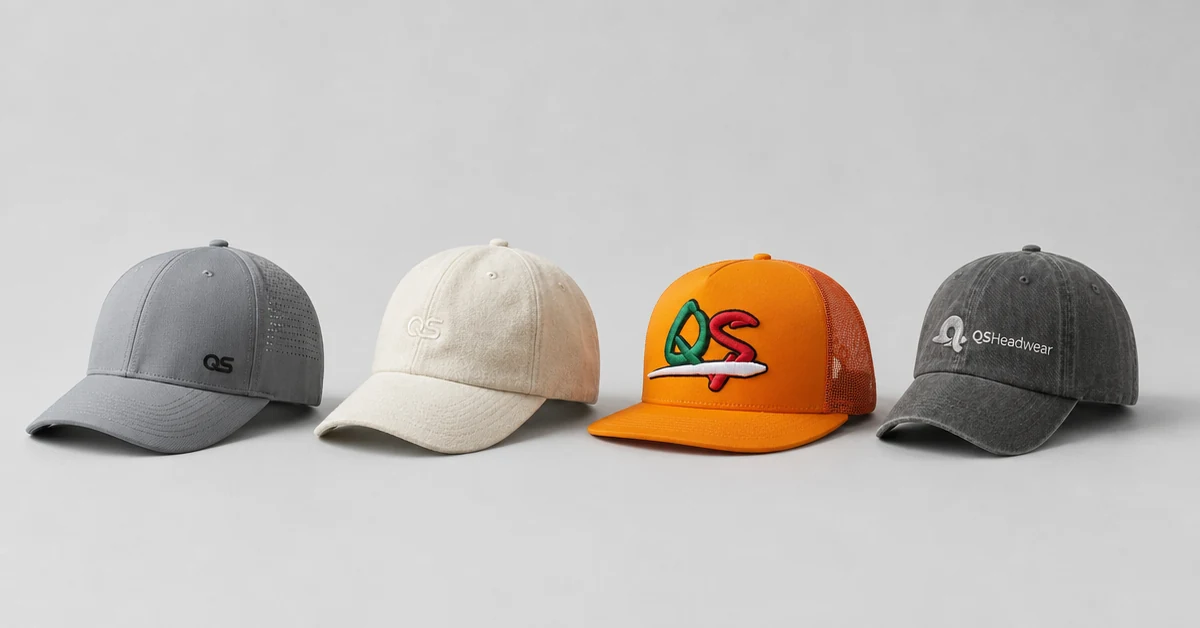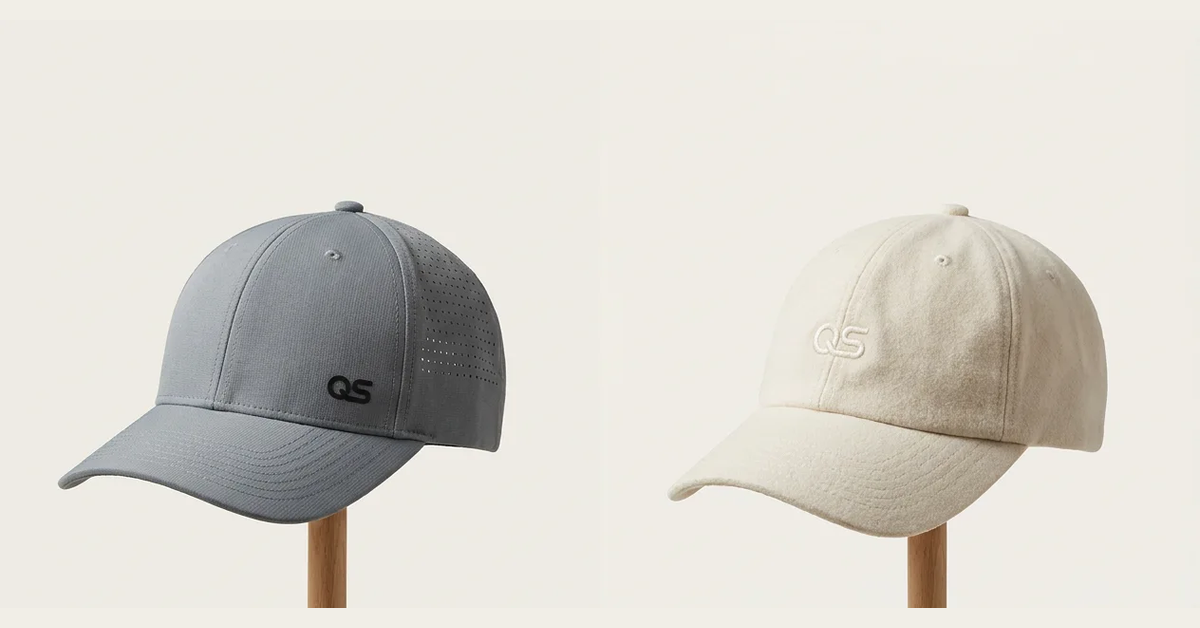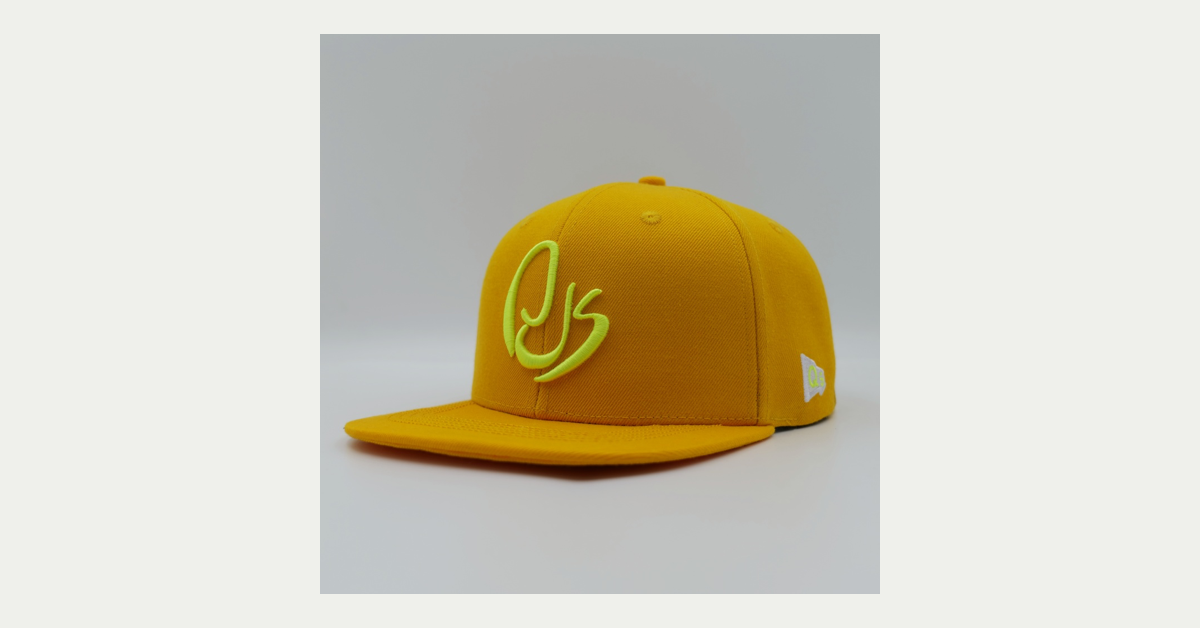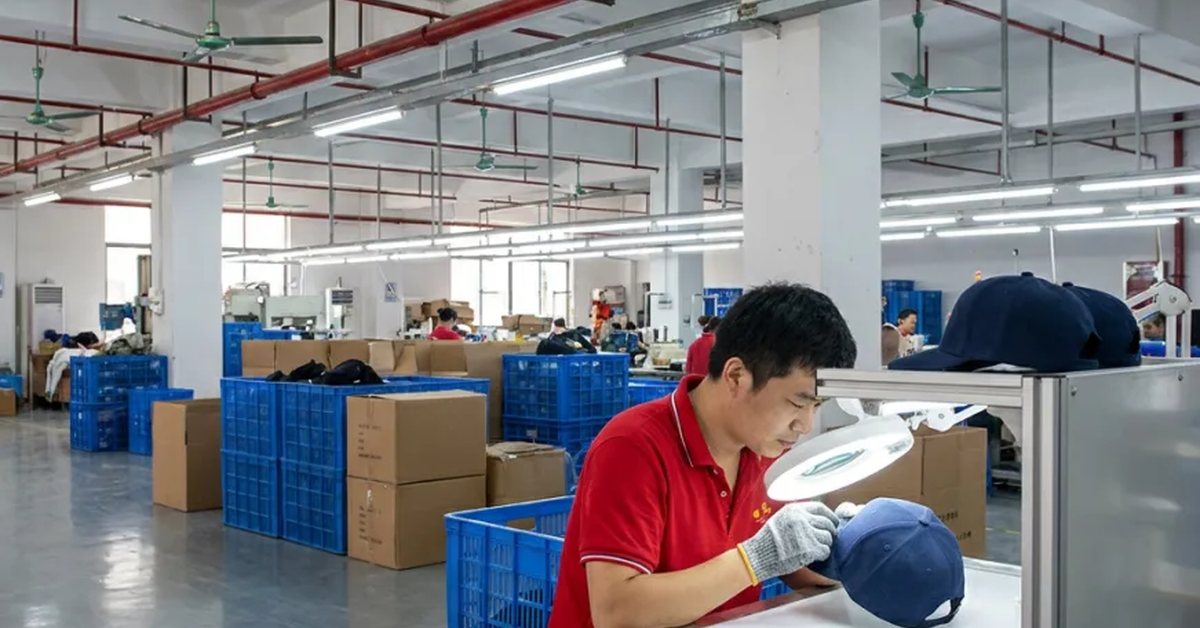


A custom hat manufacturer can develop an attractive sample from a sketch, but a repeatable product needs a better starting point than a sketch alone. The procurement brief workshop is a short, focused meeting that turns preferences into decisions: who will wear the hat, how it should sit, which materials are acceptable, where the logo belongs, how it will be packed and what counts as a pass in bulk.

Use the workshop before asking for a price. It keeps the first sample from carrying ten unanswered questions and gives the factory a way to identify tradeoffs instead of agreeing to every request without explanation.
Open With the Customer Moment
Describe the setting in which the hat will be worn. A retail customer may try it on indoors, while a workwear buyer may need a cap that remains stable through a full shift. A festival team may value a bold front graphic and fast distribution. These moments guide crown depth, sweatband, brim, closure and packing choices more reliably than a generic label such as “premium.”
Write one sentence for the intended wearer and one for the commercial job. The exercise prevents a light lifestyle cap from being specified with the stiff construction of a promotional giveaway, or a display-oriented retail piece from being packed as if it were a disposable event item.
Make Fit a Measurable Conversation
Bring a reference cap or head measurement range to the meeting. Record front height, side depth, back height, brim length, curve, opening circumference and the location of the sweatband. Note whether the fit should sit low on the brow, float slightly above it or leave room for hair. “One size” is a sales description, not a measurement.
| Brief line | Write down | Sample question |
|---|---|---|
| Crown | Front, side and rear depth | Where should the crown break when worn? |
| Brim | Length, curve and insert | Should the brim recover after packing? |
| Opening | Smallest and largest finished circumference | Which wearers must fit without forcing the closure? |
| Touchpoints | Sweatband width and hand | What should sit against the forehead after an hour? |
| Reference | Sample ID and date | Which physical cap controls the next revision? |
Choose the Base Before Choosing the Logo
Decoration can distract a team from an unsuitable base. Compare cotton, recycled polyester, wool blend, corduroy, suede or performance fabric against the intended season and care route. Note the weight, stretch, surface nap, color method and likely shrinkage. If the front panel must support dense embroidery, the lightest fabric may not be the most economical choice after backing and reinforcement are added.
Ask the custom hat manufacturer to show the base fabric on a complete cap, not only as a loose swatch. Fabric hand changes when it is fused, stitched, washed or combined with a sweatband. Keep a labeled swatch with the brief so the bulk lot can be compared later.
Place the Brand Mark With Coordinates
Replace “center logo” with a coordinate system. State the decoration surface, width, height, top distance, side clearance, thread or ink references and the direction the artwork faces. For a patch, include edge treatment, thickness, attachment route and corner radius. For print, specify the artwork file, underbase expectation, curing route and the point at which a color mismatch becomes unacceptable.
Use a full-size paper or digital overlay on the actual pattern. A logo that looks centered on a flat rectangle can rise toward the wearer when the crown is sewn. The overlay also lets the sampling team see whether the decoration crosses a seam, curve or closure panel.
Write the “Do Not Change” List
Every development brief needs a short list of locked decisions. It might include the approved crown profile, a private label placement, a specific brim angle, a thread color or the feel of an unstructured front. A second list can identify flexible elements such as packing fill, inner tape or a close color alternative. Separating fixed and flexible choices makes feedback quicker and protects the design from accidental drift.
Workshop rule: a change is not approved because it appeared in a new photograph. It is approved when the updated sample ID, measurement or artwork version is recorded in the brief.
Plan Sampling as Questions, Not Versions
Give each sample round a single purpose. Round one may answer fit and silhouette. Round two may compare decoration techniques and material colors. The pre-production sample should represent the construction, trims, label and packing the buyer expects in bulk. If every round tries to answer every question, the team loses track of what caused an improvement or a new defect.
| Round | Primary question | Approval evidence |
|---|---|---|
| Concept | Does the shape communicate the product idea? | Photos plus notes on open risks |
| Fit | Does the cap sit correctly across the target range? | Measured sample and wearer feedback |
| Decoration | Does the chosen logo method hold detail and position? | Actual-size decorated sample |
| Pre-production | Can this exact build be repeated? | Signed sample, bill of materials and packing photo |
Turn Quality Into Visible Examples
Ask the factory and buyer to agree on defects that can be seen or measured: open seam, loose thread, wrong label, crooked patch, shade outside the approved range, broken closure, brim distortion or measurement outside tolerance. A general promise of inspection is weaker than a defect library with acceptable and unacceptable examples.
ISO 2859-1 provides sampling schemes for lot inspection, but it does not write the cap-specific defect list. QSHeadwear describes incoming checks, pre-production confirmation, in-line inspection and final AQL 2.5 inspection; the brief should connect those stages to the buyer’s own tolerances.
Put Capacity and Dates Beside the Design
A good brief records target quantity, color split, delivery location and the date stock must be available. Ask which decisions control the critical path: a custom fabric, a wash route, a complex patch, a new mold or a private label pack. QSHeadwear publishes typical physical sample timing of about 3–5 working days and common bulk timing of about 15–20 days, but the actual calendar should be confirmed after materials and quantities are known.
Leave time for buyer approvals, inspection, transit and warehouse intake. The earliest sewing date is not the same as the date a customer can buy the finished cap.
Use a Cost Worksheet That Shows Tradeoffs
Request a quotation that separates base cap, fabric, decoration, trims, labels, packing, sampling, testing, inspection and freight assumptions. Then ask what changes if the logo becomes smaller, the brim insert changes, the color count drops or several SKUs share one trim. This turns a price into a decision tool and helps the buyer protect margin without removing the feature that gives the product its identity.
Close the Workshop With Owners
End with a dated action list: factory to send a revised pattern, buyer to supply a vector file, sourcing to confirm fabric availability, quality to draft the defect sheet and logistics to validate the carton plan. Name one owner for each line. A meeting is useful only when its decisions survive outside the meeting room.
Custom Hat Manufacturer Workshop Checklist
Before the meeting closes, read the brief aloud as if you were the inspector receiving the finished caps. Can the inspector identify the front, side and rear measurements? Is the approved logo file named and dated? Does the material line identify composition, color reference, weight and any finishing route? Is the closure range written as a finished measurement rather than a supplier promise? These small checks catch ambiguity while the people who can solve it are still present.
Run a second pass for commercial handoffs. The merchandising team should know which detail creates the product story. Purchasing should know the exact quantity and color split. The warehouse should know the unit and carton packing. Customer service should have a plain-language fit and care note. When a brief answers all four audiences, the custom hat manufacturer receives fewer last-minute changes and the buyer has stronger evidence for a reorder.
Use a simple approval code such as FIT-01, DEC-02 or PACK-03 beside each decision. The code can appear in the sample comments, quotation, purchase order and inspection report. That shared language is especially useful when a style has several decoration methods or when a supplier coordinates a specialist process. It also makes post-delivery learning easier because a complaint can be tied to the decision that created it.
For a neutral sampling reference, buyers can review ISO 2859-1 lot inspection guidance and then define cap-specific defects with the factory. The standard supports a sampling approach; it does not replace the product brief, the approved sample or a clear corrective-action route.
Send the Brief to QSHeadwear
Review QSHeadwear cap styles, read the OEM/ODM development route and check the factory profile. Send the wearer profile, reference cap, measurements, artwork, quantity and destination through the contact page to start a focused conversation with a custom hat manufacturer.
Workshop Questions Buyers Usually Ask
What should I send a custom hat manufacturer first?
Send the use case, reference cap, measurements, artwork, material preference, quantity, delivery market and target date.
Can a sketch be used for sampling?
Yes, but mark the sketch as a concept and add measurements, construction notes and open questions before approving a sample.
How many samples are normally needed?
Use as few rounds as possible, with each round assigned to one decision such as fit, decoration or pre-production repeatability.
Should I approve a fabric swatch or a full cap?
Use the swatch for color and composition, then confirm hand, support and fit on a complete cap.
How do I stop logo placement from drifting?
Use coordinates, a full-size overlay, an artwork version and a signed sample ID.
What does AQL 2.5 cover?
It supports lot sampling. You still need a written list of critical, major and minor cap defects.
How early should packaging be discussed?
Discuss it during the brief because support, carton quantity and labels can affect shape, labor and cost.
Can the factory suggest a cheaper alternative?
Yes. Ask for the effect on fit, appearance, durability, lead time and landed cost before accepting it.
What belongs in a reorder file?
Keep the approved sample, pattern, measurement chart, material codes, decoration files, labels, packing and inspection photos.
How do I request a quote without creating confusion?
Use one consolidated brief with included items, exclusions, target quantity, incoterm and delivery location.