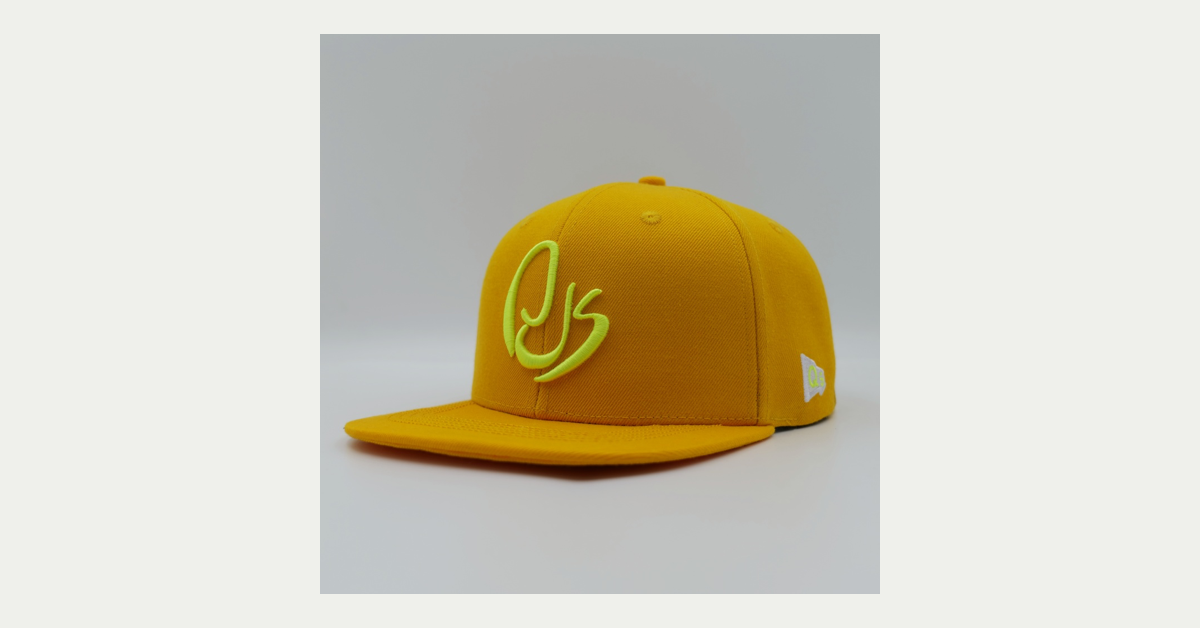


Custom hat sample lead time begins when the supplier has enough confirmed information to develop the right product, not when the first inquiry is sent. Clear specifications, available materials, production-ready artwork and fast buyer feedback can shorten development. Missing decisions, custom components and repeated design changes can extend it.
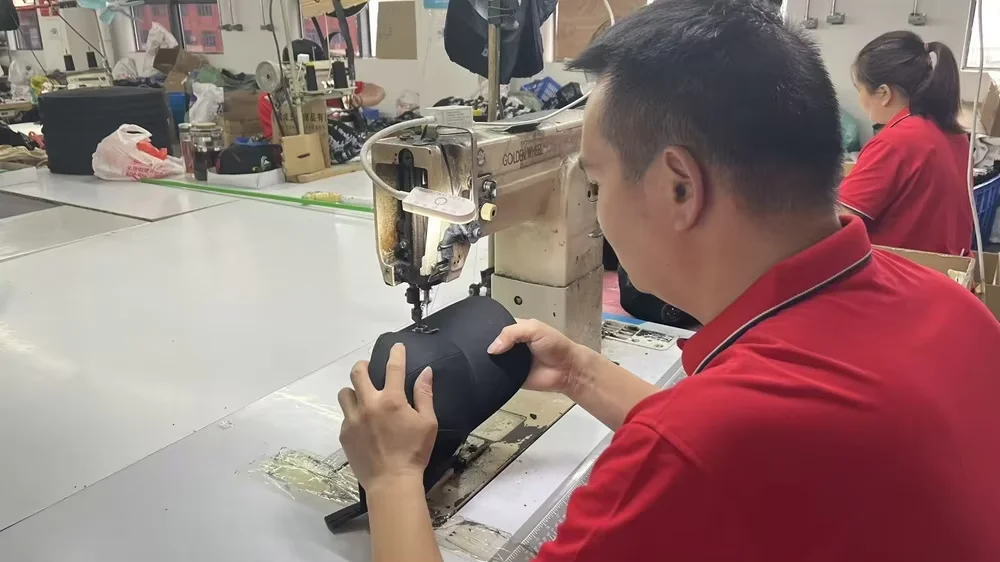
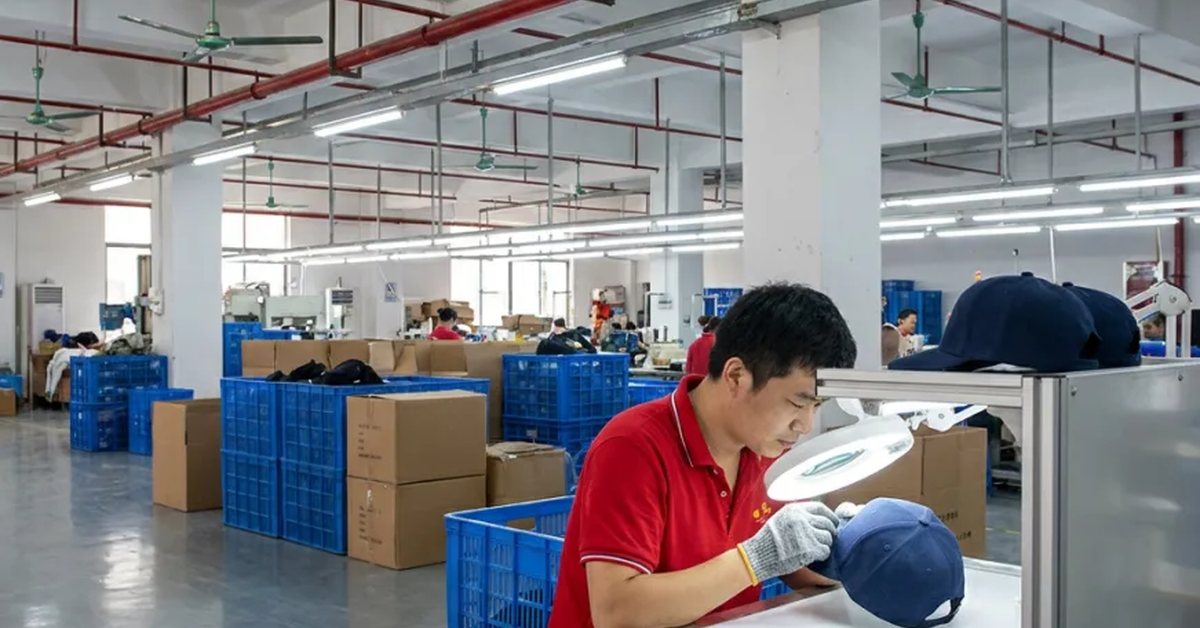
This guide explains the stages, dependencies and approval controls that help brand and sourcing teams build a realistic sample calendar.
What a Sample Timeline Usually Includes
| Stage | Key output | Common dependency |
|---|---|---|
| Requirement review | Confirmed brief and open-question list | Complete style and quantity information |
| Material planning | Available fabric or sourcing request | Color, composition and finish |
| Pattern and components | Cap structure and trim plan | Fit, closure and brim decisions |
| Decoration setup | Digitizing, screen or transfer artwork | Vector file, size and placement |
| Sample making | Physical prototype | Materials and production capacity |
| Buyer review | Approved sample or consolidated revision | Decision speed and clear comments |
Start the Clock With a Complete Development Brief
The brief should identify cap style, crown structure, panel count, brim, closure, fabric, color, logo method, logo size, placement, internal branding and packaging. It should also state the intended market, order quantity and required delivery date. These details let the factory check feasibility and identify long-lead components early.
Reference images are useful, but mark which features must be copied and which are only inspiration. Measurements, vector artwork and color references reduce interpretation.
Material Availability Is Often the Critical Path
Available fabric can move directly into sampling after color and performance are confirmed. A custom-dyed, custom-knit, laminated or certified material may require supplier development, lab dips or minimum purchase. The exact production material may not be practical for an early shape sample.
If a substitute is used, label the sample clearly and record what will change. A fit sample in available fabric can approve structure while the final color or material is still being prepared.
Artwork Quality Controls Decoration Setup Time
Embroidery requires digitizing that translates artwork into stitch direction, density, underlay and sequence. Printing and transfer methods require suitable resolution, color separation and production dimensions. Small text, narrow gaps and fine outlines may need adjustment.
Provide vector files, Pantone or thread references, finished dimensions and exact placement. Approve a digital embroidery or print proof before physical production where appropriate. Each new artwork version can restart setup.
Pattern Changes Take Longer Than Color Changes
A color adjustment may affect fabric or thread selection. A structural change can require pattern revision, recutting and a new assembly. Crown height, panel curve, brim length, closure position and sweatband depth interact with fit and appearance.
Separate comments into critical corrections and preferences. Approve the basic silhouette before adding multiple decorative versions. This keeps the custom hat sample lead time focused on decisions that affect production.
Prototype, Sales Sample and Pre-Production Sample Are Different
A prototype tests construction and design direction. A sales sample may support presentations or photography. A pre-production sample should represent the approved bulk specification as closely as practical. Using one term for all three creates different expectations.
State the sample purpose and quantity. If several samples are required for internal teams, testing or events, confirm this before scheduling.
How to Review a Custom Hat Sample
- Compare the sample with the written specification.
- Check silhouette, fit and symmetry on an appropriate head form.
- Measure key points using the agreed method.
- Inspect fabric shade, hand feel and visible defects.
- Check embroidery or print size, position, color and edge quality.
- Inspect seams, eyelets, brim, closure and internal branding.
- Photograph every requested revision with a scale or markup.
- Return one consolidated comment document.
Consolidated Feedback Prevents Extra Sample Rounds
Conflicting comments from design, merchandising, quality and marketing can extend the schedule. Assign one approval owner and collect internal feedback before sending it to the supplier. Use numbered comments linked to photographs or specification points.
Avoid messages such as "make it more premium." State the observable change: increase crown height by a defined amount, move the embroidery, change thread color or replace the closure.
Typical Causes of Sampling Delay
- Incomplete artwork or missing production dimensions.
- Unconfirmed fabric, color or performance requirement.
- Custom trims ordered before final approval.
- Changes to structure after decoration setup.
- Separate comments arriving on different days.
- Courier time or customs delay for physical references.
- Holiday periods and capacity constraints.
- Testing requirements introduced after the sample starts.
Use Parallel Work Carefully
Some activities can run together: label artwork may be reviewed while the cap pattern is prepared, or packaging concepts may be evaluated while decoration is digitized. Parallel work saves time only when the underlying product decision is stable.
Do not release expensive custom trims or bulk materials simply to appear faster. Identify reversible tasks and approval gates. Record who can authorize each release.
Build Buffer Around Buyer Decisions and Shipping
Factory making time is only one part of the calendar. Add time for brief clarification, artwork approval, internal review, courier transit and a possible correction round. A launch plan that assumes immediate approval has no resilience.
QSHeadwear states that physical samples are typically completed in 3-5 business days after requirements are aligned, subject to material and process complexity. Treat this as a planning reference rather than a promise for every design.
Approve a Sample for Bulk Production
Approval should identify the physical sample, specification revision, artwork version, color references, measurement table, label files and packaging instructions. Photograph and retain the approved sample. Any approved deviation should be written.
A controlled approval protects the bulk schedule and makes custom hat sample lead time an investment in preventing production changes rather than an isolated delay.
Maintain a Sample Approval Log
Give every prototype a version number and record the ship date, receipt date, reviewer, findings, requested changes and decision. Attach marked photographs and the measurement report. When a revision is requested, identify whether it affects pattern, material, decoration, branding or packaging so the supplier can estimate the next step accurately.
The log should distinguish buyer waiting time from factory working time. A sample can be made promptly but remain unapproved while several teams review it. Separating those periods makes the next calendar more realistic and shows where the process can improve.
Choose the Right Shipping Method for Samples
Transit is part of the development calendar even though it is not factory work. Confirm the delivery address, recipient phone, courier account, declared description and possible import requirements before dispatch. Request tracking when the parcel is collected. Allow for weekends and customs review around critical launches.
Digital photographs and measurements can identify obvious issues before shipment, but they cannot fully prove fit, hand feel, true color or structure. Use them as an early check and base final approval on the agreed physical or formally defined reference.
Measure Sampling Performance for Future Orders
After approval, compare planned and actual dates for brief completion, material confirmation, prototype work, transit, buyer review and revision. Record the number of rounds and why each was needed. Repeated artwork errors indicate a file-control issue; repeated fit changes suggest incomplete measurements; color delays may justify an earlier stock-material decision.
This review turns custom hat sample lead time into a sourcing metric. The target is not merely a fast first prototype, but a reliable path to a sample that production can reproduce.
Keep the approved log with the purchase order and production specification. The record gives merchandisers, quality inspectors and factory teams one reference when questions arise later.
Plan Your Sample With QSHeadwear
Review the QSHeadwear OEM/ODM process and available custom headwear styles. Send artwork, dimensions, material preferences, quantity and target date through the contact page.
For the most reliable custom hat sample lead time, identify which details are fixed, which can use available options and who will provide the final consolidated approval.
FAQ About Custom Hat Sample Lead Time
1. How long does a custom hat sample take?
QSHeadwear states that typical physical samples take 3-5 business days after requirements are aligned, depending on materials and process complexity.
2. When does sample lead time start?
It should start after the factory confirms it has the required specification, artwork and material direction.
3. Can stock fabric make sampling faster?
Often yes, because custom dyeing or material development is avoided.
4. Does embroidery add sampling time?
It requires digitizing and proof approval, especially for 3D puff or complex artwork.
5. What is a pre-production sample?
It is the approved reference intended to represent the bulk specification before production.
6. Can I approve from photos?
Photos can support review, but physical approval is safer when fit, hand feel, shade or structure is critical.
7. Why are multiple sample rounds needed?
They may be needed when the brief changes, materials differ or the first prototype reveals structural issues.
8. How should revisions be sent?
Use one numbered document with measurements, marked photos and clear priorities.
9. Should packaging be sampled at the same time?
It can be developed in parallel, but final dimensions should follow the approved product.
10. What files help the factory begin?
Send vector artwork, style references, specifications, colors, logo dimensions, quantity and target date.