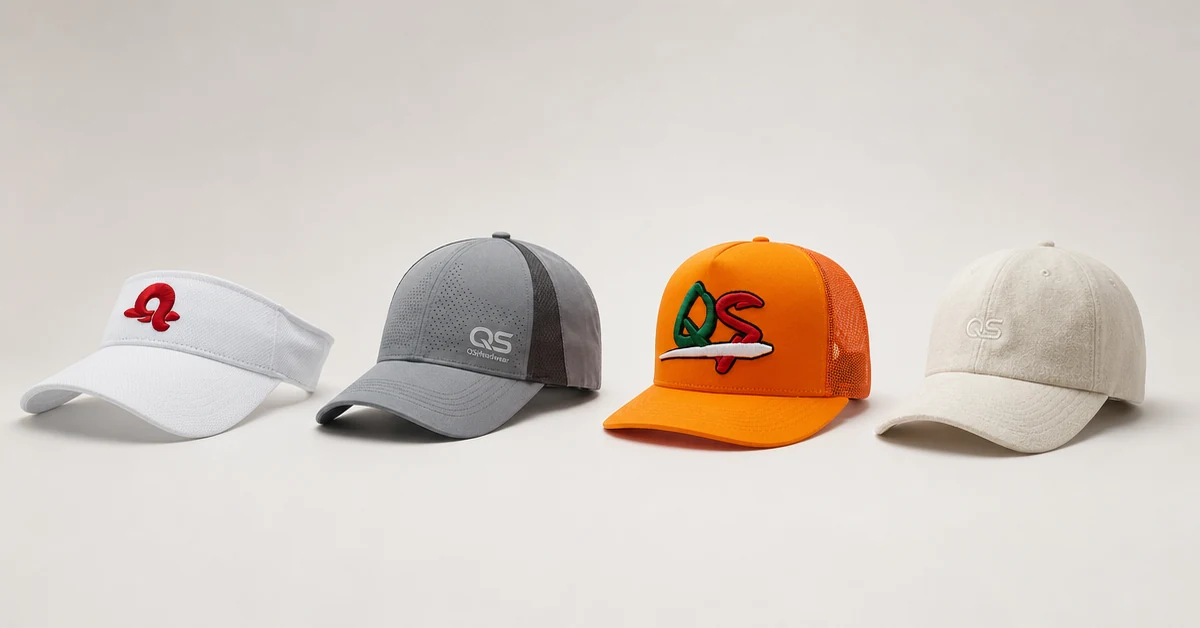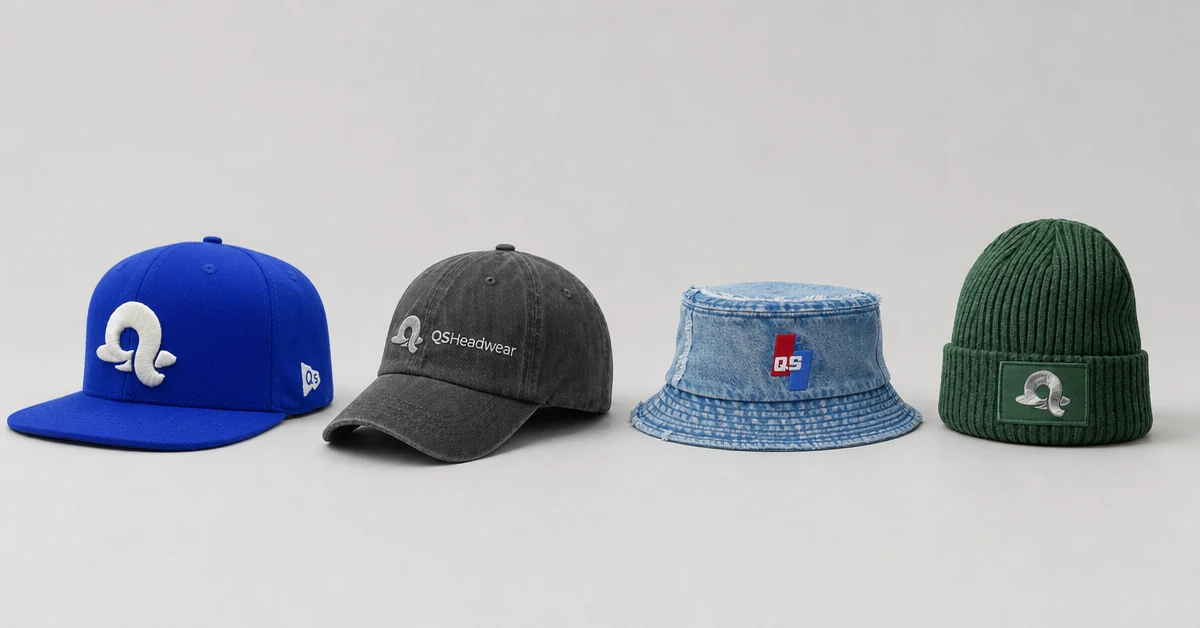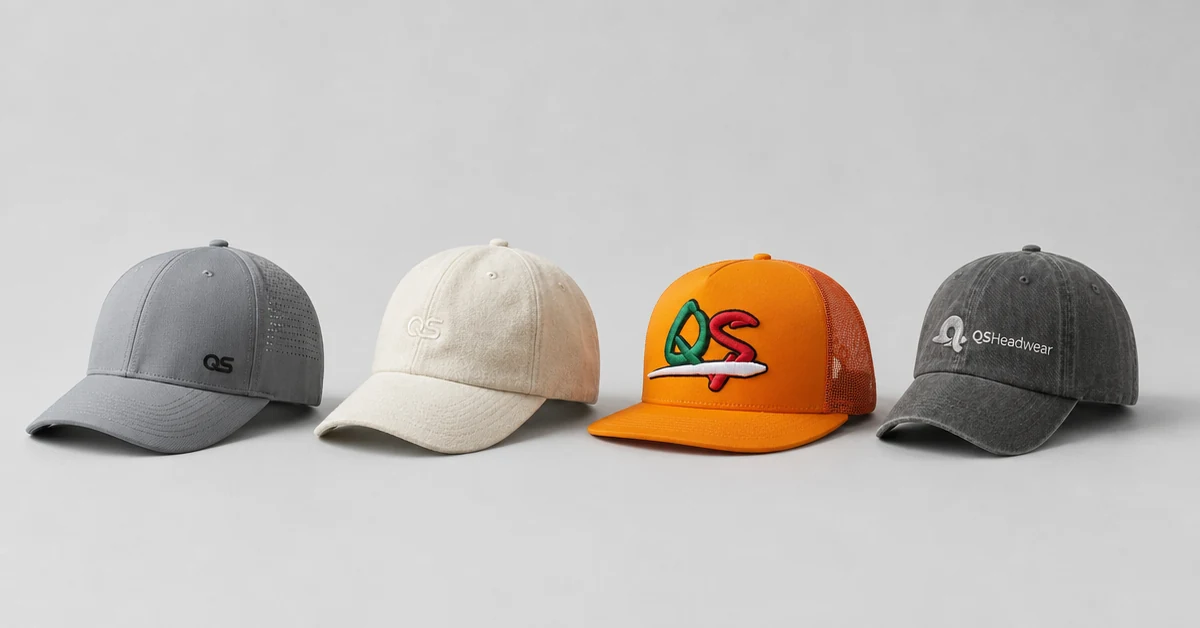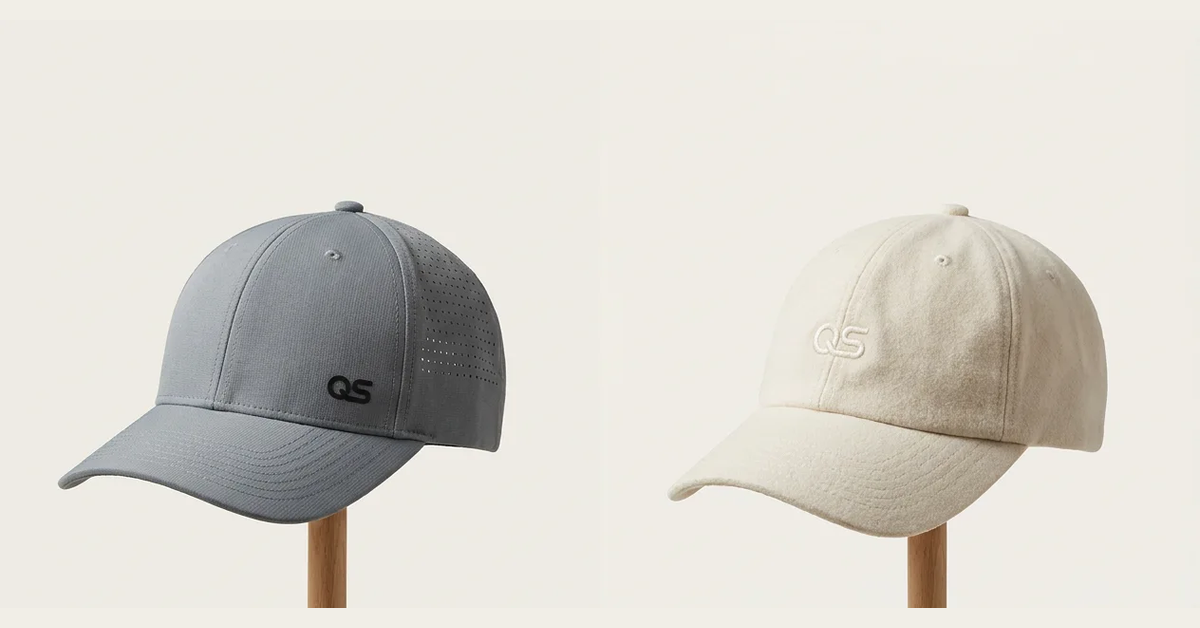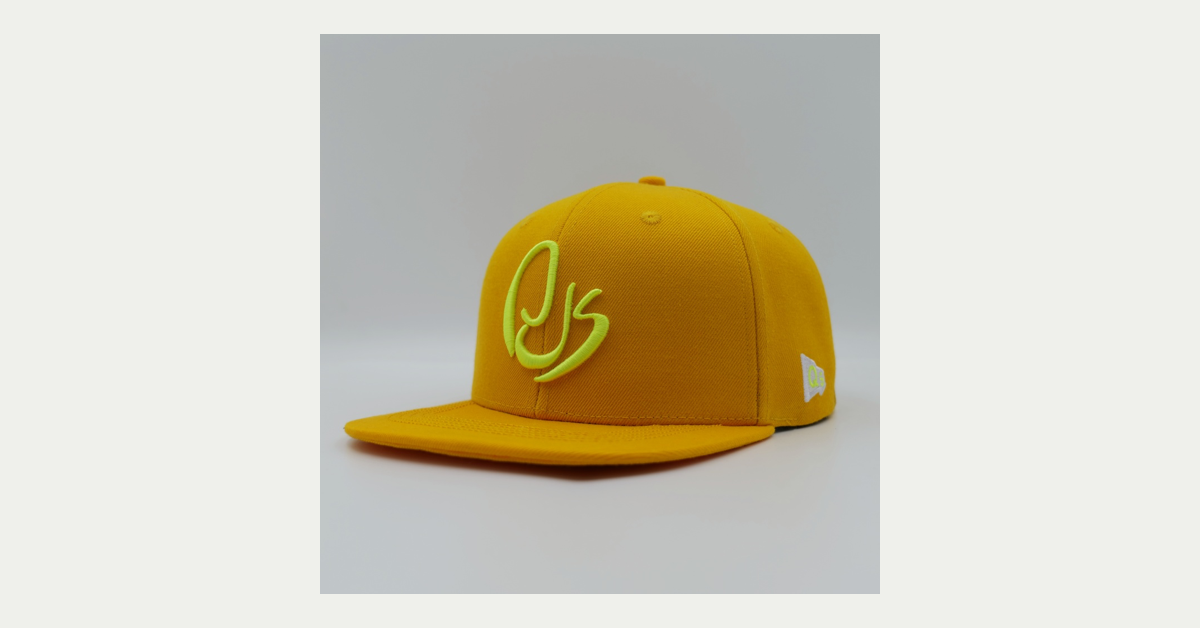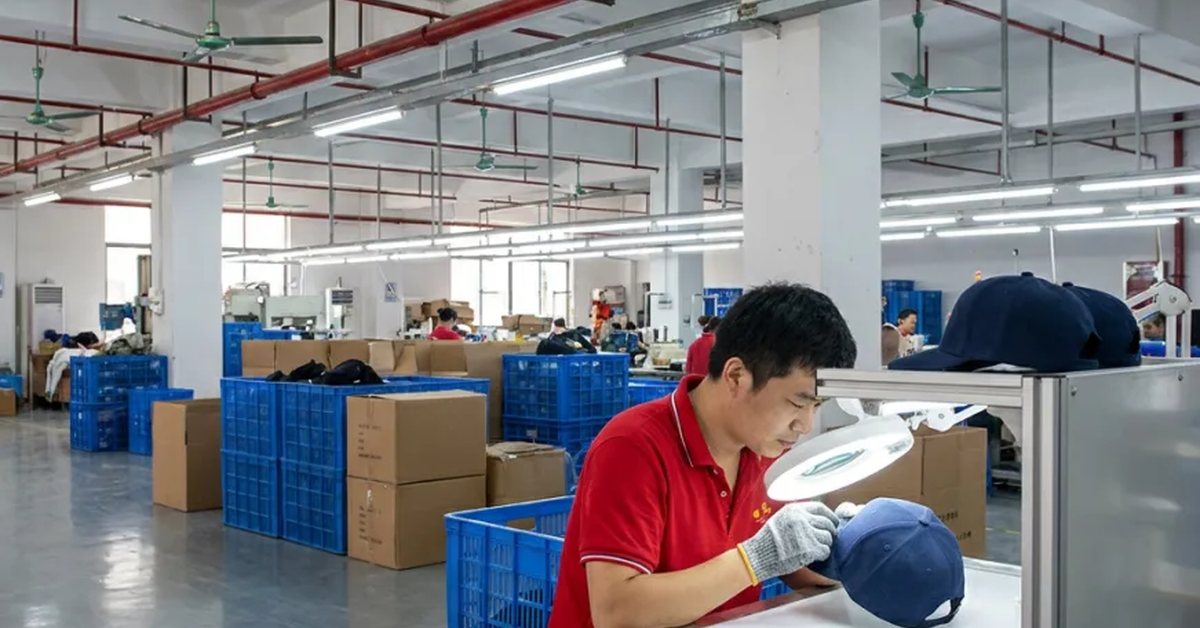


A custom hat sample manufacturer should treat the sample as a decision tool, not a miniature photo prop. The physical cap proves whether the crown, brim, fabric, closure, decoration, labels and packing work together. It also creates the reference that production, inspection and future reorders can follow.
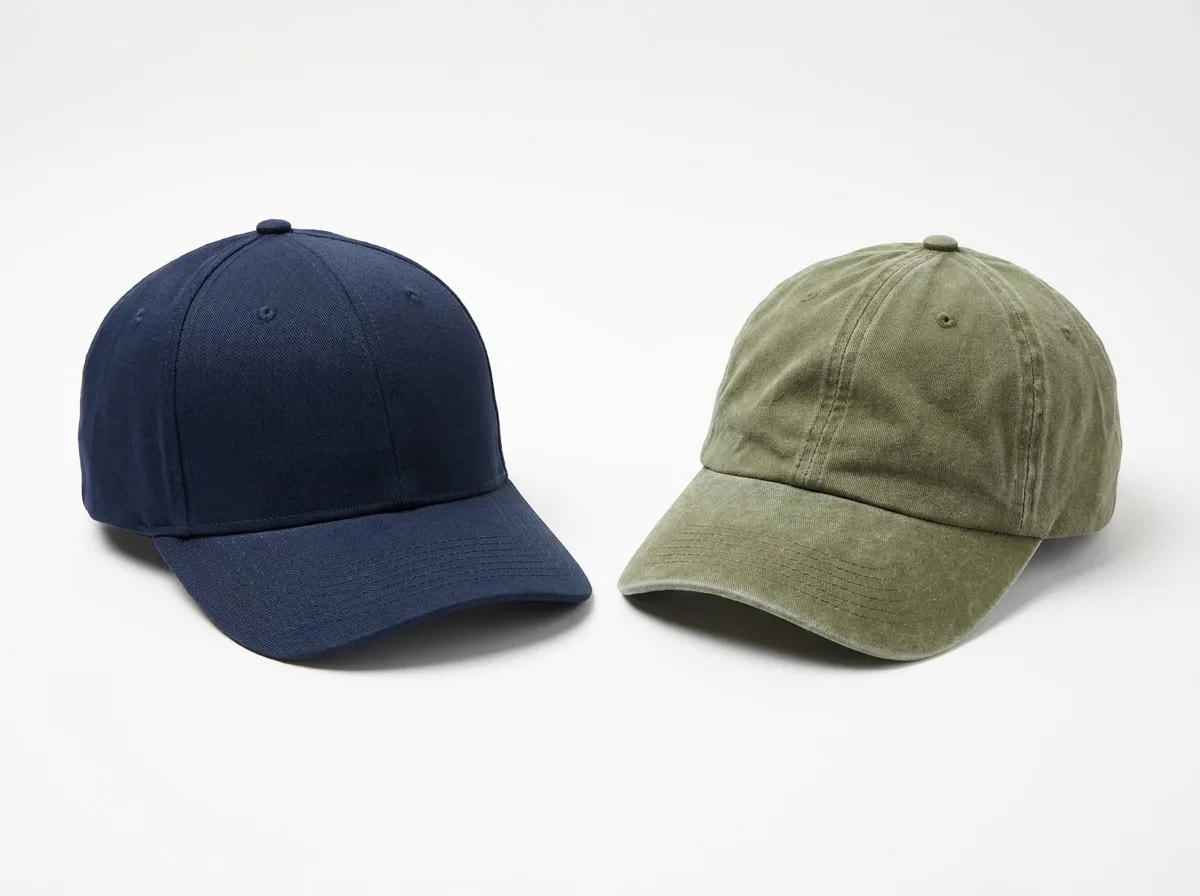
This guide helps fashion brands, promotional buyers, retailers and product teams turn a sample round into a controlled approval rather than an endless exchange of screenshots.
Decide What the Sample Must Prove
Write the sample question before sending artwork. You may need to prove a new crown fit, confirm a fabric hand, compare a brim, check a logo technique or validate a shelf-ready unit. One sample can answer several questions, but the approval record should identify which decisions are final and which remain open.
Build the Sample Brief Around Evidence
| Brief field | Include | Why it matters |
|---|---|---|
| Cap block | Profile, crown height, circumference, brim and closure | Creates a measurable fit reference |
| Material | Composition, weight, color, finish and support | Prevents a visual mockup from hiding material risk |
| Decoration | Technique, finished size, placement and artwork version | Connects the logo to the actual curved panel |
| Components | Sweatband, labels, hangtags, eyelets and packaging | Approves the complete retail unit |
| Inspection | Critical measurements, appearance limits and photos | Makes bulk comparison possible |
Send a reference cap or measured drawing when replication matters. A photograph alone does not state the internal circumference, seam allowance or brim construction that controls the final feel.
Separate Development Samples From Sales Samples
An early development sample may use a substitute fabric or temporary label to test shape. A sales or pre-production sample should use the intended fabric, color, decoration, trims, labels and packing. Mark every sample clearly so a temporary component is not mistaken for the production standard.
What a Custom Hat Sample Manufacturer Should Confirm First
Ask the factory to confirm the cap block, available materials, decoration feasibility, sample charge, estimated timing, revision policy and what the quoted scope includes. QSHeadwear explains that physical samples commonly take about 3-5 business days after requirements are aligned, while special materials and revisions can extend the calendar. Treat that as an estimate tied to the actual brief.
Review Fit With Measurements and Wearers
Measure finished circumference, crown height, front panel width, brim length and rear opening. Then use several wearers across the intended size range. Record pressure, depth, ear clearance, stability and wearing position separately from comments such as “too tight” or “too low.” A sample is only useful when those observations can be translated into a change to the specification.
Approve Decoration on the Formed Cap
Embroidery, patches, screen print, heat transfer and sublimation behave differently on curved fabric. Check lettering, stitch density, backing, edge quality, color, placement and distortion on the assembled cap. A logo that looks centered on a flat artwork file can appear high or rotated once the crown is formed.
| Check | Sample evidence | Approval note |
|---|---|---|
| Placement | Front, side and rear photos | State measurement from seam or edge |
| Scale | Actual-size decoration | Record finished width and height |
| Surface | Close-up on production-equivalent fabric | Check puckering, gaps and edge lift |
| Color | Physical thread, patch or print reference | Define acceptable shade range |
| Comfort | On-wear view and inside inspection | Check backing and internal bulk |
Use One Consolidated Revision List
Mark the sample with numbered notes and attach one updated artwork or measurement file. Avoid sending separate corrections through scattered messages. The custom hat sample manufacturer should be able to identify the approved version, the requested change and the person authorized to release it.
Inspect the Inside, the Back and the Pack
Turn the cap inside out. Inspect sweatband attachment, seam finishing, labels, backing, loose threads and closure function. Fold or pack it as proposed for shipment and observe whether the crown or brim loses shape. The sample should represent how the buyer will receive and store the product, not only how it looks in a front-facing photograph.
Convert Approval Into Bulk Controls
Attach the approved sample number to the purchase order. Copy its measurements, fabric code, color standard, decoration file, labels, packing method and defect photographs into the inspection plan. QSHeadwear describes incoming, pre-production, in-line and final AQL 2.5 checks; add the product-specific checkpoints that the sample made visible.
Know When Another Sample Is Necessary
Request a new sample when the crown block, fabric, backing, brim, closure, decoration method, label, packing or critical placement changes. A color-only change may still require a shade approval if the material or finish changes. Do not approve bulk from a digital rendering when a physical change affects fit or construction.
Protect the Reorder File
Keep the signed sample photos, measurement chart, pattern version, artwork, thread or print references, material swatches, trim codes, labels, packing instructions and revision history. This file lets a custom hat sample manufacturer reproduce a proven cap instead of reopening every decision next season.
Start a Sample Project With QSHeadwear
Review QSHeadwear product styles, read the OEM/ODM development process and check factory information. Send your reference cap, measurements, artwork, materials, quantity and deadline through the contact page to discuss a custom hat sample manufacturer project.
Sample Approval: Buyer Questions Answered
1. What should a custom hat sample prove?
It should prove the intended fit, construction, material, color, decoration, labels, packing and any other decision that affects the bulk order.
2. How many sample rounds are normal?
The number depends on the clarity of the brief and the complexity of the cap; consolidate revisions so each round answers a defined question.
3. Can a development sample use substitute fabric?
It can for an early shape check, but a pre-production sample should use the intended fabric and components.
4. How should fit be tested?
Measure the cap and test it on multiple wearers across the planned head-size range.
5. Should decoration be approved on flat artwork?
No. Approve actual decoration on the formed crown because curvature and backing change appearance and comfort.
6. What affects sample timing?
Material availability, pattern work, decoration, packaging, revisions and the speed of buyer feedback all affect timing.
7. When should a new sample be requested?
Request one when a change affects the crown, material, brim, closure, decoration, labels, packing or a critical measurement.
8. What should the revision list contain?
Use numbered notes, marked photos, updated files, measurements and a clear statement of what is approved or still open.
9. How can the approved sample control bulk?
Reference it in the purchase order and inspection plan, then retain its measurements, photos, materials and decoration files.
10. What should be kept for a reorder?
Keep the sample, pattern, measurement chart, material and color references, artwork, trims, labels, packing and revision history.