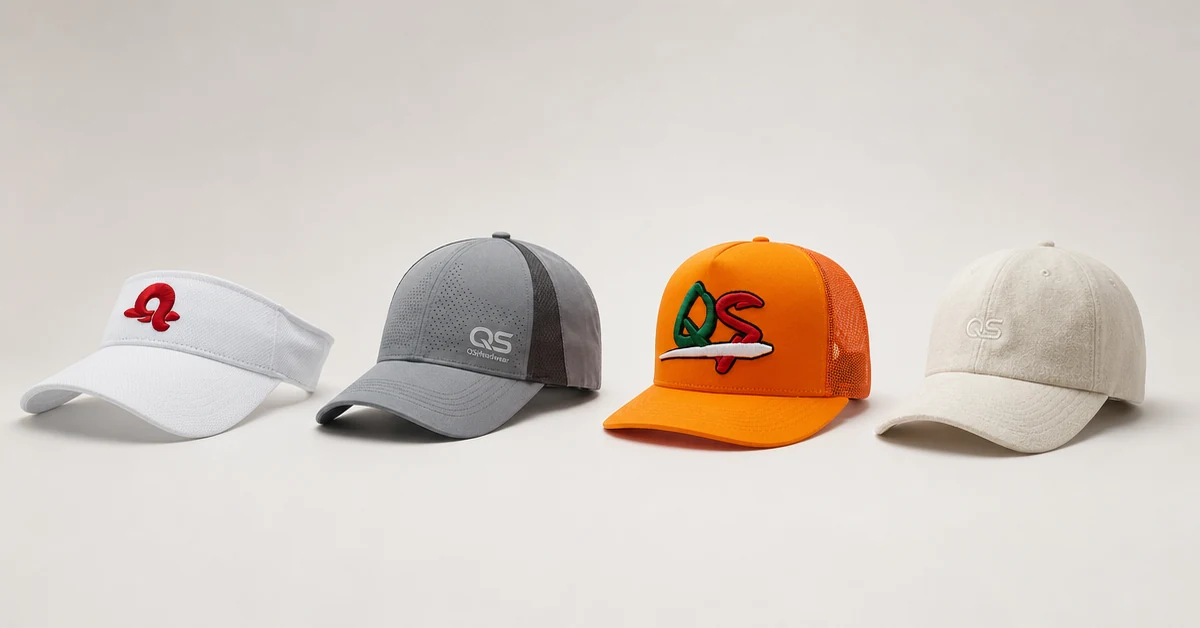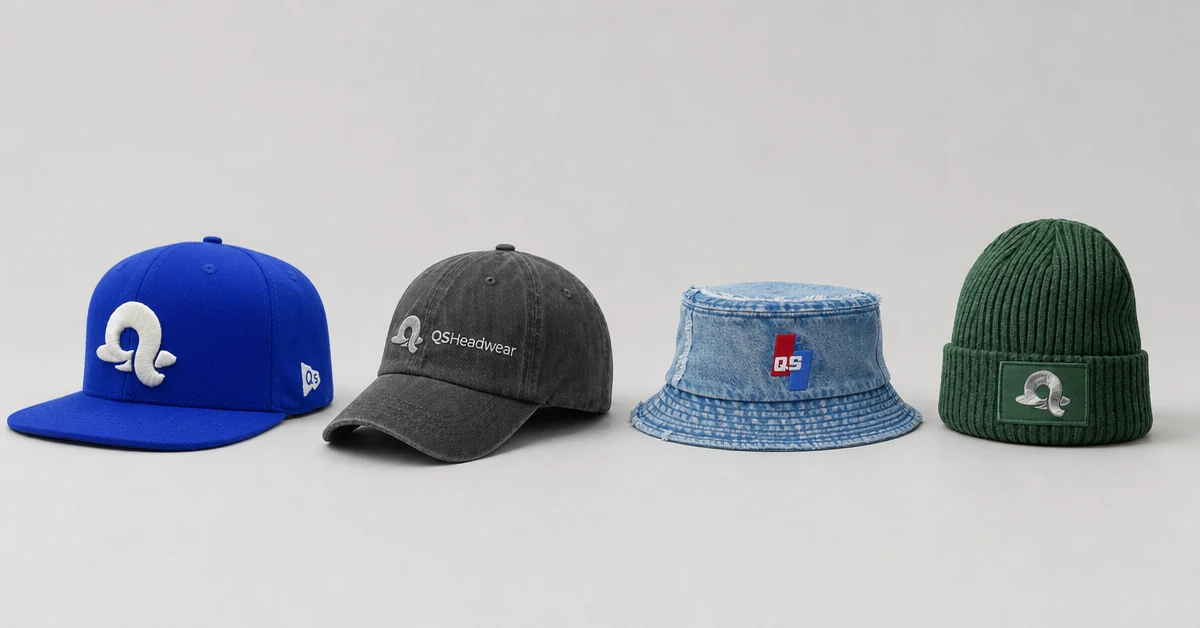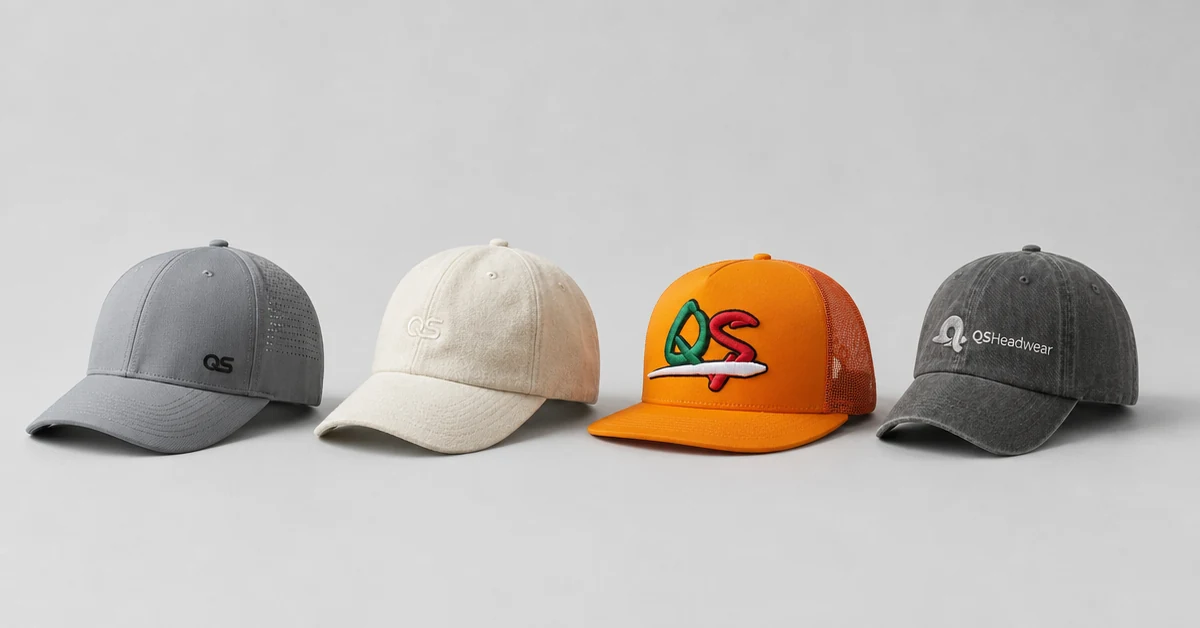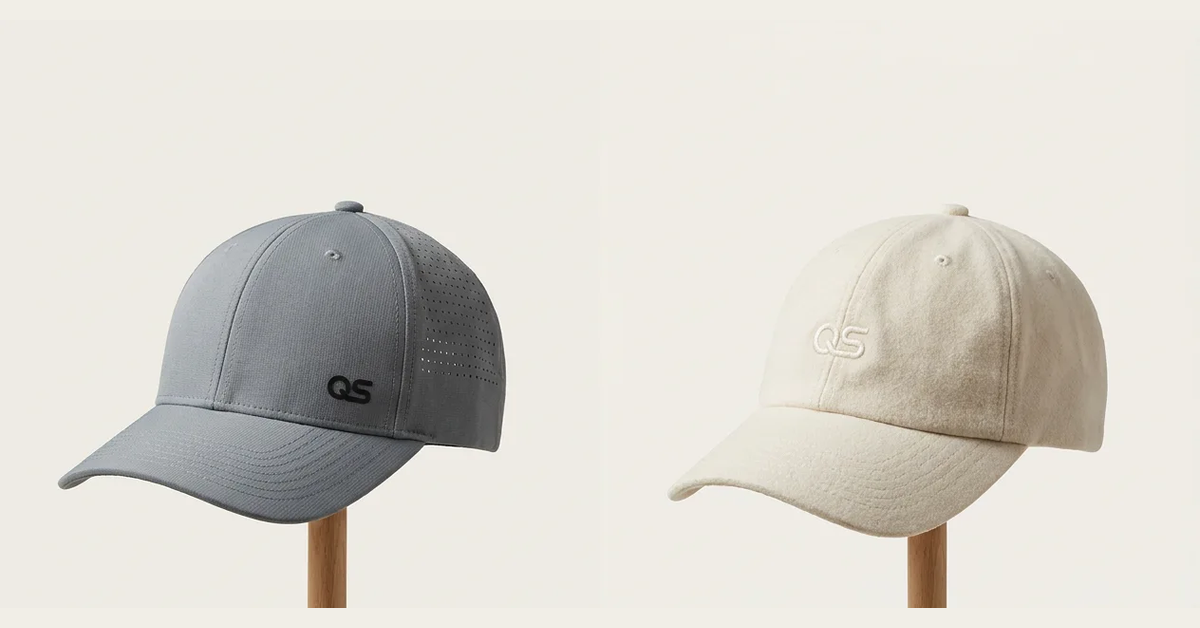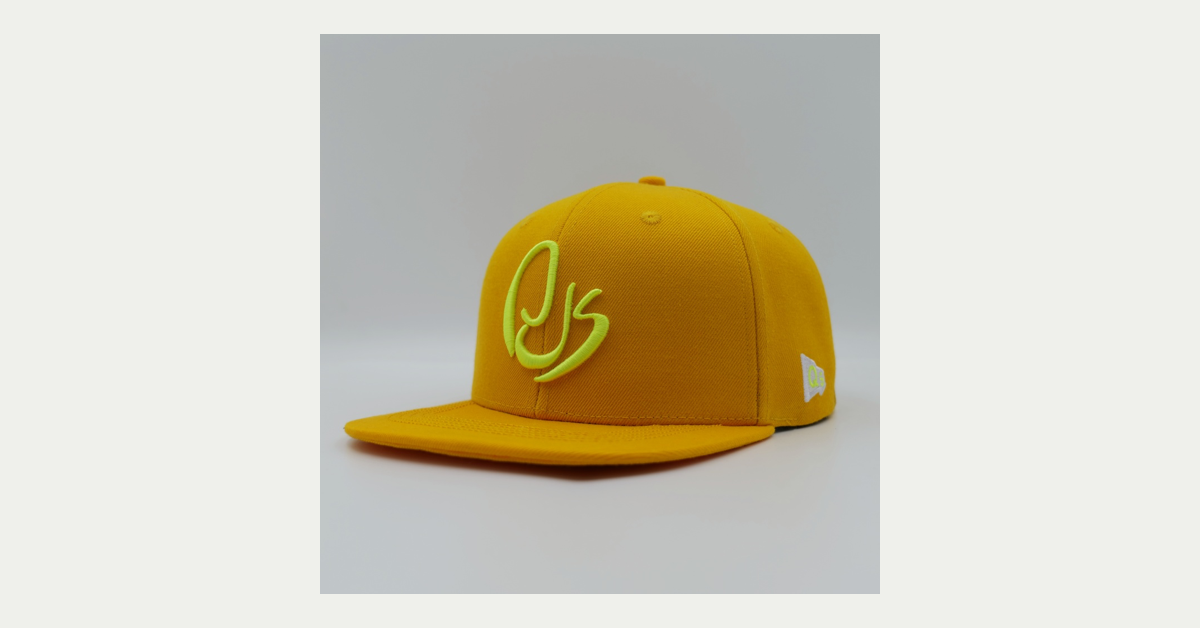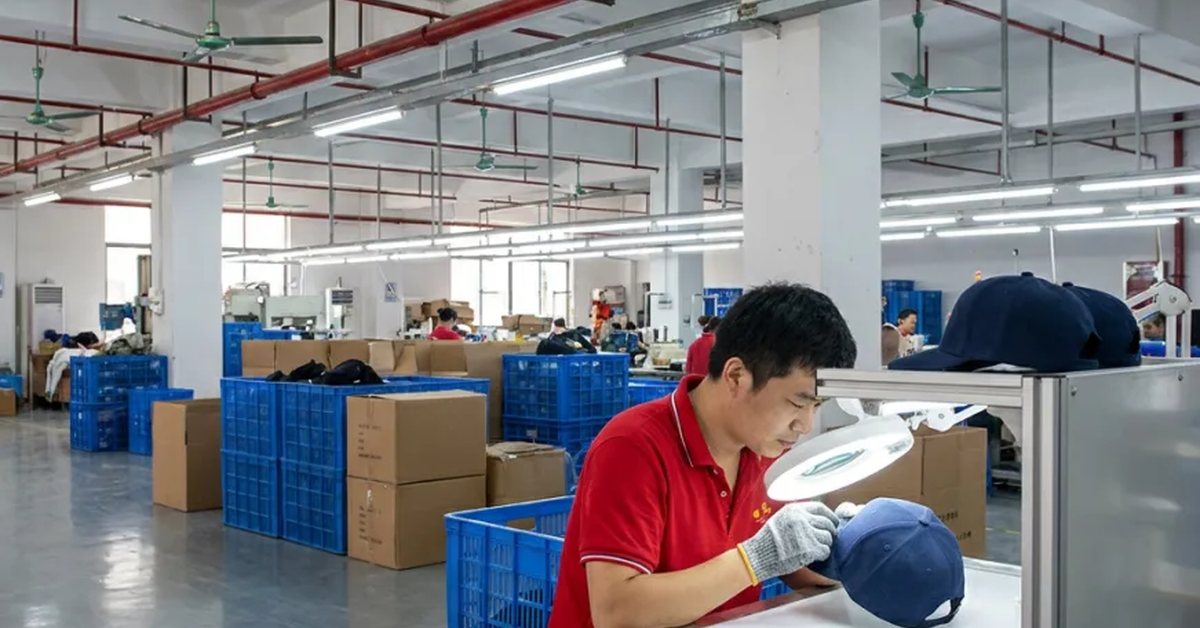


Custom hats for clothing brands should behave like part of a collection, not like unrelated promotional merchandise. The crown shape, fabric hand, color palette, logo scale, labels, packaging and retail price must connect with the apparel line while remaining practical to manufacture and reorder.
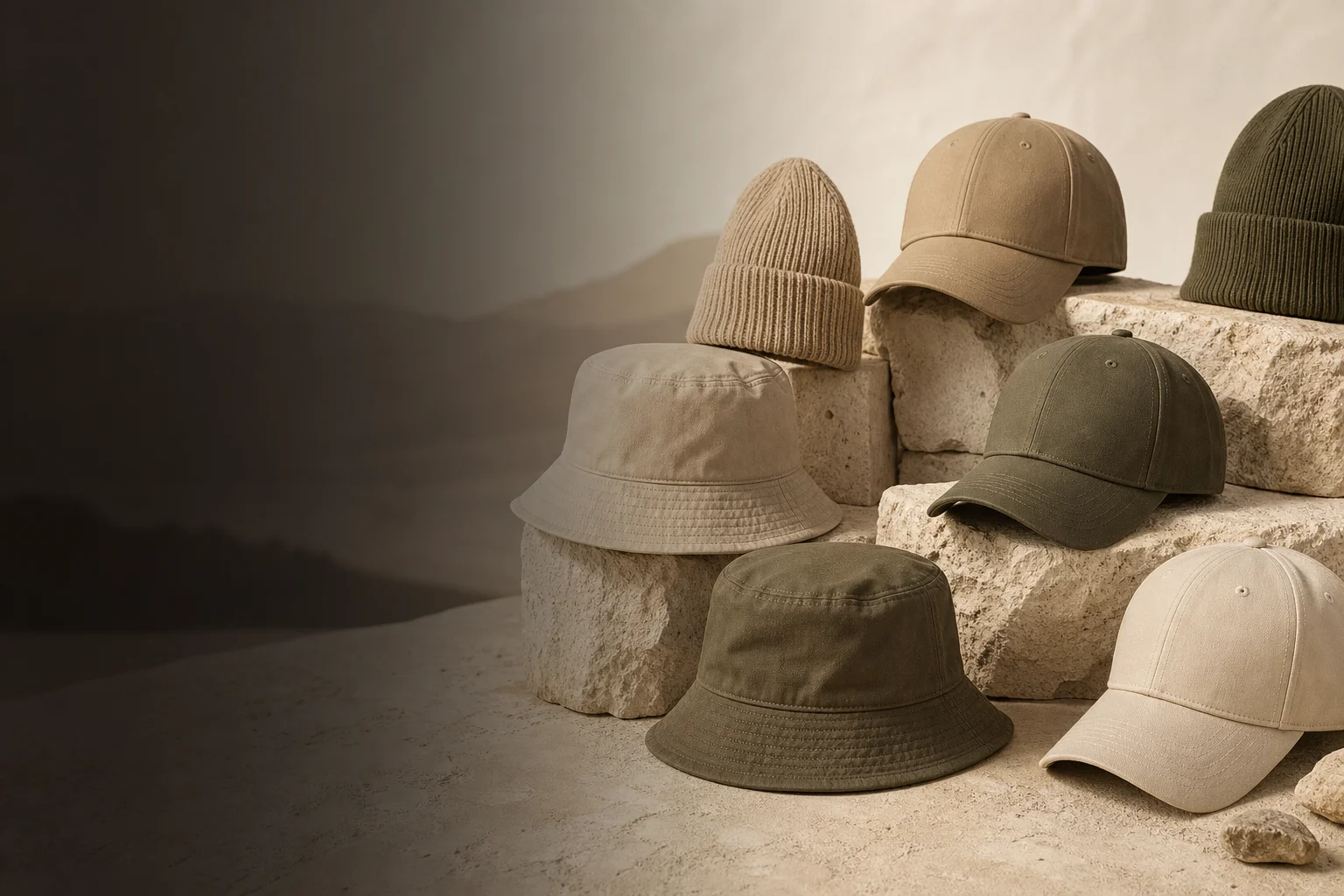
This guide is for fashion labels, streetwear brands, lifestyle retailers and apparel teams adding headwear to a seasonal range or building a permanent accessories category.
The Direct Answer for Apparel Brand Teams
Translate the brand into a short set of physical rules: silhouette, fit, materials, core colors, logo behavior, label hierarchy and target price. Build one hero style and a limited supporting range, approve it beside the apparel collection, then preserve a complete production file for repeat orders. Do not create more colors and trims than the launch volume can support.
Build a Headwear Collection Map
| Collection role | Typical purpose | Decision to lock |
|---|---|---|
| Core carryover | Year-round brand recognition and reorders | Stable style, fabric and core color |
| Seasonal color | Connects with the current apparel palette | Color reference and launch window |
| Graphic statement | Campaign or capsule storytelling | Artwork scale, technique and limited quantity |
| Entry price | Accessible first purchase | Simple decoration and efficient construction |
| Premium style | Higher perceived value or collaboration | Material, trim, packaging and margin |
A focused collection gives each SKU a job. When every cap is treated as a hero, the range often becomes too fragmented to meet efficient minimums or generate clean sales data.
Convert Brand DNA Into Physical Specifications
Replace abstract words such as “premium,” “vintage” or “technical” with measurable decisions. Premium might mean a denser fabric, restrained embroidery, a metal closure and custom woven labels. Vintage might mean an unstructured crown, washed finish and muted thread. Technical might mean lightweight fabric, ventilation and a simple moisture-oriented sweatband.
Create a one-page design code showing acceptable crown profiles, brim shapes, logo sizes, color families, hardware finishes and label positions. This helps a custom hats for clothing brands supplier propose options without drifting away from the label’s identity.
Choose the Hero Silhouette Before Adding SKUs
Start with the style most likely to represent the brand: a relaxed dad hat, structured baseball cap, snapback, five-panel cap, trucker or beanie. Approve fit and proportion before applying multiple graphics. The hero silhouette becomes the reference for photography, product descriptions, packaging and future colorways.
If a second silhouette is added, it should serve a different wearer or season. Two nearly identical caps can split demand without creating meaningful choice.
Create a Controlled Material Palette
Align headwear materials with the apparel line where practical, but account for cap construction. A garment fabric may be too soft, stretchy or unstable for the chosen crown. Record composition, weight, weave, finish, color and care. Ask whether the fabric is a repeatable stock option or a one-season purchase.
For custom-dyed or specialty fabrics, clarify minimums, shade approval and reorder risk before building the launch plan around them.
Design a Decoration System, Not One Logo
| Brand expression | Suitable approach | Risk to review |
|---|---|---|
| Small wordmark | Flat embroidery or woven patch | Legibility at finished size |
| Bold dimensional mark | 3D embroidery or molded patch | Weight and crown stiffness |
| Detailed illustration | Woven patch, print or simplified embroidery | Loss of fine detail |
| Seasonal graphic | Print, applique or patch | Setup cost for short runs |
| Quiet luxury | Tonal embroidery and restrained trims | Insufficient contrast in photography |
Define rules for front, side and back branding. Approve the logo at actual size and normal viewing distance. Digital artwork can hide thread gaps, patch borders, panel curvature and color interaction.
Engineer Margin From the Target Retail Price
Work backward from the intended retail price, wholesale terms, duty, freight, fulfillment and desired margin. Request separate visibility for cap construction, decoration, custom labels, hangtags, individual packaging, inspection and freight. This prevents an attractive sample from becoming commercially unsuitable after all launch costs are added.
When comparing factories, use the same product and logistics scope. A lower cap price can be offset by extra setup charges, weak packing, high defect handling or difficult reorders.
Approve the Sample Beside the Apparel Range
- Review the cap on several wearers and from front, side and rear.
- Place it beside key garments under the same lighting.
- Compare fabric shade, logo scale and hardware finish.
- Photograph it using the planned ecommerce framing.
- Check labels, hangtags and packaging as a complete retail unit.
- Record changes in one consolidated approval document.
QSHeadwear states typical physical samples take about 3-5 business days after requirements are aligned. Custom materials, special washes, multiple graphics and branded packaging can extend the development calendar.
Limit SKU Fragmentation Before Launch
Quantity is divided by style, color, logo version, size where applicable, label and destination. A collection that looks small on a mood board can become dozens of production combinations. Rank every SKU as core, seasonal or experimental. Protect volume for the core style and use a deliberate test quantity for uncertain designs.
Build the Launch Calendar Around Approval Gates
Work backward from photography, wholesale showroom, ecommerce launch or store delivery. Include artwork freeze, material approval, physical sample, fit approval, packaging proof, bulk production, inspection and freight. Do not schedule campaign photography before the production-equivalent sample is accepted.
Define Quality in Brand Language
Inspection criteria should include measurements, silhouette, brim shape, panel symmetry, shade, logo placement, thread or patch quality, trims, labels, cleanliness and packing. Add brand-specific defects such as visible backing, inconsistent wash, incorrect hardware tone or packaging scratches. QSHeadwear describes incoming, pre-production, in-line and final AQL 2.5 checks; request the order-level inspection plan.
How Custom Hats for Clothing Brands Become Reorderable
Retain the tech pack, pattern reference, material swatch, color standard, artwork, thread or patch specification, trim codes, labels, packaging, barcode map and approved sample. Record which elements may be substituted and which require brand approval. This file turns custom hats for clothing brands into a repeatable category instead of a one-off project.
Request a Clothing Brand Headwear Proposal
Explore QSHeadwear product styles, review the custom development process and check factory information. Send your brand positioning, collection role, target price, materials, artwork, quantities and launch date through the contact page for a focused custom hats for clothing brands proposal.
FAQ About Headwear for Clothing Brands
1. What should a clothing brand include in a hat brief?
Include brand positioning, target wearer, collection role, style, fit, materials, colors, decoration, retail price, quantity and launch date.
2. How many hat styles should a new brand launch?
Begin with a focused hero style and add supporting SKUs only when each has a clear commercial role.
3. Can apparel fabric be used for caps?
Sometimes, but the fabric must support the crown structure, recovery, decoration and care requirements.
4. How should a brand choose logo size?
Approve actual-size samples on the selected crown and review them at normal viewing distance and in ecommerce photography.
5. What affects MOQ for a clothing brand collection?
Styles, colors, specialty fabrics, artwork versions, labels, packaging and destination splits can each affect minimums.
6. How can brands protect margin?
Work backward from retail price and include freight, duty, fulfillment, packaging, setup and expected defect handling.
7. What should be checked on a pre-production sample?
Check fit, silhouette, materials, shade, branding, trims, labels, packaging and photography readiness.
8. Can one hat style use several seasonal colors?
Yes, but each color divides volume and may create shade and reorder risk, so protect core colors first.
9. How should branded hats be packed?
Coordinate the retail unit, bag, hangtag, barcode and carton map with the brand’s warehouse or fulfillment process.
10. What makes a headwear collection reorderable?
Custom hats for clothing brands become reorderable through a complete product file, stable materials, approved substitutions, retained samples and controlled SKU architecture.