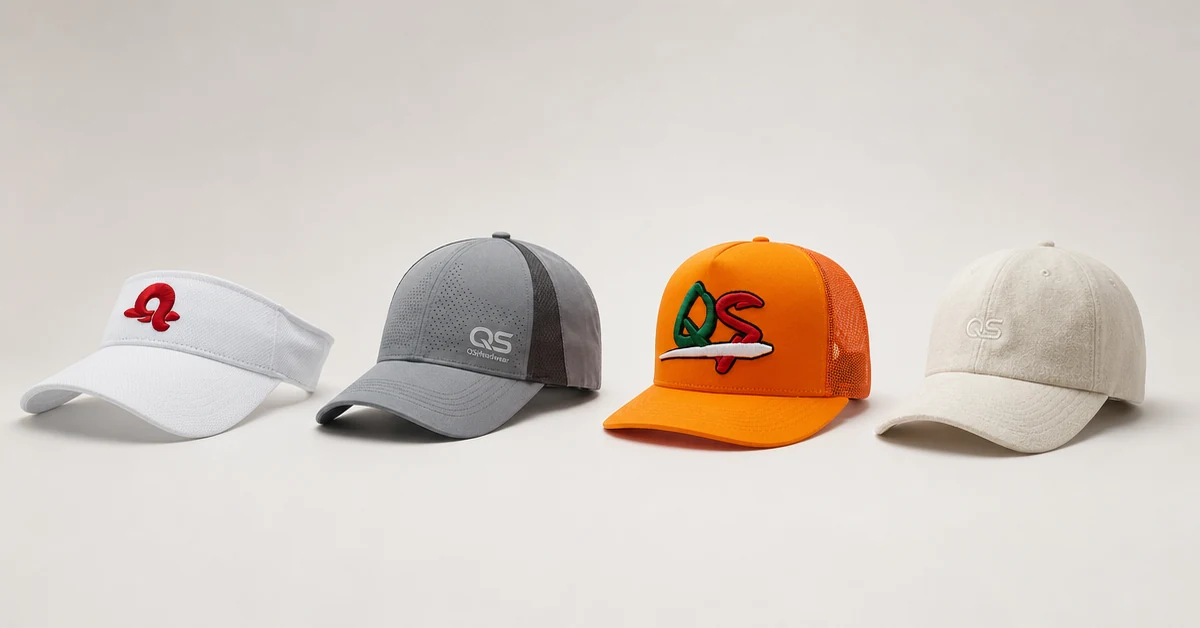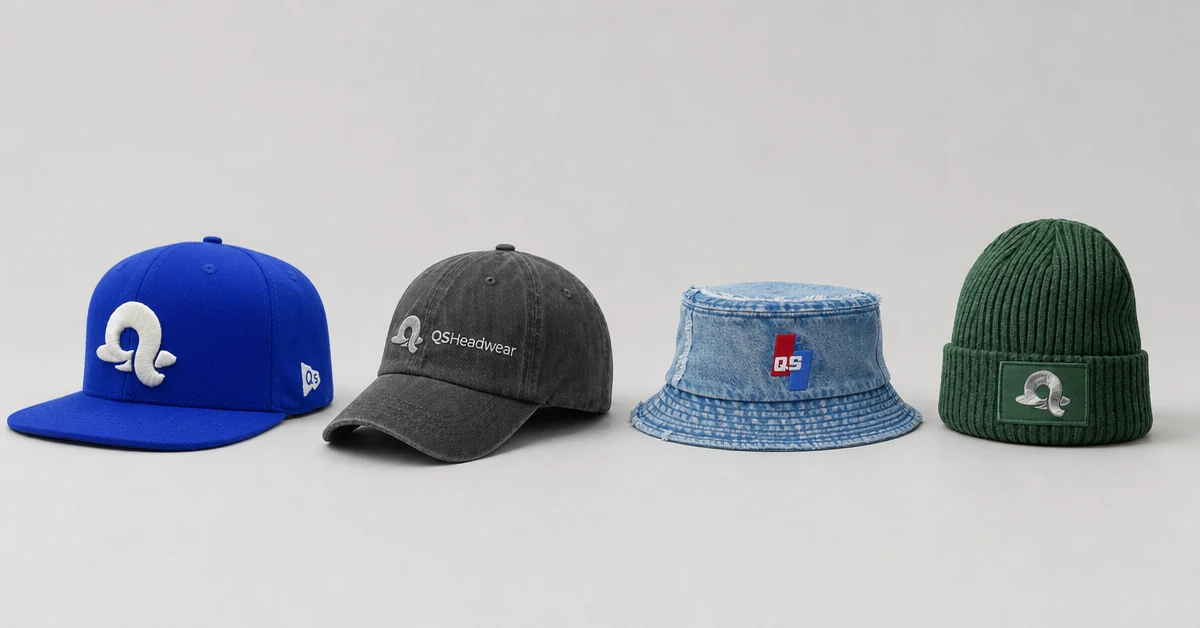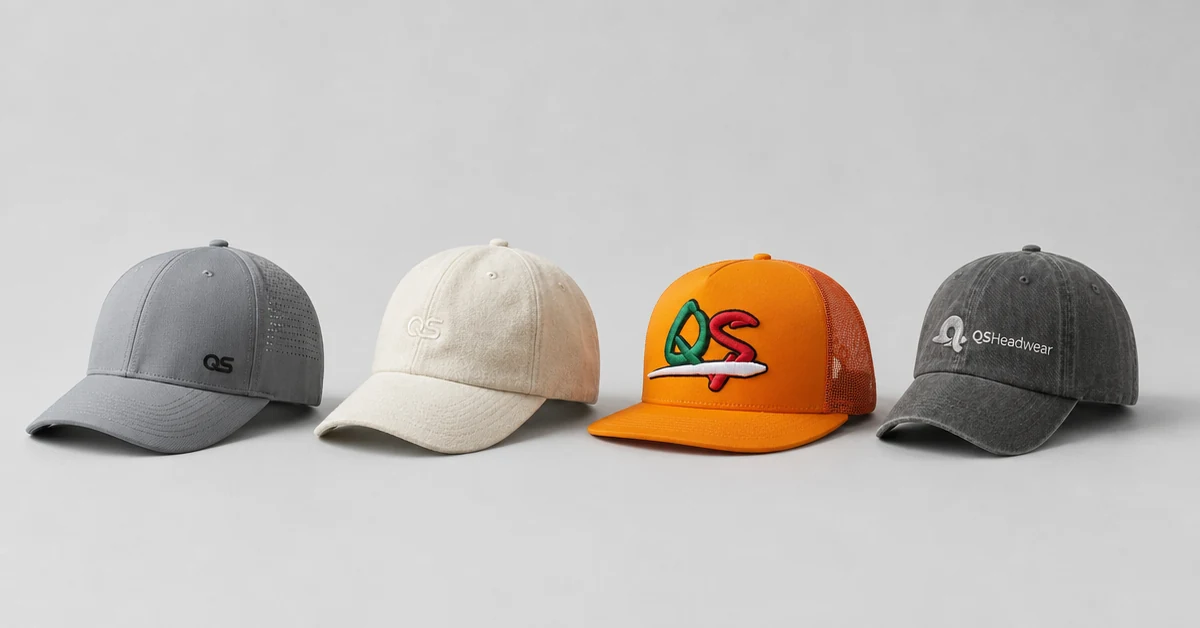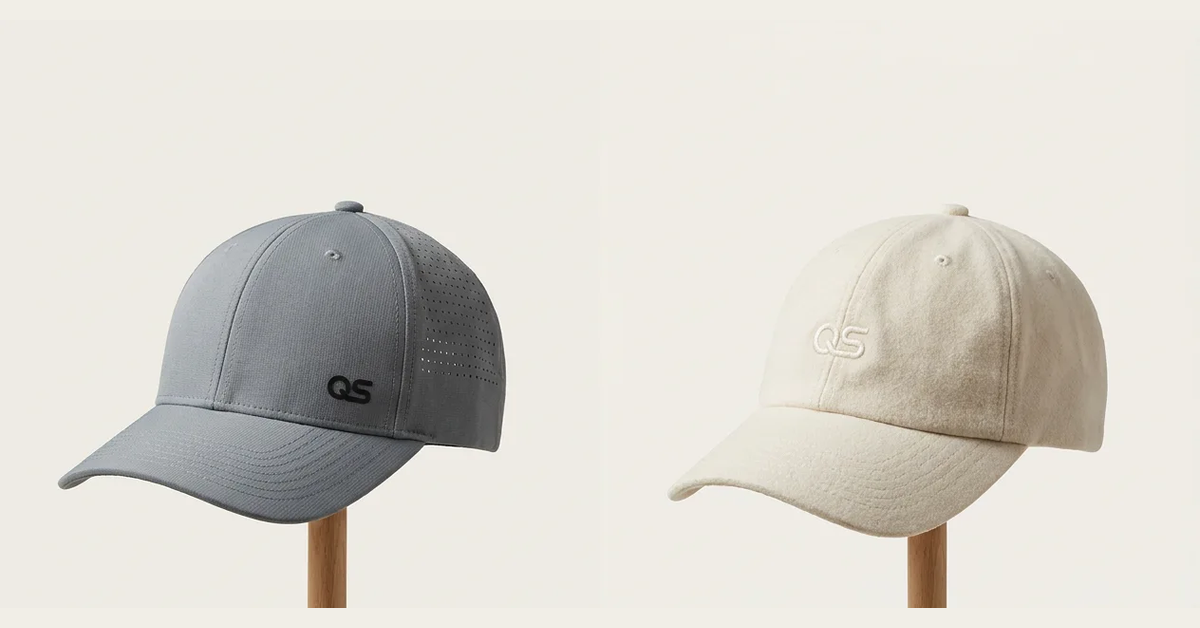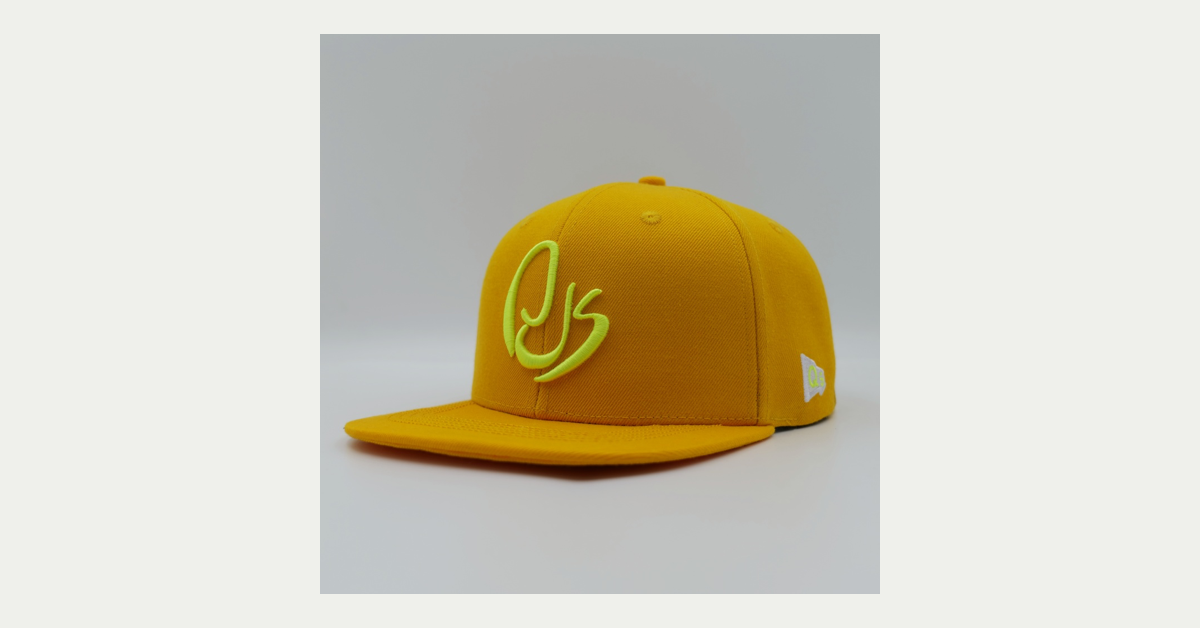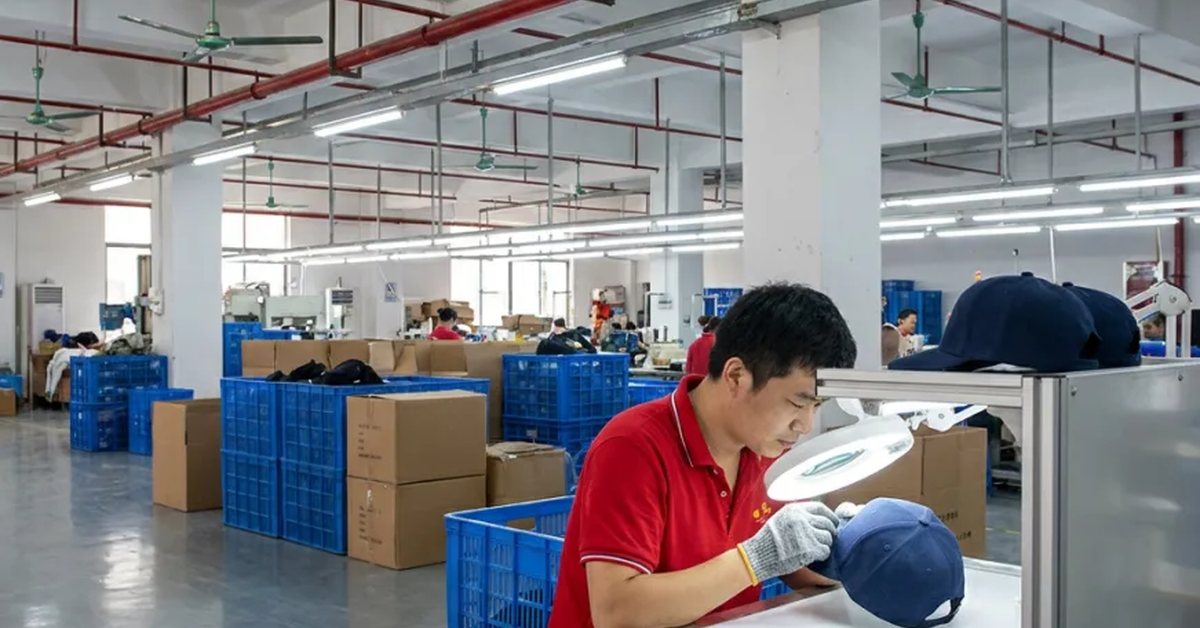


Custom heat transfer caps can reproduce fine detail, gradients and multi-color graphics with less stitched bulk than embroidery. The result still depends on the transfer system, cap fabric, panel curve, heat, pressure, dwell time and cooling procedure. Buyers should approve the finished decoration on the actual production cap rather than selecting the method from artwork alone.
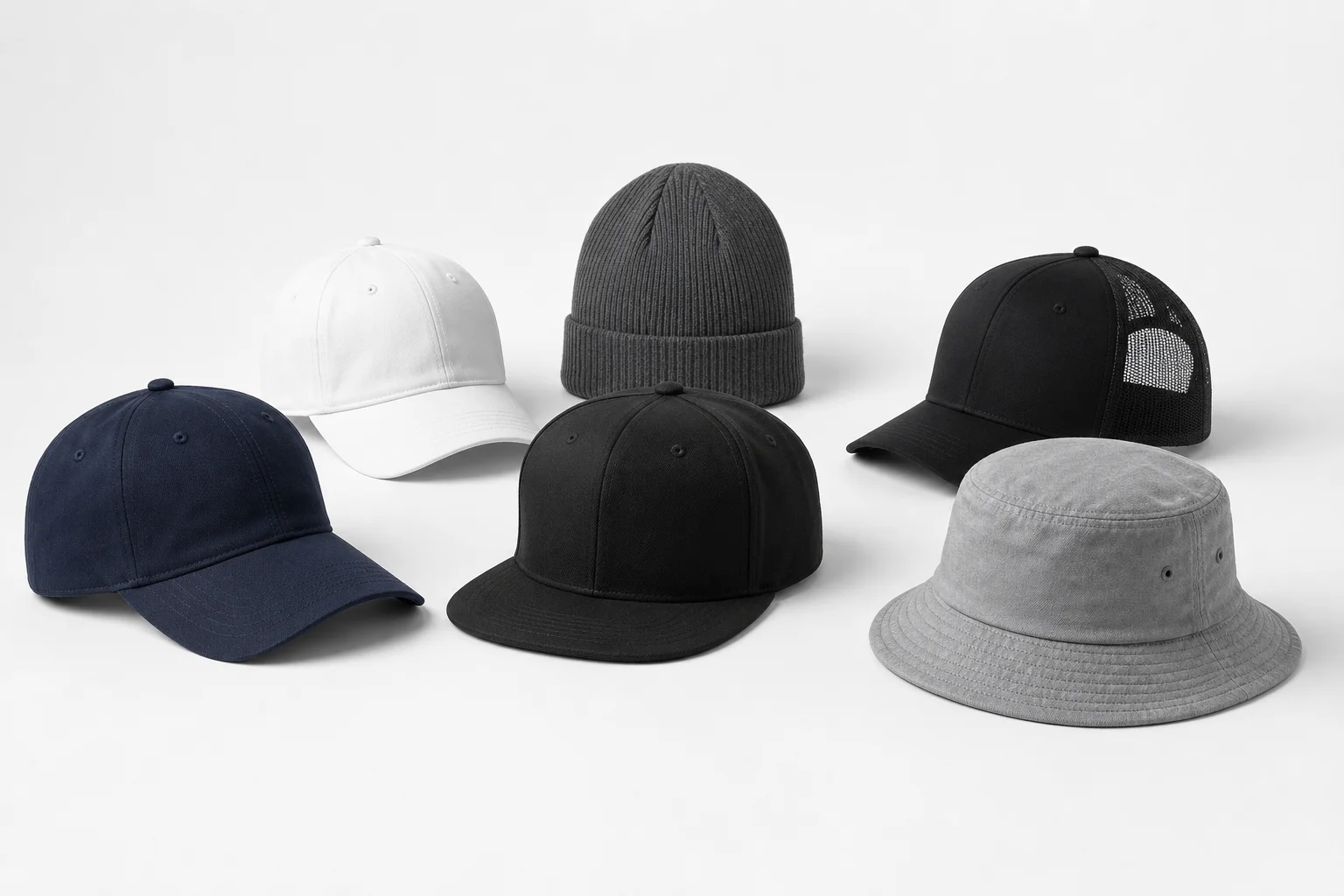
This guide is for fashion, sports, merchandise, promotional and e-commerce buyers comparing heat-applied graphics for branded headwear.
Heat Transfer Cap Sourcing: The Direct Answer
Match the transfer type to artwork, fabric, color and intended wear. Confirm the factory can control application temperature, pressure, time and placement on a curved cap surface. Approve a physical sample after cooling, then define appearance and durability checks, material traceability and reorder settings before bulk.
Heat Transfer Decision Table
| Decision area | What the buyer should define | Approval evidence |
|---|---|---|
| Artwork | Finished size, colors, detail, gradient and edge | Production proof |
| Transfer | Film, ink, adhesive, finish and thickness | Transfer specification |
| Cap surface | Fabric, coating, color, texture and panel curve | Actual-material sample |
| Application | Temperature, pressure, dwell and cooling | Recorded process settings |
| Durability | Flex, rub, care and intended exposure | Agreed test result |
| Reorder | Material lot, file version and application recipe | Archived approval package |
Choose Heat Transfer for the Right Artwork
Heat transfer can suit detailed marks, photographs, gradients, names, numbers and short-run artwork variations. Very large solid areas can change hand feel, while thin elements may need careful weeding or printing. Review the design at final size and normal viewing distance. Ask whether outlines, small text or transparency need adjustment.
Match the Transfer System to Cap Material
Cotton, polyester, blends, performance fabrics and coated materials react differently to heat and adhesive. Color migration can affect light graphics on some polyester fabrics; excessive heat can flatten texture, create shine or damage a finish. Test the selected system on the exact fabric and color proposed for bulk custom heat transfer caps.
Design Around the Curved Panel
A cap front is not a flat T-shirt. Seams, crown structure, panel curve and brim access affect pressure and placement. Define the logo centerline, distance from the brim seam and finished dimensions. A shaped platen or suitable fixture may be needed for consistent contact. Inspect edges and surface pressure across the whole graphic.
Control Heat, Pressure, Time and Cooling
The application recipe should identify equipment, temperature range, pressure, dwell, peel method and cooling. Too little bonding can cause lifting; too much heat or pressure can mark the fabric or distort the cap. Ask the supplier to record the approved settings and verify them during production instead of relying only on operator memory.
Approve a Heat Transfer Sample Properly
- Check artwork scale, color, opacity and edge detail.
- Inspect alignment with seams, brim and panel center.
- Look for shine, pressure marks, migration or fabric distortion.
- Flex the panel and inspect cracking or edge lift.
- Rub the cooled transfer and follow the agreed care test.
- Review the complete cap fit, labels and packaging.
QSHeadwear states typical physical samples take 3-5 business days after requirements are aligned. Custom transfer development, color matching, special fabrics and durability testing can add time.
Define Durability for the Actual Use Case
A promotional cap, fashion accessory and sports cap may require different handling and care. Agree whether approval includes dry flexing, rubbing, wash cycles, heat exposure or another method. Record test conditions and acceptance criteria. Avoid describing a transfer as permanent or washable without evidence tied to the final fabric and process.
Set Visual Quality Criteria
Define color, opacity, registration, surface finish, edge adhesion, placement, distortion and pressure marks, along with cap measurements, seams and cleanliness. QSHeadwear describes incoming material checks, pre-production approval, in-line monitoring and final AQL 2.5 inspection. Request the specific decoration checks used during the order.
Understand MOQ and Setup Cost
Transfer sheets, print runs, color management, artwork preparation and cap color splits can create fixed costs. Names or numbers may allow personalization but require careful file and packing control. Ask for minimums by cap style, fabric color, artwork version and packaging, plus any setup cost that can be reused.
Compare Heat Transfer With Other Methods
Embroidery offers texture and long familiarity but may be heavy for fine or large artwork. Screen printing can be efficient for repeat designs but requires screens and suitable curved-surface control. Woven or molded patches add a separate component. Compare appearance, hand feel, durability evidence, setup, minimums and reorder consistency rather than selecting only by unit price.
Protect Transfers During Packing
Do not stack a newly applied decoration under pressure before it has cooled and stabilized. Specify tissue, orientation, nesting and carton compression when surfaces could rub. Confirm that bags, inserts or moisture conditions will not stick to or mark the transfer. Review a packed sample for visible pressure and abrasion.
Keep a Transfer Reorder Recipe
Archive the artwork file, color output, transfer supplier and material, cap fabric and color, application settings, placement measurements, approved sample, test result and inspection criteria. Require written approval for a change in film, adhesive, ink, cap finish or equipment. This lets repeat custom heat transfer caps match the first approved run more closely.
Request a Heat Transfer Cap Sample
Explore QSHeadwear cap styles, review the OEM/ODM capabilities and visit the company page. Send artwork, finished size, cap material, quantity, durability needs, packaging and date through the contact page to request a sample and quote for custom heat transfer caps.
FAQ About Custom Heat Transfer Caps
1. What artwork suits heat transfer on caps?
Detailed, multi-color, gradient and variable artwork can work, but it should be reviewed at finished size on the curved panel.
2. Which cap fabrics accept heat transfer?
Cotton, polyester and blends may work with a compatible system; coated or technical fabrics require actual-material testing.
3. Can polyester color migrate into a transfer?
Some dyed polyester can migrate under heat, so test the exact fabric color and use an appropriate transfer system.
4. Why does cap curvature matter?
Curvature and seams affect pressure and alignment, so the factory may need a shaped fixture and controlled placement.
5. How is transfer durability checked?
Agree flex, rub, care or wash conditions and acceptance criteria based on the intended use before bulk.
6. What affects heat transfer MOQ?
Transfer sheet runs, artwork versions, cap colors, fabric, labels and packaging can affect minimums and setup cost.
7. How long does sampling take?
QSHeadwear states typical physical samples take 3-5 business days after alignment; transfer development and testing add time.
8. What defects should QC inspect?
Check color, opacity, registration, edge lift, cracking, pressure marks, migration, placement and fabric distortion.
9. Is heat transfer better than embroidery?
It depends on artwork, texture, weight, durability, fabric, quantity and desired appearance; compare finished samples.
10. How can reorders stay consistent?
Keep the approved file, transfer specification, cap fabric, application settings, placement, test result and physical sample.