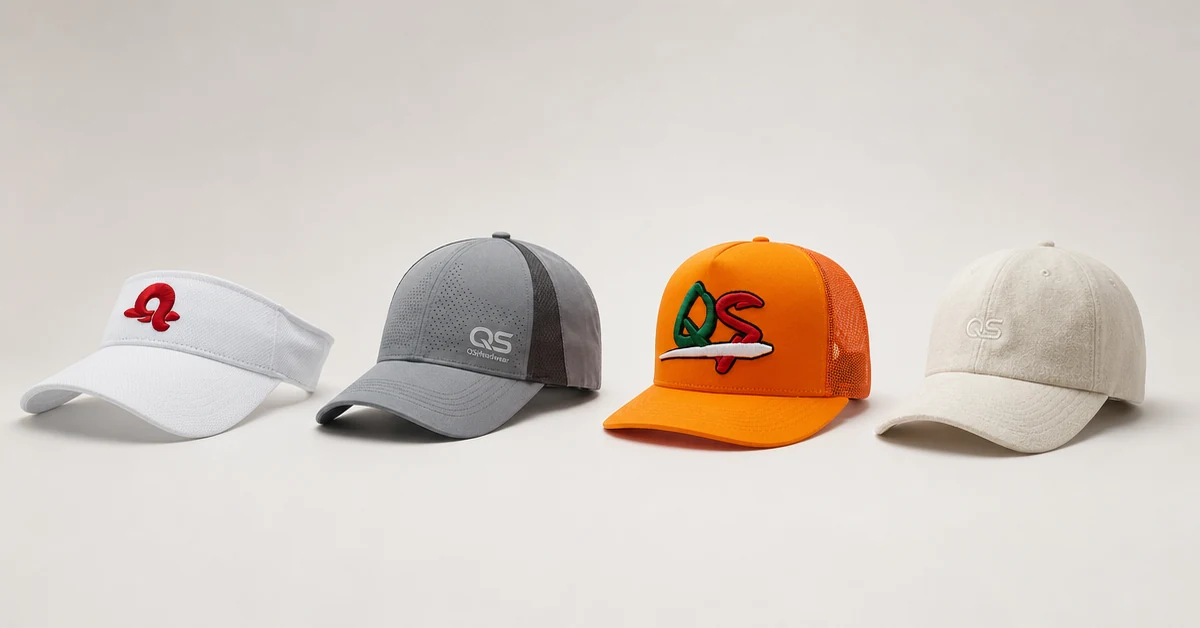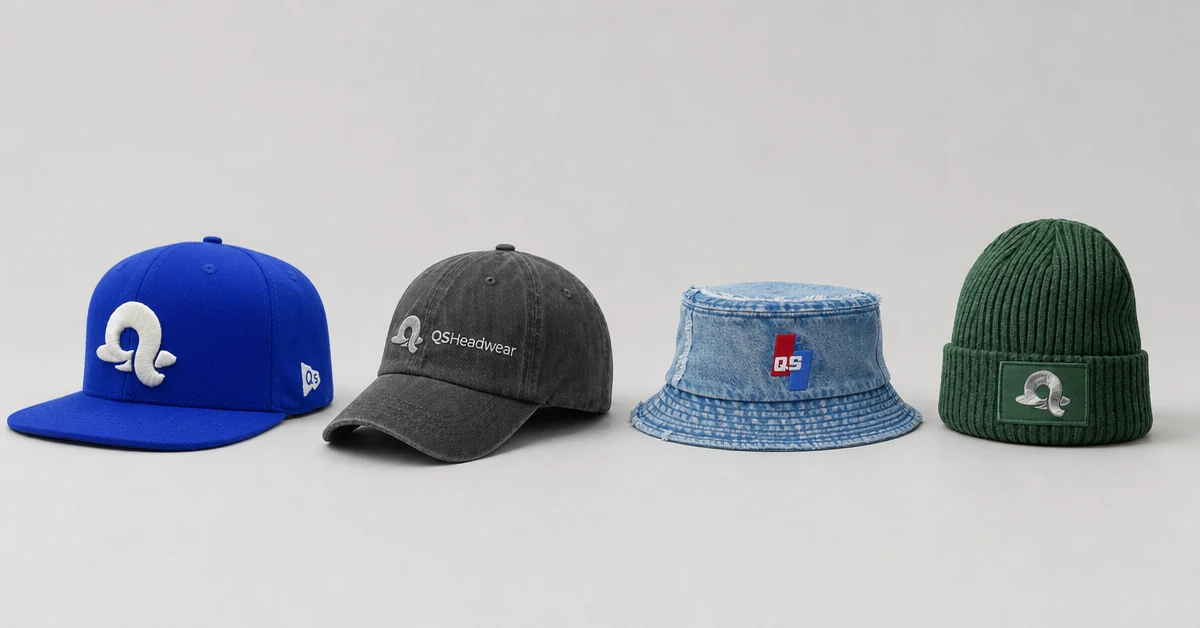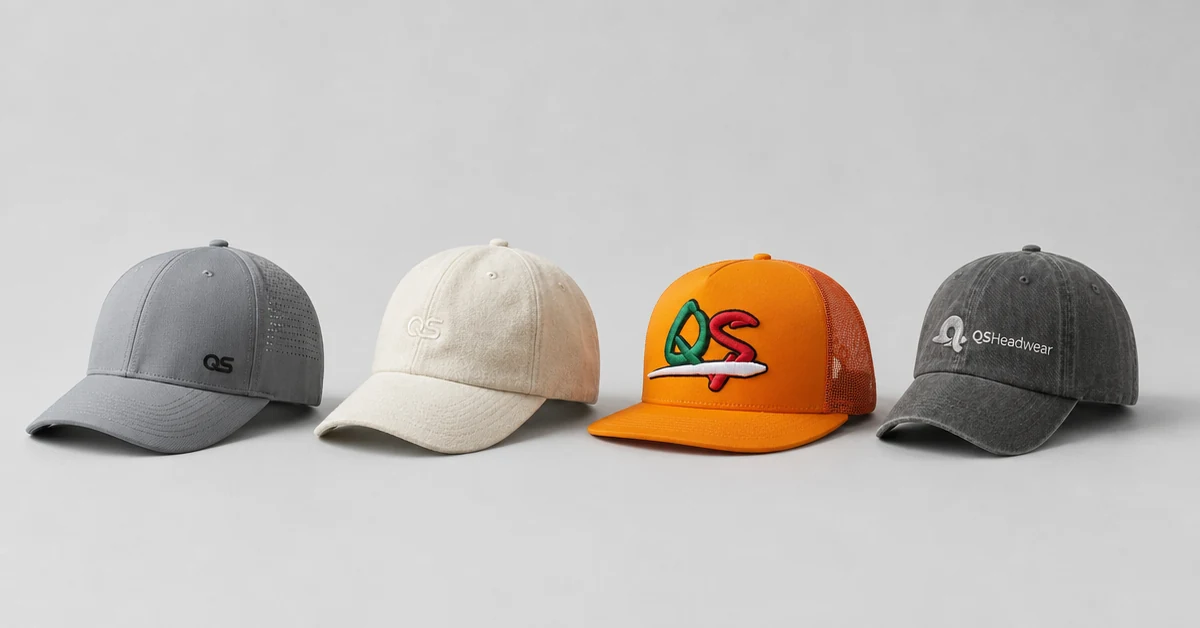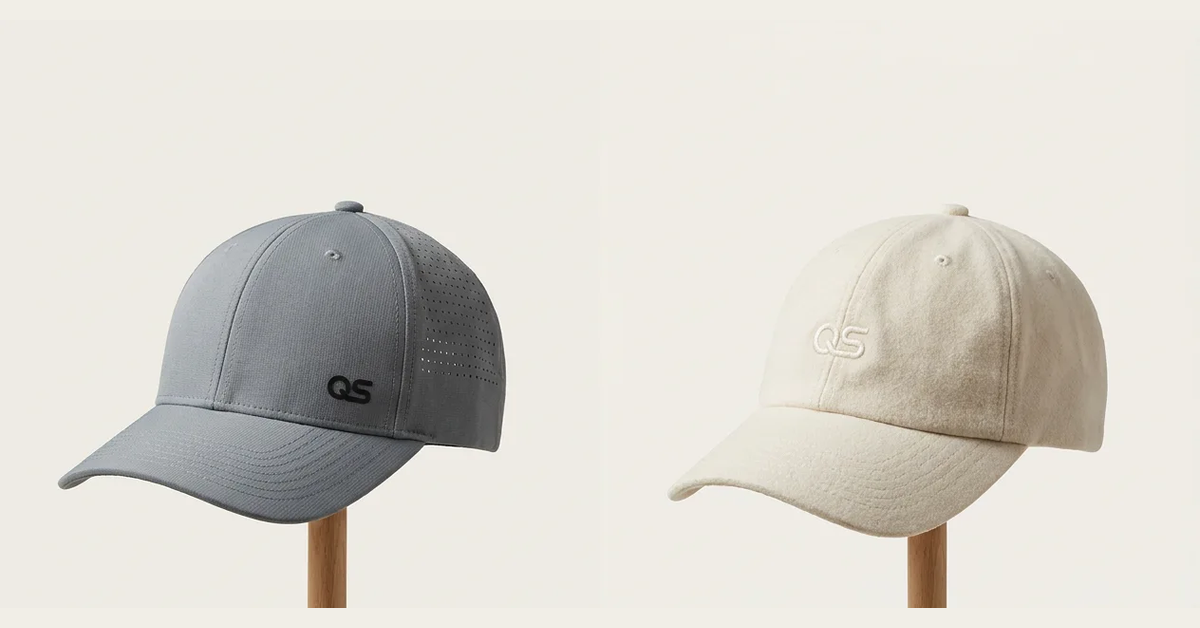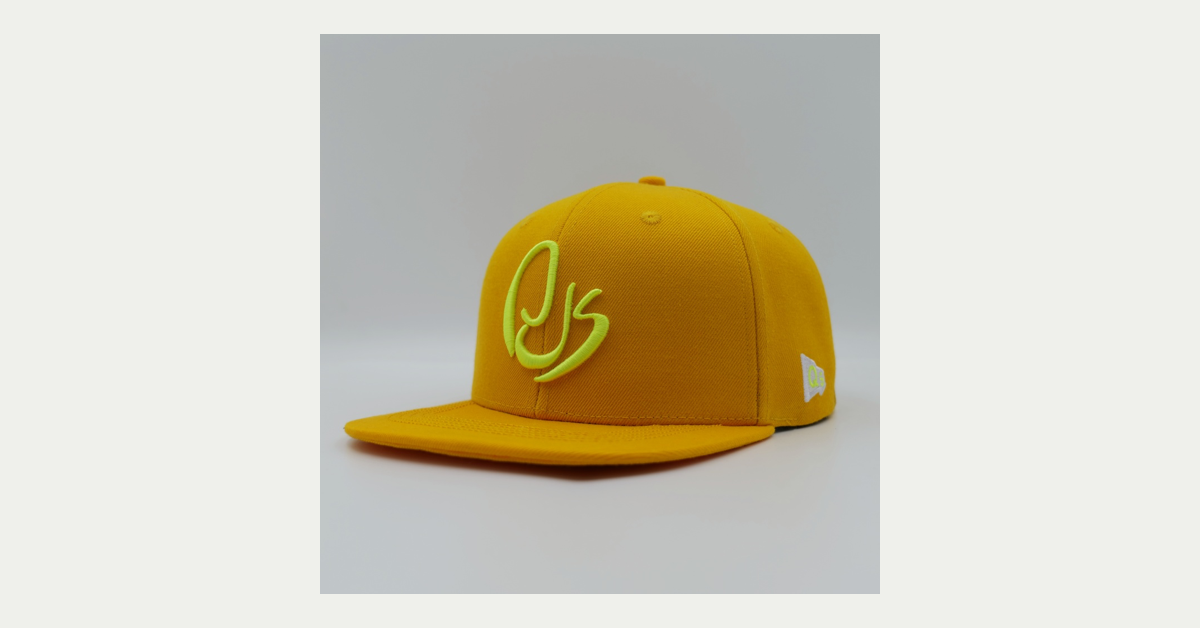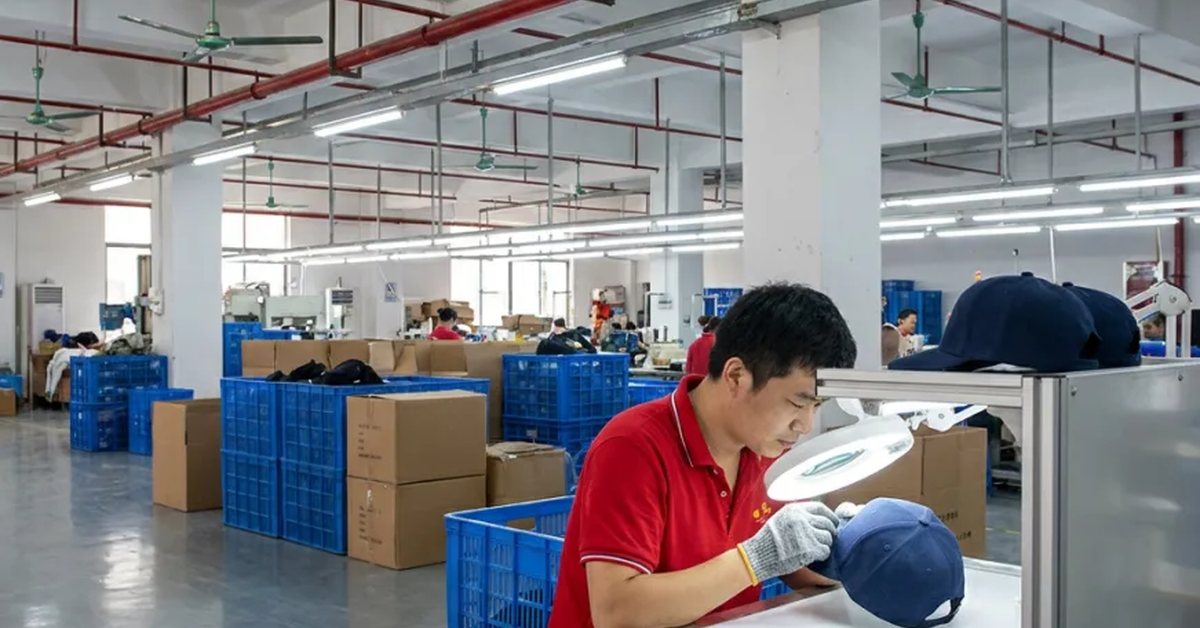


A custom merch hats manufacturer should not receive three colorways and a logo with no explanation of the drop. One cap may need to stop the scroll. Another must sell steadily after the launch. A third may exist mainly to lift average order value. Manufacturing decisions improve when each SKU has a commercial job.
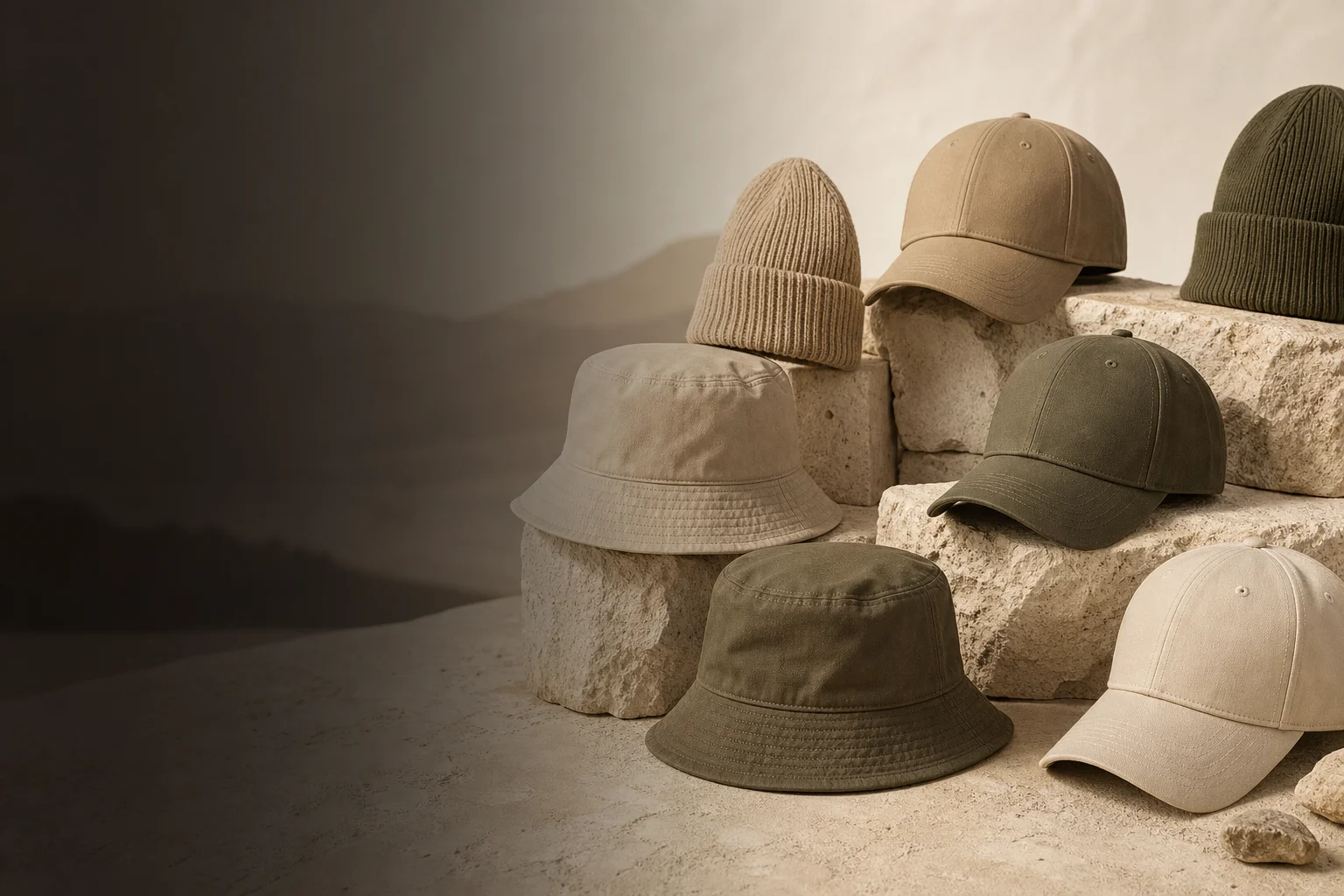
Imagine a planning table with a brand manager, a product developer and a production partner. The conversation below turns a loose “merch collection” into three deliberate products.
First Decision: Name the Hero
The hero hat carries the strongest visual idea. It may use the boldest embroidery, an unusual material or a limited color. Give it the best campaign image and a clear reason to exist. Do not also make it the cheapest, safest and easiest SKU; one product cannot lead every metric.
Second Decision: Give the Other Hats Real Jobs
| SKU role | Product behavior | Development priority |
|---|---|---|
| Hero | Creates attention and drop identity | Distinctive silhouette or decoration |
| Core | Converts the broadest audience | Reliable fit, versatile color and repeatability |
| Add-on | Pairs with apparel or raises basket value | Accessible price and simple story |
| Test | Measures interest in a new idea | Controlled quantity and fast learning |
If two SKUs have the same role, combine them or make the distinction visible. Tiny changes in thread color create inventory, photography and barcode work without necessarily creating customer choice.
Build the Drop From a Shared Fit Language
Different styles can belong together without fitting identically, but the differences should be intentional. Record crown profile, depth, brim, closure and target head range for each. If the hero is a structured snapback and the core is an unstructured strapback, explain that contrast in the product copy instead of letting customers discover it through returns.
Use Logo Hierarchy, Not Logo Multiplication
Choose a primary mark, a secondary mark and perhaps one quiet internal detail. Assign each to a location and technique. A large front emblem, side wordmark, rear icon, woven label and printed tape can overwhelm one cap. Restraint gives each element room and reduces development risk.
What a Custom Merch Hats Manufacturer Needs Before Sampling
- One-page collection map with SKU roles and launch priority.
- Cap block, measurements and fit reference for each style.
- Production artwork with dimensions, colors and placements.
- Material, closure, labels, hangtags and packing requirements.
- Target quantity by SKU and color, plus launch deadline.
- Open decisions, named approvers and the latest decision date.
Plan Product Data While the Sample Is Physical
Measure the actual sample, confirm fiber composition and write care guidance from the real construction. Capture closure type, fit description, crown, brim, material hand and color in a consistent vocabulary. Product-page accuracy is part of production quality because it shapes customer expectations.
The GS1 GTIN Management Standard helps businesses make consistent decisions about unique trade-item identification. GS1 apparel guidance treats the relationship between item, color, size and GTIN as one-to-one. Build identifiers and label files before packing, not during the launch-week rush.
Photograph Questions, Not Just Angles
| Customer question | Image to capture | Production detail to verify |
|---|---|---|
| How tall is the crown? | Straight side view on a wearer | Crown depth and wearing position |
| What does the fabric feel like? | Close texture image in neutral light | Material and finish identity |
| How does it adjust? | Open rear view | Closure and practical range |
| Is the logo dimensional? | Raking-light close-up | Technique, height and edge quality |
| What arrives in the parcel? | Complete packed unit | Labels, protection and inserts |
Launch Packaging Has a Logistics Job
A premium mailer cannot rescue a crushed brim. Test the hat inside the actual ecommerce pack with the apparel or accessories it will ship beside. Check movement, moisture protection, scuff risk, pack time and dimensional weight. If an insert is needed, make it easy for warehouse staff to use consistently.
Write an Allocation Plan Before the Cartons Close
Tell the factory whether stock ships to one warehouse, several fulfillment centers, an event venue or a photographer first. Define carton labels and the quantity of each SKU per carton. A mixed carton can speed a distributed launch, while a single-SKU carton may simplify replenishment. There is no universal answer.
Protect the Drop Date With Decision Buffers
Work backwards from the date stock must be available, not the date a campaign goes live. Reserve time for sample review, bulk material, production, final inspection, transit, customs and warehouse intake. QSHeadwear publishes sample estimates of about 3–5 working days and common bulk estimates of about 15–20 days, with larger orders taking longer. Treat those as planning references that must be reconfirmed for the actual style and season.
Give Each Sample Round a Commercial Question
The first round may compare fit and silhouette. The second can lock decoration and labels. A final pre-production sample should represent the product the customer will receive. Mixing all questions into every round makes feedback slower and obscures which decision caused a change.
A custom merch hats manufacturer can support this sequence by labeling temporary components and returning a concise open-item list. The brand should respond with one consolidated approval rather than comments spread across design, marketing and operations chats.
Build Margin Guardrails Before Adding Details
Set a target landed-cost range for each SKU role. Then evaluate features by the customer value they create. A custom internal tape may strengthen brand experience; a fourth external logo may not. Packaging that lowers damage can protect margin more directly than a decorative insert.
Keep sampling, freight, duties, payment fees, fulfillment materials and expected returns outside the factory unit-price conversation until the landed view is complete. A hero SKU can carry a different margin from a core SKU, but the decision should be visible.
Use Preorders Carefully
A preorder can validate demand, but it also turns production uncertainty into a customer promise. Publish a delivery window only after the material, sample and capacity assumptions are credible. Leave room for inspection and transit rather than using the earliest possible date.
If the product changes after customers order, record the decision and update communication promptly. Preorders are not a substitute for a finished development brief.
Approve a Packing Sample With the Fulfillment Team
The brand team may love a rigid gift box that slows every pack station. The factory may propose a compact bag that leaves the brim exposed in a mixed parcel. Put the complete unit in front of the people who receive, store, pick and pack it. Time one pack-out and note where errors could occur.
Then freeze the barcode position, SKU name, protective elements and carton allocation. A packing sample is an operational prototype, not only a presentation piece.
Keep one signed example at the factory and one with the brand. When a fulfillment complaint arrives, both teams can compare the delivered unit with the same reference instead of debating a photograph.
Decide the Reorder Signal Before Selling Out
A sellout can mean strong demand, too little stock or an unusually effective campaign. Track sales rate, margin, returns, reviews and stock by SKU role. Set a reorder trigger that considers production and transit lead time. Keep a small amount of stock for exchanges, content and quality reference.
Do a Post-Drop Product Review
Bring customer comments back to the product file. Separate fit issues from expectation issues and isolated defects. If customers love the hero artwork but prefer the core fit, the next drop has a clear development hypothesis. Merch becomes a learning system instead of a sequence of disconnected orders.
Review slow sellers with the same discipline. Check product-page traffic, conversion, size complaints, returns and campaign exposure before blaming the cap. A weak SKU may have the wrong role, unclear photography or too much inventory rather than poor construction. Record the conclusion beside the production file so the next assortment starts with evidence.
Turn the Collection Map Into a Production Brief
Explore QSHeadwear hat styles, review the custom development process and see manufacturing information. Send your SKU roles, fit references, artwork, quantities, packing and launch date through the contact page to brief a custom merch hats manufacturer.
Merch Drop Debrief: Ten Buyer Questions
How many hat SKUs should a first drop include?
Use the smallest assortment that creates meaningful choice. One hero and one reliable core may be enough.
What is a hero SKU?
It is the product that carries the strongest campaign idea and draws attention to the collection.
Should every hat use the same fit?
Not necessarily, but differences must be deliberate, measured and explained to customers.
How many logo placements are too many?
There is no fixed number. Use a hierarchy and remove details that compete without adding value.
When should product copy be written?
Draft it during sampling, then verify every material, fit and care statement against the approved sample.
Who should provide GTINs and barcodes?
Clarify brand-owner and supplier responsibilities early, then verify files before labels are printed.
How should ecommerce hats be packed?
Test the complete parcel for shape protection, movement, scuffing, moisture and warehouse efficiency.
How much launch buffer is sensible?
Build the calendar from the warehouse-ready date and include approvals, inspection, transit and intake risk.
What should trigger a reorder?
Use sales rate, remaining stock, production and transit time, margin and return signals together.
What should a post-drop review cover?
Review sales by role, margin, returns, fit comments, defects, imagery performance and proposed product changes.