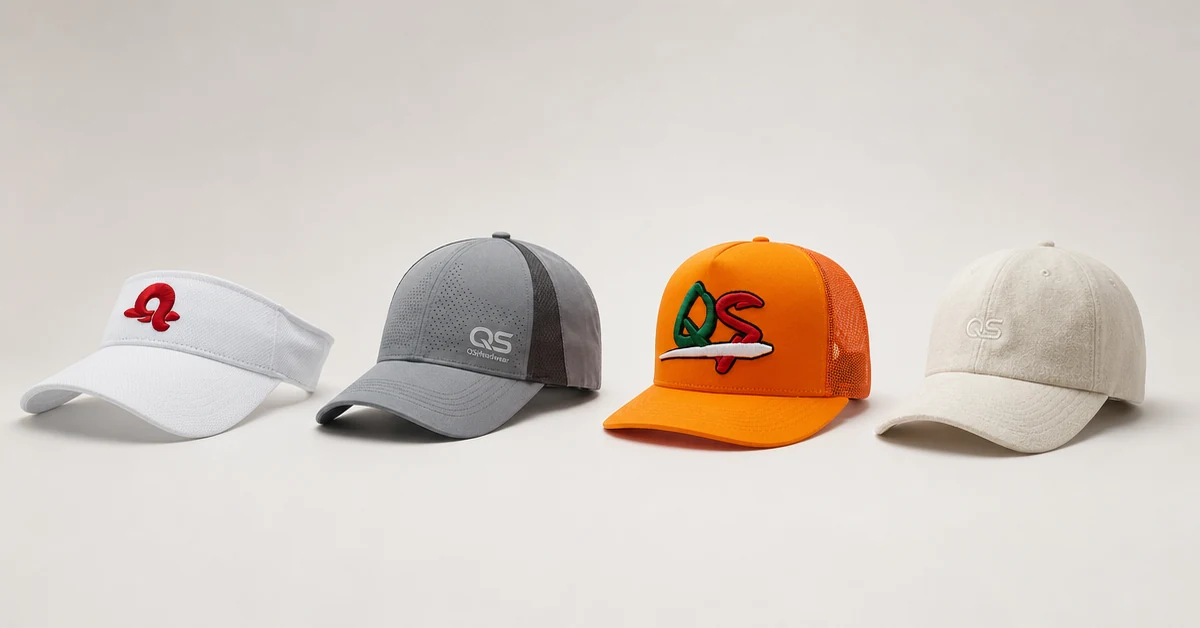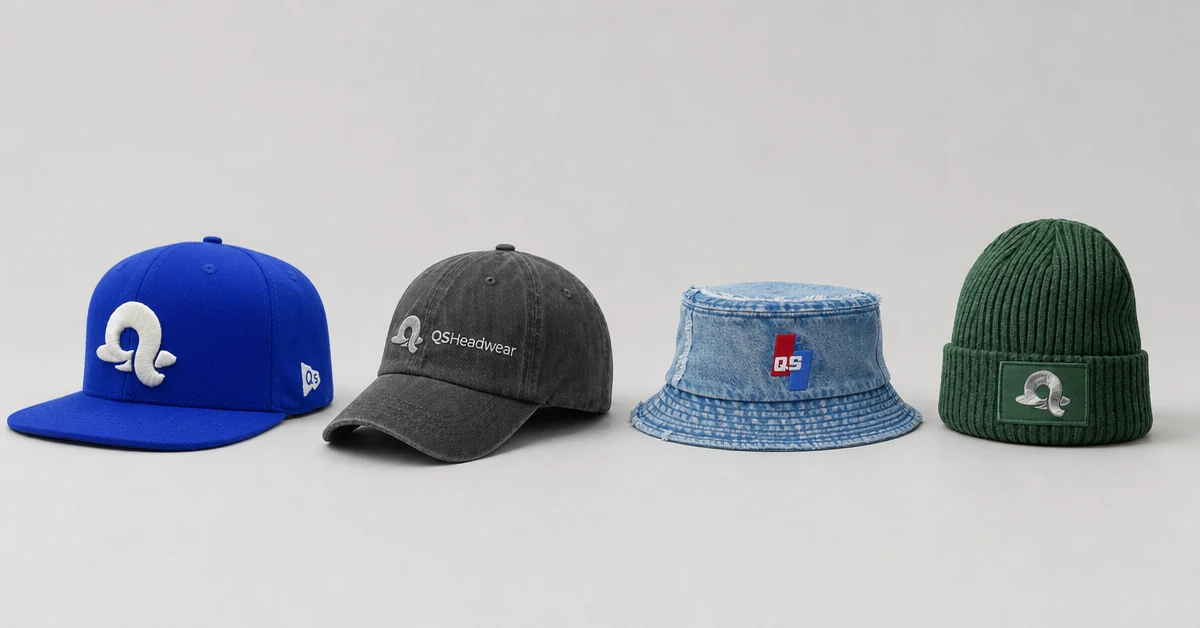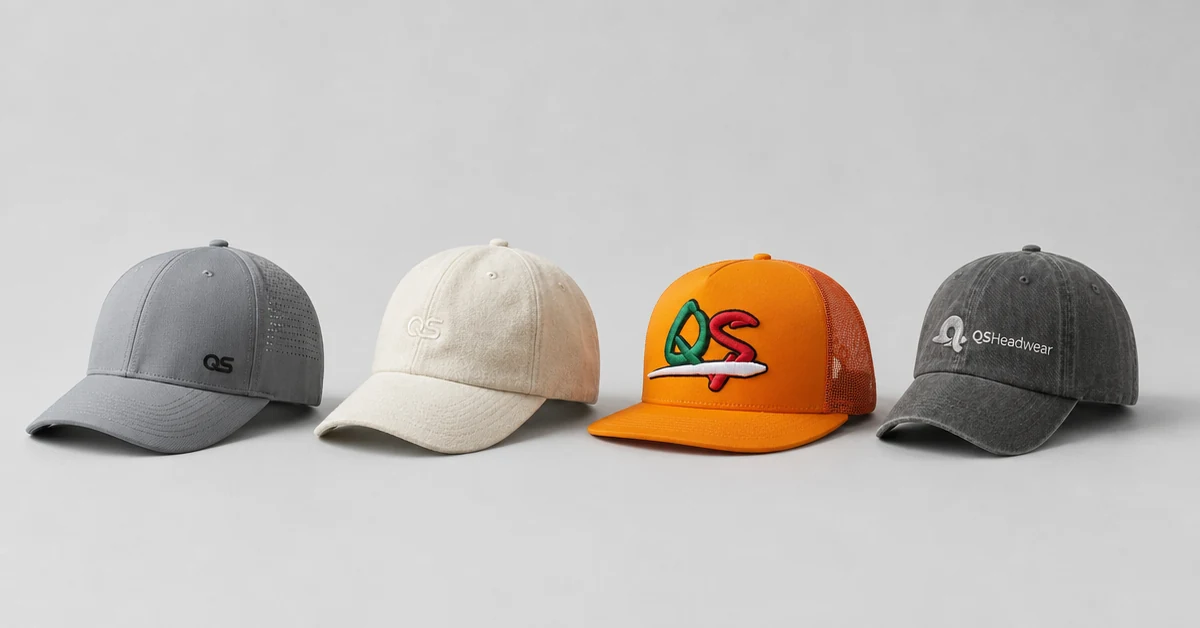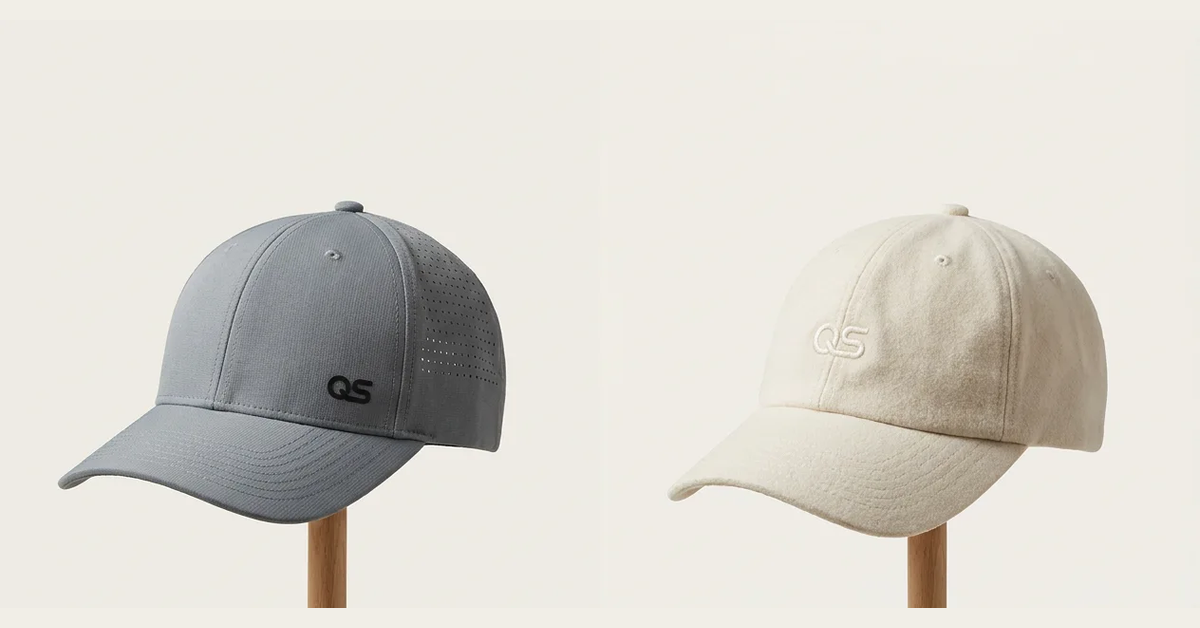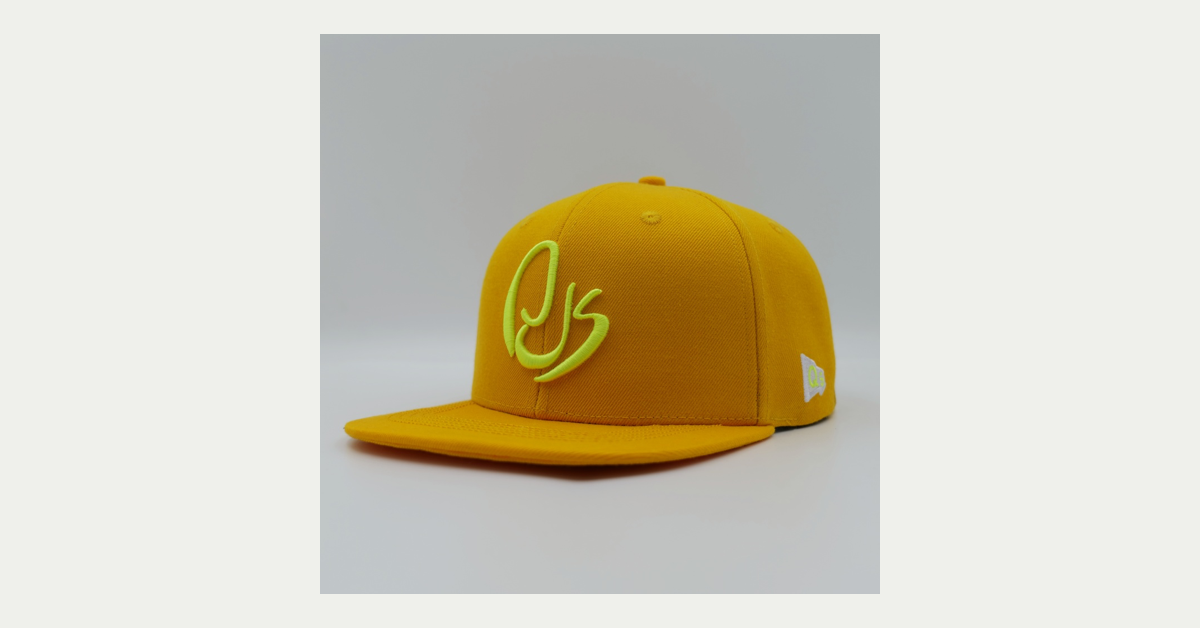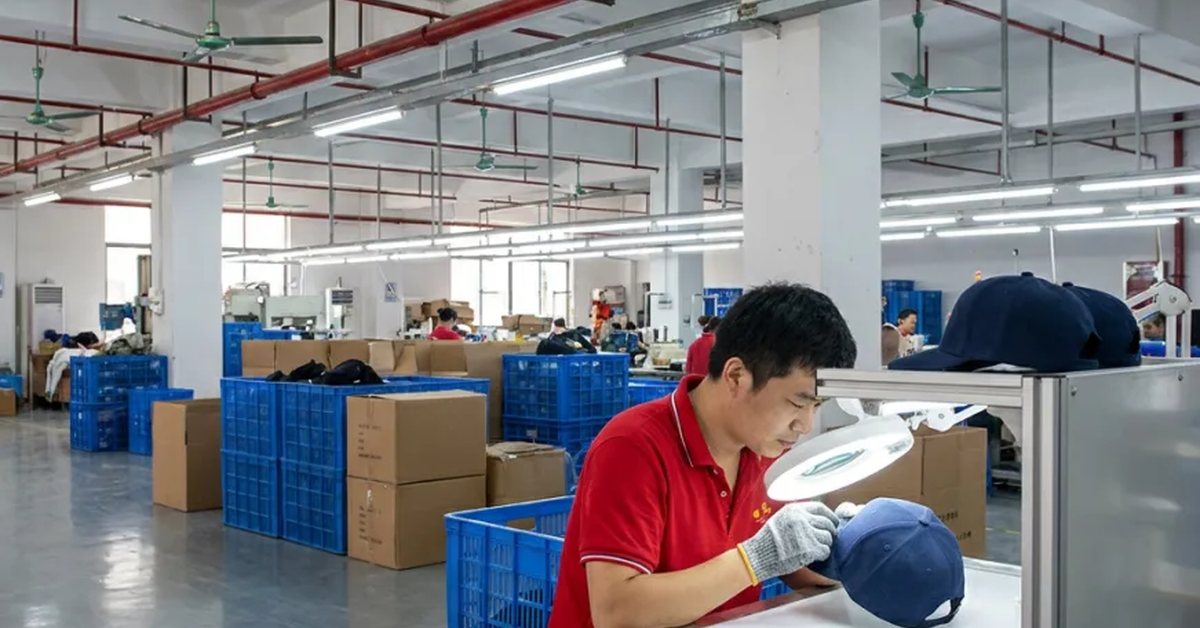


A custom outdoor hats manufacturer must connect the cap's appearance with the conditions in which it will be worn. Sun, heat, wind, moisture, movement and repeated packing can expose weaknesses that a studio photo does not show. Buyers should define the use case, material, brim, ventilation, closure, decoration and evidence before approving a production sample.
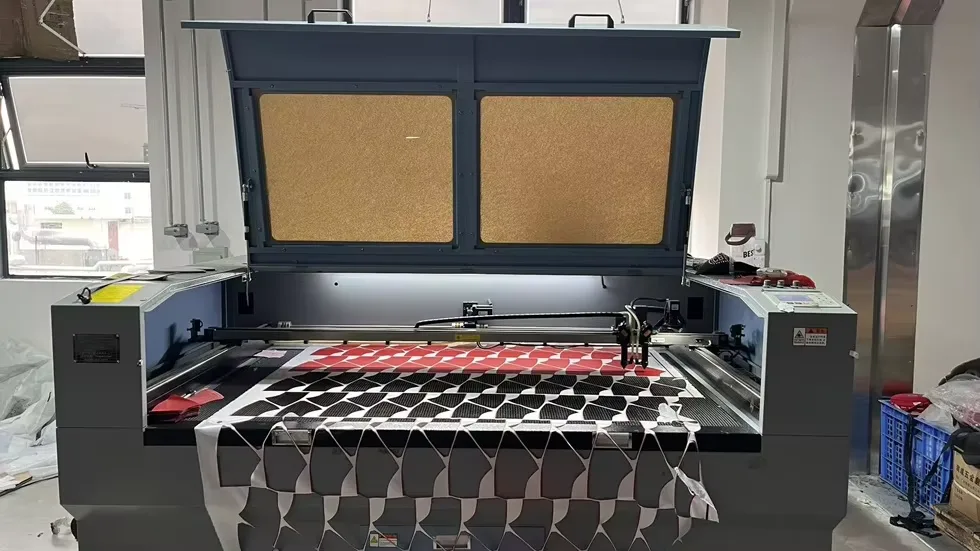
This guide is for outdoor brands, sports and adventure companies, retailers, event organizers and corporate teams sourcing caps for active use.
Outdoor Hat Sourcing: The Direct Buyer Answer
Choose a supplier that can match the fabric and construction to the intended environment, validate fit and comfort, apply decoration without weakening performance, define measurable quality checks and explain the limits of any performance claim. Approve a sample in the actual material and compare the complete quote and delivery plan.
Outdoor Hat Decision Table
| Use-case factor | Buyer decision | Evidence to review |
|---|---|---|
| Weather | Sun, heat, light rain, wind or mixed conditions | Material and finish specification |
| Ventilation | Eyelets, mesh, panels, moisture or airflow needs | Construction sample and wear test |
| Brim | Coverage, curve, stiffness and packability | Shape and recovery after handling |
| Fit | Head range, closure, sweatband and activity movement | Wear test and measurements |
| Decoration | Embroidery, patch, print or transfer | Finished-size proof and durability check |
| Claim | Only claims supported by order-level evidence | Test or material documentation |
Define the Outdoor Activity Before Selecting a Cap
A running cap, golf cap, hiking cap, fishing hat and event visor can all be called outdoor headwear, but they solve different problems. State activity duration, exposure, movement, pack-out, target season, fit preference and price point. This gives the factory a useful basis for selecting materials and construction.
A custom outdoor hats manufacturer should identify tradeoffs. A lighter fabric may improve comfort but require stronger seam or brim control. A water-resistant finish may affect hand feel and decoration.
Choose Materials With Evidence
Possible directions include cotton, recycled polyester, performance blends, mesh, corduroy, wool blends and finished technical fabrics. Confirm composition, weight, finish, color range, availability and care. If the product story includes recycled content, moisture management, water resistance or other performance language, ask what evidence applies to the exact material and order.
Do not treat a broad fabric description as a complete specification. Record the swatch and acceptable variation with the sample.
Engineer Ventilation, Brim and Closure Together
Eyelets, mesh panels, laser holes, sweatbands and moisture pathways affect comfort. Brim length and curve affect shade and field of view. A closure must stay secure while the wearer moves and must fit the stated head range. These details interact with crown shape and seam placement.
Test the complete cap rather than approving each component in isolation. Check the profile after bending, packing and wearing.
Use Decoration That Survives the Intended Use
Embroidery, woven patches, PVC patches, screen printing, heat transfer and reflective decoration have different surface, abrasion and care considerations. A dense logo can add stiffness; an adhesive patch can need a compatible fabric; reflective ink may need a defined viewing condition.
State the finished logo size, placement, color, backing and durability expectation. Request a physical sample and any available test or care guidance before making an absolute claim.
Run a Function-Focused Sample Review
- Wear the cap during representative movement.
- Check coverage, visibility, airflow and sweatband comfort.
- Measure crown, brim, closure and head range.
- Inspect seams, vents, decoration and inside finishing.
- Pack and unpack the cap to check shape recovery.
- Record observable changes instead of vague preferences.
QSHeadwear states that typical physical samples take 3-5 business days after requirements are aligned. Add time for technical fabrics, testing, custom trims and consolidated review.
Separate Performance Claims From Marketing Copy
"Outdoor" is a use-case description, not proof of a specific protection level. If the buyer needs a stated UPF, waterproof rating, reflective performance, recycled percentage or colorfastness result, identify the standard or test and ask what document covers the selected material. Use narrower copy if the evidence is not available.
Plan MOQ and Seasonal Capacity
Specialty fabrics, colors, trims and finishes can have separate minimums. Ask for MOQ by style, fabric, color, decoration and packaging. Outdoor programs may also be seasonal, so confirm available production capacity and material lead time for the target delivery month.
Set Quality Criteria for Function and Appearance
Define measurements, seam strength expectations, brim recovery, closure function, ventilation alignment, shade, decoration, cleanliness and pack-out. QSHeadwear describes incoming material review, pre-production approval, in-line monitoring and final AQL 2.5 inspection; request the order-specific checklist and report format.
Compare a Complete Outdoor Cap Quote
Separate sample, pattern, material, finish, decoration, labels, packaging, testing, inspection, cartons and freight. State destination, trade term, quantity by color and required receipt date. A complete comparison keeps a low unit price from hiding technical development or delivery risk.
Plan Testing and Post-Launch Feedback
Decide before sampling which observations are enough for approval and which require a formal test. A field team may report comfort, brim coverage, sweatband feel or packability; a product team may need a material or colorfastness document. Record the method, date, material lot and result so a later claim does not rely on memory.
After launch, separate product feedback from decoration feedback. If a cap is comfortable but the logo abrades during packing, the next action is different from changing the crown or fabric. This evidence makes the next order more useful and keeps a custom outdoor hats manufacturer aligned with the actual use case.
Request an Outdoor Headwear Plan From QSHeadwear
Review the product center, OEM/ODM workflow and company information. Send activity, weather, material, fit, brim, ventilation, decoration, quantity, documentation and target date through the contact page to request a sample and quote from a custom outdoor hats manufacturer.
FAQ About Custom Outdoor Hats
1. What should an outdoor hat brief include?
Include activity, weather, exposure, fit, brim, ventilation, fabric, finish, decoration, claims, quantity, packaging and date.
2. Which materials suit outdoor caps?
Cotton, recycled polyester, performance blends, mesh and other technical fabrics can work when their weight and finish match the use case.
3. Can outdoor hats be embroidered?
Yes, but test density, backing, moisture exposure and the interaction between decoration and the fabric.
4. How do I verify a performance claim?
Define the required standard or test and request evidence for the exact material and order before using the claim.
5. Does ventilation affect cap construction?
Yes. Eyelets, mesh, panels, sweatbands and seams must be designed as one system.
6. What is the outdoor hat MOQ?
Confirm minimums by style, fabric, finish, color, decoration and packaging because specialty materials may carry separate requirements.
7. How fast can an outdoor cap sample be made?
QSHeadwear states typical samples take 3-5 business days after requirements are aligned; technical materials may add time.
8. What should quality control inspect?
Check fit, measurements, brim recovery, closure, ventilation, seams, decoration, shade and pack-out.
9. How should I compare outdoor hat suppliers?
Compare material evidence, sample performance, quality plan, MOQ, capacity, total cost and delivery on the same specification.
10. How can seasonal reorders be protected?
Confirm material availability and capacity early, retain the approved swatch and sample and record permitted substitutions.