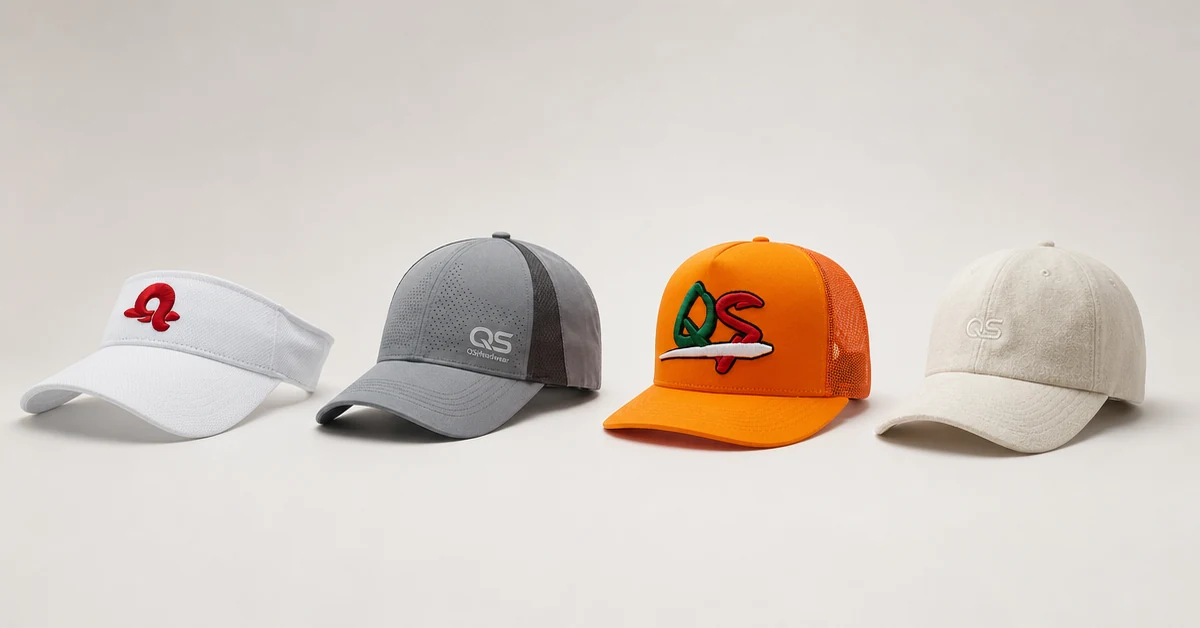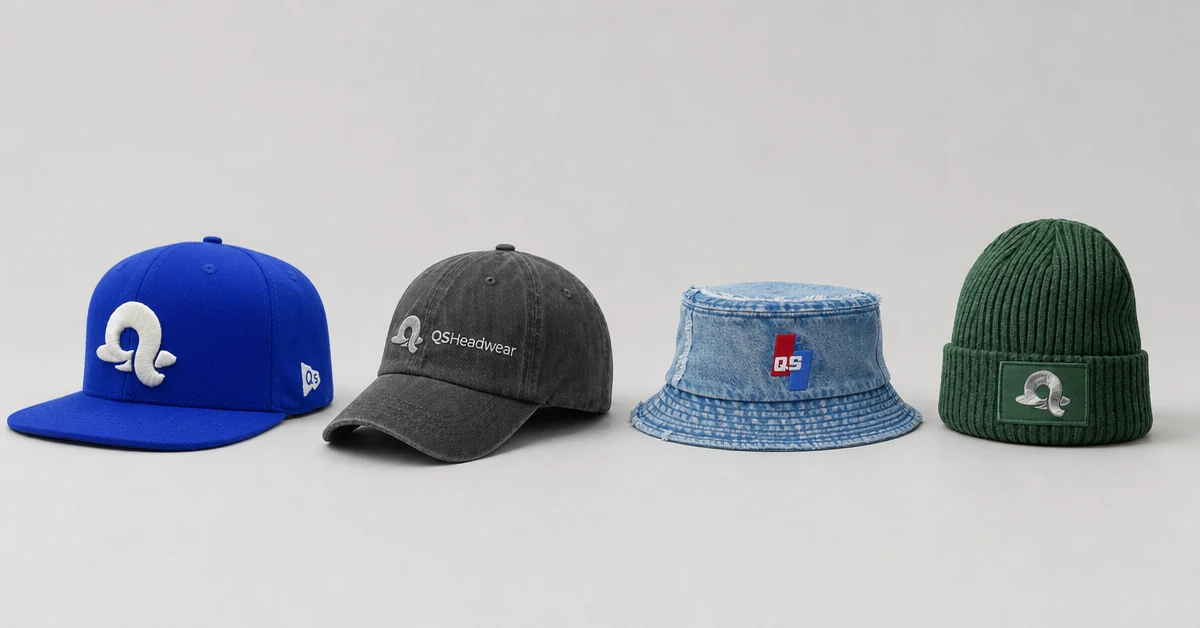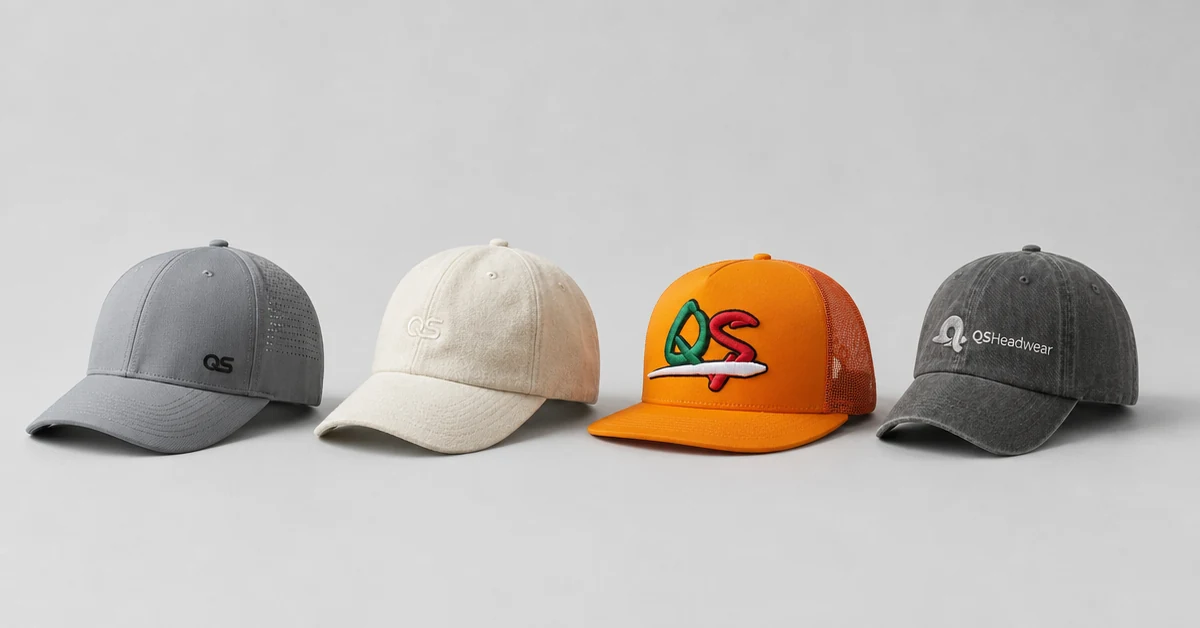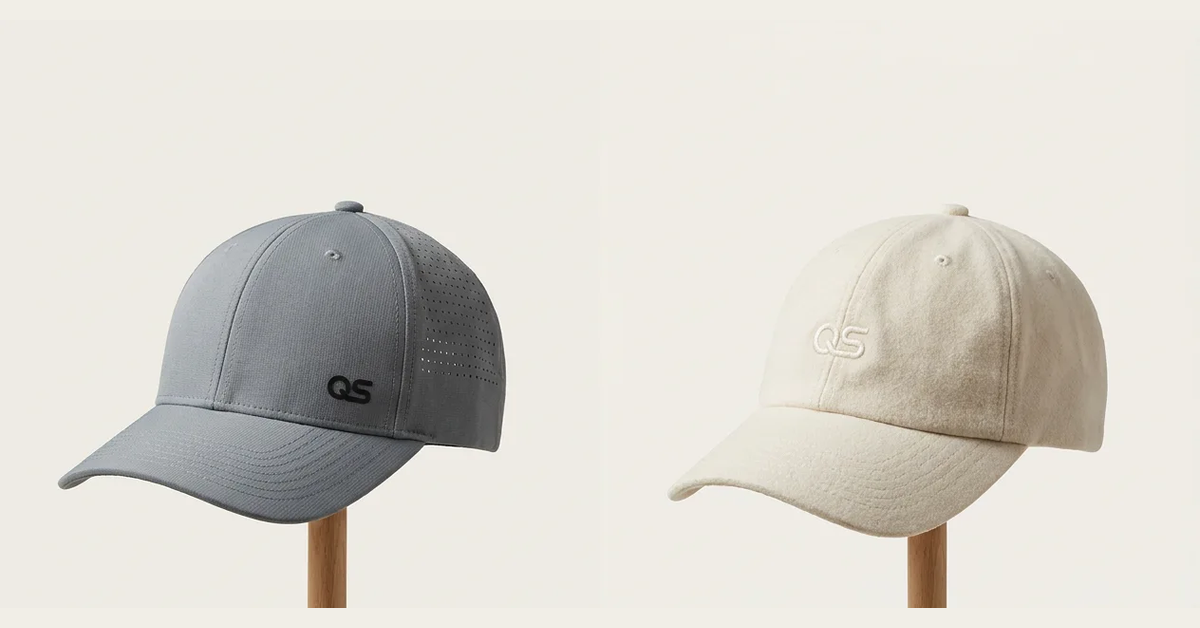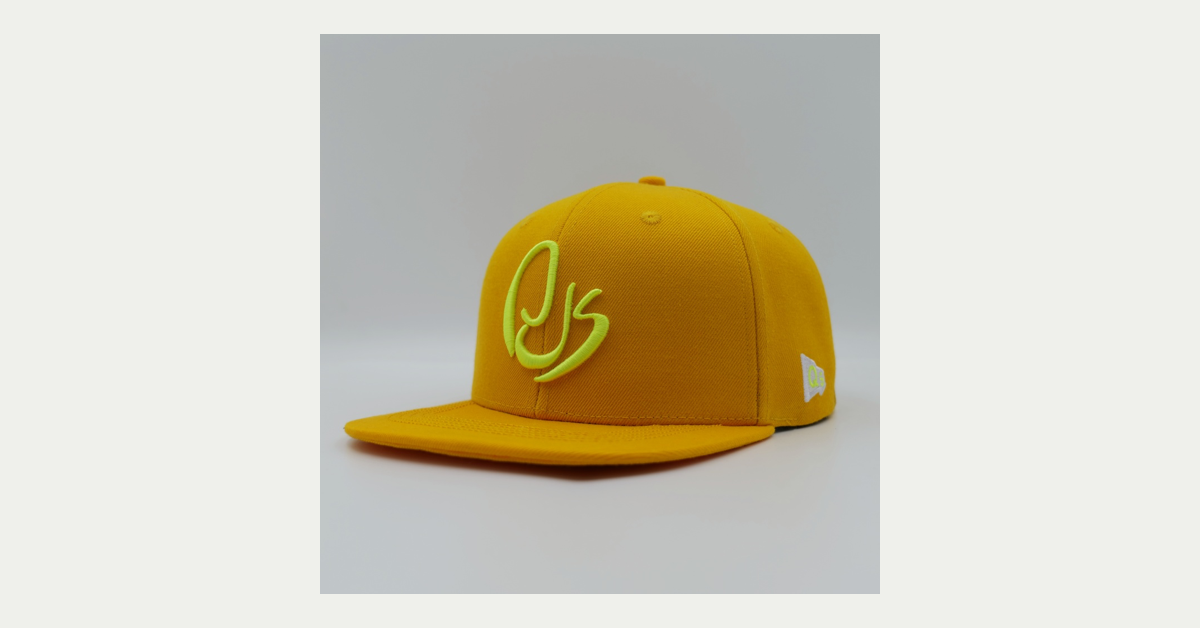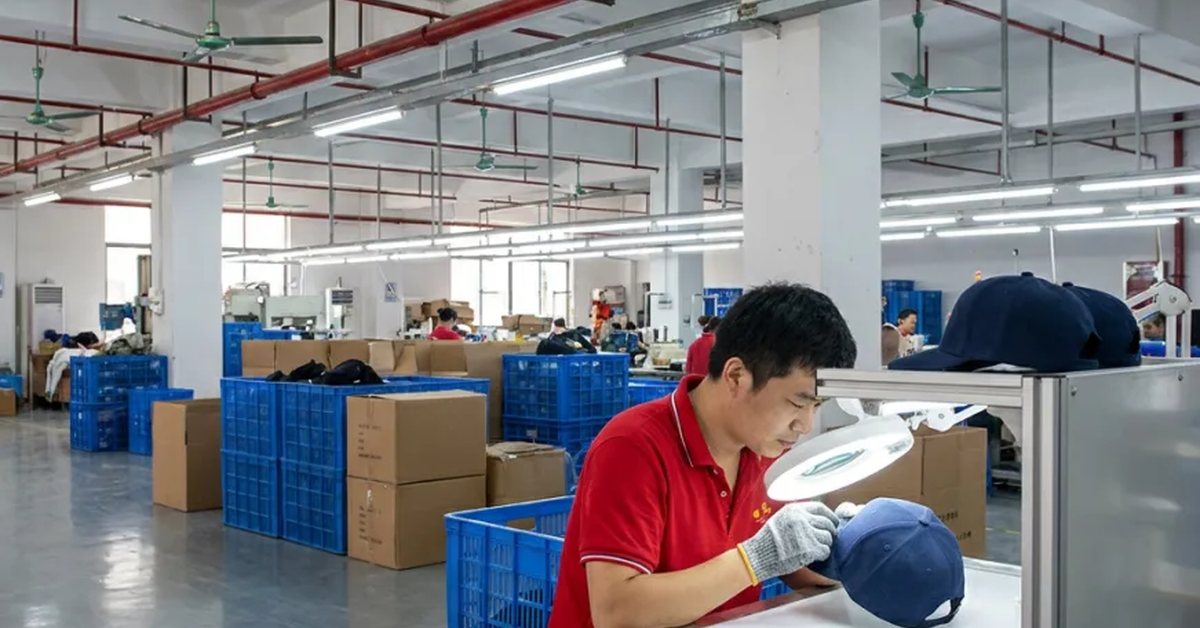


A custom trucker hat manufacturer must control the front panel, foam or fabric structure, mesh stiffness, crown profile, brim, snap closure, ventilation, decoration and shape recovery after packing. Buyers should not treat every trucker cap as the same blank. A five-panel foam-front promotional cap and a structured six-panel retail cap require different materials, patterns and quality checks.
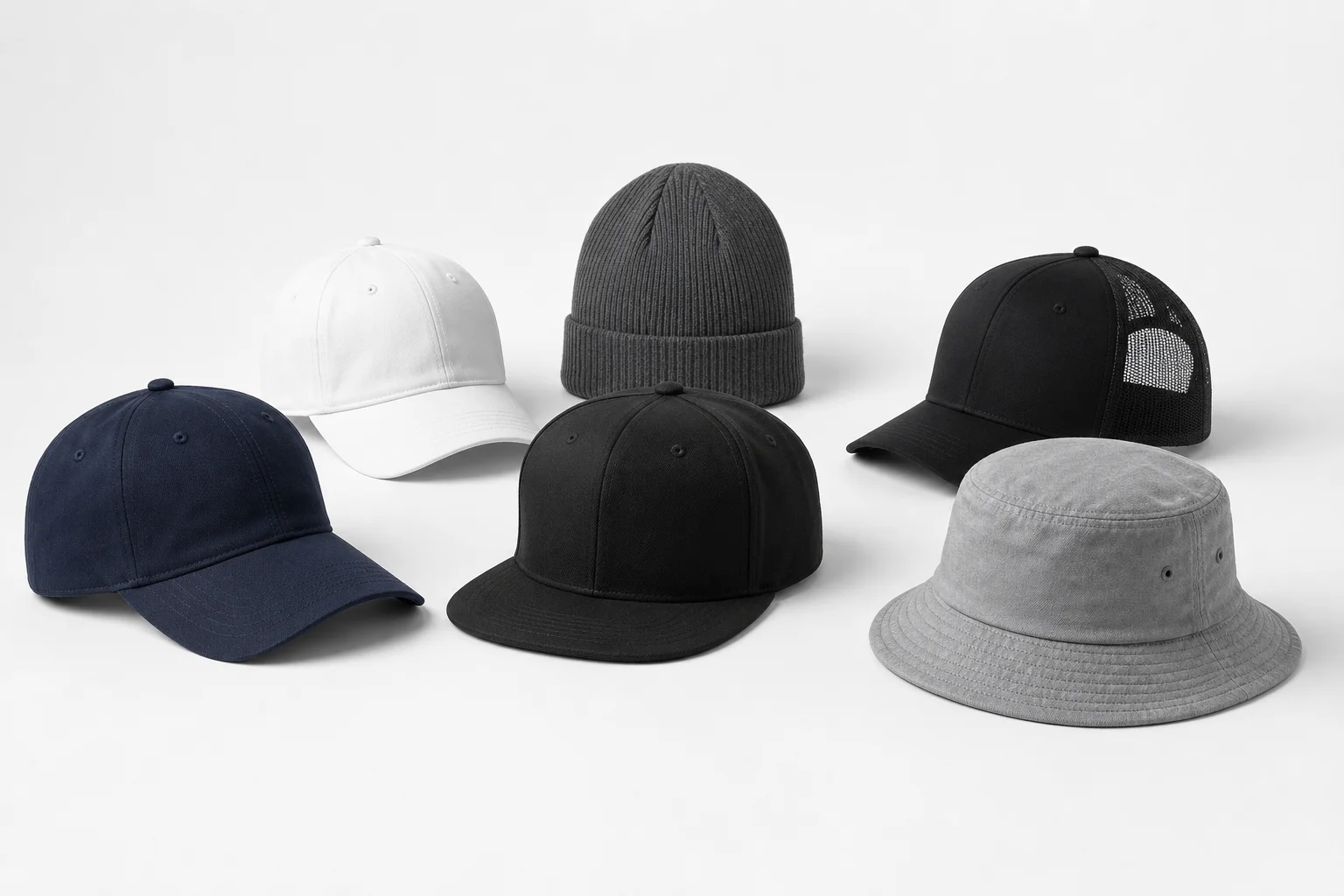
This guide is designed for clothing brands, outdoor labels, event merch teams, retailers and promotional distributors comparing trucker-cap suppliers.
Custom Trucker Hats: The Direct Buyer Answer
Define the front-panel construction, crown height, panel count, mesh material, brim profile, closure, fit range and logo method before requesting a quote. Approve the cap in front, side, back and top views. Ask the supplier to document the accepted shape after packing because foam and mesh can distort during transit.
Give each finalist the same reference, measurements, artwork, quantity matrix, packing requirements and delivery destination. Compare evidence and sample accuracy before price.
Trucker Hat Buyer Decision Table
| Component | Buyer choice | Quality evidence |
|---|---|---|
| Front | Foam, twill or structured fabric panels | Thickness, shape and approved sample |
| Mesh | Material, hole size, color and stiffness | Swatch and recovery check |
| Crown | Five or six panels, height and profile | Measurement sheet and side view |
| Brim | Flat or curved, length and stitching | Profile reference and tolerance |
| Closure | Plastic snap, buckle or alternative | Fit range and function check |
| Decoration | Print, embroidery or patch | Artwork proof and placement |
Choose the Correct Front Panel
Foam-front trucker hats offer a bold surface for printing and patches, while fabric fronts can create a more structured retail feel. Specify material, thickness, color, backing and whether the front must stand upright. Ask how the panel will be cut and pressed.
If the front is structured, confirm the interlining. If it is foam, check surface consistency, edge finishing and how the material reacts to heat, embroidery or transfer processes.
Specify Mesh as a Functional Material
Mesh influences ventilation, fit, recovery and appearance. Define composition, hand feel, stiffness, hole pattern and color. Stretch the sample and observe whether the mesh returns without waves. Check whether the color matches the front, closure and thread under normal lighting.
Ask how mesh lot variation is controlled. A visual reference and approved swatch are stronger than a general request for black or white mesh.
Define Crown Profile and Panel Count
Five-panel foam-front caps often provide a broad uninterrupted logo area. Six-panel versions create a different crown shape and seam layout. Record front height, side height, circumference, brim position and closure height. State whether the target is high, medium or low profile, then support the description with measurements.
A custom trucker hat manufacturer should explain whether a stock block matches the reference or a new pattern is required.
Match Decoration to Foam, Fabric and Mesh
Screen printing and heat transfer can work well on foam fronts when temperature and surface behavior are controlled. Embroidery adds texture but dense stitching can compress or distort foam. Woven, PVC, leather and embroidered patches provide other options. Avoid placing fine artwork across seams.
Approve finished dimensions, color, position, backing, stitch density or print edge quality. Ask for a proof and physical sample before bulk production.
Test the Closure and Fit Range
Check snap engagement, burrs, color, alignment and adjustment range. Measure the smallest and largest usable circumference. Wear-test pressure at the front seam, mesh edges and closure. A one-size description should still have a measurable fit range.
For branded closures or custom colors, ask about component MOQ, tooling, availability and replacement options.
Inspect Shape Recovery and Symmetry
- Compare crown height and front-panel angle.
- Check left-right symmetry and clean panel joins.
- Review brim curve, topstitching and attachment.
- Stretch the mesh and operate the closure repeatedly.
- Check logo position against seams and the brim.
- Compress the cap as it may be packed, then review recovery.
The approved sample should record shape, measurements, materials and the accepted packing method.
Verify Factory Capability With Relevant Evidence
QSHeadwear lists a custom trucker-hat product and presents support for pattern development, materials, embroidery, printing, patches, labels and packaging. Its public factory profile states 15+ years of experience, 100+ staff, 4,000+ sqm and 120,000-150,000 pieces of monthly capacity.
Ask for an example close to the required front and mesh construction, then confirm the actual production line, material availability and schedule.
Plan Samples, MOQ and Delivery
MOQ depends on front material, mesh color, closure, artwork, labels and packaging. Ask for minimums per style and color. A first order can often use an available mesh and closure if they meet the specification.
QSHeadwear states that physical samples are typically completed in 3-5 business days after requirements are aligned. Bulk production is commonly around 15-20 days, with larger or more complex orders requiring more time. Request a milestone calendar for the project.
Control Quality During Production
Inspect materials before cutting, approve a pre-production sample, check decoration and assembly in line, and verify measurements, closure function, shape and cleanliness before packing. State the defects that are critical to the buyer, such as broken snaps, severe shape distortion or incorrect logo orientation.
QSHeadwear describes final AQL 2.5 inspection and packaging checks. Confirm the sampling level, defect limits and reinspection process for the order.
Design Packing Around the Cap Structure
Foam fronts and mesh crowns can crease when compressed. Approve how caps are nested, supported, bagged and placed in cartons. Confirm carton quantity, dimensions, moisture protection, labels and whether shape inserts are required.
Test a packed sample when presentation is important. Record the acceptable shape immediately after unpacking and after a short recovery period.
Compare Landed Cost and Commercial Terms
Price the same front, mesh, brim, closure, decoration, labels and packing across suppliers. Separate sample, setup, patch or tooling, inspection, cartons and freight. Confirm the Incoterm, destination and whether the delivery date is ex-factory or arrival.
A lower quote may assume thinner foam, a different mesh or less protective packing. A complete bill of materials makes the tradeoff visible.
Score and Qualify the Supplier
Score pattern fit, material response, sample accuracy, decoration, closure quality, QC evidence, packing plan, communication, price clarity and delivery. Define minimum passing requirements before reviewing totals.
A custom trucker hat manufacturer should identify shape and packing risks early and explain how the approved reference will be protected in bulk.
Control Material Substitution and Color Changes
Front fabric, foam, mesh and plastic closures may come from different suppliers, so an unavailable component can create a late substitution request. State that no material, thickness, color or finish may change without written approval. Ask the factory to identify long-lead or custom-color components before the deposit is paid.
If a substitute is unavoidable, require a new swatch or component sample, updated cost, schedule impact and confirmation of the affected tests. A custom trucker hat manufacturer should keep the original and substitute records separate so later reorders do not accidentally return to an unapproved option. Recheck logo contrast, crown recovery and closure fit because even a visually similar component can change performance.
Send a Trucker Hat RFQ
Include front material, mesh, crown measurements, panel count, brim, closure, artwork, quantity by color, labels, packing, destination and target date. Ask for assumptions, component minimums and the sample plan.
Include reference photos from several angles, but identify which measurements and features are authoritative when photographs conflict. Ask the supplier to return a marked specification that shows confirmed details, proposed alternatives and unanswered questions. This creates a cleaner basis for quotation and prevents a visual reference from being treated as permission to guess hidden construction.
Review the QSHeadwear trucker hat page, product center, OEM/ODM capabilities and factory profile. Request a comparable quote through the contact page from a custom trucker hat manufacturer.
FAQ About Custom Trucker Hat Manufacturing
1. What is the difference between a foam-front and fabric-front trucker hat?
Foam provides a bold printable surface and distinct profile, while fabric can create a more structured or premium retail appearance.
2. Should I choose five or six panels?
Choose based on crown shape, seam layout, fit and the logo area. Approve measurements and a physical sample.
3. Which logo methods work on a trucker hat?
Printing, heat transfer, embroidery and several patch types can work, depending on front material and artwork.
4. Can dense embroidery damage foam?
Dense stitches can compress or distort foam, so digitizing, backing and a physical sample should be reviewed.
5. How do I specify trucker mesh?
Define composition, stiffness, hole pattern, color, stretch recovery and the approved swatch.
6. What should be checked on a snap closure?
Check engagement, adjustment range, alignment, color, edge finish and repeated function.
7. How should trucker hats be packed?
Approve nesting, support, bagging, carton quantity and compression so the front and mesh recover after transit.
8. What affects the MOQ?
Front material, mesh color, closure, decoration, labels, packaging and quantity per color can all affect the minimum.
9. How long does a sample take?
QSHeadwear states typical physical samples take 3-5 business days after requirements are aligned, subject to complexity.
10. What should a trucker-hat quote include?
It should state construction, materials, artwork, quantity split, labels, packing, setup charges, inspection, delivery assumptions and validity.