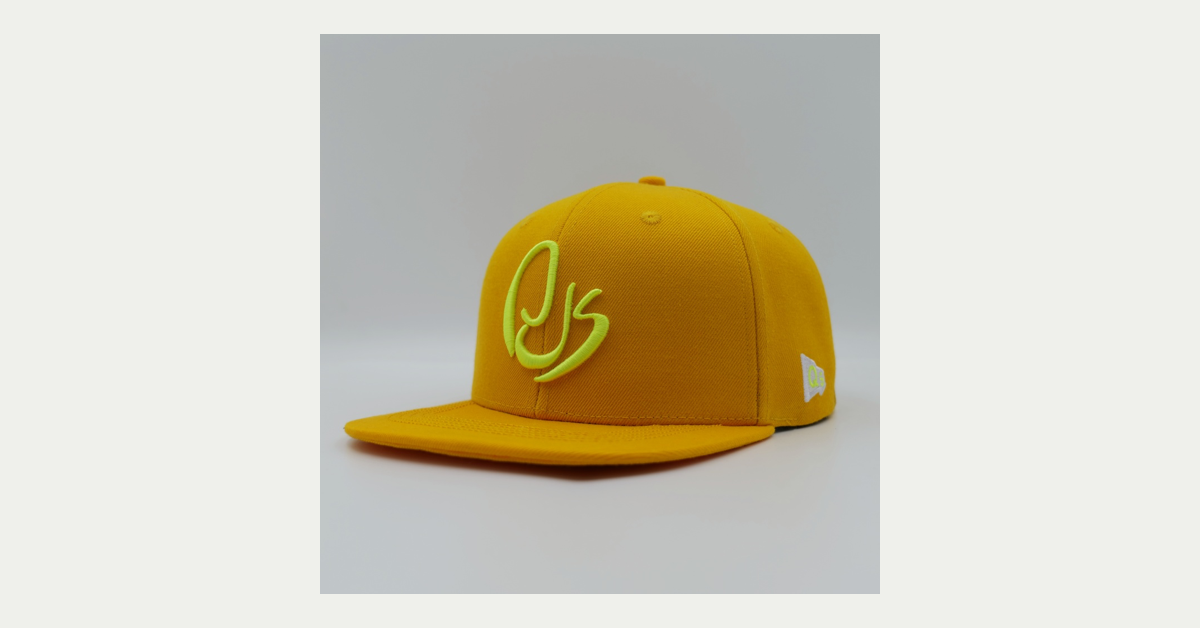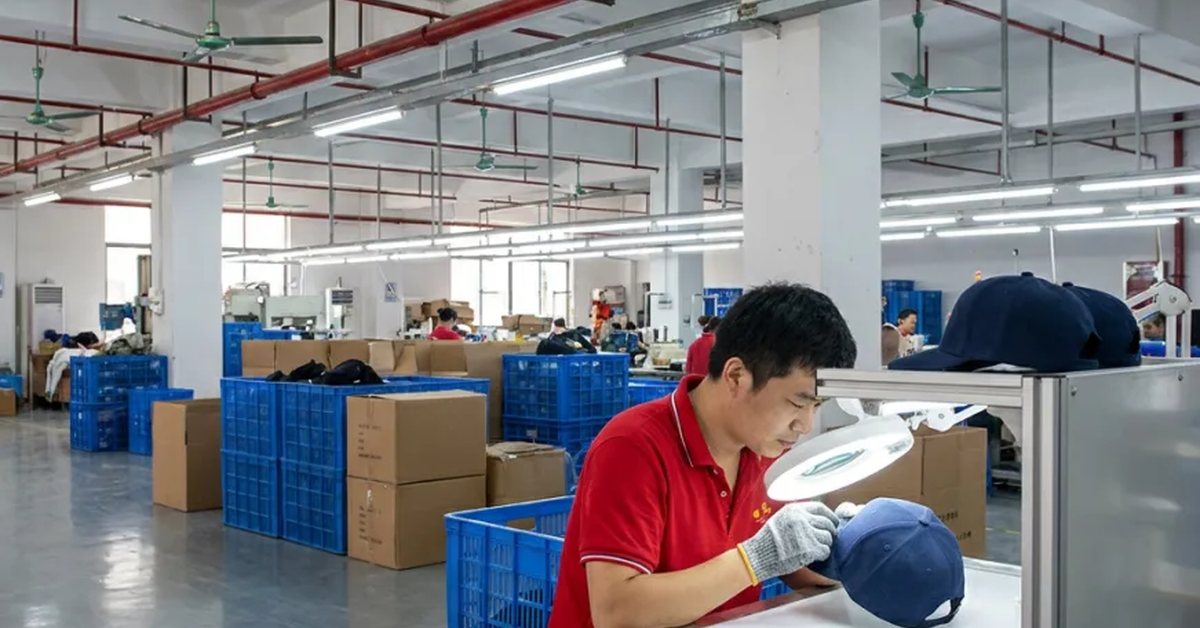


A custom washed caps manufacturer is being asked to produce controlled variation. Buyers want softness, broken-in color and a little personality, but they still expect every carton to belong to the same product. That tension cannot be managed with a single phrase such as “vintage wash.”
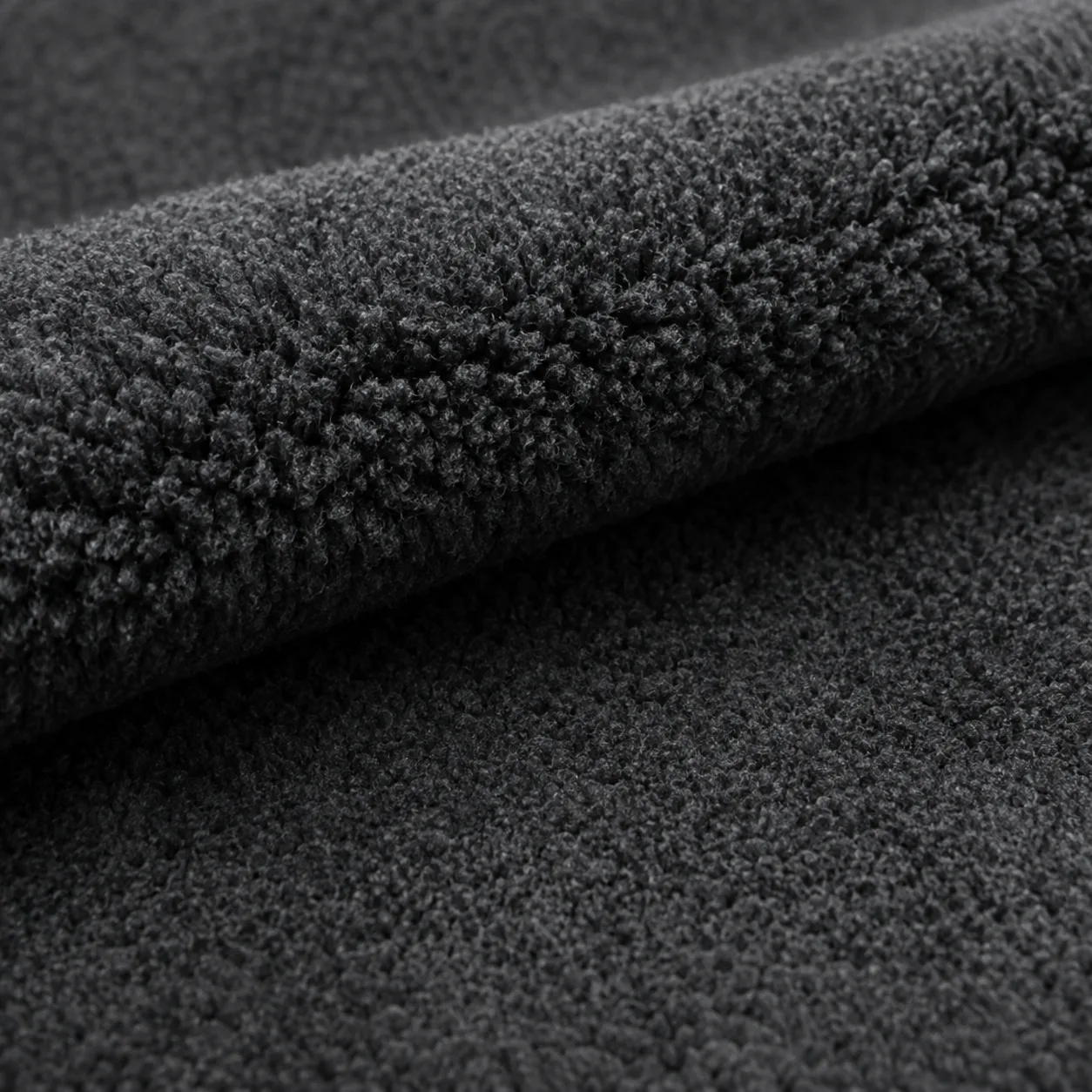
The following notebook format is useful during development. It keeps the conversation close to evidence: what went into the wash, what came out, and what changed between the two.
Entry 01 — Name the Effect Before Naming the Process
Start with appearance and hand. Is the target a clean softened color, pale seams, high-low abrasion, sun-faded panels or an obviously distressed edge? Two suppliers can use the same process name and produce different results. Approve a physical look, then document the route that created it.
Entry 02 — Photograph a Range, Not a Perfect Hat
Washed products vary. Build an approved shade range with a center sample and acceptable lighter and darker boundaries. Photograph them together under controlled light, but keep the physical references. A screen is useful for communication; it is not a reliable color standard by itself.
| Wash record | Minimum detail | Decision supported |
|---|---|---|
| Base material | Fiber, weight, weave, color and lot | Whether the starting point is controlled |
| Wash route | Process sequence and key settings | Whether the effect is repeatable |
| Shade range | Center, light and dark physical standards | Whether bulk variation is acceptable |
| Measurements | Before and after finished dimensions | Whether shrinkage is understood |
| Surface | Abrasion, pilling, seam and hardware notes | Whether character has become damage |
Entry 03 — Measure the Finished Cap
Fabric can relax, contract or skew during wet processing. Measure circumference, crown depth, brim, rear opening and closure position after the intended wash and conditioning. If panels are washed before assembly, also verify the assembled cap because sewing and shaping introduce another set of forces.
Entry 04 — Look Where the Wash Concentrates
Inspect seam ridges, brim edges, eyelets, top button, closure corners and label attachment. These areas receive different mechanical action and can become much lighter than open panels. Decide whether that contrast is desirable. “Natural variation” should not become permission for holes, weak seams or unreadable branding.
Entry 05 — Separate Shade, Hand and Damage
| Observation | Category | Approval question |
|---|---|---|
| Panel is slightly lighter | Shade | Is it inside the physical range? |
| Cap feels softer | Hand | Does it still recover and hold the intended profile? |
| Seam thread is exposed | Damage | Has abrasion reduced construction integrity? |
| Logo has a pale halo | Process interaction | Was decoration applied before or after washing? |
| Hardware marks the fabric | Component interaction | Should hardware timing or protection change? |
What a Custom Washed Caps Manufacturer Should Test
Agree on tests that match the material, destination and customer promise. AATCC publishes standardized textile methods, including TM135 for fabric dimensional change and TM150 for garment dimensional change after home laundering. These methods are references for controlled evaluation; the exact protocol should be selected with a qualified test partner for the product.
If the cap is not marketed as machine washable, do not imply that a development wash proves consumer laundering performance. Production washing and care testing answer different questions.
Entry 06 — Decide Decoration Timing
Embroidery applied before washing may soften with the cap, but thread and surrounding fabric can react differently. A patch may abrade at the edge. Print can fade, crack or resist the wash and appear unusually clean. Sample the intended sequence. Do not approve an unwashed decoration and assume it will survive the final route.
Entry 07 — Match Thread and Labels to the Story
Contrast stitching can become more prominent after the shell fades. Tonal thread can remain quiet or reveal a new shade. Woven labels, printed labels and leather-look patches may each react differently to moisture and abrasion. Record whether trims enter the wash and approve their final condition.
Entry 08 — Wash Small Components With Caution
Metal buckles, snaps, eyelets and coated parts can scratch, stain or discolor nearby fabric. Ask when hardware is attached and how it is protected. Inspect for sharp edges, finish loss and transfer. A component that is stable on an unwashed cap may not be suitable for the chosen process.
Entry 09 — Bulk Approval Starts Before the First Load
Confirm base-fabric lots, load size, sample placement, wash sequence and release authority. Compare an early production load with the approved range before the entire order is processed. Keep pieces from the beginning, middle and end of production to reveal drift.
Entry 09A — Write a Recipe Change Log
A wash record should show more than the final process name. Keep the base fabric lot, load identity, sequence, timing, temperature or other controlled settings relevant to the route, plus the reason for each development change. The factory may protect proprietary details, but the buyer still needs enough version control to know which approved outcome is being repeated.
When a sample is “too clean” or “too worn,” describe the visible difference and change one variable at a time where possible. That creates a learnable trail rather than a collection of unexplained samples.
Entry 09B — Check Residue, Odor and Drying
Handle the cap after it has fully dried and conditioned. Look for localized stiffness, powdery residue, unexpected odor or color transfer. Inspect sweatband, labels and enclosed seams where moisture may linger. Problems noticed at this stage should be investigated before packing, not hidden with fragrance or extra wrapping.
A custom washed caps manufacturer should define a release condition for clean, dry goods and keep processing chemicals within applicable product and destination requirements.
Entry 09C — Test the Claim You Plan to Sell
“Washed,” “garment washed,” “distressed” and “vintage” create different customer expectations. Use the narrowest accurate description. If marketing wants to claim special softness, reduced water use or a particular chemical route, retain evidence that supports the statement.
Product copy should separate appearance from performance. A faded surface does not automatically mean the cap is washable, sustainable or more durable.
Entry 09D — Ask the Warehouse to Open a Trial Carton
Send a production-equivalent carton through normal handling, then have someone outside the development team open it. Ask what they notice first: odor, moisture, flattened crowns, color transfer, loose fibers or inconsistent folding. Fresh eyes often catch conditions the product team has learned to ignore.
Record the recovery time and whether units need manual reshaping. If they do, fix the drying or packing method before calling that labor a warehouse problem.
Entry 10 — Inspect in Groups
A single washed cap may look acceptable. Twenty caps side by side reveal shade bands, uneven abrasion and panel mismatch. Inspect a spread under consistent light, then measure a defined sample and check construction. Group viewing is especially useful for retail deliveries where several units share one display.
Entry 11 — Pack Only After the Cap Has Settled
Confirm that washed caps are dry, conditioned and free from process odor before packing. Test whether the softer crown crushes differently from the unwashed sample. Use carton quantity and support appropriate to the finished hand, not a packing plan borrowed from a rigid cap.
Entry 12 — Reorders Need Retained Evidence
Keep the base fabric, physical shade range, wash record, finished measurements, decoration sequence, trims, inspection photos and approved production sample. If the mill lot or wash facility changes, run a new approval. A reorder is a comparison exercise; without references, memory becomes the specification.
Set a review date for retained samples as well. Fabric can continue to age in storage, and an old cap should not become the only color authority. Compare the retained unit with dated photographs, shade standards and fresh bulk trials. When those references disagree, document which one controls the new order before production begins.
Start the Next Wash Trial With Clear Boundaries
Browse QSHeadwear styles, review fabric and finishing options and check factory information. Send the base cap, desired wash effect, shade references, artwork, quantity and market through the contact page to brief a custom washed caps manufacturer.
Washed Cap Lab Notes: Common Questions
What does vintage wash mean?
It is not a precise specification. Define the target shade, softness, abrasion and seam contrast with physical references.
How much shade variation is acceptable?
The buyer and supplier should approve a physical light-to-dark range appropriate to the product.
Should measurements be checked after washing?
Yes. Approve and inspect finished measurements after the production wash and conditioning.
Can embroidery be washed with the cap?
It can, but thread, backing and surrounding fabric must be sampled in the intended process sequence.
Why do seams look lighter?
Raised seams receive more mechanical action and may abrade faster than flat panel areas.
Can hardware go through the wash?
Only after compatibility is confirmed. Hardware can scratch, stain, corrode or lose finish.
Does a production wash prove home washability?
No. Manufacturing wash and consumer care testing have different purposes and conditions.
How should bulk shade be inspected?
View groups of caps under controlled light and compare them with the approved physical range.
When should an early production load be reviewed?
Before the whole order is washed, so process drift can be corrected while stock is still contained.
What records make reorders reliable?
Retain the base fabric, wash route, shade range, finished measurements, trims, decoration sequence and sample.