

A custom washed caps manufacturer shade standard must control more than the base fabric color. Washing can change shade, hand feel, seam puckering, crown shape, visor curve, abrasion marks and the apparent size of a logo. Two caps made from the same greige fabric can look unrelated if the recipe, load, temperature or drying route changes. A useful standard describes the finished appearance and the process evidence behind it.
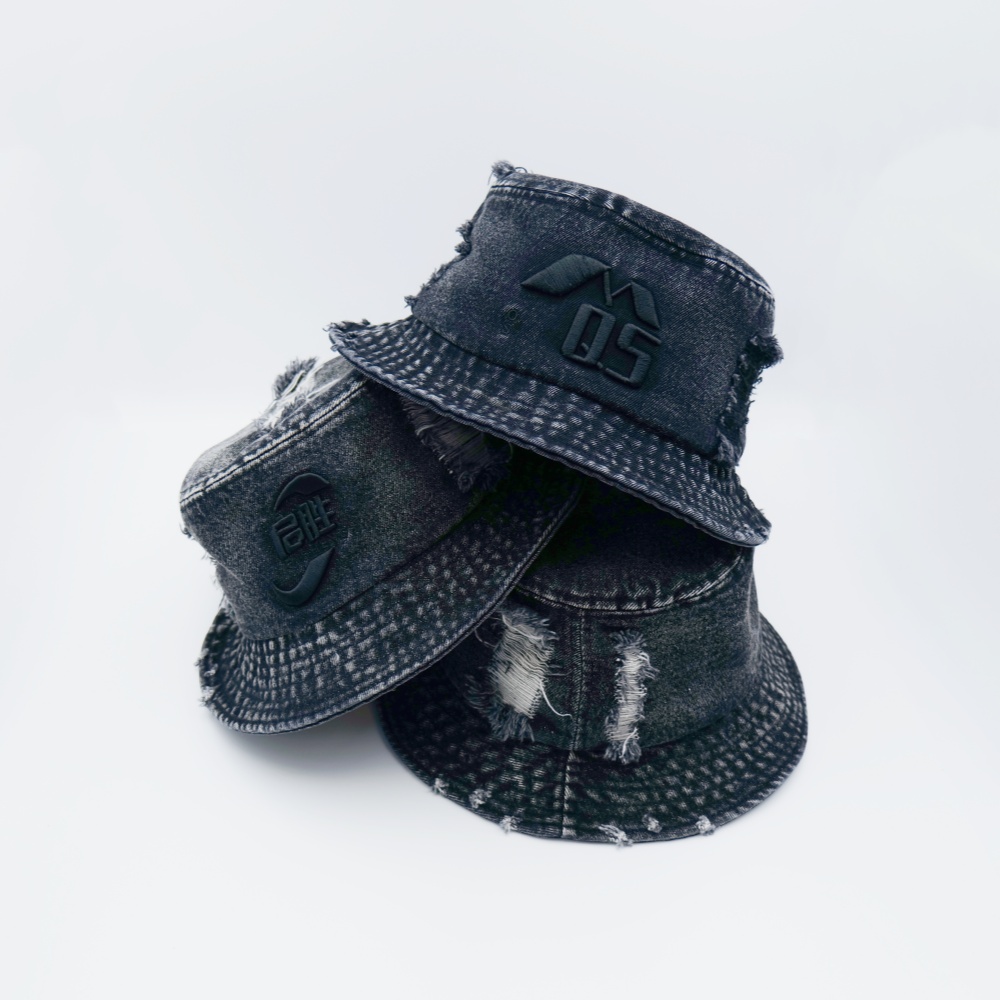
Build the standard around a retained physical reference, controlled photos, measurable dimensions and a wash record. The reference should tell a production team what is intentionally uneven and what is a defect. That distinction keeps a fashion finish from becoming an excuse for inconsistent goods.
Custom washed caps manufacturer shade standard: define the look
Write a plain-language finish brief: base shade, target contrast, softness, abrasion visibility, seam character, crown collapse, visor shape and logo appearance. Include what the buyer wants to avoid, such as white streaks, sharp fold marks, oily patches or an over-lightened panel.
Use a color standard for the base fabric, but do not treat it as the finished approval. The wash can expose yarn variation and shift the visual center of the cap.
Open one custom washed caps manufacturer shade standard
| Field | Record | Reference | Release question |
|---|---|---|---|
| Base material | Fiber, weight, weave, color and lot | Fabric spec and incoming report | Is the starting point repeatable? |
| Wash route | Chemistry, temperature, time, load and agitation | Recipe ID and batch ticket | Can the effect be reproduced? |
| Drying | Method, temperature and duration | Drying record | Will size and hand remain stable? |
| Visual finish | Panels, edges, highlights and acceptable variation | Retained cap and controlled photos | What is intentional? |
| Measurements | Crown, visor, opening and key points after rest | Measurement sheet | Does fit stay inside tolerance? |
| Logo result | Color, placement, cracking and distortion | Finished decorated cap | Does decoration survive the route? |
Separate greige, dyed and finished approvals
Keep three checkpoints. Greige or incoming fabric confirms construction. Dyed fabric confirms the base shade. The finished cap confirms the complete visual effect. If one checkpoint is skipped, a later team may blame the wash for a fabric or dye problem that existed earlier.
Label each sample with fabric lot, wash recipe, date and operator or batch. A beautiful sample without identity is a mood board, not a production standard.
Record the wash recipe as a controlled process
Ask for the recipe ID and the variables that can change the result: load ratio, bath temperature, chemical concentration, time, agitation, neutralization and drying. The exact chemistry may be proprietary, but the factory should be able to show that the approved route is defined and repeatable.
Do not accept recipe words such as light wash or vintage wash as the only instruction. They are useful names, not controls. A custom washed caps manufacturer shade standard should connect the name to a batch ticket and a finished inspection.
Decide how much variation the style needs
Some brands want every cap nearly identical; others want a controlled one-of-a-kind appearance. State the target range. Define the acceptable difference in shade, abrasion, seam line, whisker, edge wear and crown collapse. A range gives the factory freedom within a commercial boundary.
Use a three-level visual board: preferred, acceptable and reject. Include real examples rather than relying on adjectives. Buyers should approve the custom washed caps manufacturer shade standard board before bulk, because tolerance determines yield and cost.
Measure after the cap has rested
Washing and drying leave temporary tension in fabric and seams. Let the cap rest for the agreed period before measuring crown height, front width, back opening, visor length and curve. Record the measurement points with a sketch or photograph.
Compare at least several caps from the batch. One cap can sit inside tolerance while the lot drifts. Trend the result by wash batch and fabric lot so a corrective action targets the real source.
Check shrinkage and recovery together
A smaller crown is not always a failure if the style was designed for a washed fit, but unpredictable shrinkage is. Measure before and after wash on a representative cap or panel. For adjustable styles, check the opening and strap or closure function after the crown settles.
Assess visor curve and seam puckering after the same handling a customer will use. A cap that looks correct on the table can change after packing, transport or first wear.
Protect artwork and labels during the finish
Wash can fade print, roughen embroidery, distort a patch edge or change the contrast of a woven label. Put decoration and label tests in the same standard rather than approving a bare cap first and discovering the issue after bulk.
If a logo is intentionally softened, state the limit. If the logo must remain crisp, state the protection method and inspection view. Decoration approval and shade approval should refer to the same cap ID.
Use a batch comparison board
| Sample | Compare | Record | Decision |
|---|---|---|---|
| Retained master | Overall shade and finish intent | Master ID and storage | Permanent reference |
| Pre-wash control | Fabric and construction before treatment | Lot and dimensions | Start-point check |
| Pilot wash | Recipe result on representative caps | Batch, recipe and photos | Adjust or approve route |
| Bulk first-off | First production batch against master | Operator, lot and inspection | Release, hold or correct |
| Reorder sample | New lot against prior accepted range | New batch and variance notes | Continuity decision |
Keep lighting, camera distance and background consistent for photos. Photos support the decision but do not replace the physical master. Store the master away from sunlight, moisture and unnecessary handling.
Control subcontracted washing
If washing is outside the sewing factory, map the handoff. Record the outgoing quantity, packed status, wash batch, returned quantity, rejects and transport. The sewing factory remains responsible for matching the returned caps to the right order and recipe unless the commercial agreement says otherwise.
Ask who can stop a batch. A subcontractor that cannot quarantine or identify a failed lot creates a larger risk than a recipe that simply needs tuning.
Agree a reorder continuity rule
Decide whether a reorder must match the prior master exactly, remain within a range or intentionally evolve. New fabric, new dye lot, new wash equipment or a changed chemical system can require a new pilot. Put the decision in the order record before the factory books capacity.
For a custom washed caps manufacturer shade standard, continuity is a commercial decision as much as a technical one. A buyer who sells the finish as a signature should reserve enough development time to approve the next lot.
How QSHeadwear develops washed caps
QSHeadwear can coordinate fabric, panel construction, decoration and wash or finishing requirements for washed caps. We review the target hand and shade, make a representative sample, check dimensions and decoration after finishing, then retain the accepted reference for bulk and reorders. The exact recipe and lead time depend on fabric, effect, quantity and approved wash route.
Sampling commonly takes three to five business days after the style and finish direction are clear. Special wash effects or subcontracted finishing may add approval time before bulk starts.
Request a washed-finish approval pack
Send the base fabric, target shade, reference cap, desired contrast, decoration, care route and acceptable variation. Ask for the recipe ID, finished measurements, batch photos, deviation list and retained sample location before releasing bulk.
Browse headwear products, review OEM and ODM development, compare the wholesale line-sheet guide, or send requirements via contact. The OEKO-TEX STANDARD 100 page explains textile testing scope, and the Textile Exchange Fiber and Materials Matrix provides a materials reference framework.
Washed-cap standard questions buyers ask
Why does the same fabric wash to different shades?
Fabric lot, dye uptake, load ratio, chemistry, temperature, agitation, drying and lighting can all change the result. Compare finished caps under an agreed light and keep the recipe and batch identity with the sample.
Can a color code define a washed cap?
It defines one part of the starting material, not the complete finish. Add a retained finished cap, controlled photos, acceptable variation, measurements and the wash route so production has a usable target.
How many caps should be checked from a wash batch?
Use a sample size appropriate to quantity and risk, and inspect every first-off or recipe change. The important controls are a defined method, batch traceability and a clear hold decision when the range is exceeded.
Should every cap look unique?
Only when the buyer deliberately sells that effect. State whether variation is preferred, acceptable or rejected. Without a range, operators cannot distinguish intentional character from an unstable process.
When should a new wash pilot be made?
Make one when fabric, dye lot, recipe, equipment, subcontractor, decoration, care route or commercial target changes enough to affect appearance or fit. A retained master helps decide whether a comparison is sufficient.
Does washing change cap measurements?
It can change crown dimensions, opening, visor curve and seam behavior. Measure before and after treatment, allow the agreed rest period, and compare several caps rather than one convenient sample.
How do you protect embroidery during washing?
Choose thread, backing, stitch coverage and care conditions together. Test the decorated cap through the intended route and inspect fray, puckering, distortion, color movement and backing exposure.
What records should a subcontracted washer provide?
Keep the outgoing quantity, wash batch, recipe ID, returned quantity, rejects, dates, inspection result and disposition. The receiving factory should reconcile the returned goods to the right order and color.
Can two accepted wash batches be packed together?
Only if they fall within the approved range and the buyer accepts the visual presentation. When shade boundaries could be visible, segregate by batch or carton and keep the records traceable.
How long should a washed-cap master be kept?
Keep it for the active product life, reorders, claims and any agreed retention period. Store it protected from light and moisture, and replace it only through a documented revision decision.