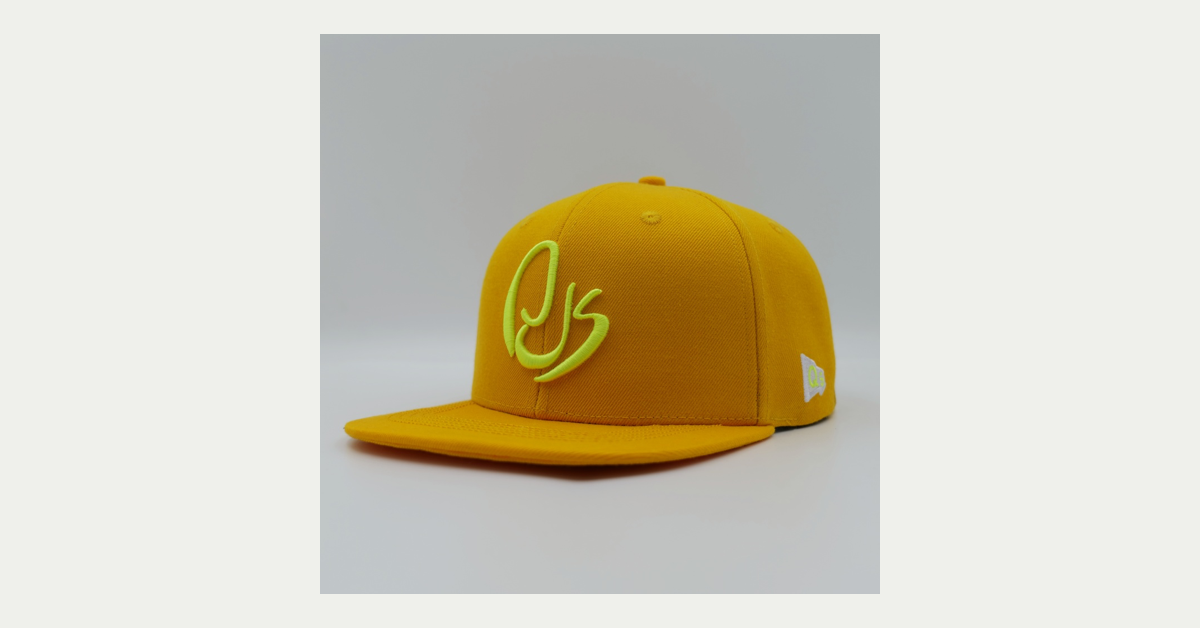


A custom wool caps manufacturer should never treat “wool” as a complete specification. Fiber percentage, blend partner, yarn or fabric construction, weight, surface finish, color, shrinkage and internal support all affect how the cap feels, holds shape and should be cared for.
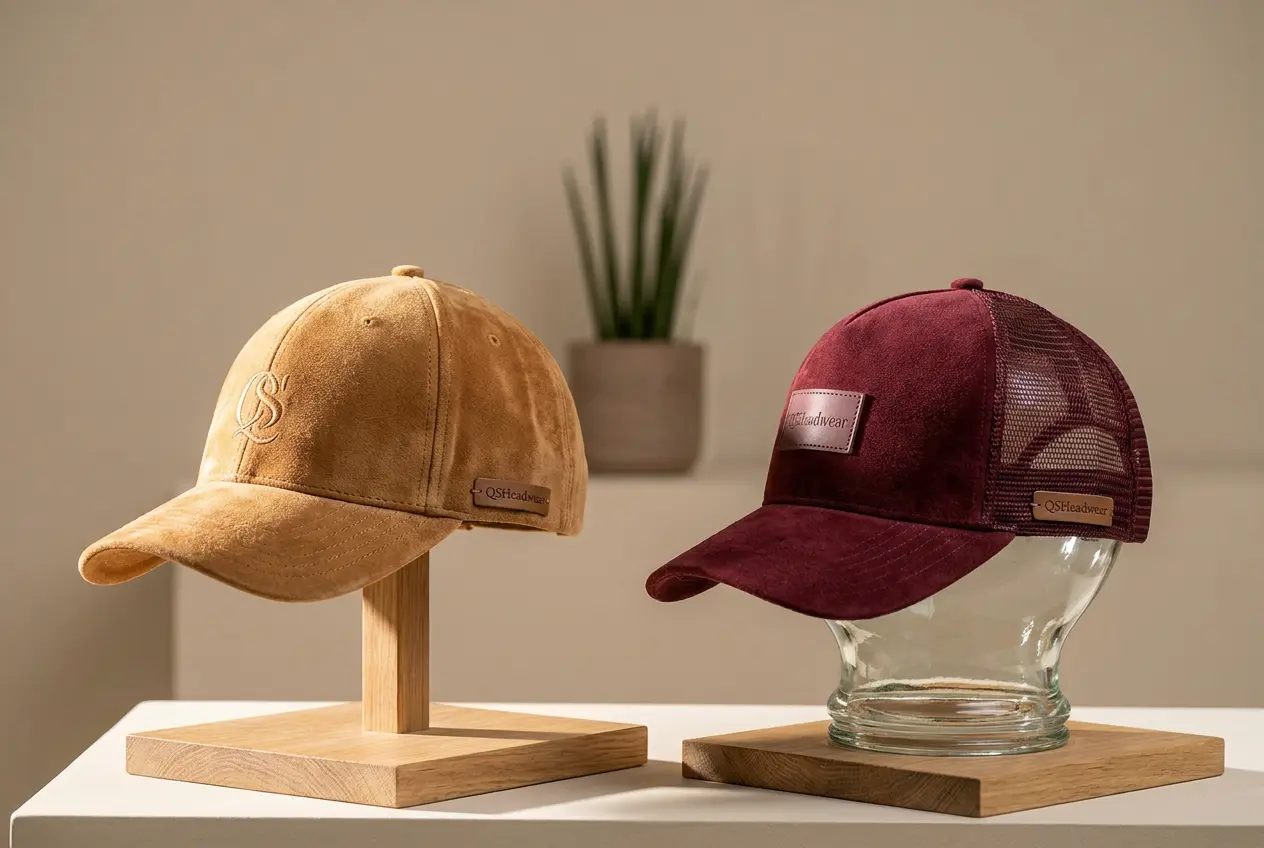
This question-led brief is for fashion brands, uniform programs, premium retailers and cold-season collections evaluating wool or wool-blend baseball caps, flat-brim caps and structured headwear.
Question 1: What Does the Composition Actually Say?
Request the exact fiber composition and identify whether it applies to the outer fabric only or the whole product. A cap can also contain polyester thread, interfacing, foam, sweatband, elastic, plastic or metal closure components and labels. Product descriptions and care labels should not imply that every component is wool when the claim only covers the shell.
Question 2: Is It Wool, a Wool Blend or a Wool-Look Fabric?
These are commercially different products. A wool blend may be chosen for stability, abrasion resistance, cost, color range or easier care. A synthetic wool-look fabric can deliver a similar visual texture without the same fiber content. Approve the material based on truthful composition and required performance rather than appearance alone.
The Wool Fabric Evidence Card
| Field | Why the buyer needs it | Approval evidence |
|---|---|---|
| Fiber composition | Defines the material claim and label | Supplier specification and order record |
| Fabric construction | Affects texture, stability and seam behavior | Physical swatch and close-up image |
| Weight | Influences warmth, hand and crown support | Production-equivalent swatch |
| Finish | Changes softness, nap and appearance | Finished fabric and cap sample |
| Color reference | Controls seasonal palette and reorders | Approved standard under agreed lighting |
| Care and shrinkage | Protects fit and customer expectations | Conditioning test and approved label |
Question 3: How Warm Should the Cap Feel?
Warmth is influenced by fiber, fabric weight, density, lining, crown construction and wind exposure. A heavy structured cap may feel substantial but unsuitable indoors; a lighter wool blend may support a transitional season. Define the wearing environment and collection role instead of asking for the “warmest” material.
Question 4: How Should a Custom Wool Caps Manufacturer Support the Crown?
Soft wool flannel can suit relaxed silhouettes, while a structured cap may require compatible backing. Thick fabric changes seam bulk and how the brim joins the crown. Nap or surface direction can create visible shade differences between panels if cutting is inconsistent.
An experienced custom wool caps manufacturer should test the exact material on the chosen pattern and explain where support, seam allowance or pressing may need adjustment.
Question 5: How Will Color Be Approved?
Heathered, melange and brushed surfaces can look different across lighting and viewing distance. Define whether the target is a solid shade, mixed-fiber effect or intentionally variable texture. Approve the physical fabric and finished cap, then retain both for comparison. If several cap components use black or navy, check them together because “the same color name” does not guarantee a visual match.
Question 6: What Happens After Moisture and Care?
Condition the sample using the planned care method and inspect internal circumference, crown height, brim shape, seam puckering, surface appearance, hand and shade. If the product requires spot cleaning or professional care, communicate that clearly. Do not use a care label copied from another fabric or assume the shell alone determines the instruction.
A Sample Review That Uses More Than Touch
- Confirm composition and material code.
- Review surface direction, pilling tendency and visual shade.
- Measure the dry cap before conditioning.
- Wear-test for comfort, itch perception and heat.
- Apply the proposed care or moisture exposure.
- Remeasure fit, crown and brim after drying.
- Compare decoration, seams and surface finish with the retained reference.
Subjective hand matters for a premium product, but it should sit beside objective records so the next order can reproduce the decision.
Question 7: Which Decoration Respects the Surface?
Flat embroidery can sit cleanly on stable wool blends, while heavy 3D embroidery may create a stiff area. Woven or leather patches can provide contrast but add edge and attachment decisions. Fine surface nap can partially hide small stitches or printed details. Sample the chosen technique on production-equivalent material and inspect it at normal viewing distance.
Question 8: What Can Go Wrong in Bulk?
| Bulk concern | Possible cause | Control |
|---|---|---|
| Panels show different shade | Nap direction or cutting orientation varies | Mark direction and inspect assembled crowns |
| Cap becomes tight | Material or sweatband shrinks | Condition samples and set measurements |
| Seams look bulky | Fabric thickness and allowance are incompatible | Revise construction before approval |
| Surface pills | Fiber, finish or abrasion behavior | Review intended use and test sample |
| Logo sinks into texture | Stitch scale is too fine for the surface | Adjust density, size or technique |
| Reorder hand changes | Material source or finish changed | Lock references and approve substitutions |
Question 9: How Should Labels and Claims Be Controlled?
Match the fiber label, country-of-origin information, care instruction and product-page description to the actual order. Requirements vary by destination market, so the buyer should review applicable labeling rules before approval. Keep supplier records and final label artwork together with the purchase order.
Question 10: Can the Material Be Reordered Next Season?
Ask whether the fabric is a repeatable stock program, a seasonal mill item or a one-time lot. Retain the supplier reference, composition, construction, weight, finish, color standard, approved swatch and cap. Require a new approval when the source or material changes, even if the commercial color name remains the same.
Write the RFQ as a Material Question Set
Include the cap silhouette, composition target, weight or hand, season, color, lining or backing, closure, decoration, care expectation, labels, quantity and market. Ask what evidence and continuity can be provided for the exact order. This allows a custom wool caps manufacturer to propose an honest, production-ready option.
Review Wool and Premium Fabric Options
Explore QSHeadwear product categories, review the material, decoration and sample process and check factory information. Send your cap style, composition, season, color, artwork, quantity and destination through the contact page to consult a custom wool caps manufacturer.
Wool Cap Sourcing: Buyer Questions Answered
1. What information should a wool-cap RFQ include?
Include silhouette, exact or target composition, fabric weight or hand, color, season, support materials, decoration, care, labels, quantity and market.
2. Is a wool blend lower quality than 100% wool?
Not automatically. A blend may be selected for stability, durability, cost, color or care; judge it against the product objective and truthful composition.
3. Can wool be used for structured caps?
Yes, when the shell fabric and compatible backing are tested on the intended crown pattern.
4. Why can wool panels look like different shades?
Brushed or directional surfaces can reflect light differently when panel orientation changes.
5. Should wool caps be shrinkage tested?
Yes. Use the planned care or conditioning method and check fit, crown, brim, seams, hand and shade.
6. Can wool caps use 3D embroidery?
They can, but stitch density, surface texture and crown stiffness must be approved on the real fabric.
7. What affects wool-cap MOQ?
Fabric availability, custom dyeing, styles, colors, backing, decoration, trims, labels and packaging can divide the order.
8. How should wool color be approved?
Approve a physical fabric and finished cap under agreed lighting, especially for heathered or brushed materials.
9. What should bulk inspection check?
Check material identity, panel direction, measurements, shape, seams, surface, decoration, labels, cleanliness and packing.
10. What should be kept for a reorder?
A custom wool caps manufacturer should retain material codes, composition, swatches, color standards, samples, decoration files, labels and substitution rules.